Jaioa
July 14, 1207
Sárospatak, Hungary
Hila
November 24, 1231
Marburg, Germany
Ezaugarriak
Catholic saint (1207−1231)
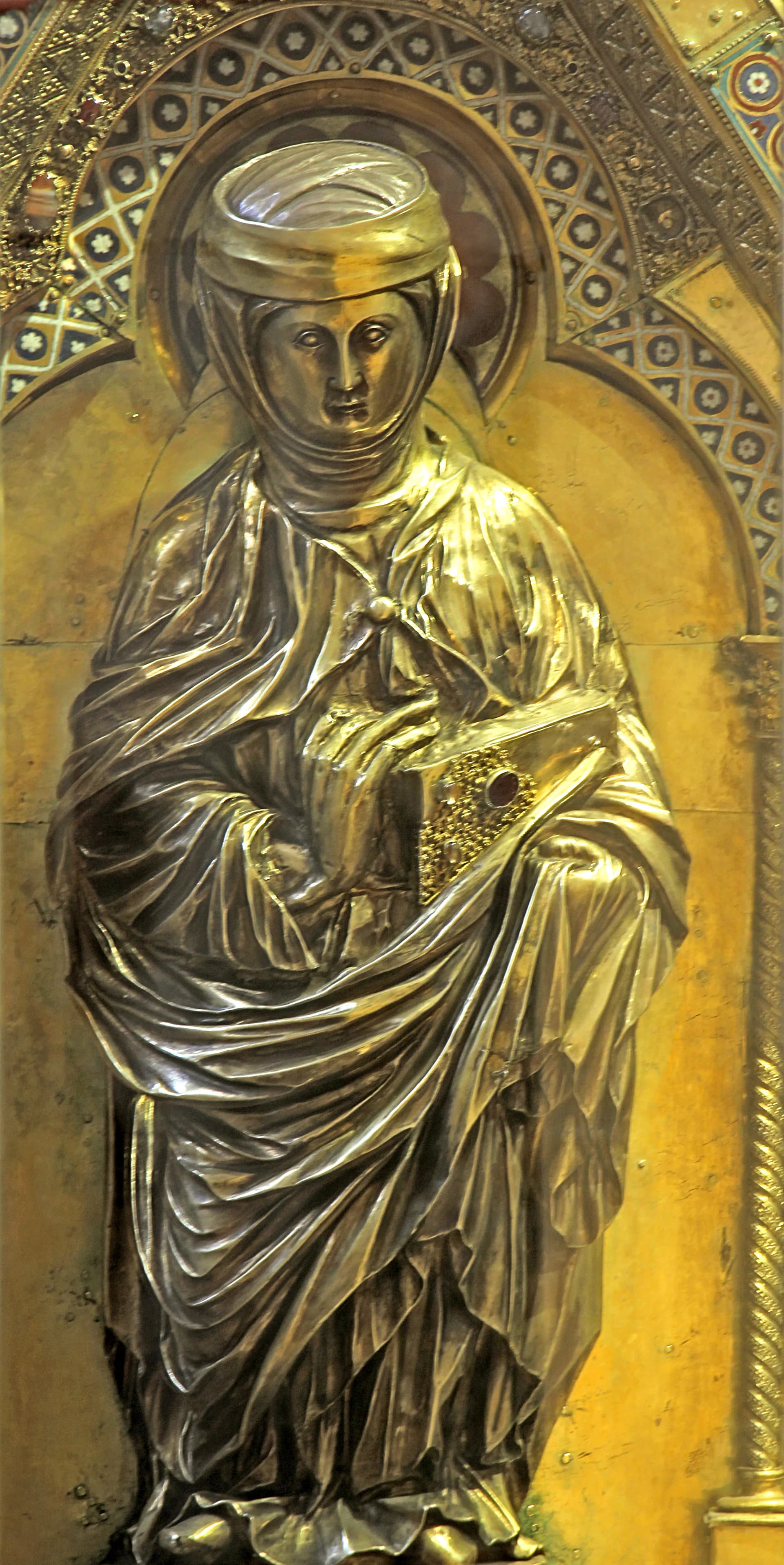
Elizabeth of Hungary (1207–1231) was a Catholic saint, nurse, and philanthropist from Sárospatak, Hungary. She was known for her immense compassion, dedicating her life to aiding the poor and sick. Her establishment of hospitals and her personal care for patients left a lasting legacy of charitable service.
0 kapitulua
Bizitzako kapituluak
1 kapitulua · 1207· 1. kapitulua 7tik
Early Life and Origins
Born on July 14, 1207, in Sárospatak, Hungary, Elizabeth was a princess, daughter of King Andrew II of Hungary and Gertrude of Merania. From an early age, she exhibited a deep piety and a benevolent spirit. Her noble upbringing in the Kingdom of Hungary instilled in her a sense of duty, which she would later channel into acts of selfless giving.
She was also known as Elisabeth of Thuringia, reflecting her connection to the German region through marriage. This dual identity highlights her influential position across European nobility. Even as a child, her compassionate nature was evident to those around her.
2 kapitulua· 2. kapitulua 7tik
Career Beginnings
Elizabeth's path toward her life's work began early, even while fulfilling her duties as a landgravine. She quickly became known for her deep empathy and commitment to aiding the poor and sick. This dedication was unusual for someone of her royal standing during that era.
Her early efforts involved personally tending to the ill and distributing alms, often against the conventions of her court. She established herself as a nurse and philanthropist, driven by a strong spiritual conviction. These initial acts laid the foundation for her celebrated charitable endeavors.
3 kapitulua· 3. kapitulua 7tik
Major Achievements and Career Highlights
A significant achievement was her tireless work as a nurse, dedicating herself to the care of the sick and suffering. She founded a hospital in Marburg, Germany, after her husband's death, where she personally cared for patients. This commitment highlighted her practical approach to philanthropy.
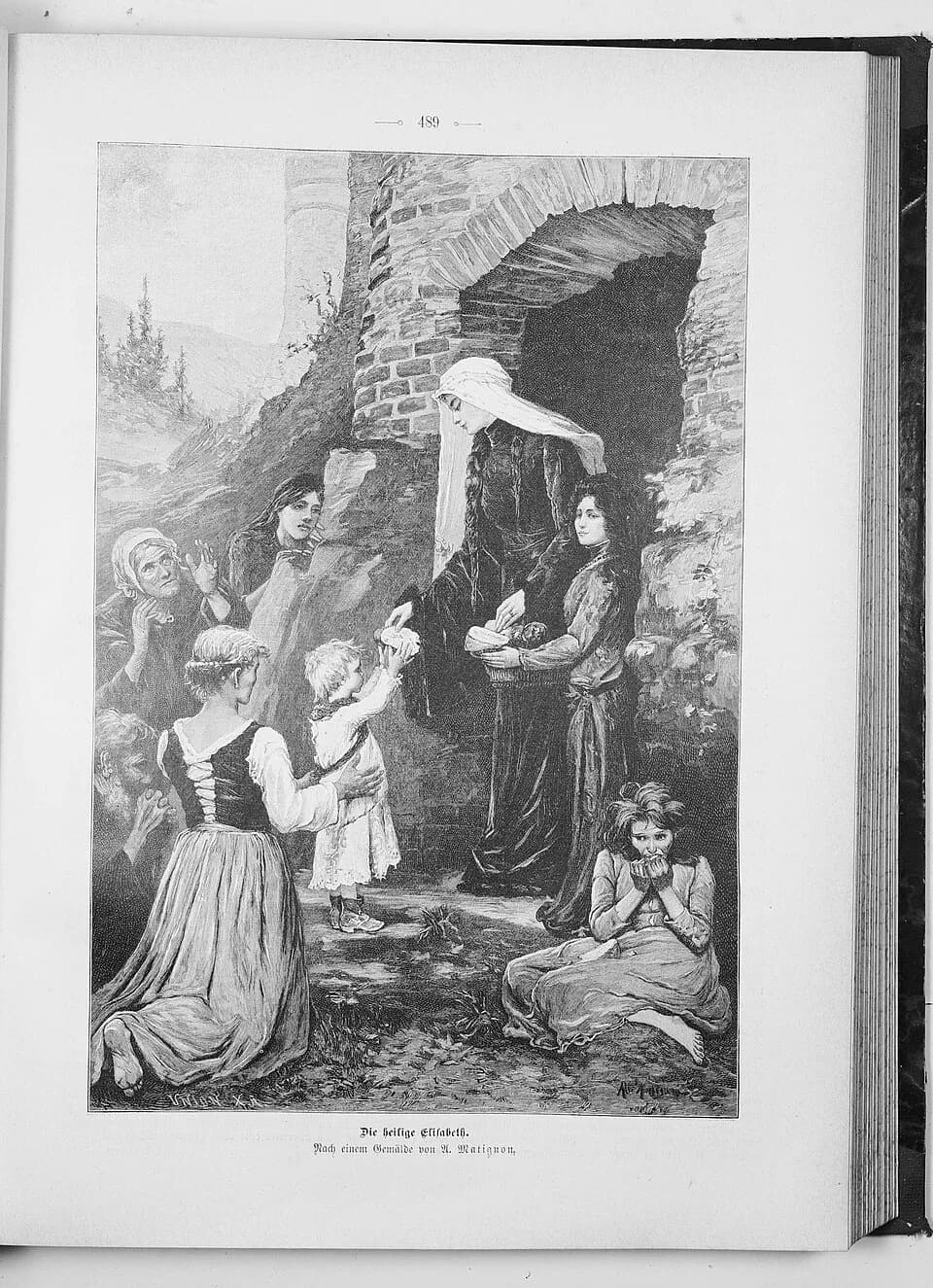
Her philanthropic efforts extended beyond nursing; she used her wealth and influence to alleviate poverty. Elizabeth regularly distributed food and clothing to the needy, making her a beloved figure among the common people. Her life became a powerful example of Christian charity.
4 kapitulua· 4. kapitulua 7tik
Personal Life
Elizabeth was a princess of the Kingdom of Hungary and later the landgravine of Thuringia, a role that came with significant responsibilities. Her marriage connected her to influential European noble families. Despite her royal status, she chose a life focused on spiritual devotion and service.
After becoming widowed, she embraced a life of simplicity and service, committing herself fully to charity. Her personal journey reflected a strong spiritual conviction that guided all her actions. She lived a life often at odds with the opulence expected of her birth.
5 kapitulua· 5. kapitulua 7tik
Notable Works or Contributions
While Elizabeth did not produce written works, her enduring contribution lies in her direct actions and the hospitals she supported or founded. The hospital in Marburg, Germany, stands as a testament to her vision for organized charitable care. She ensured the most vulnerable had access to medical attention.
Her life itself was her most notable work, serving as an inspiration for countless future generations of caregivers and philanthropists. She demonstrated that true nobility could be found in humility and service to others. Her example influenced the development of charitable institutions.
6 kapitulua· 6. kapitulua 7tik
Later Years
After the death of her husband, Elizabeth dedicated her remaining years entirely to spiritual devotion and caring for the poor. She moved to Marburg, Germany, where she continued her work as a nurse and established a hospital. Her final years were marked by intense personal commitment.
She passed away on November 24, 1231, in Marburg, Germany, at the young age of 24. Despite her short life, her impact was immense, leading to her canonization. Her legacy was solidified quickly after her passing.
7 kapitulua· 7. kapitulua 7tik
Legacy and Impact
Elizabeth of Hungary was canonized as a Catholic saint, a recognition that immortalized her dedication to charity and nursing. Her life set a powerful precedent for royal figures engaging directly in humanitarian work. Her story inspired many to follow in her footsteps.
Her influence continues today, particularly in the fields of nursing and social welfare, where she is revered as a patron saint. The institutions she inspired, and the spirit of selfless service she embodied, remain vital aspects of Christian compassion. She is remembered globally for her acts of kindness.
Bizitza uneetan
Bizitza moldatu zuten uneak

Ohiko galderak
Maiz egindako galderak
Noiz hil zen Elizabeth of Hungary?
Elizabeth of Hungary 1231(e)ko azaroaren 24(a) hil zen Marburg, Germany-n, 24 urte zituela.
Non jaio zen Elizabeth of Hungary?
Elizabeth of Hungary Sárospatak, Hungary-n jaio zen 1207(e)ko uztailaren 14(a).
Zertarako da ezagunena Elizabeth of Hungary?
Elizabeth of Hungary ezagunena da Catholic saint (1207−1231)-rengatik.
Zenbat urte zituen Elizabeth of Hungary-k hil zenean?
Elizabeth of Hungary-k 24 urte zituen hil zenean.
Zer nazionalitatekoa zen Elizabeth of Hungary?
Elizabeth of Hungary Hungary-koa zen.
Denbora-lerroa
Bizitza begirada batean
Argazki galeria
Bizitza iruditan
Egin klik edozein polaroidetan handitzeko · 24 argazki
QR kodea
Partekatu Biografia Hau
Inprimatu eta partekatu
Eskaneatu biografia orri hau bisitatzeko. Inprimatu ekitaldi, erakusketa edo hezkuntza materialetarako.