Jaioa
October 12, 1891
Wrocław, Kingdom of Poland
Hila
August 9, 1942
Auschwitz II-Birkenau concentration camp, Nazi Germany
Ezaugarriak
Jewish-German Catholic nun, theologian and philosopher
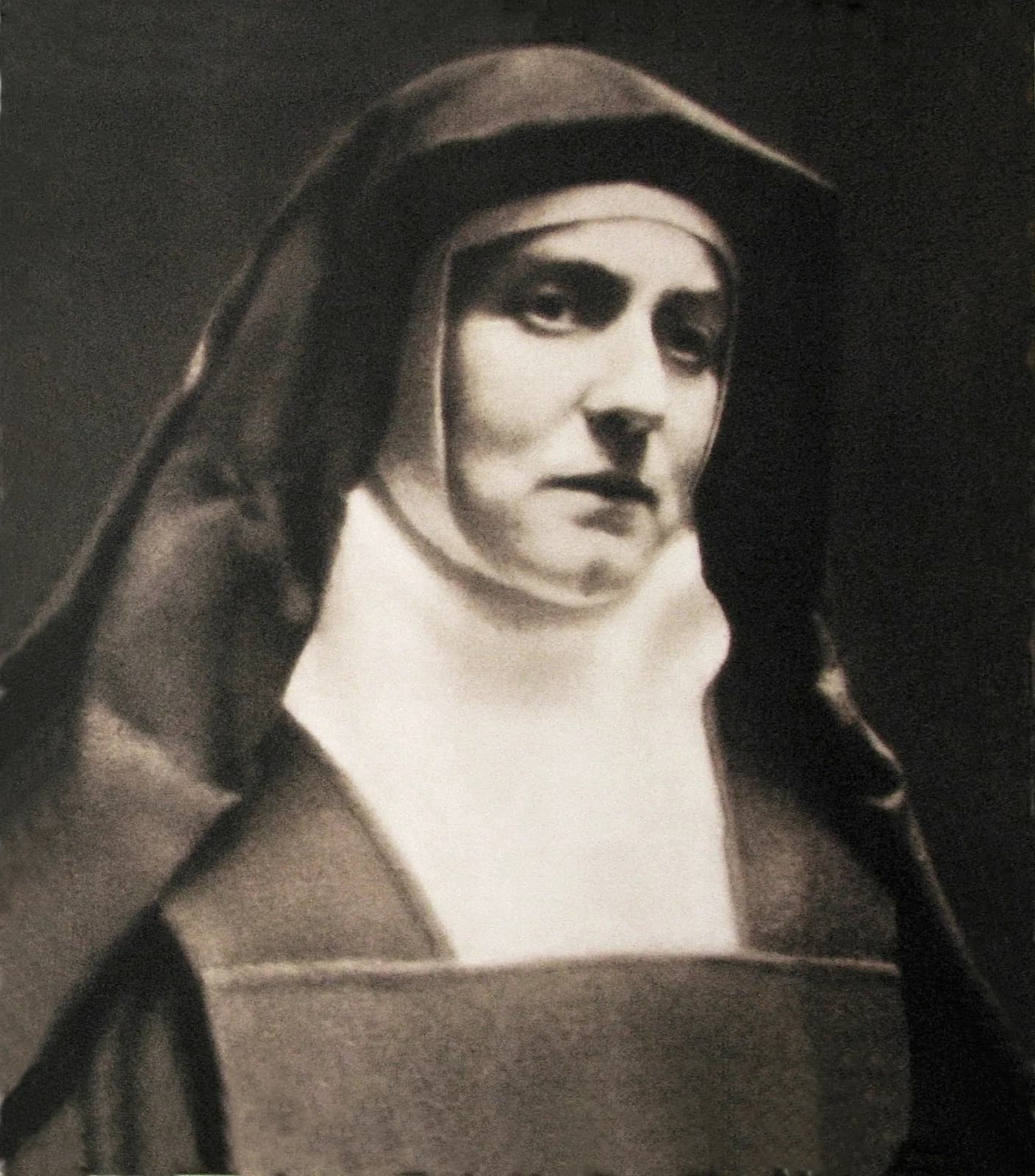
Edith Stein (1891–1942) was Kingdom of Poland best known for Jewish-German Catholic nun, theologian and philosopher.
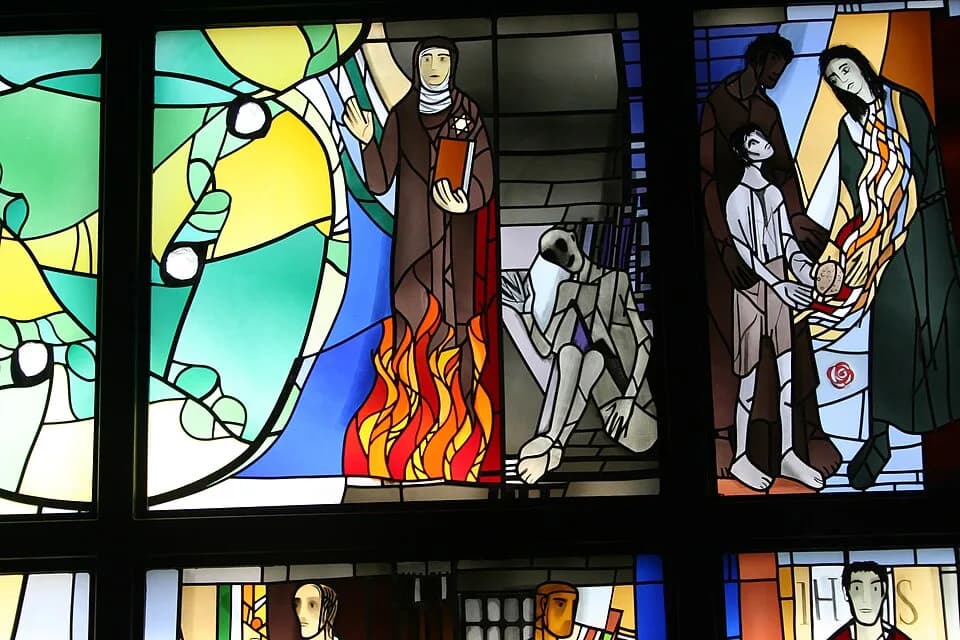
Edith Stein (October 12, 1891 – August 9, 1942) was a Jewish-German Catholic nun, theologian, and philosopher from Wrocław, Kingdom of Poland. She converted to Catholicism, became a Discalced Carmelite nun, and was murdered at Auschwitz-Birkenau. Stein is canonized as a martyr and saint, and is one of Europe's patron saints.
0 kapitulua
Bizitzako kapituluak
1 kapitulua · 1891· 1. kapitulua 8tik
Remembering Edith Stein
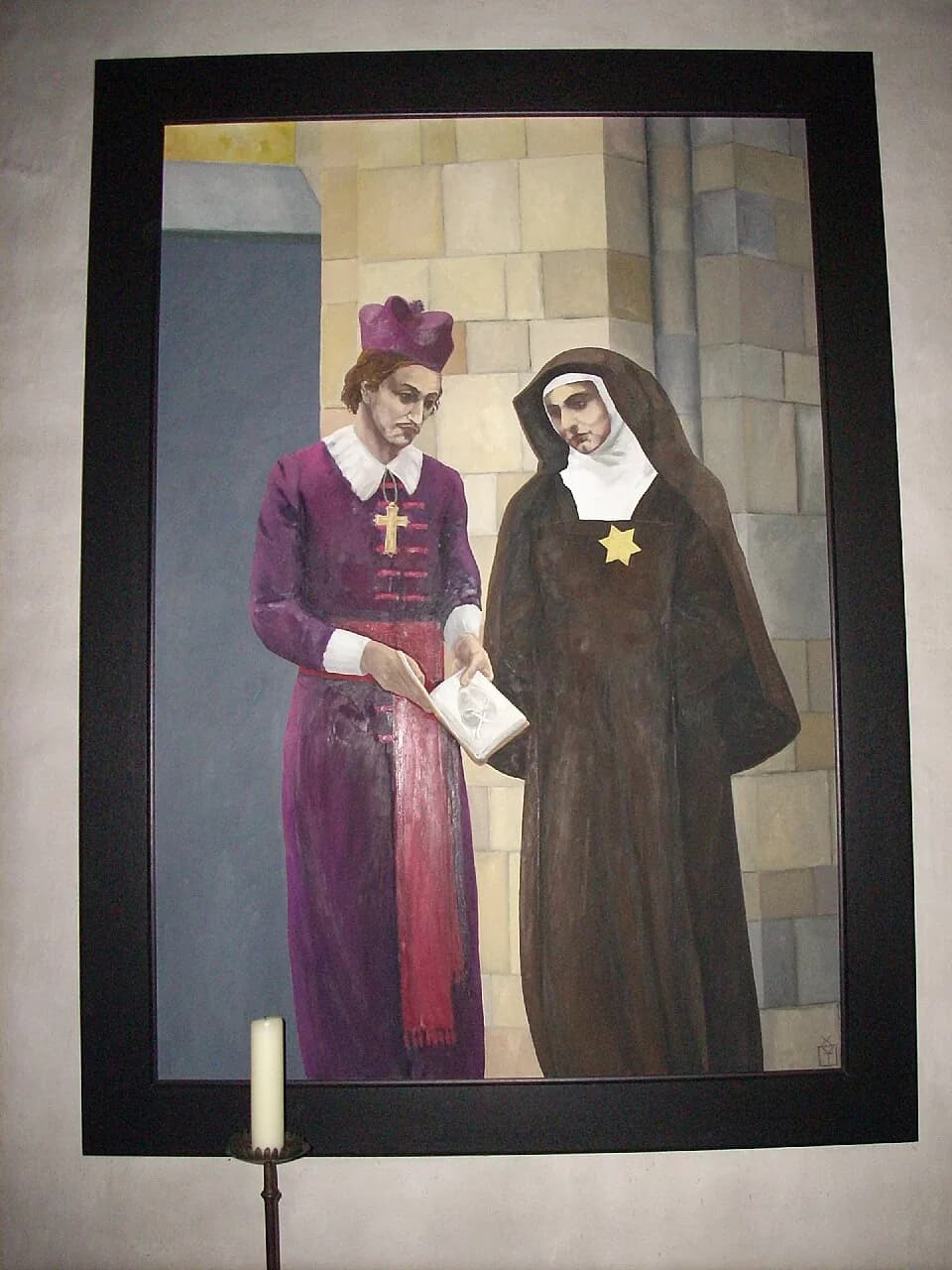
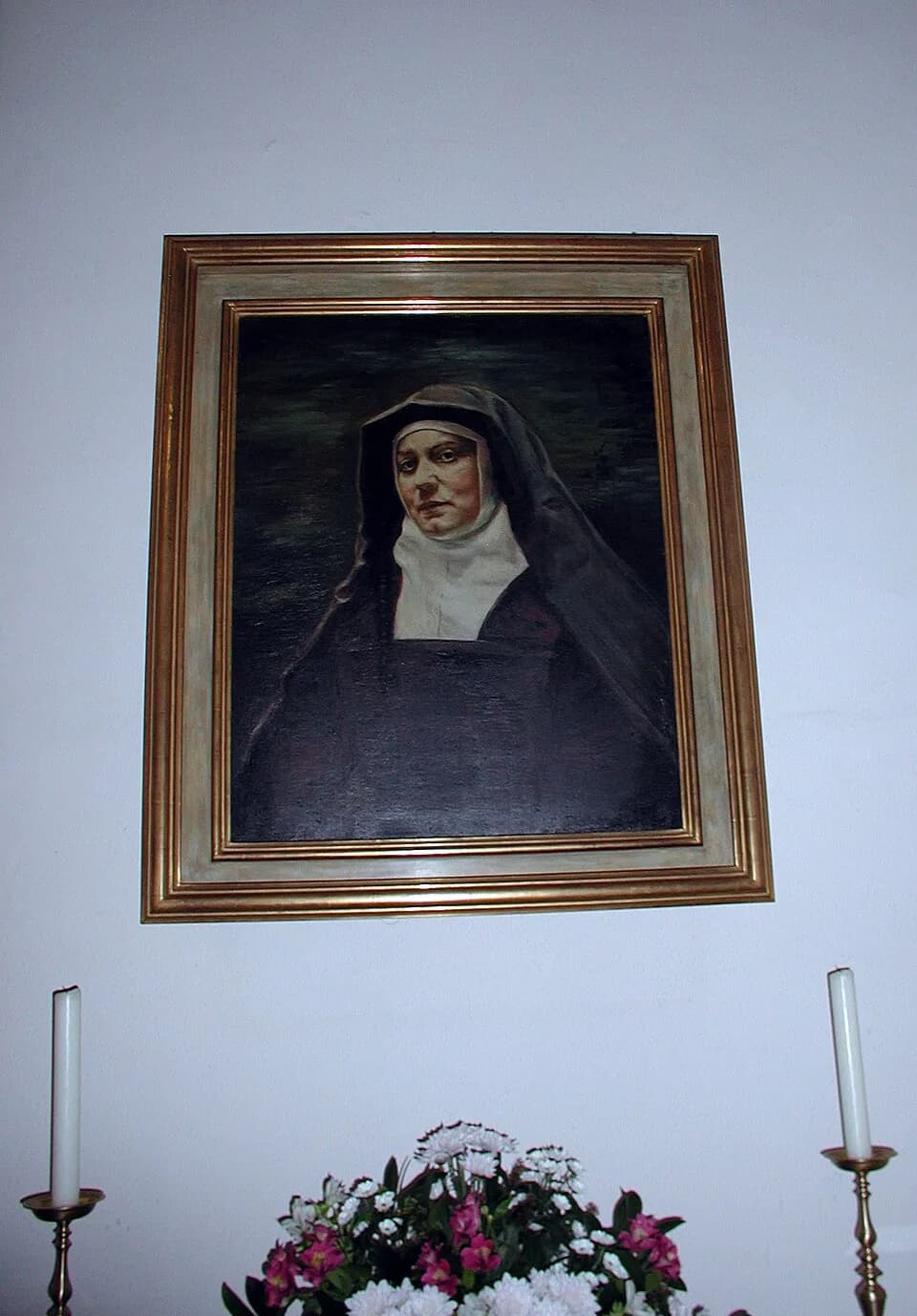
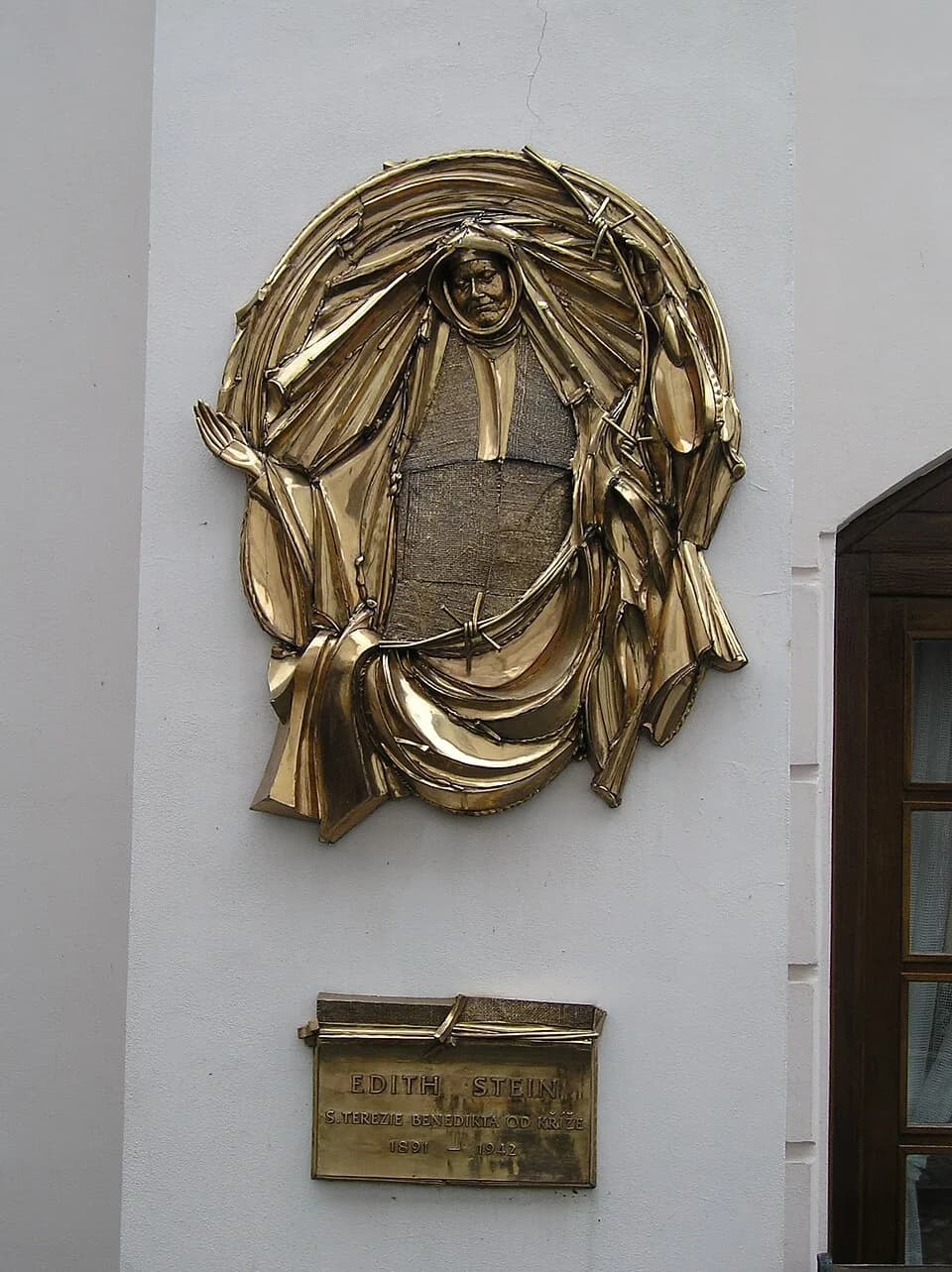
We remember Edith Stein (1891–1942), a distinguished Jewish-German Catholic nun, theologian, and philosopher whose life was a pursuit of truth and faith. Born into a Jewish family, she converted to Catholicism and joined the Discalced Carmelites, dedicating her intellectual gifts to theological inquiry. Her life ended tragically in the gas chambers of Auschwitz II-Birkenau, a horrific act of Nazi persecution. Today, she is canonized as a martyr and saint of the Catholic Church, also holding the distinguished title of one of Europe's six patron saints.
2 kapitulua · 1891· 2. kapitulua 8tik
Early Life and Origins
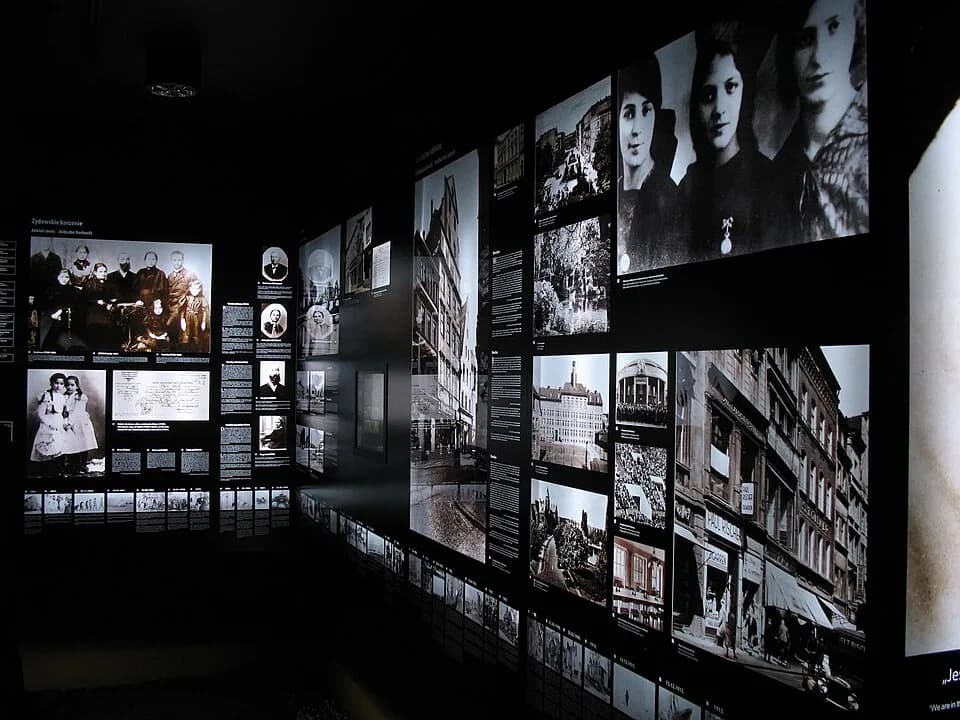
Edith Stein was born on October 12, 1891, in Wrocław, which was then part of the Kingdom of Poland. Her early upbringing shaped a keen intellect and a rigorous academic spirit. She embarked on a path of philosophical study, which would become the bedrock of her subsequent intellectual and spiritual journey.
3 kapitulua· 3. kapitulua 8tik
Career Beginnings
Stein began her professional life as a university teacher and philosopher, contributing significantly to the academic discourse of her time. Her foundational work in phenomenology established her as a serious scholar. She was also a writer and translator, demonstrating her command of language and her ability to bridge complex ideas across different schools of thought.
4 kapitulua· 4. kapitulua 8tik
Major Achievements and Career Highlights
Among her most significant achievements was her deeply considered conversion to Catholicism, which transformed her intellectual pursuits into profound theological reflections. She entered the Discalced Carmelite order, embracing a life of prayer and contemplative study. Her intellectual rigor and spiritual devotion led to her recognition as a theologian and philosopher of great depth. Posthumously, the Catholic Church recognized her martyrdom, canonizing her as a saint and designating her as one of Europe's revered patron saints.
5 kapitulua· 5. kapitulua 8tik
Personal Life
While specific details about her family relationships are not provided, Edith Stein's personal journey was profoundly marked by her spiritual evolution. Her decision to become a Catholic nun was a central and defining act of her life, signifying a deep personal commitment to her faith. This commitment guided her later years, influencing her writings and her ultimate sacrifice.
6 kapitulua· 6. kapitulua 8tik
Notable Works and Contributions
Edith Stein left a significant body of work as a writer, philosopher, and autobiographer. Her analytical depth is evident in "On the problem of empathy," a work that explores fundamental aspects of human connection. Her spiritual and reflective writings include "Myšlenky a meditace" and "A ciência da cruz," showcasing her theological insights. She also offered personal reflections in "Aus dem Leben einer jüdischen Familie" and "Selbstbildnis in Briefen," providing windows into her personal journey. Her linguistic skills were employed in "Edith Stein, Übersetzung von John Henry Newman," highlighting her role as a translator.
Her academic pursuits, though often cited years after their initial conceptualization, reflect her engagement with complex philosophical ideas. For example, works such as "ON THE KINSHIP OF SPIRIT AND THOUGHT" and "THE LEVELS OF EMPATHY. A PHENOMENOLOGICAL CONTRIBUTION TO PSYCHOPATHOLOGY" reveal her continuing contribution to phenomenology and its ethical dimensions. She explored the intersection of faith and intellect, evident in titles like "Knowledge and faith" and "THE MYSTERY OF CROSS AND SUFFERING IN THE THOUGHT OF EDITH STEIN."
7 kapitulua · 1942· 7. kapitulua 8tik
Later Years
The later period of Edith Stein's life was characterized by her commitment to the Carmelite order, where she continued her spiritual and intellectual work. However, the rise of Nazism brought unimaginable peril to her, a Jewish convert living in Germany. She was tragically arrested and subsequently murdered in the gas chamber at Auschwitz II-Birkenau concentration camp on August 9, 1942. This brutal end sealed her fate as a martyr.
8 kapitulua· 8. kapitulua 8tik
Legacy and Impact
Edith Stein's legacy extends far beyond her academic contributions, resonating deeply within both philosophical and theological circles. Her writings continue to inspire contemplation on empathy, suffering, and faith. As a canonized saint and a patron of Europe, her life symbolizes intellectual courage, spiritual conviction, and unwavering integrity in the face of extreme adversity. She stands as an enduring figure who bridged worlds of thought and faith.
Bizitza uneetan
Bizitza moldatu zuten uneak
Ohiko galderak
Maiz egindako galderak
Noiz hil zen Edith Stein?
Edith Stein 1942(e)ko abuztuaren 9(a) hil zen Auschwitz II-Birkenau concentration camp, Nazi Germany-n, 50 urte zituela.
Non jaio zen Edith Stein?
Edith Stein Wrocław, Kingdom of Poland-n jaio zen 1891(e)ko urriaren 12(a).
Zertarako da ezagunena Edith Stein?
Edith Stein ezagunena da Jewish-German Catholic nun, theologian and philosopher-rengatik.
Zenbat urte zituen Edith Stein-k hil zenean?
Edith Stein-k 50 urte zituen hil zenean.
Zer nazionalitatekoa zen Edith Stein?
Edith Stein Kingdom of Poland-koa zen.
Denbora-lerroa
Bizitza begirada batean
Argazki galeria
Bizitza iruditan
Egin klik edozein polaroidetan handitzeko · 46 argazki
QR kodea
Partekatu Biografia Hau
Inprimatu eta partekatu
Eskaneatu biografia orri hau bisitatzeko. Inprimatu ekitaldi, erakusketa edo hezkuntza materialetarako.