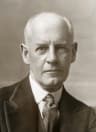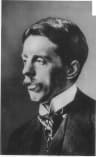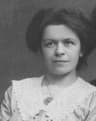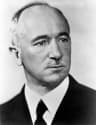
Jaioa
August 11, 1867
Olviopol, Ukraine
Hila
March 9, 1948
Tallinn, Estonia
Ezaugarriak
Estonian teacher and linguist
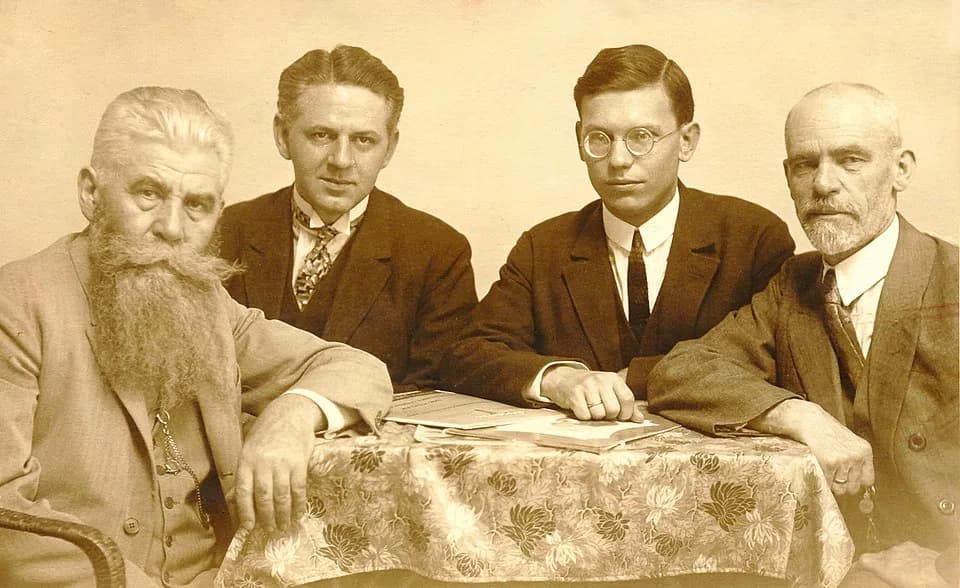
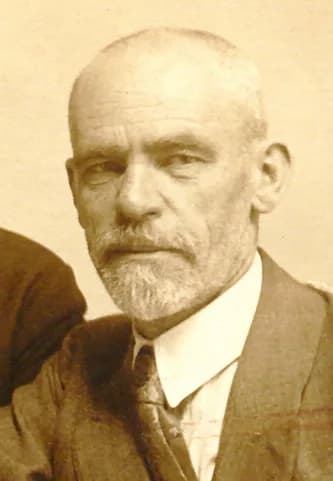
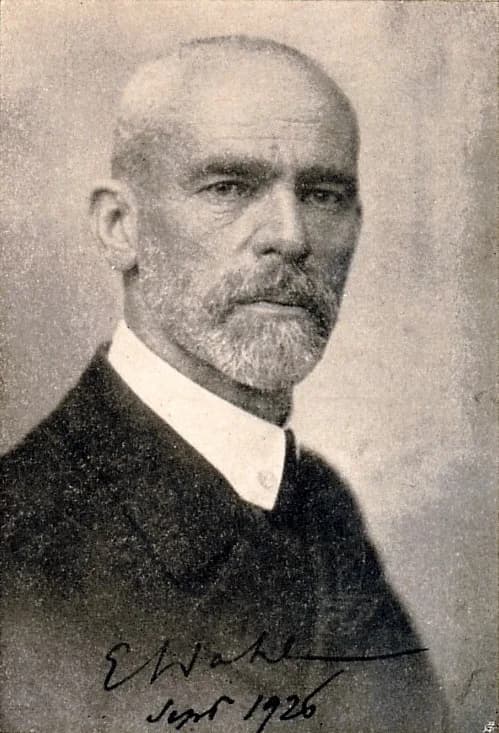
Edgar de Wahl (1867–1948) was Ukraine best known for Estonian teacher and linguist.
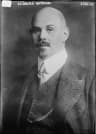
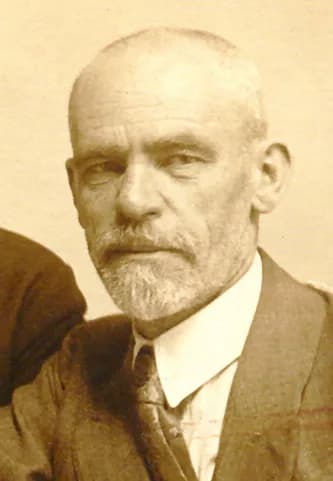
Edgar de Wahl (August 11, 1867 – March 9, 1948) was an Estonian teacher and linguist. He is best known as the creator of Interlingue, an international auxiliary language previously called Occidental. His work significantly influenced the field of constructed languages.
0 kapitulua
Bizitzako kapituluak
1 kapitulua · 1867· 1. kapitulua 7tik
Opening
Edgar de Wahl (1867–1948) was a distinguished Estonian teacher and linguist, widely recognized for his creation of Interlingue. Born on August 11, 1867, and passing on March 9, 1948, his life was dedicated to education and the pursuit of a universal language. He made a significant contribution to linguistics, shaping the discourse around international auxiliary languages.
2 kapitulua · 1867· 2. kapitulua 7tik
Early Life and Origins
Edgar de Wahl began his life in Olviopol, Ukraine, on August 11, 1867. He was of Baltic German heritage, a background that often fostered multilingualism and a keen interest in diverse cultures. His early years laid the foundation for a future dedicated to teaching and linguistic innovation. Later, he settled in Tallinn, Estonia, which became his home for many years.
3 kapitulua· 3. kapitulua 7tik
Career Beginnings
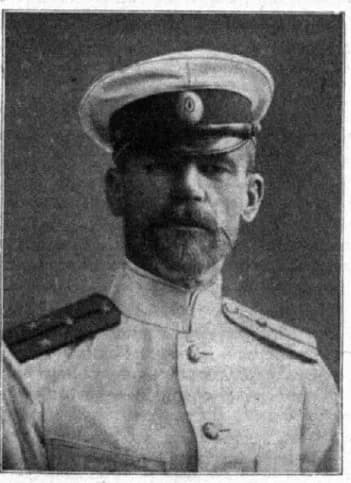
De Wahl initially pursued a career as a mathematics and physics teacher, a profession he carried out in Tallinn, Estonia. This foundational role honed his analytical skills and ability to structure complex systems. His intellectual curiosity soon extended beyond the sciences into the fascinating world of languages, drawing him into the burgeoning movement for international communication. He became known as an Esperantist and later an Idist, demonstrating his early engagement with proposed auxiliary languages and his evolving linguistic thought.
4 kapitulua· 4. kapitulua 7tik
Major Achievements and Career Highlights
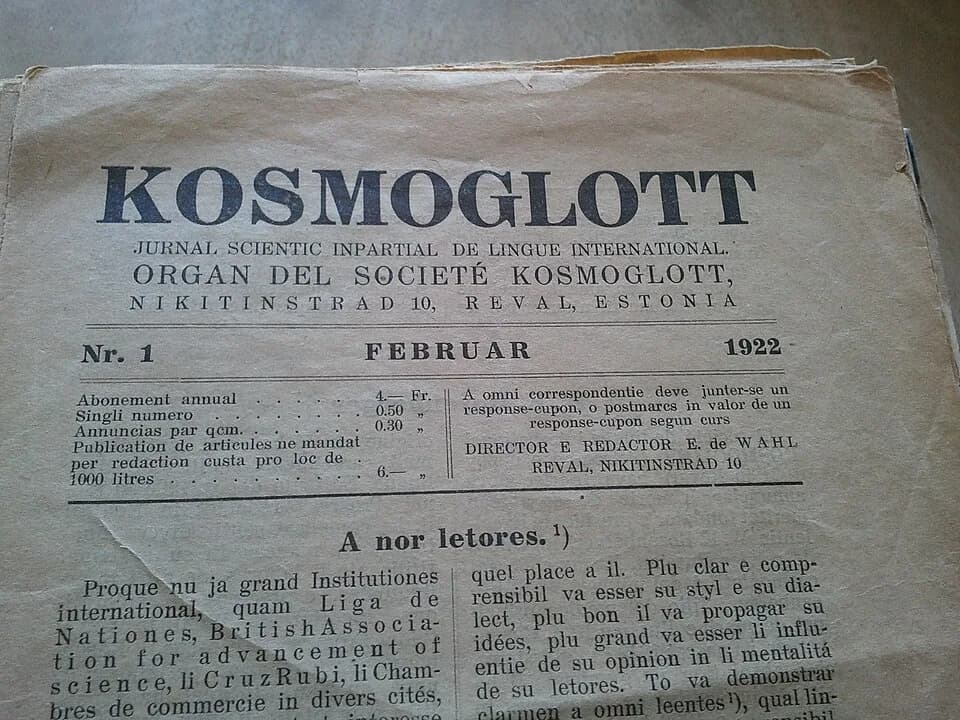
Edgar de Wahl's most enduring achievement was the creation of Interlingue, an international auxiliary language that he initially called Occidental. This project represented years of dedicated research and linguistic construction. He also utilized the pseudonym Julian Prorók during his work, adding a layer of personal identity to his scholarly pursuits. His development of Interlingue showcased his deep understanding of language structure and his commitment to facilitating global communication.
5 kapitulua· 5. kapitulua 7tik
Notable Works or Contributions
The primary contribution of Edgar de Wahl to the world was Interlingue itself. Conceived as a bridge language, Interlingue aimed to be easily learnable for speakers of European languages, drawing its vocabulary from existing Romance and Germanic roots. This careful design reflected his vision for a practical and aesthetically pleasing international tongue. His dedication to this linguistic creation became his life's work.
6 kapitulua · 1948· 6. kapitulua 7tik
Later Years
Edgar de Wahl spent his later years in Tallinn, Estonia, continuing his work and refining his linguistic ideas. He passed away on March 9, 1948, in the city he had called home for so long. His final years saw the continued growth and discussion around Interlingue, leaving a lasting mark on the field of constructed languages.
7 kapitulua· 7. kapitulua 7tik
Legacy and Impact
The legacy of Edgar de Wahl rests firmly on Interlingue, a language that persists as a symbol of his vision and linguistic skill. His work significantly influenced the field of international auxiliary languages, offering a well-structured and naturalistic alternative. As an Estonian teacher and linguist, he inspired subsequent generations with his intellectual rigor and dedication to fostering global understanding through language. His contributions continue to be studied by linguists and proponents of constructed languages worldwide.
Bizitza uneetan
Bizitza moldatu zuten uneak
Ohiko galderak
Maiz egindako galderak
Noiz hil zen Edgar de Wahl?
Edgar de Wahl 1948(e)ko martxoaren 9(a) hil zen Tallinn, Estonia-n, 80 urte zituela.
Non jaio zen Edgar de Wahl?
Edgar de Wahl Olviopol, Ukraine-n jaio zen 1867(e)ko abuztuaren 11(a).
Zertarako da ezagunena Edgar de Wahl?
Edgar de Wahl ezagunena da Estonian teacher and linguist-rengatik.
Zenbat urte zituen Edgar de Wahl-k hil zenean?
Edgar de Wahl-k 80 urte zituen hil zenean.
Zer nazionalitatekoa zen Edgar de Wahl?
Edgar de Wahl Ukraine-koa zen.
Denbora-lerroa
Bizitza begirada batean
- 1867
Opening
- 1867
Early Life and Origins
- 1948
Later Years
Argazki galeria
Bizitza iruditan
Egin klik edozein polaroidetan handitzeko · 38 argazki
QR kodea
Partekatu Biografia Hau
Inprimatu eta partekatu
Eskaneatu biografia orri hau bisitatzeko. Inprimatu ekitaldi, erakusketa edo hezkuntza materialetarako.