Jaioa
January 11, 1852
Wellendingen, Germany
Hila
March 26, 1926
Freiburg im Breisgau, Germany
Ezaugarriak
German politician
Constantin Fehrenbach (1852–1926) was Germany best known for German politician.
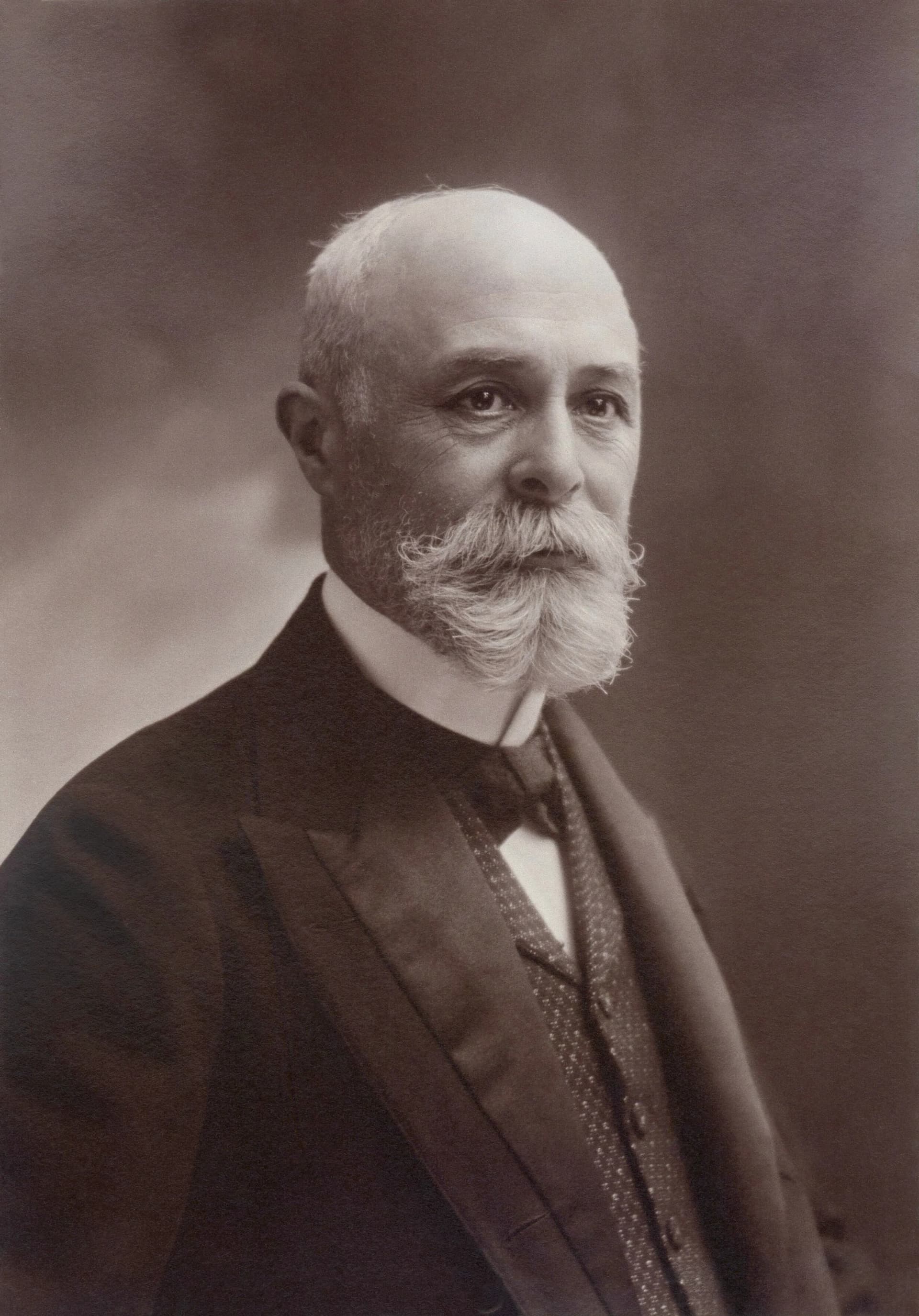
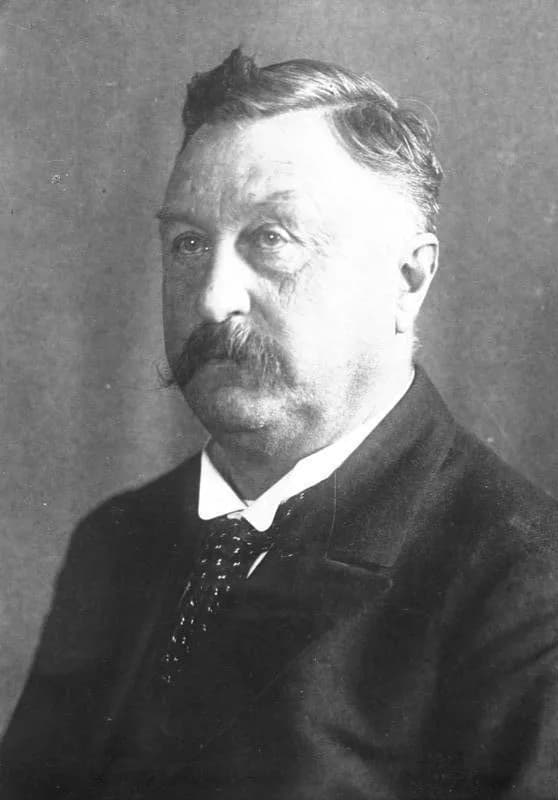
Constantin Fehrenbach (January 11, 1852 – March 26, 1926) was a German politician and lawyer from Wellendingen, Germany. He served as Chancellor of Germany and played a key role in the Catholic Centre Party during the Weimar Republic. His leadership was crucial during Germany's compliance with the Treaty of Versailles.
Bizitza uneetan
Bizitza moldatu zuten uneak
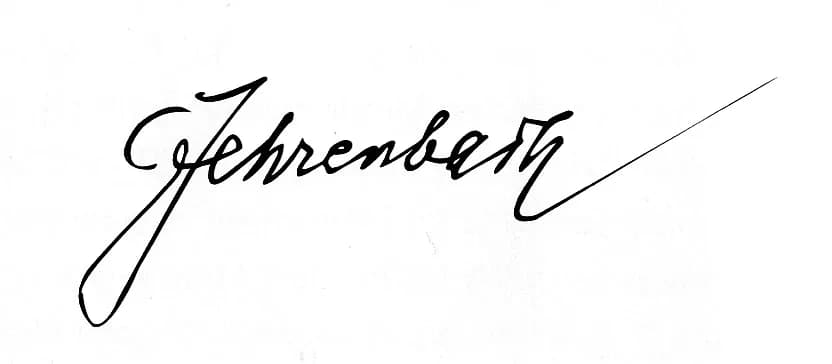
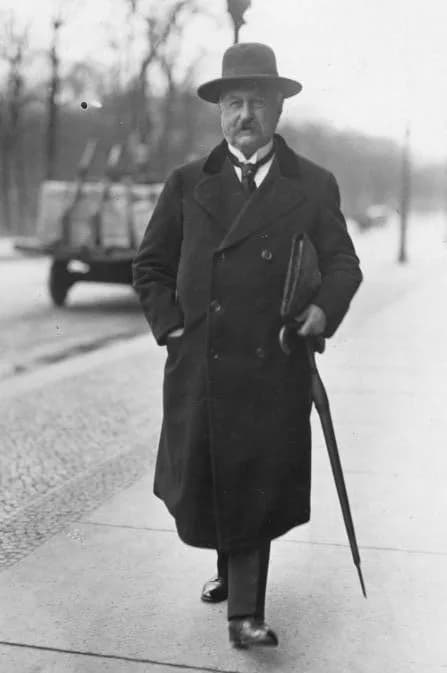
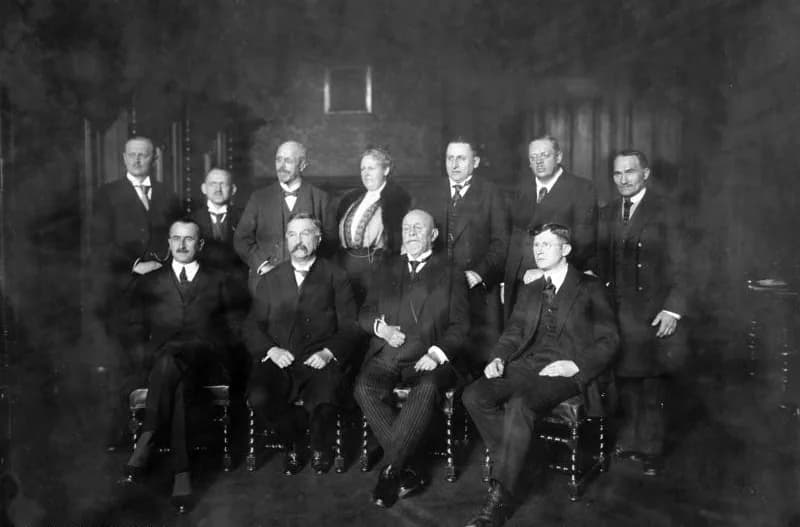
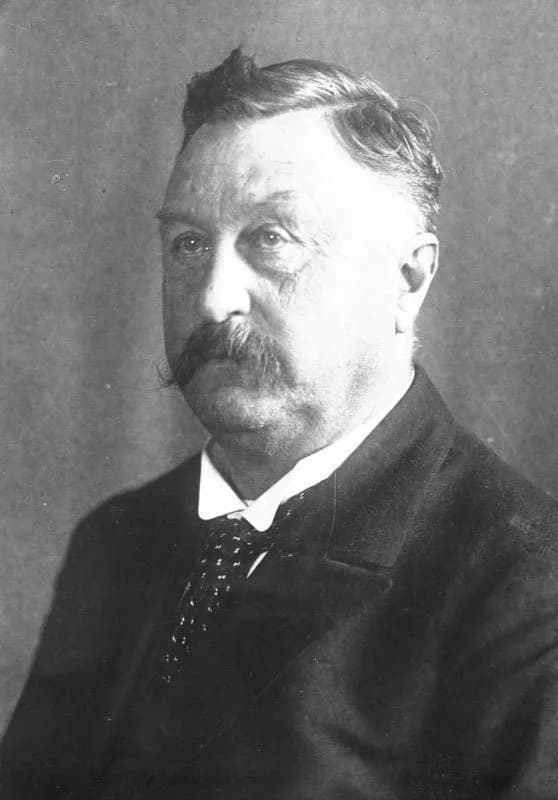
0 kapitulua
Bizitzako kapituluak
1 kapitulua · 1852· 1. kapitulua 6tik
Remembering Constantin Fehrenbach: German Politician and Chancellor
We honor the life and public service of Constantin Fehrenbach, a distinguished German politician and lawyer who played a significant role in the tumultuous early years of the Weimar Republic. Born on January 11, 1852, and passing away on March 26, 1926, Fehrenbach dedicated his career to public service, notably as a major leader of the Catholic Centre Party. His steadfast commitment guided Germany through some of its most challenging post-war periods.
2 kapitulua · 1852· 2. kapitulua 6tik
Early Life and Origins
Constantin Fehrenbach was born in Wellendingen, Germany, on January 11, 1852. His early life in rural Germany provided a foundation for his later understanding of the nation's diverse populace. This upbringing shaped his perspective as he pursued a career dedicated to legal principles and political leadership.
His education led him to become a lawyer, a profession that demands meticulous attention to detail and a profound understanding of societal structures. This legal background proved invaluable in his subsequent political endeavors, providing him with a strong analytical framework for complex issues. His initial professional experiences prepared him for the intricate demands of national politics.
3 kapitulua· 3. kapitulua 6tik
Career Beginnings
Fehrenbach's journey into politics saw him emerge as a prominent figure within the Catholic Centre Party, a key political force in Germany. His skills as a lawyer naturally transitioned into effective political advocacy and parliamentary work. He quickly became recognized for his measured approach and leadership capabilities within the party.
His ascent within the political ranks demonstrated a consistent commitment to public service and the principles of his party. This early period of his career was marked by diligent work and a growing influence. He laid the groundwork for his future leadership roles, gradually establishing himself as a respected voice in German politics.
4 kapitulua · 1918· 4. kapitulua 6tik
Major Achievements and Career Highlights
Constantin Fehrenbach achieved several significant milestones in his political career, serving in critical leadership positions during a pivotal era for Germany. In 1918, he ascended to the position of president of the Reichstag, demonstrating the trust and respect he commanded among his peers. This role placed him at the forefront of parliamentary decision-making as World War I concluded.
Following this, from 1919 to 1920, he held the esteemed office of president of the Weimar National Assembly. This period was crucial for establishing the new German republic, and Fehrenbach's leadership was central to guiding its foundational processes. His tenure saw the crafting of a new constitution and the transition to a democratic government.
A crowning achievement came in June 1920 when Fehrenbach became Chancellor of Germany, leading the nation during an extremely difficult time. As Chancellor, his administration's central challenge was ensuring German compliance with the terms of the Treaty of Versailles. This task demanded immense diplomatic skill and national unity to navigate the complex demands placed upon the country.
5 kapitulua · 1921· 5. kapitulua 6tik
Later Years
Fehrenbach's chancellorship, while brief, was defined by the pressing issue of war reparations and Germany's post-war obligations. In May 1921, he resigned from his position when his cabinet was unable to reach a consensus on the contentious issue of reparations payments to the Allied powers. This decision reflected the deep divisions and immense pressure facing the German government at the time.
Despite his resignation from the chancellorship, Constantin Fehrenbach continued to serve in the Reichstag, demonstrating his enduring dedication to public life. From 1923 until his death, he led the Centre Party's contingent there, maintaining his influence and advocating for his party's positions. He remained an active and respected figure in parliamentary proceedings.
Constantin Fehrenbach passed away on March 26, 1926, in Freiburg im Breisgau, Germany. His death marked the end of a long and impactful career in German politics. He continued to contribute to the political discourse and leadership of his party until his final days, leaving behind a legacy of dedicated service.
6 kapitulua· 6. kapitulua 6tik
Legacy and Impact
Constantin Fehrenbach's legacy is defined by his consistent leadership during a period of profound national transformation and challenge. He provided a steady hand as president of both the Reichstag and the Weimar National Assembly, helping to establish democratic institutions. His time as Chancellor, though short, squarely addressed the critical matter of the Treaty of Versailles, setting a precedent for future German leaders.
His role as a major leader of the Catholic Centre Party cemented his standing as a significant figure in German political history. He navigated the complexities of post-World War I Germany, contributing to the framework of the nascent republic. Fehrenbach's contributions helped shape the political landscape of the Weimar era, leaving a lasting impression on his party and the nation.
Ohiko galderak
Maiz egindako galderak
Noiz hil zen Constantin Fehrenbach?
Constantin Fehrenbach 1926(e)ko martxoaren 26(a) hil zen Freiburg im Breisgau, Germany-n, 74 urte zituela.
Non jaio zen Constantin Fehrenbach?
Constantin Fehrenbach Wellendingen, Germany-n jaio zen 1852(e)ko urtarrilaren 11(a).
Zertarako da ezagunena Constantin Fehrenbach?
Constantin Fehrenbach ezagunena da German politician-rengatik.
Zenbat urte zituen Constantin Fehrenbach-k hil zenean?
Constantin Fehrenbach-k 74 urte zituen hil zenean.
Zer nazionalitatekoa zen Constantin Fehrenbach?
Constantin Fehrenbach Germany-koa zen.
Denbora-lerroa
Bizitza begirada batean
Argazki galeria
Bizitza iruditan
Egin klik edozein polaroidetan handitzeko · 22 argazki
QR kodea
Partekatu Biografia Hau
Inprimatu eta partekatu
Eskaneatu biografia orri hau bisitatzeko. Inprimatu ekitaldi, erakusketa edo hezkuntza materialetarako.