Jaioa
September 8, 1841
Nelahozeves, Czech Republic
Hila
May 1, 1904
Prague, Czech Republic
Ezaugarriak
Czech composer
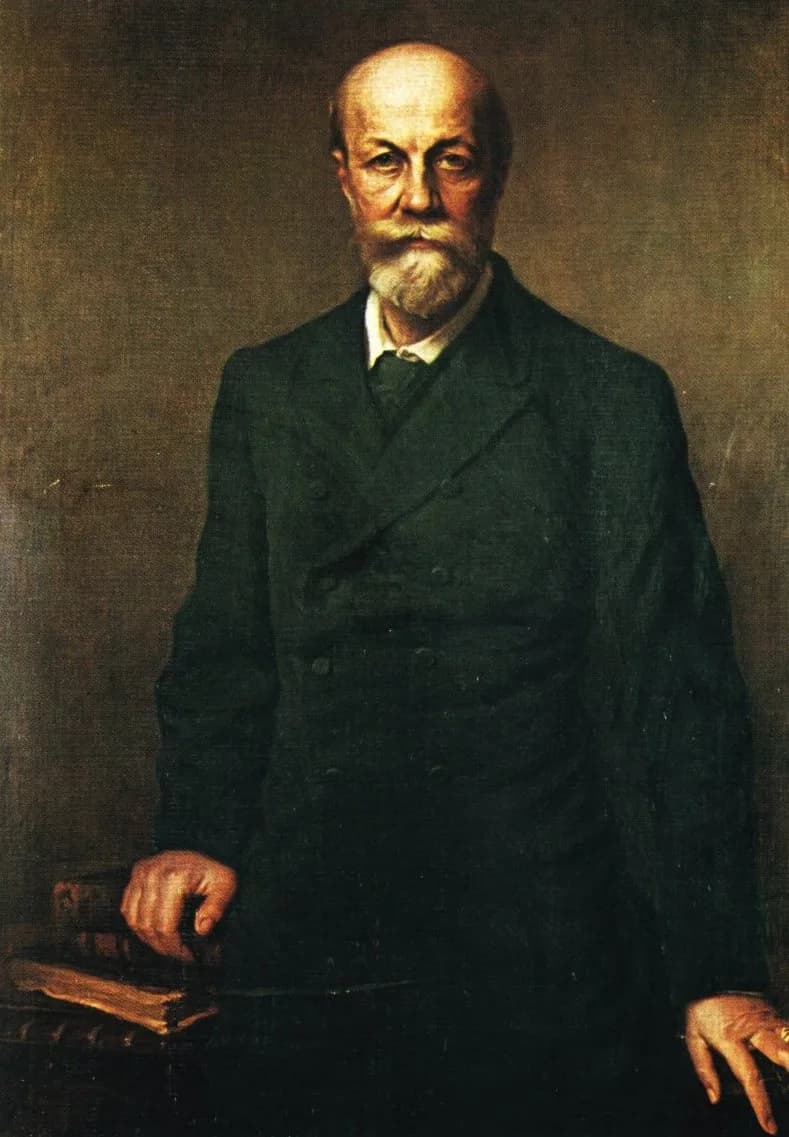
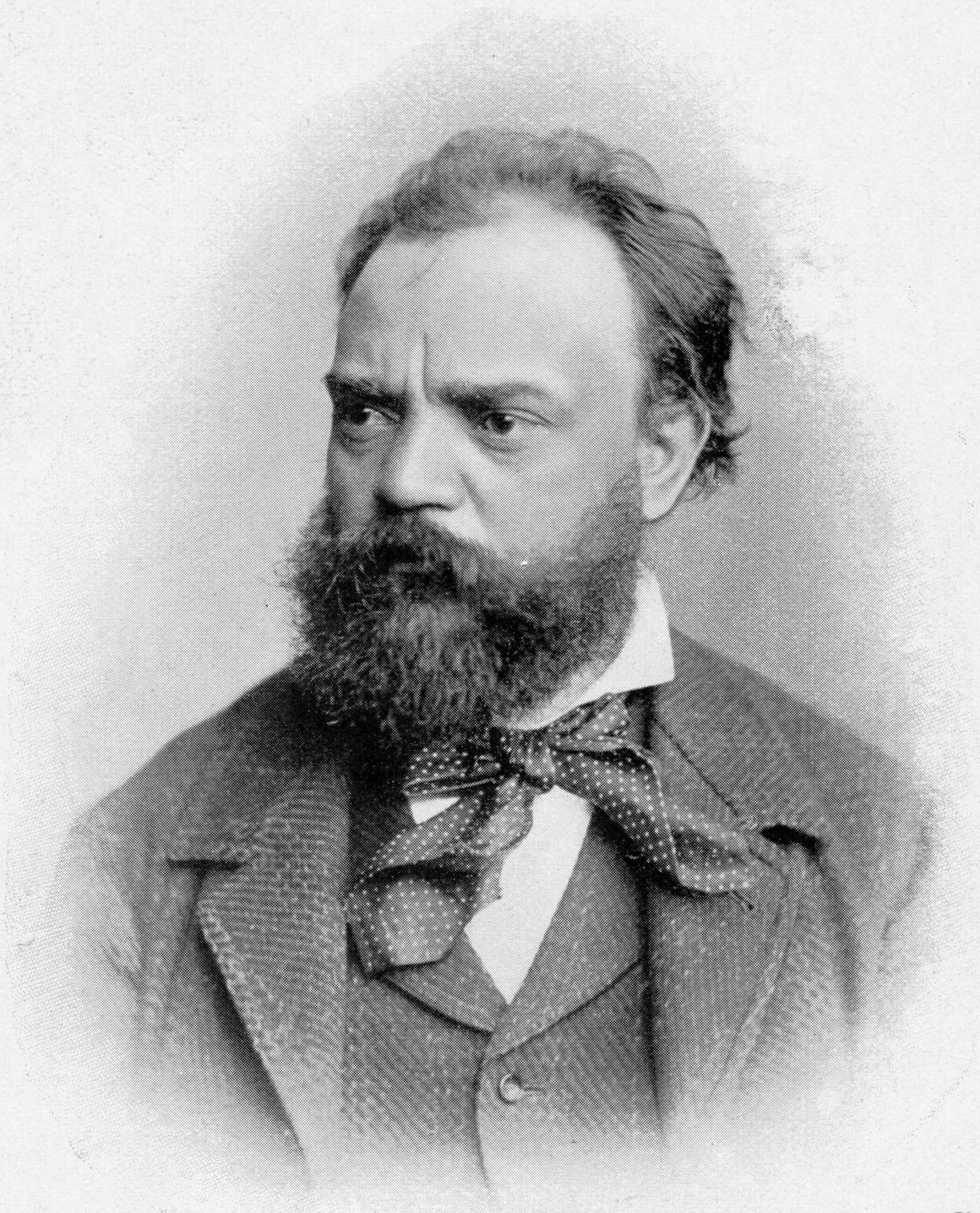
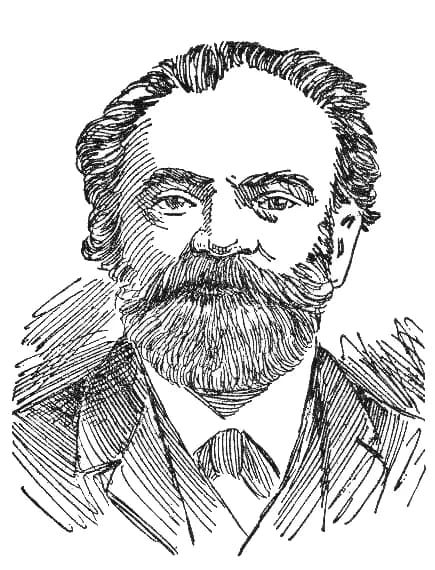
Antonín Dvořák (1841–1904) was Czech Republic best known for Czech composer.
Antonín Dvořák (September 8, 1841 – May 1, 1904) was a Czech composer known for integrating the folk music of Moravia and Bohemia into his classical works. He was arguably the most versatile composer of his time, creating a unique synthesis of national idiom and symphonic tradition. His influential works, like Symphony No. 9 “New World,” continue to be celebrated worldwide.
Bizitza uneetan
Bizitza moldatu zuten uneak
0 kapitulua
Bizitzako kapituluak
1 kapitulua · 1841· 1. kapitulua 7tik
Early Life and Origins
Born on September 8, 1841, in the village of Nelahozeves in the Czech Republic, Antonín Dvořák’s early life was steeped in the cultural vibrancy of his native Bohemia. This formative environment provided a strong connection to the folk traditions and sounds that would later become a defining characteristic of his musical style. His upbringing laid the foundation for his distinct approach to composition, influencing his later ability to weave traditional melodies into sophisticated symphonic structures.
2 kapitulua· 2. kapitulua 7tik
Career Beginnings
Dvořák's musical journey began with a mastery of various instruments, including the violin, viola, piano, and organ, showcasing his early virtuosity. These foundational skills as a pianist, organist, violinist, and violist directly contributed to his development as a conductor and, crucially, as a composer. He meticulously absorbed the influences of his predecessors, such as Bedřich Smetana, who pioneered the nationalist movement in Czech classical music, providing a clear path for Dvořák to follow and expand upon.
3 kapitulua· 3. kapitulua 7tik
Major Achievements and Career Highlights
Antonín Dvořák’s career was marked by significant achievements, earning him recognition as one of the most versatile composers of his era. He successfully synthesized a national idiom with the symphonic tradition, absorbing folk influences from Moravia and Bohemia and finding effective ways to use them in his work. This unique approach led to a style described as "the fullest recreation of a national idiom with that of the symphonic tradition," highlighting his masterful blend of local flavor with universal classical forms.
As a professor and music educator, Dvořák also influenced generations of musicians, sharing his deep understanding of composition and musical theory. His conducting work further solidified his reputation, allowing him to present his and others' works with his distinctive interpretation. These various roles underscore his reputation as a truly multi-talented figure in the world of classical music.
4 kapitulua· 4. kapitulua 7tik
Personal Life
Antonín Dvořák's personal journey was intrinsically linked to his Czech heritage, which deeply colored his artistic output. His roots in Nelahozeves instilled in him a profound connection to the rhythms and melodies of his homeland. This connection was not merely a stylistic choice but a personal expression of his identity, allowing him to create music that was both deeply personal and universally resonant, reflecting the spirit of his people.
5 kapitulua· 5. kapitulua 7tik
Notable Works or Contributions
Dvořák’s extensive discography showcases his incredible range, spanning classical, concerto, opera, orchestral, romantic classical, and symphony genres. Among his most celebrated contributions are the iconic Symphony No. 9 “New World,” which stands as a testament to his inventive orchestral writing and melodic genius. His Symphony No. 8 also remains a beloved work, demonstrating his lyrical prowess and command of symphonic form.
Other significant compositions include "The Noonday Witch," op. 108, a powerful tone poem, and the Carnival Overture Op. 92, known for its vibrant energy. His chamber music, such as Streichquartette Nr. 12 F-dur "American" and Nr. 14 As-dur, further exemplifies his ability to infuse intricate classical structures with folk-inspired melodies. These works, along with countless others, cemented his place as a master storyteller through music, often employing rhythms and other aspects of Moravian and Bohemian folk music.
6 kapitulua · 1904· 6. kapitulua 7tik
Later Years
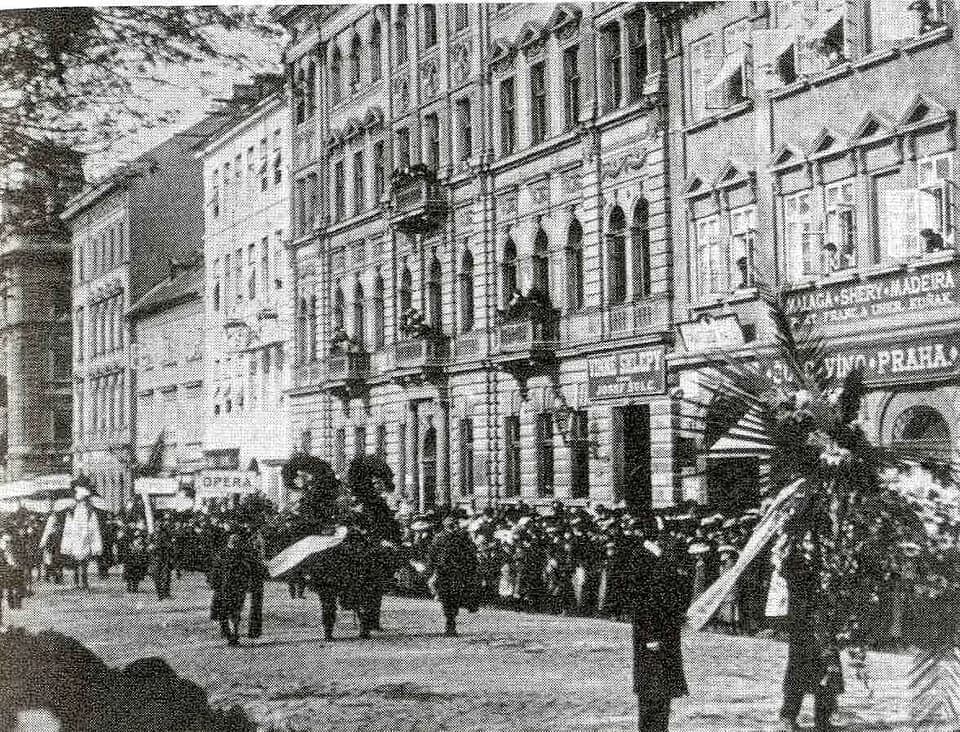
Antonín Dvořák continued to compose, teach, and conduct throughout his later years, maintaining his profound engagement with the musical world. His creative output remained strong, producing works that further explored and refined his unique blend of nationalistic fervor and classical elegance. He passed away on May 1, 1904, in Prague, Czech Republic, leaving behind an unparalleled body of work that continues to be performed and cherished globally.
7 kapitulua· 7. kapitulua 7tik
Legacy and Impact
The legacy of Antonín Dvořák is immense, firmly establishing him as a towering figure in classical music history. He expanded the scope of the symphonic tradition by authentically integrating the folk music of his native Bohemia and Moravia, inspiring countless composers who followed. His contributions redefined what a "national idiom" could achieve within classical forms, proving that local sounds could transcend geographical boundaries and speak to a global audience.
Dvořák's music is cherished for its beauty, emotional depth, and technical brilliance, ensuring his continued prominence in concert halls and recordings. His role as a composer, teacher, and conductor solidified his status as an essential figure in the Romantic era, whose influence on Czech music and the wider classical repertoire remains profound and enduring.
Ohiko galderak
Maiz egindako galderak
Noiz hil zen Antonín Dvořák?
Antonín Dvořák 1904(e)ko maiatzaren 1(a) hil zen Prague, Czech Republic-n, 62 urte zituela.
Non jaio zen Antonín Dvořák?
Antonín Dvořák Nelahozeves, Czech Republic-n jaio zen 1841(e)ko irailaren 8(a).
Zertarako da ezagunena Antonín Dvořák?
Antonín Dvořák ezagunena da Czech composer-rengatik.
Zenbat urte zituen Antonín Dvořák-k hil zenean?
Antonín Dvořák-k 62 urte zituen hil zenean.
Zer nazionalitatekoa zen Antonín Dvořák?
Antonín Dvořák Czech Republic-koa zen.
Denbora-lerroa
Bizitza begirada batean
Argazki galeria
Bizitza iruditan
Egin klik edozein polaroidetan handitzeko · 23 argazki
QR kodea
Partekatu Biografia Hau
Inprimatu eta partekatu
Eskaneatu biografia orri hau bisitatzeko. Inprimatu ekitaldi, erakusketa edo hezkuntza materialetarako.