Jaioa
October 2, 1907
Glasgow, United Kingdom
Hila
January 10, 1997
Cambridge, United Kingdom
Ezaugarriak
British biochemist
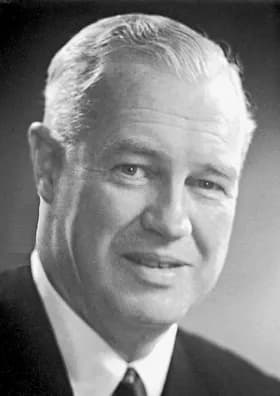
Alexander R. Todd, Baron Todd (1907–1997) was United Kingdom best known for British biochemist.
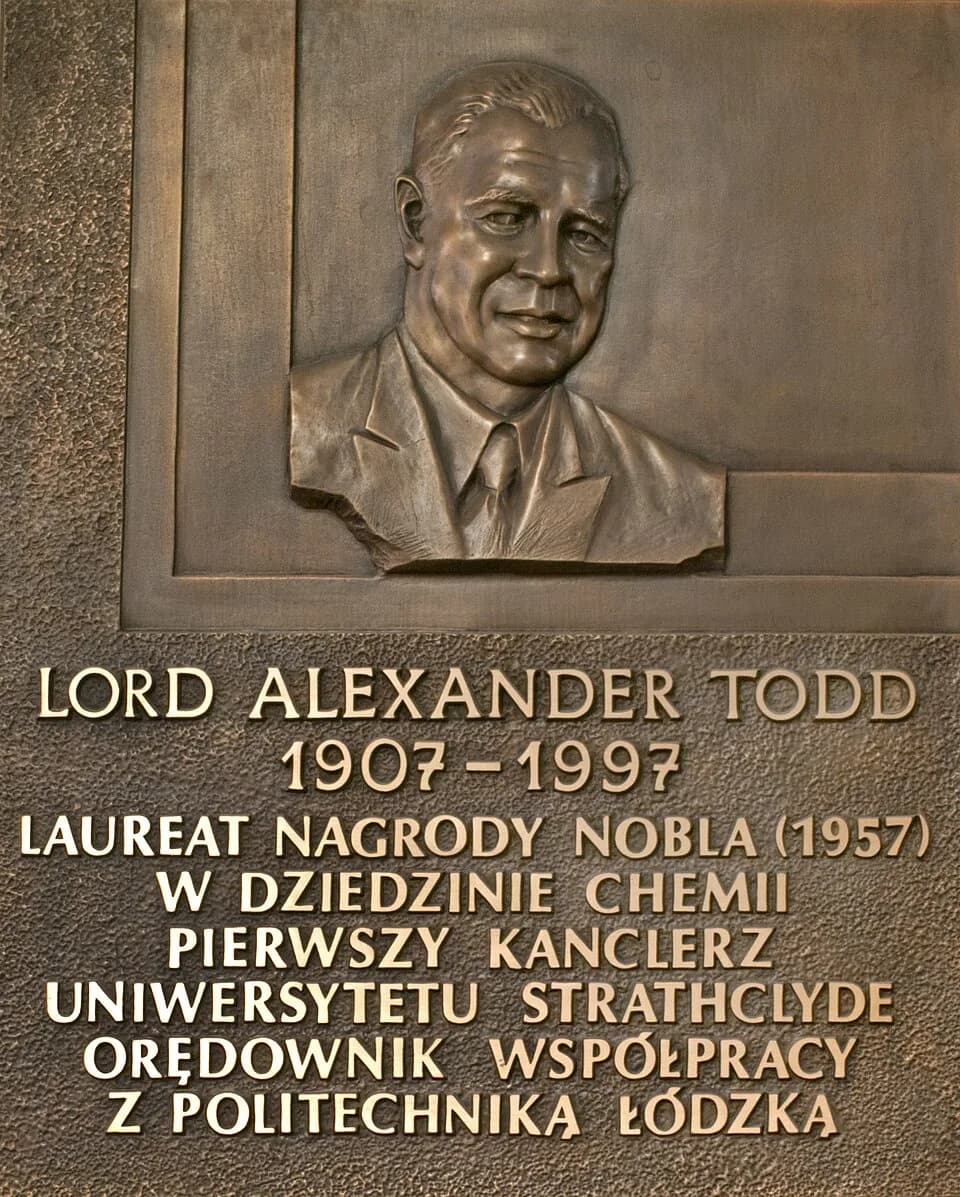
Alexander R. Todd, Baron Todd (October 2, 1907 – January 10, 1997) was a British biochemist from Glasgow, United Kingdom. He was awarded the Nobel Prize for Chemistry in 1957 for his crucial research on the structure and synthesis of nucleotides and related compounds. His work significantly advanced understanding in biochemistry.
0 kapitulua
Bizitzako kapituluak
1 kapitulua · 1907· 1. kapitulua 8tik
Remembering Alexander R. Todd, Baron Todd
Alexander Robertus Todd, Baron Todd (October 2, 1907 – January 10, 1997) was a distinguished British biochemist whose significant contributions shaped the understanding of molecular biology. His rigorous research into the intricate structures and synthesis pathways of vital biological molecules earned him global acclaim. He fundamentally advanced the field of biochemistry, leaving an enduring legacy of scientific discovery.
2 kapitulua · 1907· 2. kapitulua 8tik
Early Life and Origins
Born in Glasgow, United Kingdom, on October 2, 1907, Alexander R. Todd's early life was spent amidst the vibrant intellectual environment of Scotland. His foundational education instilled in him a deep curiosity for the natural sciences, particularly chemistry. This period in Glasgow proved instrumental in cultivating the analytical skills that would define his remarkable career.
3 kapitulua· 3. kapitulua 8tik
Career Beginnings
Todd embarked on a multifaceted professional journey, beginning his career as a university teacher, sharing his growing expertise with students. He seamlessly combined his role as an educator with intensive scientific investigation. This dual commitment to teaching and research quickly established him as a prominent figure in the scientific community.
4 kapitulua · 1957· 4. kapitulua 8tik
Major Achievements and Career Highlights
The culmination of Todd's scientific efforts arrived in 1957 when he was rightfully awarded the Nobel Prize for Chemistry. This prestigious international recognition celebrated his discoveries concerning the structure and synthesis of nucleotides, nucleosides, and nucleotide coenzymes. His innovative work provided critical insights into the fundamental chemistry of life itself.
5 kapitulua· 5. kapitulua 8tik
Personal Life
While Alexander R. Todd was a prominent public figure due to his scientific and political roles, details of his personal life were largely kept private. He was known for his dedication to his academic pursuits and his contributions to scientific discourse. His public persona primarily reflected his intellectual achievements and unwavering commitment to research.
6 kapitulua· 6. kapitulua 8tik
Notable Works or Contributions
Todd's most significant scientific works centered on the elucidation of nucleotides and nucleosides, which serve as the essential building blocks of genetic material like DNA and RNA. His methodical research clarified their complex chemical structures and developed methods for their synthesis. Furthermore, his investigations extended to nucleotide coenzymes, vital molecules facilitating numerous biochemical reactions throughout living systems.
7 kapitulua · 1997· 7. kapitulua 8tik
Later Years
Beyond his seminal scientific contributions, Alexander R. Todd also embraced roles as a politician, physicist, and chemist, showcasing the breadth of his intellect. He continued to serve as a revered university teacher until his passing in Cambridge, United Kingdom, on January 10, 1997. His diverse professional engagements highlighted a career dedicated to both scientific advancement and public service.
8 kapitulua· 8. kapitulua 8tik
Legacy and Impact
Alexander R. Todd's pioneering research irrevocably transformed the field of biochemistry and molecular biology. By deciphering the chemistry of nucleic acids and their components, he provided an indispensable foundation for later breakthroughs in genetics and biotechnology. His intellectual contributions continue to inspire generations of scientists and educators worldwide, ensuring his lasting influence on modern science.
Bizitza uneetan
Bizitza moldatu zuten uneak

Ohiko galderak
Maiz egindako galderak
Noiz hil zen Alexander R. Todd, Baron Todd?
Alexander R. Todd, Baron Todd 1997(e)ko urtarrilaren 10(a) hil zen Cambridge, United Kingdom-n, 89 urte zituela.
Non jaio zen Alexander R. Todd, Baron Todd?
Alexander R. Todd, Baron Todd Glasgow, United Kingdom-n jaio zen 1907(e)ko urriaren 2(a).
Zertarako da ezagunena Alexander R. Todd, Baron Todd?
Alexander R. Todd, Baron Todd ezagunena da British biochemist-rengatik.
Zenbat urte zituen Alexander R. Todd, Baron Todd-k hil zenean?
Alexander R. Todd, Baron Todd-k 89 urte zituen hil zenean.
Zer nazionalitatekoa zen Alexander R. Todd, Baron Todd?
Alexander R. Todd, Baron Todd United Kingdom-koa zen.
Denbora-lerroa
Bizitza begirada batean
Argazki galeria
Bizitza iruditan
Egin klik edozein polaroidetan handitzeko · 34 argazki
QR kodea
Partekatu Biografia Hau
Inprimatu eta partekatu
Eskaneatu biografia orri hau bisitatzeko. Inprimatu ekitaldi, erakusketa edo hezkuntza materialetarako.