Sündinud
July 24, 1895
Wimbledon, United Kingdom
Surnud
December 7, 1985
Deià, Spain
Tuntud kui
English poet and novelist
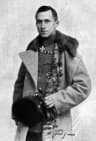
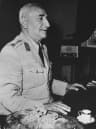
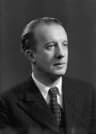
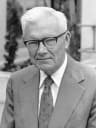
Robert Graves (1895–1985) was United Kingdom best known for English poet and novelist.
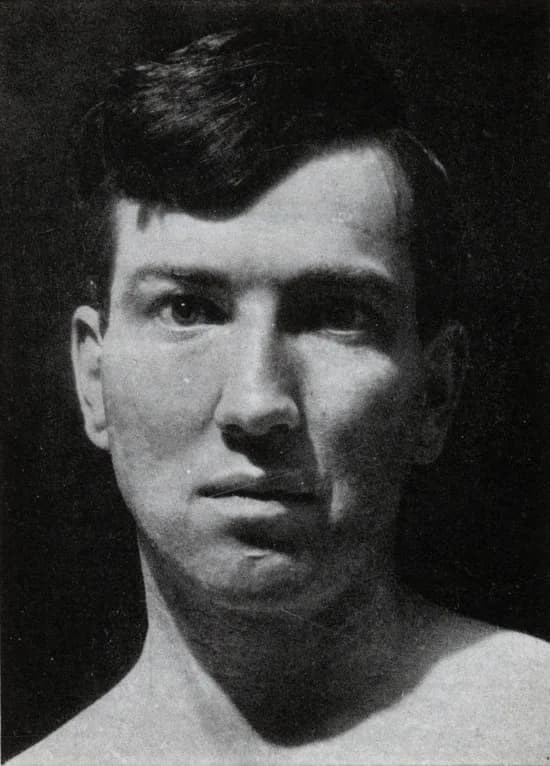
Robert Graves (July 24, 1895 – December 7, 1985) was an English poet and novelist from Wimbledon, United Kingdom. He was known for his extensive contributions to literature, particularly in historical fiction and mythology. Graves's work continues to be highly regarded for its blend of scholarly depth and creative imagination.
Peatükk
Elu peatükid
Peatükk 1 · 1895· Peatükk 1 / 7
Early Life and Origins
Robert Graves was born in Wimbledon, United Kingdom, on July 24, 1895. His heritage included a strong literary background through his father, Alfred Perceval Graves. Alfred was a celebrated Irish poet and an important figure in the Gaelic revival. Both Robert and his father were dedicated Celticists and deep students of Irish mythology, reflecting a shared intellectual curiosity that shaped his early worldview.
Peatükk 2· Peatükk 2 / 7
Career Beginnings
Graves began his professional life as military personnel, an experience that would later inform and influence much of his writing. Following his military service, he transitioned into the world of letters with great dedication. His early work quickly established him as a potent and original voice in English literature, setting the stage for a remarkably diverse and influential literary career.
Peatükk 3· Peatükk 3 / 7
Major Achievements and Career Highlights
Throughout his long and productive career, Robert Graves was recognized primarily as an English poet and novelist. However, his talents extended across many literary forms, as he also excelled as a playwright, translator, and literary critic. His intellectual versatility allowed him to explore roles as a science fiction writer and a mythographer, showcasing a wide range of intellectual pursuits. He even worked as a university teacher, sharing his knowledge and insights with younger generations of aspiring writers and scholars.
Peatükk 4· Peatükk 4 / 7
Personal Life
Robert Graves's personal life was deeply intertwined with his literary heritage through his father, Alfred Perceval Graves. Their shared interest in Celticism and Irish mythology formed a unique intellectual bond. While specific details about other family relationships or private interests are not extensively provided, his published works often reflected a deep personal engagement with history and ancient myths.
Peatükk 5· Peatükk 5 / 7
Notable Works or Contributions
Robert Graves created a vast and impactful bibliography that spanned multiple genres and captivated readers worldwide. Among his most celebrated novels is "Claudius the god," a masterpiece of historical fiction known for its intricate detail and psychological depth. He also penned "Goodbye to all that," an autobiographical account offering poignant insights into his early life and his experiences during wartime, which remains a significant literary document.
His profound exploration of ancient cultures is particularly evident in "Greek myths" and "Iudeǐskie mify," where he rigorously examined the foundations of classical storytelling and religious beliefs. Graves also brought to life historical narratives such as "The story of Marie Powell" and contributed significantly to the understanding of Arthurian legend with his interpretation of "Sir Thomas Malory's Le morte d'Arthur." Other notable titles from his extensive oeuvre include "No more ghosts," "Heroic War Stories," and "Homer's daughter," further demonstrating his diverse literary output and intellectual reach. He also wrote "ha-Elah ha-levanah", showcasing his expansive interests across different mythologies and cultures.
Beyond his prolific writing, Graves was also a screenwriter, contributing his narrative talents to films such as "Blonde Venus" (1932), "Scratch-As-Catch-Can" (1932), "Hoi Polloi" (1935), and "Midnight" (1939). These varied roles showcased his ability to adapt his storytelling prowess to different artistic media. He also served as a theatre critic, further engaging with and contributing to the cultural scene of his time.
Peatükk 6 · 1985· Peatükk 6 / 7
Later Years
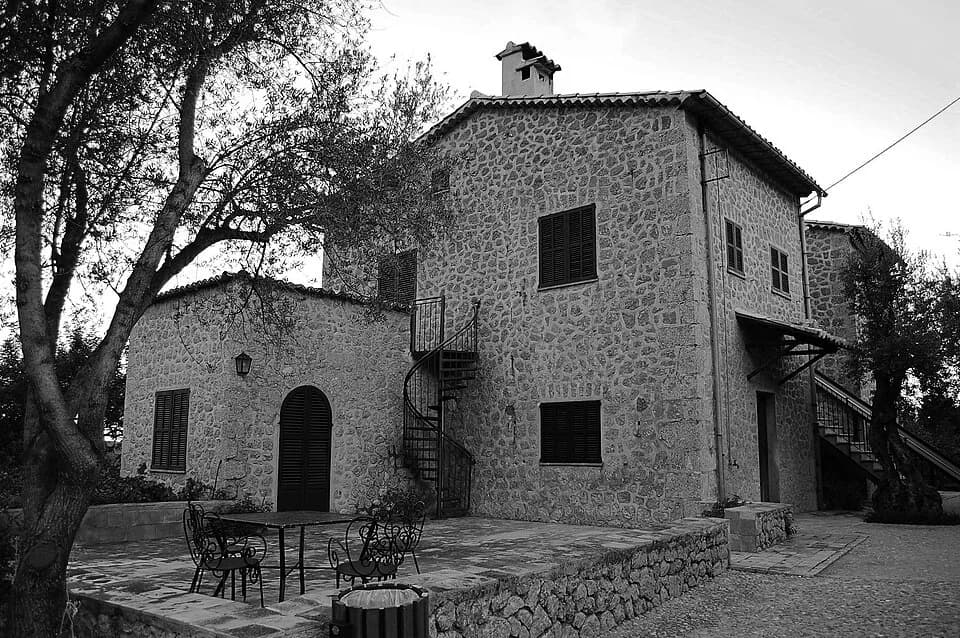
Robert Graves spent his final years residing in Deià, Spain, a place that became synonymous with his later creative period. He passed away there on December 7, 1985, at the age of 90. His exceptionally long life was dedicated to a continuous exploration of literature, poetry, and mythology. Even in his later years, his intellectual curiosity and profound creative drive remained undiminished, ensuring a steady stream of publications and critical engagement.
Peatükk 7· Peatükk 7 / 7
Legacy and Impact
Robert Graves's legacy as an English poet and novelist is enduring and widely recognized, marked by his distinctive voice, lyrical precision, and scholarly approach to myth and history. His extensive body of work continues to influence scholars, poets, and writers interested in historical fiction, classical studies, and the profound power of poetic forms. He remains a significant and respected figure in 20th-century literature, remembered for his unique blend of imaginative creativity and rigorous intellectual inquiry.
Elu hetkedes
Hetked, mis elu kujundasid
![Robert Graves - Illustration for The year's at the spring; an anthology of recent poetry ([1920]) New York, Brentano's](/_next/image?url=https%3A%2F%2Fcdn.whowasthisguy.com%2Fgallery_wikimedia_commons_1777982884372_5_971cb44731.webp&w=1920&q=75)
KKK
Korduma kippuvad küsimused
Millal Robert Graves suri?
Robert Graves suri 7. detsember 1985 Deià, Spain-s, 90-aastasena.
Kus Robert Graves sündis?
Robert Graves sündis Wimbledon, United Kingdom-s 24. juuli 1895.
Mille poolest on Robert Graves kõige tuntum?
Robert Graves on kõige tuntum English poet and novelist poolest.
Kui vana oli Robert Graves surres?
Robert Graves oli surres 90-aastane.
Mis rahvusest oli Robert Graves?
Robert Graves oli pärit United Kingdom-st.
Ajajoon
Elu lühidalt
Fotogalerii
Elu piltides
Klõpsake mis tahes polaroidil laiendamiseks · 43 fotot
QR-kood
Jaga seda biograafiat
Prindi ja jaga
Skannige selle biograafialehe külastamiseks. Printige üritusteks, näitusteks või õppematerjalideks.