Sündinud
August 20, 1944
Mumbai, India
Surnud
May 21, 1991
Sriperumbudur, India
Tuntud kui
Prime Minister of India
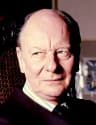
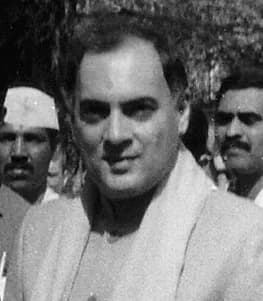
Rajiv Gandhi (1944–1991) was India best known for Prime Minister of India.
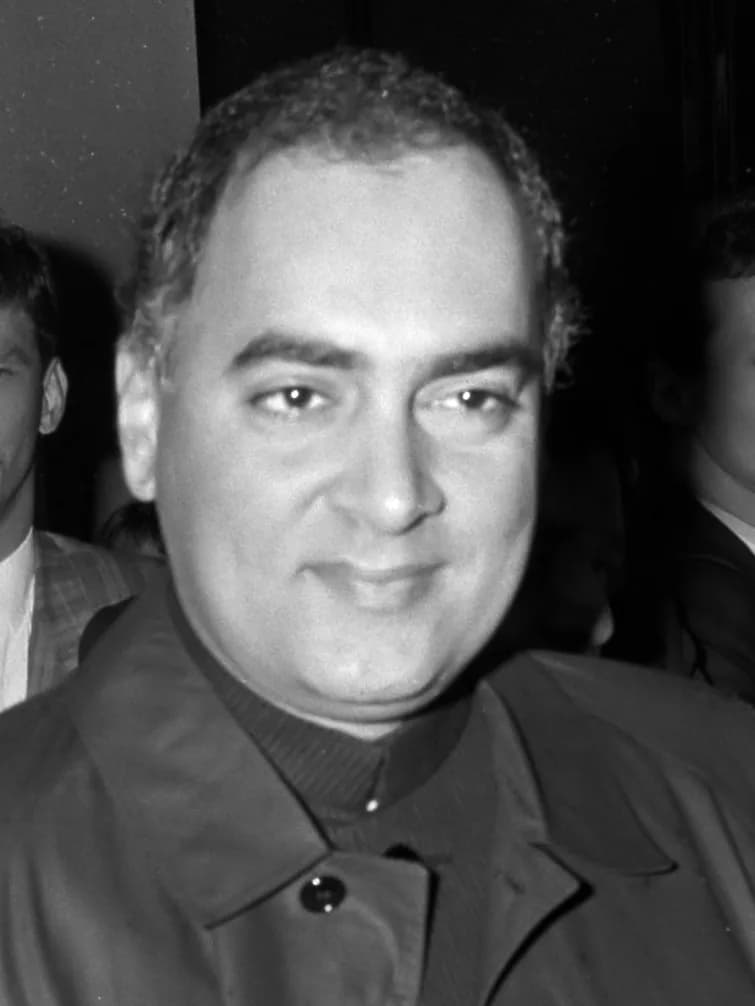
Rajiv Ratna Gandhi (August 20, 1944 – May 21, 1991) was an Indian politician and pilot. He served as Prime Minister of India from 1984 to 1989, becoming the youngest person to hold the office. His tenure focused on modernization and navigating critical national challenges.
Peatükk
Elu peatükid
Peatükk 1 · 1944· Peatükk 1 / 7
Early Life and Origins
Rajiv Ratna Gandhi was born on August 20, 1944, in Mumbai, India. His lineage connected him directly to the heart of India's political establishment, as he was the son of Indira Gandhi, who herself would later become Prime Minister. Growing up, he was part of a family deeply involved in India's independence movement and subsequent governance, though his initial interests lay outside direct politics.
Peatükk 2 · 1984· Peatükk 2 / 7
Career Beginnings
Prior to his entry into politics, Rajiv Gandhi pursued a career as a pilot, demonstrating a passion for aviation. His path took a dramatic turn following the tragic assassination of his mother, then-Prime Minister Indira Gandhi, in 1984. This profound national event compelled him to step into the political spotlight, taking on the mantle of leadership. He assumed the office of Prime Minister at the age of 40, thereby becoming the youngest person to lead India.
Peatükk 3 · 1984· Peatükk 3 / 7
Major Achievements and Career Highlights
Rajiv Gandhi served as Prime Minister of India for two terms, from 1984 until his defeat in the 1989 election. During his time in office, he initiated various policies aimed at modernizing India, particularly in the fields of telecommunications and technology. His leadership came at a time of considerable challenge for the nation, and he endeavored to navigate complex domestic and international issues.
Peatükk 4· Peatükk 4 / 7
Personal Life
While primarily known for his public service, Rajiv Gandhi's personal life was intertwined with his family's political legacy. He was the son of Indira Gandhi, a towering figure in Indian politics. His early professional life as a pilot reflected a personal interest distinct from the immediate political sphere, suggesting a man who, before his call to duty, valued a different kind of profession.
Peatükk 5· Peatükk 5 / 7
Notable Works or Contributions
As Prime Minister, Rajiv Gandhi’s contributions were primarily through his policy decisions and leadership during his five-year tenure. He worked towards streamlining the government and fostering economic development. His efforts as a leader contributed to shaping India’s direction in the late 20th century, particularly during a period of rapid global change.
Peatükk 6 · 1989· Peatükk 6 / 7
Later Years
Following his defeat in the 1989 general election, Rajiv Gandhi transitioned from Prime Minister to serve as the Leader of the Opposition in Lok Sabha. He continued to play an active role in Indian politics during this period. However, he resigned from his position as Leader of the Opposition in December 1990. Tragically, his life was cut short on May 21, 1991, when he was assassinated in Sriperumbudur, India, six months after resigning from his leadership role in the opposition.
Peatükk 7· Peatükk 7 / 7
Legacy and Impact
Rajiv Gandhi's legacy is defined by his unexpected ascent to power and his efforts to modernize India. As the youngest Prime Minister, he brought a new perspective to governance. His period in office saw significant attempts at reform, and his sudden death in Sriperumbudur left a lasting mark on the nation's political consciousness. He remains a figure whose political journey and contributions continue to be discussed in the context of India's post-independence history.
Elu hetkedes
Hetked, mis elu kujundasid

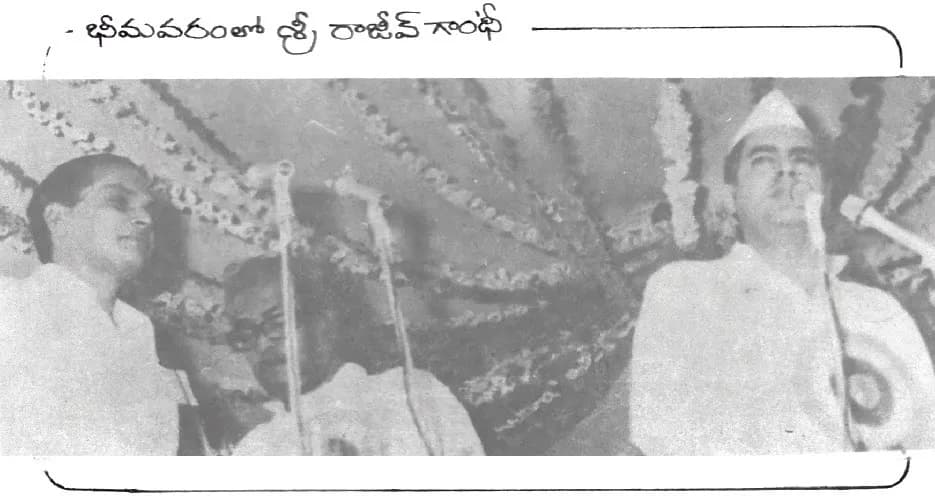
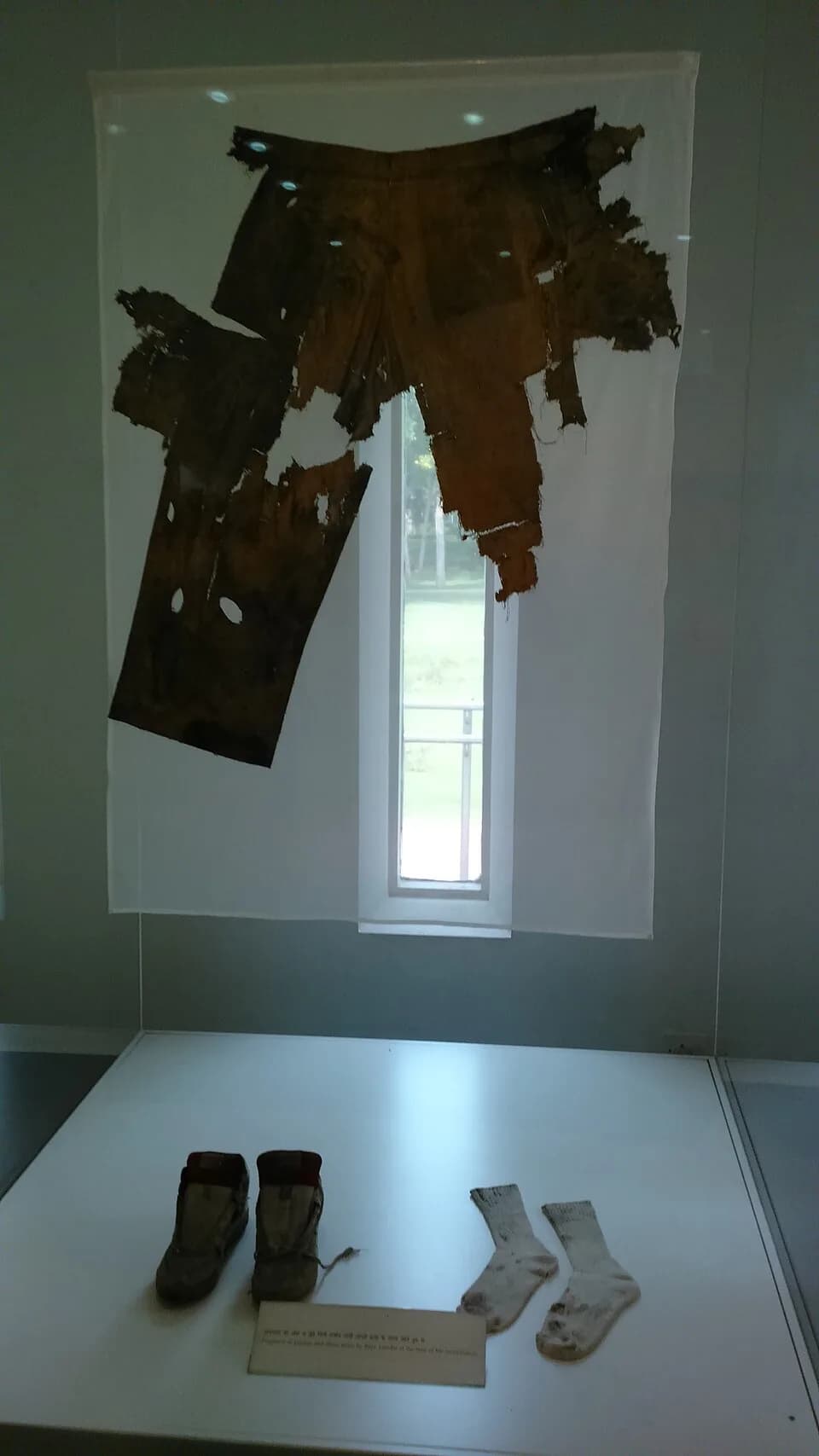
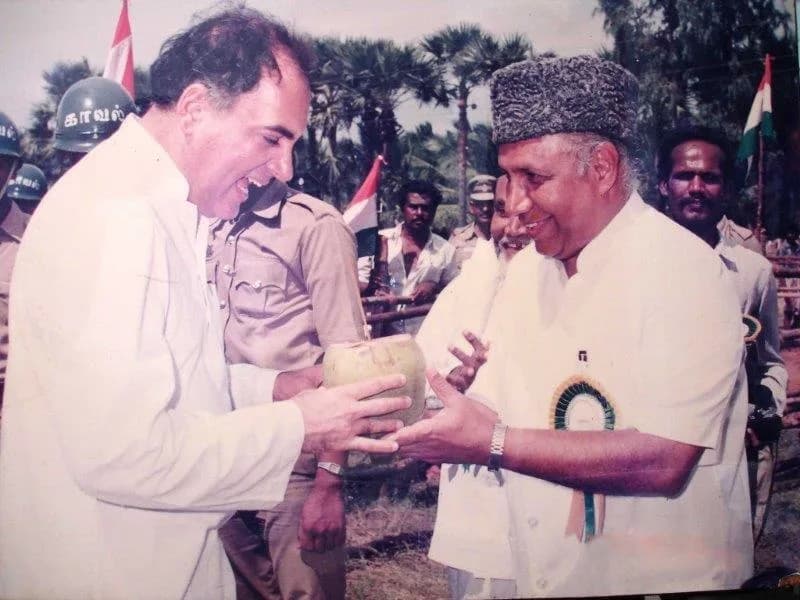
KKK
Korduma kippuvad küsimused
Millal Rajiv Gandhi suri?
Rajiv Gandhi suri 21. mai 1991 Sriperumbudur, India-s, 46-aastasena.
Kus Rajiv Gandhi sündis?
Rajiv Gandhi sündis Mumbai, India-s 20. august 1944.
Mille poolest on Rajiv Gandhi kõige tuntum?
Rajiv Gandhi on kõige tuntum Prime Minister of India poolest.
Kui vana oli Rajiv Gandhi surres?
Rajiv Gandhi oli surres 46-aastane.
Mis rahvusest oli Rajiv Gandhi?
Rajiv Gandhi oli pärit India-st.
Ajajoon
Elu lühidalt
Fotogalerii
Elu piltides
Klõpsake mis tahes polaroidil laiendamiseks · 43 fotot
QR-kood
Jaga seda biograafiat
Prindi ja jaga
Skannige selle biograafialehe külastamiseks. Printige üritusteks, näitusteks või õppematerjalideks.