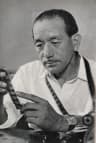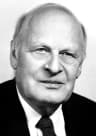
Sündinud
November 7, 1903
Vienna, Austria
Surnud
February 27, 1989
Vienna, Austria
Tuntud kui
Austrian zoologist, winner of the Nobel Prize in Physiology or Medicine in 1973
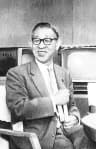
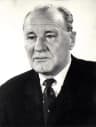
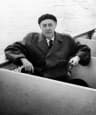
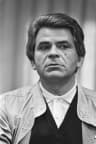
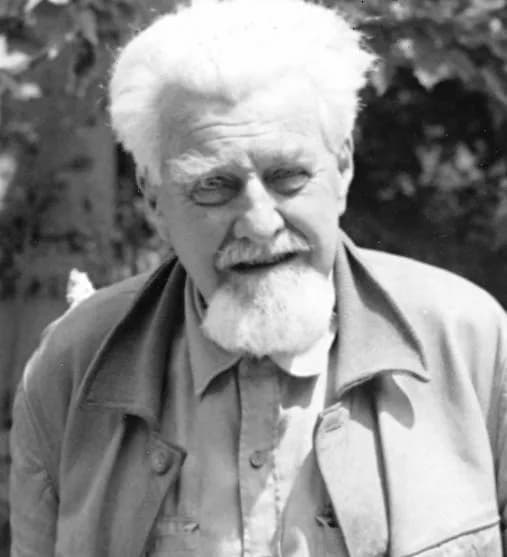
Konrad Lorenz (1903–1989) was Austria best known for Austrian zoologist, winner of the Nobel Prize in Physiology or Medicine in 1973.
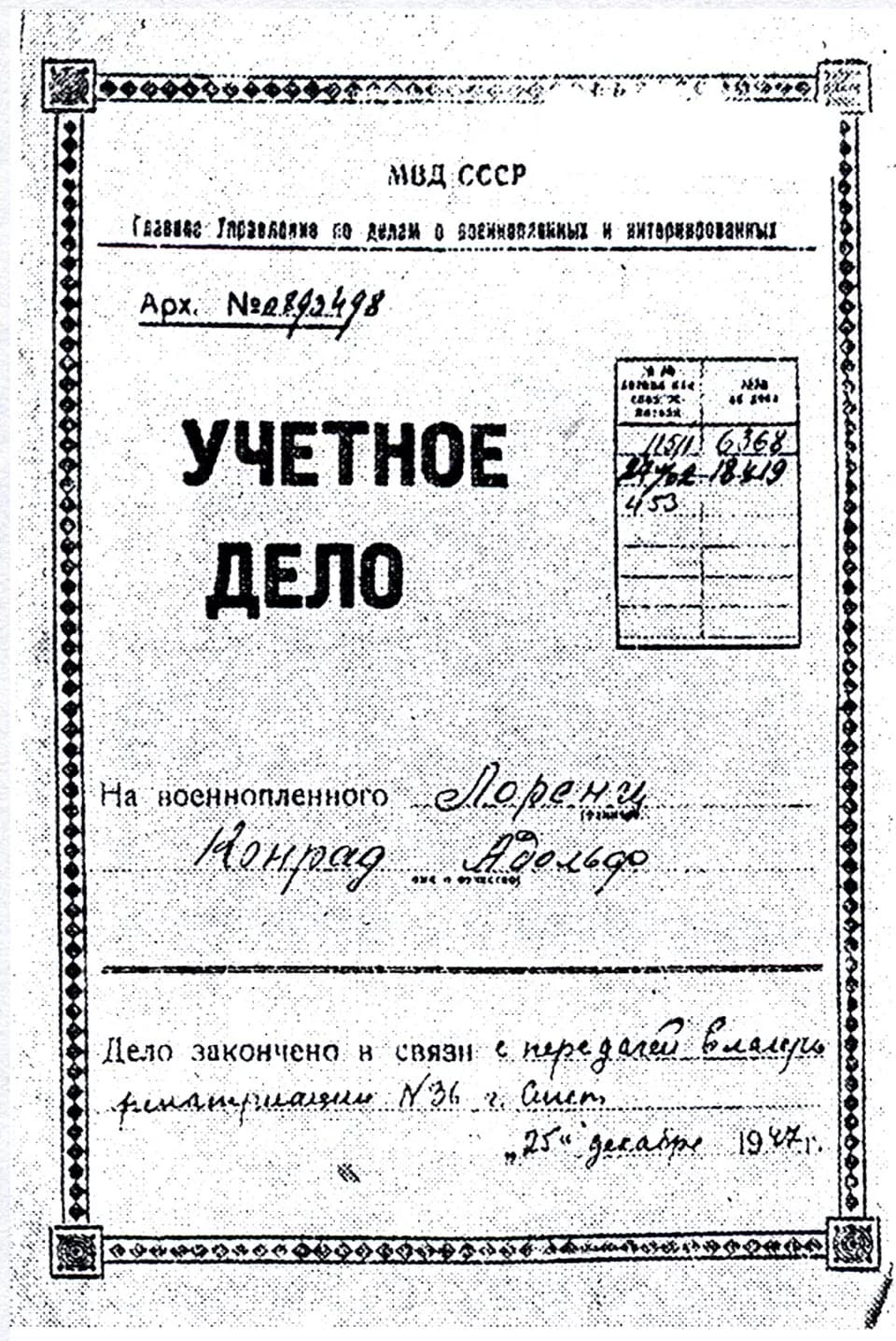
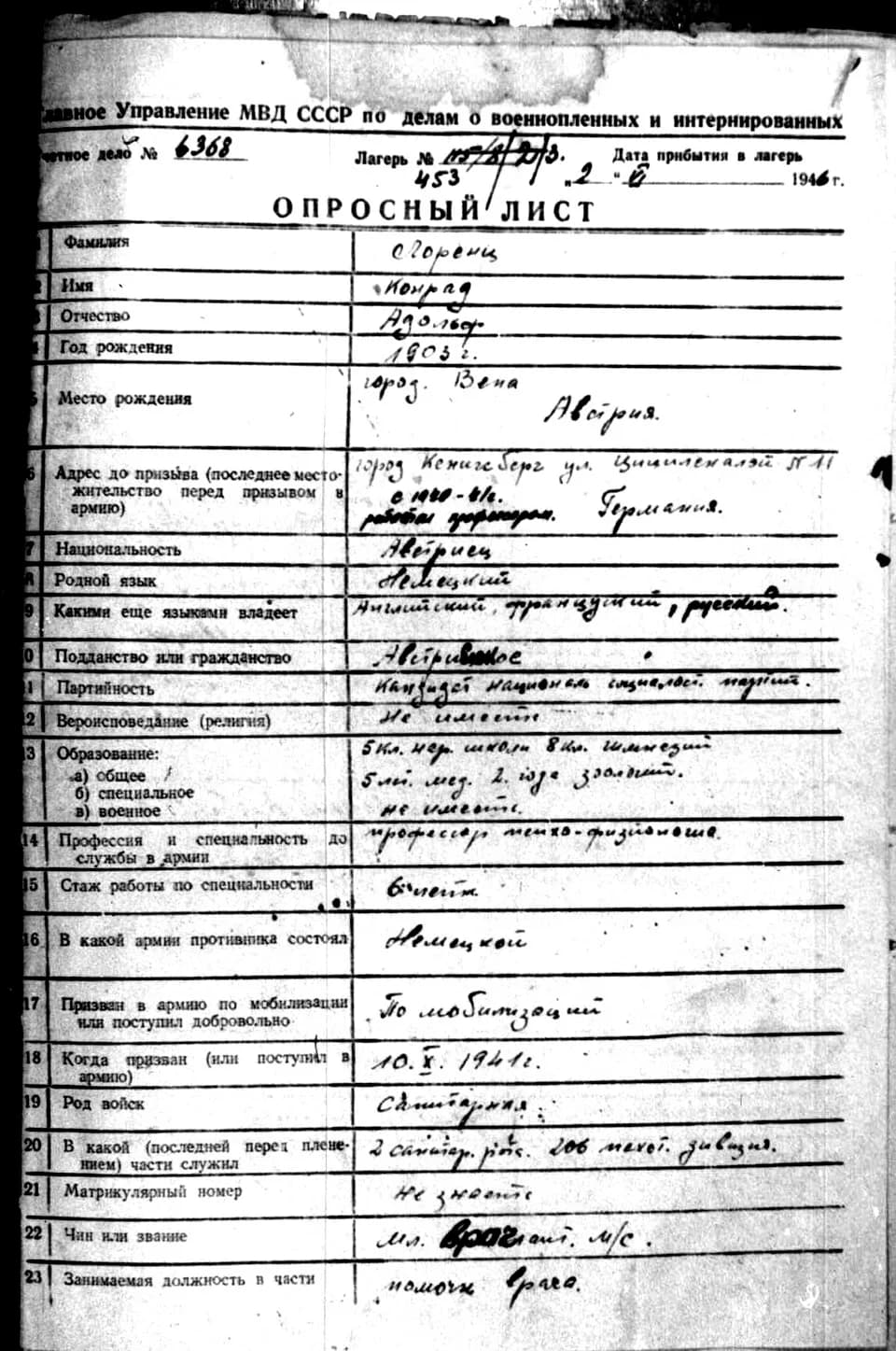
Konrad Zacharias Lorenz (November 7, 1903 – February 27, 1989) was an Austrian zoologist, ethologist, and Nobel laureate. He shared the 1973 Nobel Prize for his discoveries concerning individual and social behavior patterns. Lorenz is widely recognized as one of the founders of modern ethology, the study of animal behavior.
Peatükk
Elu peatükid
Peatükk 1 · 1903· Peatükk 1 / 7
Early Life and Origins
Konrad Lorenz began his life's journey in Vienna, Austria, on November 7, 1903. This vibrant city, rich in intellectual tradition, would also be the place of his passing many decades later. While specific details about his family and early upbringing are not provided, his later career demonstrates a deep, early engagement with the natural world and a keen scientific curiosity rooted in his Austrian origins.
Peatükk 2· Peatükk 2 / 7
Career Beginnings
Lorenz quickly established himself in the scientific community, becoming recognized as an Austrian zoologist, ethologist, and ornithologist. His early work built upon an earlier generation of scientists, notably including his teacher Oskar Heinroth. This foundational influence helped Lorenz develop the rigorous, observational approach that would become a hallmark of his career.
His diverse professions, including naturalist, physician, and psychologist, contributed to his broad perspective on living organisms. He was particularly drawn to studying animals in their natural environments, laying the groundwork for what would become modern ethology.
Peatükk 3 · 1973· Peatükk 3 / 7
Major Achievements and Career Highlights
A crowning achievement in Konrad Lorenz's career was his sharing of the 1973 Nobel Prize in Physiology or Medicine. He received this prestigious award alongside Nikolaas Tinbergen and Karl von Frisch. Their collective recognition was for their discoveries concerning the organization and elicitation of individual and social behavior patterns in animals.
Lorenz is widely regarded as one of the principal founders of modern ethology, the systematic study of animal behavior. His innovative methodologies and conceptual frameworks transformed the understanding of instinct, imprinting, and aggression, shaping the scientific discourse for generations to come.
Peatükk 4· Peatükk 4 / 7
Personal Life
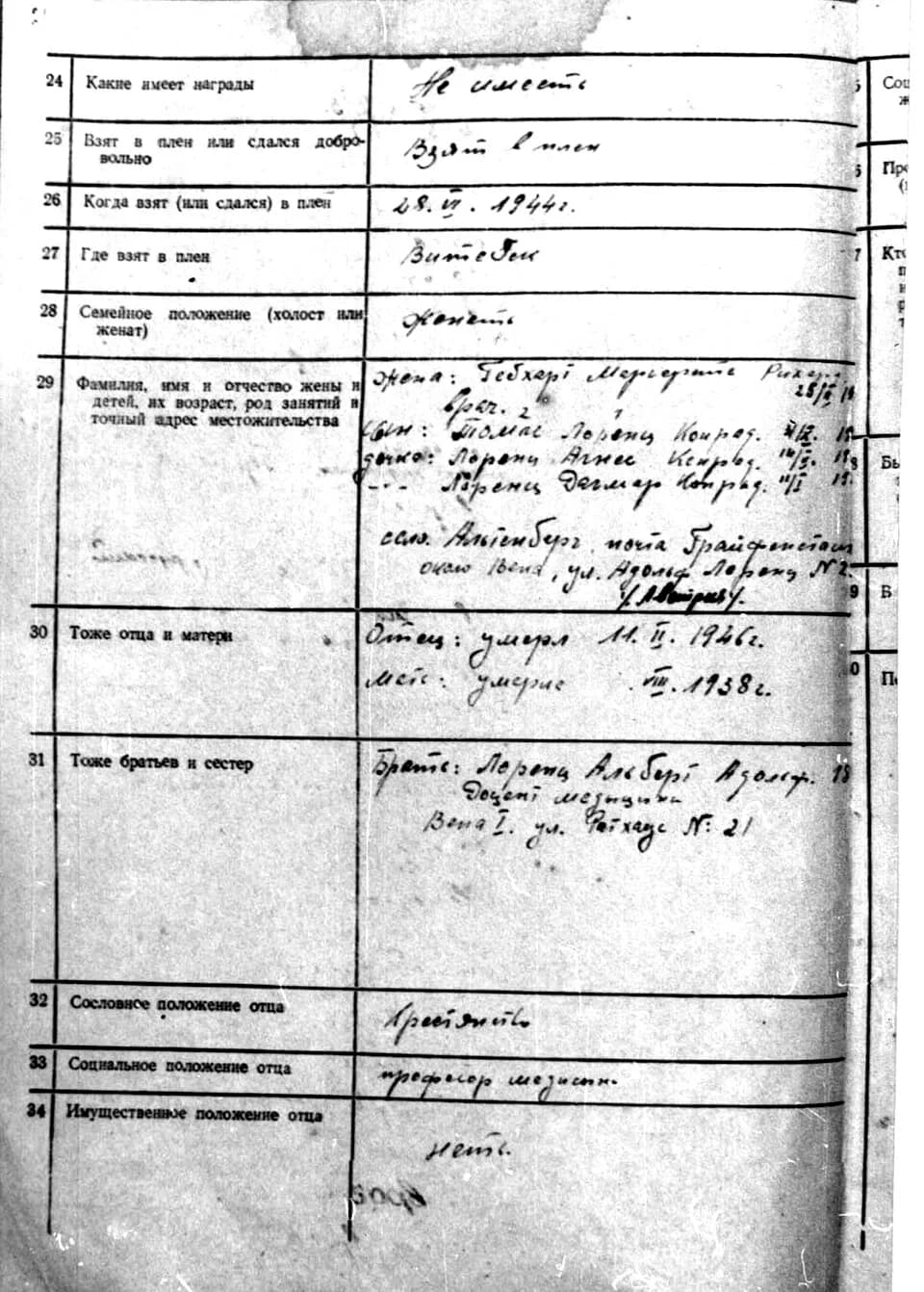
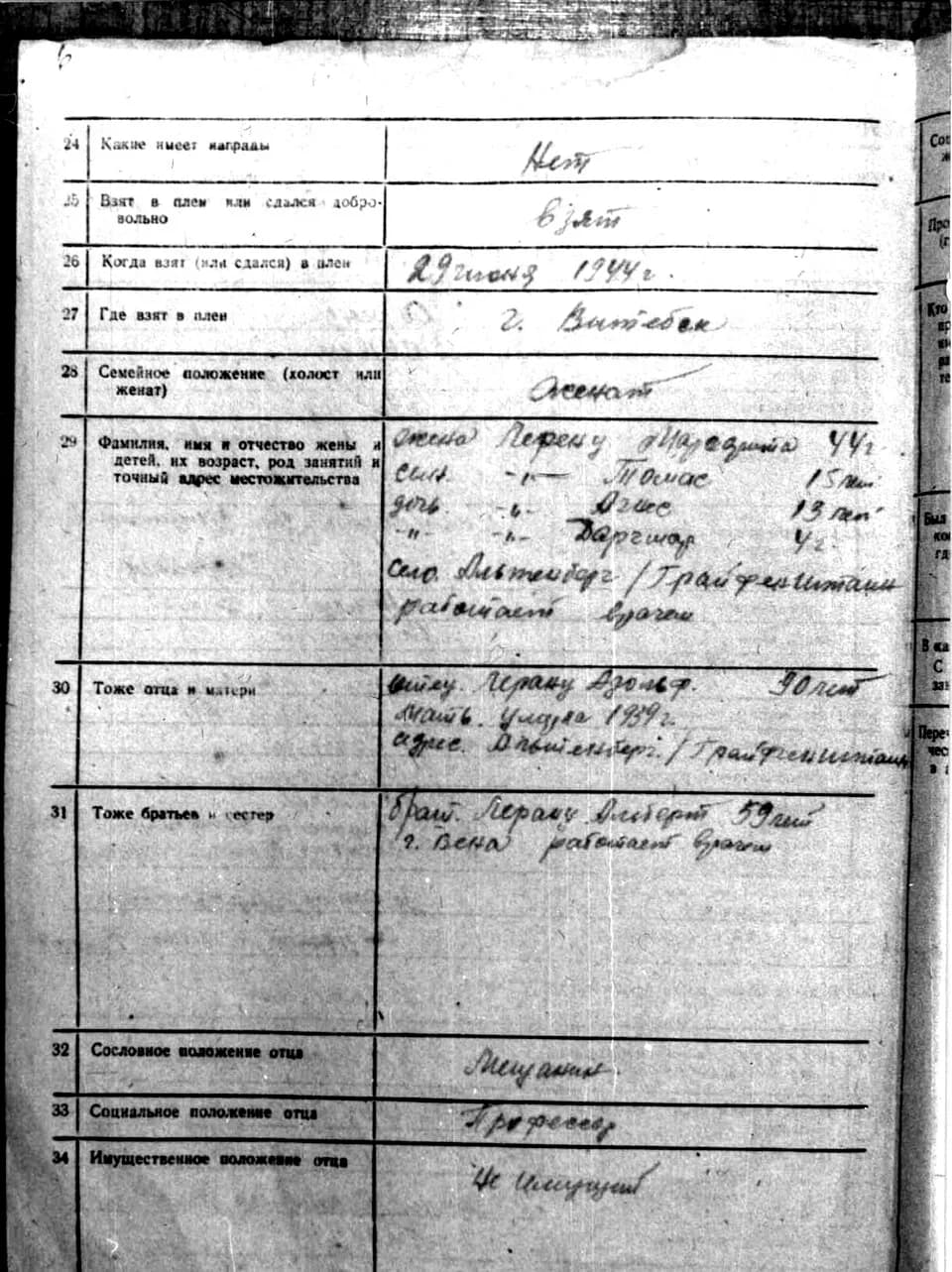
Konrad Lorenz spent the entirety of his life in his home country, born and dying in Vienna, Austria. While specific details about his family and personal interests beyond his scientific endeavors are not explicitly provided, his dedication to observing and understanding the natural world profoundly colored his existence.
Peatükk 5· Peatükk 5 / 7
Notable Works or Contributions
Throughout his prolific career, Lorenz authored numerous influential works that brought his scientific insights to both academic and public audiences. Among his most celebrated books are "King Solomon's Ring," published in English, and its German counterpart, "Ṭabaʻat ha-melekh Shelomoh," which offered accessible explorations of animal behavior.
Other significant contributions include "Man Meets Dog" (also known by its German title "So kamder mensch auf den Hund" and Hebrew "Ish ish ṿe-khalbo"), which delved into the human-animal bond, and the widely discussed "On Aggression" (or "Das sogenannte Böse"). His academic output was substantial, with an h-index of 25 from 75 papers, featuring top works like "Die angeborenen Formen möglicher Erfahrung" and "Beiträge zur Ethologie sozialer Corviden."
Peatükk 6 · 1989· Peatükk 6 / 7
Later Years
Konrad Lorenz continued his work and observations into his later life, leaving an enduring mark on his field. He passed away on February 27, 1989, in his native city of Vienna, Austria. His death marked the end of a long and distinguished career dedicated to unraveling the complexities of animal behavior.
Peatükk 7· Peatükk 7 / 7
Legacy and Impact
Konrad Lorenz's legacy as one of the founders of modern ethology is firmly established. His pioneering approach, which built upon the work of figures like Oskar Heinroth, fundamentally altered how scientists study animal behavior. The Nobel Prize acknowledged the depth and breadth of his discoveries regarding individual and social behavior patterns, which continue to inform research today.
His academic contributions, spanning 75 papers and reaching an h-index of 25, highlight the scholarly reach of his theories. Works such as "Über die Bildung des Instinktbegriffes" and "Taxis und Instinkthandlung in der Eirollbewegung der Graugans" remain cornerstones of ethological study, reflecting his lasting intellectual influence on biology, psychology, and philosophy.
Elu hetkedes
Hetked, mis elu kujundasid
KKK
Korduma kippuvad küsimused
Millal Konrad Lorenz suri?
Konrad Lorenz suri 27. veebruar 1989 Vienna, Austria-s, 85-aastasena.
Kus Konrad Lorenz sündis?
Konrad Lorenz sündis Vienna, Austria-s 7. november 1903.
Mille poolest on Konrad Lorenz kõige tuntum?
Konrad Lorenz on kõige tuntum Austrian zoologist, winner of the Nobel Prize in Physiology or Medicine in 1973 poolest.
Kui vana oli Konrad Lorenz surres?
Konrad Lorenz oli surres 85-aastane.
Mis rahvusest oli Konrad Lorenz?
Konrad Lorenz oli pärit Austria-st.
Ajajoon
Elu lühidalt
Fotogalerii
Elu piltides
Klõpsake mis tahes polaroidil laiendamiseks · 49 fotot
QR-kood
Jaga seda biograafiat
Prindi ja jaga
Skannige selle biograafialehe külastamiseks. Printige üritusteks, näitusteks või õppematerjalideks.