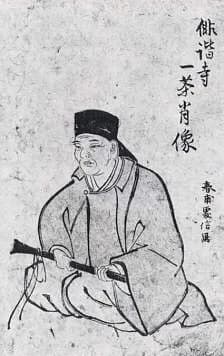
Sündinud
June 15, 1763
Kashiwabara, Japan
Surnud
January 5, 1828
Kashiwabara, Japan
Tuntud kui
Japanese writer
Kobayashi Issa (1763–1828) was Japan best known for Japanese writer.
Kobayashi Issa (June 15, 1763 – January 5, 1828) was a Japanese writer, poet, and haiku master. Known affectionately by his pen name Issa, he is celebrated as one of the "Great Four" haiku masters in Japan, recognized for his compassionate and observant poetry and journals. His works offer profound insights into the natural world and human experience.
Peatükk
Elu peatükid
Peatükk 1· Peatükk 1 / 7
Early Life and Origins
Born in the town of Kashiwabara, Japan, Kobayashi Issa's early life was rooted in the rural landscapes that would later inspire much of his poetry. Details of his family and early upbringing are largely gleaned from his works, which often reflect a deep connection to the natural world and its creatures. This intimate relationship with his surroundings shaped his unique poetic voice.
His formative years in Kashiwabara provided a foundational perspective on life, which he meticulously captured in his writing. The simple rhythms of rural Japan and the seasonal changes undoubtedly informed his artistic sensibilities. These early experiences nurtured the empathetic viewpoint that became a hallmark of his celebrated haiku.
Peatükk 2· Peatükk 2 / 7
Career Beginnings
Issa embarked on his literary path, developing his skills as a writer, poet, and even a painter. Although the precise timeline of his early career is complex, he dedicated himself to the art of poetry, especially the concise form of haiku. His dedication to this art form eventually led to widespread recognition.
He began to craft the distinctive style that would make him famous, blending humor, sadness, and a profound appreciation for life's small details. His early works laid the groundwork for the compassionate and accessible poetry he would become known for. This period marked the beginning of his journey as a significant voice in Japanese literature.
Peatükk 3· Peatükk 3 / 7
Major Achievements and Career Highlights
Kobayashi Issa earned his prominent place in literary history through his exceptional mastery of the haiku form. He is widely known simply as Issa, a pen name meaning "Cup-of-tea," which reflects a humble yet profound approach to his art. This adopted name became synonymous with a poetic style that connected deeply with readers.
His most significant achievement was being recognized as one of the four haiku masters in Japan, an esteemed group that includes Bashō, Buson, and Shiki. This honor solidifies his influence and enduring contribution to Japanese poetry. Issa's ability to capture universal truths within the strictures of seventeen syllables marked him as a true innovator.
Peatükk 4· Peatükk 4 / 7
Personal Life
While specific details about Kobayashi Issa's personal relationships are not extensively documented, his chosen pen name, Issa (一茶), offers insight into his character. Meaning "Cup-of-tea," the name suggests a preference for simplicity and an appreciation for the ordinary moments of life. This philosophical outlook is profoundly reflected in his poems.
The unassuming nature implied by his pen name resonates with the empathetic and often humble perspectives found in his literary works. It speaks to a man who found depth and beauty in the everyday, often championing the overlooked and vulnerable. This personal choice illuminates his poetic spirit.
Peatükk 5· Peatükk 5 / 7
Notable Works or Contributions
Issa's literary output includes a rich collection of haiku poems and journals that continue to be studied and admired today. Among his notable works are "Hoja de viaje," which translates to "Travel Journal," offering personal reflections and observations. Another significant piece is "¡Cuánta hermosura!" or "What Beauty!," showcasing his aesthetic sensibility.
His profound connection to nature and daily life is evident in works like "Spring of My Life" and "Dragonfly Haiku." These collections capture fleeting moments and provide glimpses into the human condition with tenderness and wit. "Today And Today" further exemplifies his talent for finding profound meaning in the present moment, solidifying his enduring contribution to world literature.
Peatükk 6· Peatükk 6 / 7
Later Years
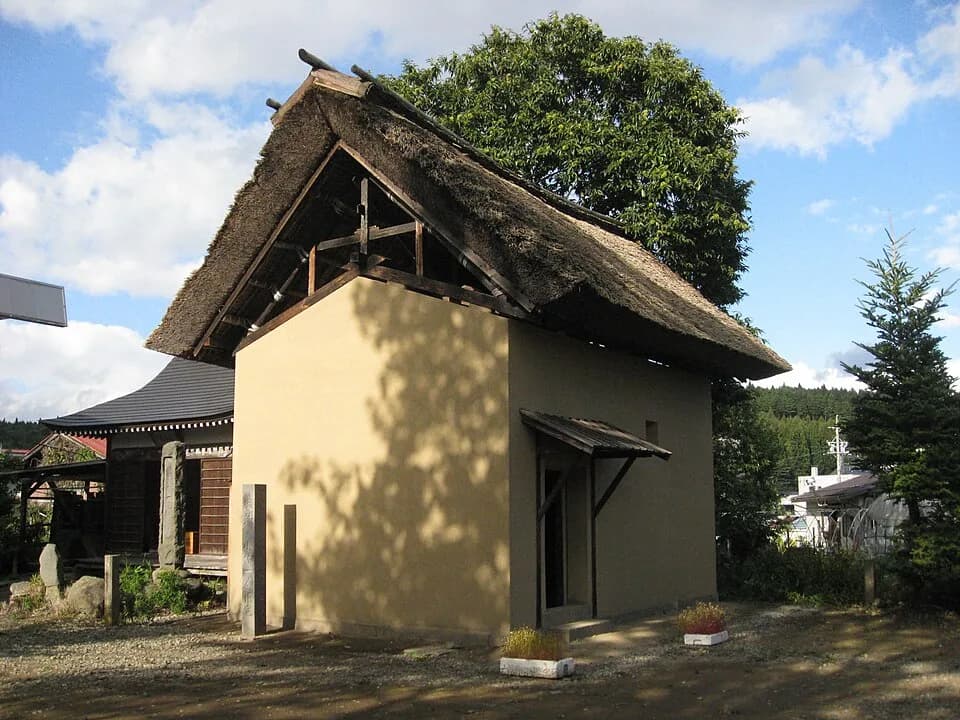
In his later years, Kobayashi Issa returned to his birthplace, Kashiwabara, Japan, where he spent his final days. Despite life's challenges, his commitment to poetry remained unwavering. He continued to create compelling haiku, drawing inspiration from his surroundings and his experiences.
Issa passed away in Kashiwabara on January 5, 1828, in the very place where his journey began. His later poems often carried a reflective quality, looking back on a life lived with a poet's sensitivity. Even in his final years, his observations were sharp and his empathy boundless.
Peatükk 7· Peatükk 7 / 7
Legacy and Impact
The legacy of Kobayashi Issa is firmly established in the annals of Japanese literature, particularly in the realm of haiku poetry. As one of the "Great Four" haiku masters, his work remains a fundamental part of the genre's canon. His unique voice, characterized by an acute sense of humor and profound compassion for all living things, continues to inspire.
Issa's influence extends globally, with his haiku translated into numerous languages, allowing new generations to discover his insights into nature and humanity. His ability to distill complex emotions and observations into simple, evocative verses ensures his lasting impact. He taught us to find beauty and meaning in the seemingly small details of existence.
Elu hetkedes
Hetked, mis elu kujundasid
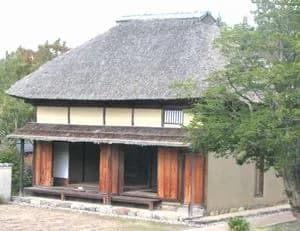

KKK
Korduma kippuvad küsimused
Millal Kobayashi Issa suri?
Kobayashi Issa suri 5. jaanuar 1828 Kashiwabara, Japan-s, 64-aastasena.
Kus Kobayashi Issa sündis?
Kobayashi Issa sündis Kashiwabara, Japan-s 15. juuni 1763.
Mille poolest on Kobayashi Issa kõige tuntum?
Kobayashi Issa on kõige tuntum Japanese writer poolest.
Kui vana oli Kobayashi Issa surres?
Kobayashi Issa oli surres 64-aastane.
Mis rahvusest oli Kobayashi Issa?
Kobayashi Issa oli pärit Japan-st.
Fotogalerii
Elu piltides
Klõpsake mis tahes polaroidil laiendamiseks · 21 fotot
QR-kood
Jaga seda biograafiat
Prindi ja jaga
Skannige selle biograafialehe külastamiseks. Printige üritusteks, näitusteks või õppematerjalideks.