Sündinud
January 19, 1737
Le Havre, France
Surnud
January 21, 1814
France
Tuntud kui
writer and botanist from France
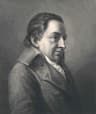
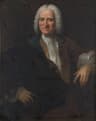
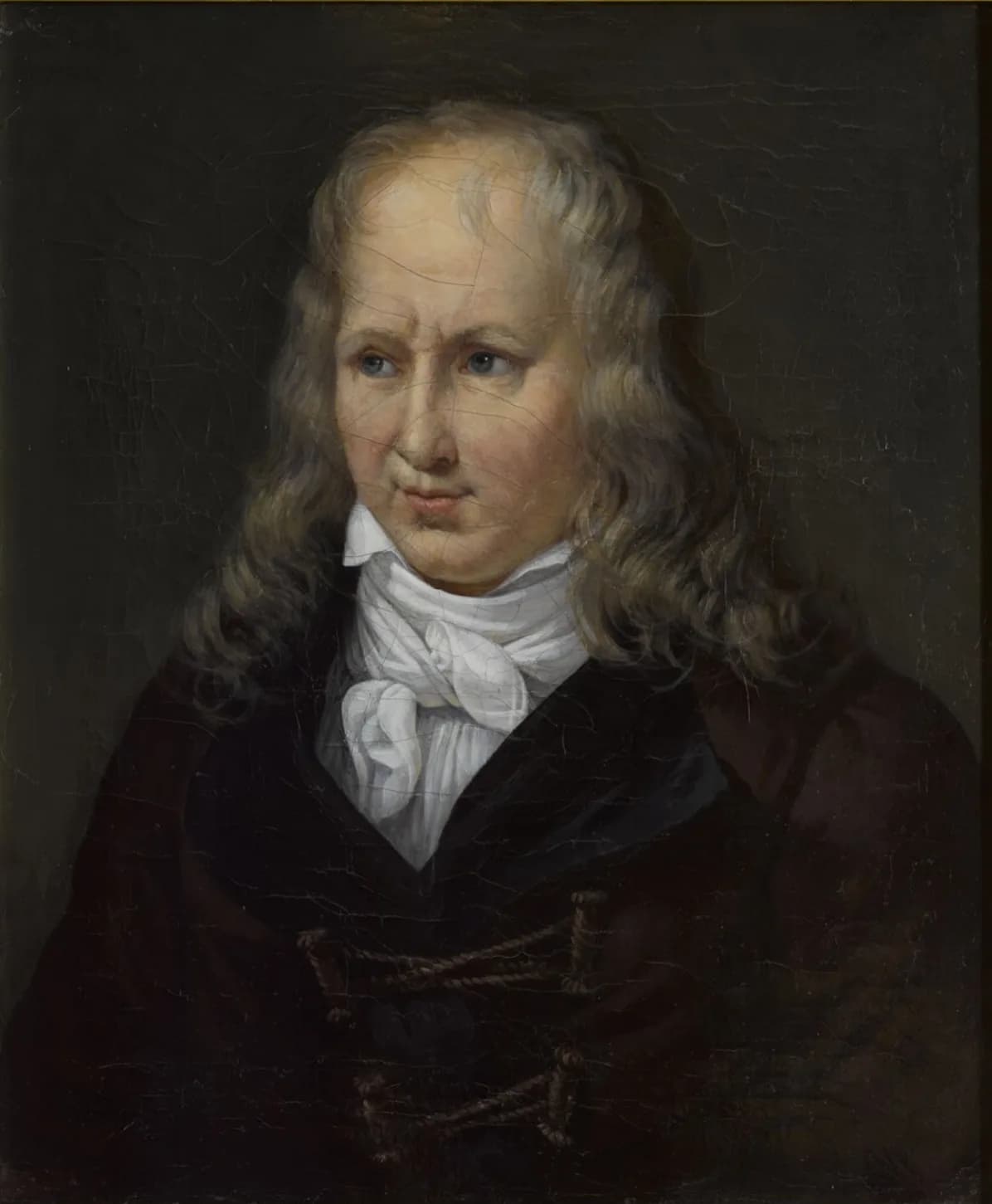
Jacques-Henri Bernardin de Saint-Pierre (1737 – 1814) was a French writer and botanist. He is best known for his influential 1788 novel, <i>Paul et Virginie</i>, a beloved classic of French literature. His work often explored nature, religion, and the philosophy of sentiment.
Peatükk
Elu peatükid
Peatükk 1 · 1768· Peatükk 1 / 3
A Young Adventurer's Calling
His education led him through engineering at the École des Ponts, and later, a stint in the French Army during the Seven Years' War. Yet, a spirit of independence, perhaps even insubordination, marked his military career. After various travels across Europe, a small inheritance allowed him to pursue his scientific curiosities, taking him to Mauritius in 1768.
There, he served as an engineer, but his true passion blossomed: the detailed study of plants. This deep observation of nature would become a defining characteristic of his work.
Peatükk 2 · 1771· Peatükk 2 / 3
Nature's Advocate and Rousseau's Friend
Returning to Paris in 1771, Bernardin de Saint-Pierre found a profound connection with Jean-Jacques Rousseau, becoming both friend and pupil. Together, they explored the flora around Paris, a time Rousseau helped refine Bernardin de Saint-Pierre's character and distinctive style. He was a committed advocate for vegetarianism, drawing on both his devout Christian faith and the philosophical currents of the Enlightenment, particularly from mentors like Rousseau.
His 1773 work, Voyage à l'Île de France, established him as a defender of innocence and faith. This reputation grew with the three volumes of Études de la nature in 1784. Here, he championed a philosophy of sentiment, aiming to counter the materialistic views prevalent among the Encyclopaedists by illustrating God's presence through nature's wonders. In 1797, his botanical passions led him to manage the Jardin des Plantes in Paris, a fitting role for someone who saw the divine in every leaf and flower.
Peatükk 3 · 1789· Peatükk 3 / 3
The Enduring Romance of Paul et Virginie
Bernardin de Saint-Pierre's literary masterpiece, Paul et Virginie, first appeared in 1789 as a supplement to his Études. This romantic tale quickly became an 18th-century sensation, captivating readers with its idyllic portrayal of love and nature. Though his second success, Chaumière indienne, followed in 1790 with a touch more humor, it was the earnest sentiment of Paul et Virginie that truly resonated. Even later naturalists like Alexander von Humboldt cherished the novel, finding inspiration in its pages.
Elected to the Institut de France in 1795 and the Académie française in 1803, Bernardin de Saint-Pierre's literary and scientific contributions were widely recognized. He died in 1814, leaving behind a body of work that encouraged readers to look at the world, and each other, with a gentle, appreciative eye. His writing invited a pause, a moment to feel the world's beauty and find solace in its design.
Elu hetkedes
Hetked, mis elu kujundasid
KKK
Korduma kippuvad küsimused
Millal Jacques-Henri Bernardin de Saint-Pierre suri?
Jacques-Henri Bernardin de Saint-Pierre suri 21. jaanuar 1814 France-s, 77-aastasena.
Kus Jacques-Henri Bernardin de Saint-Pierre sündis?
Jacques-Henri Bernardin de Saint-Pierre sündis Le Havre, France-s 19. jaanuar 1737.
Mille poolest on Jacques-Henri Bernardin de Saint-Pierre kõige tuntum?
Jacques-Henri Bernardin de Saint-Pierre on kõige tuntum writer and botanist from France poolest.
Kui vana oli Jacques-Henri Bernardin de Saint-Pierre surres?
Jacques-Henri Bernardin de Saint-Pierre oli surres 77-aastane.
Mis rahvusest oli Jacques-Henri Bernardin de Saint-Pierre?
Jacques-Henri Bernardin de Saint-Pierre oli pärit France-st.
Ajajoon
Elu lühidalt
Fotogalerii
Elu piltides
Klõpsake mis tahes polaroidil laiendamiseks · 24 fotot
QR-kood
Jaga seda biograafiat
Prindi ja jaga
Skannige selle biograafialehe külastamiseks. Printige üritusteks, näitusteks või õppematerjalideks.