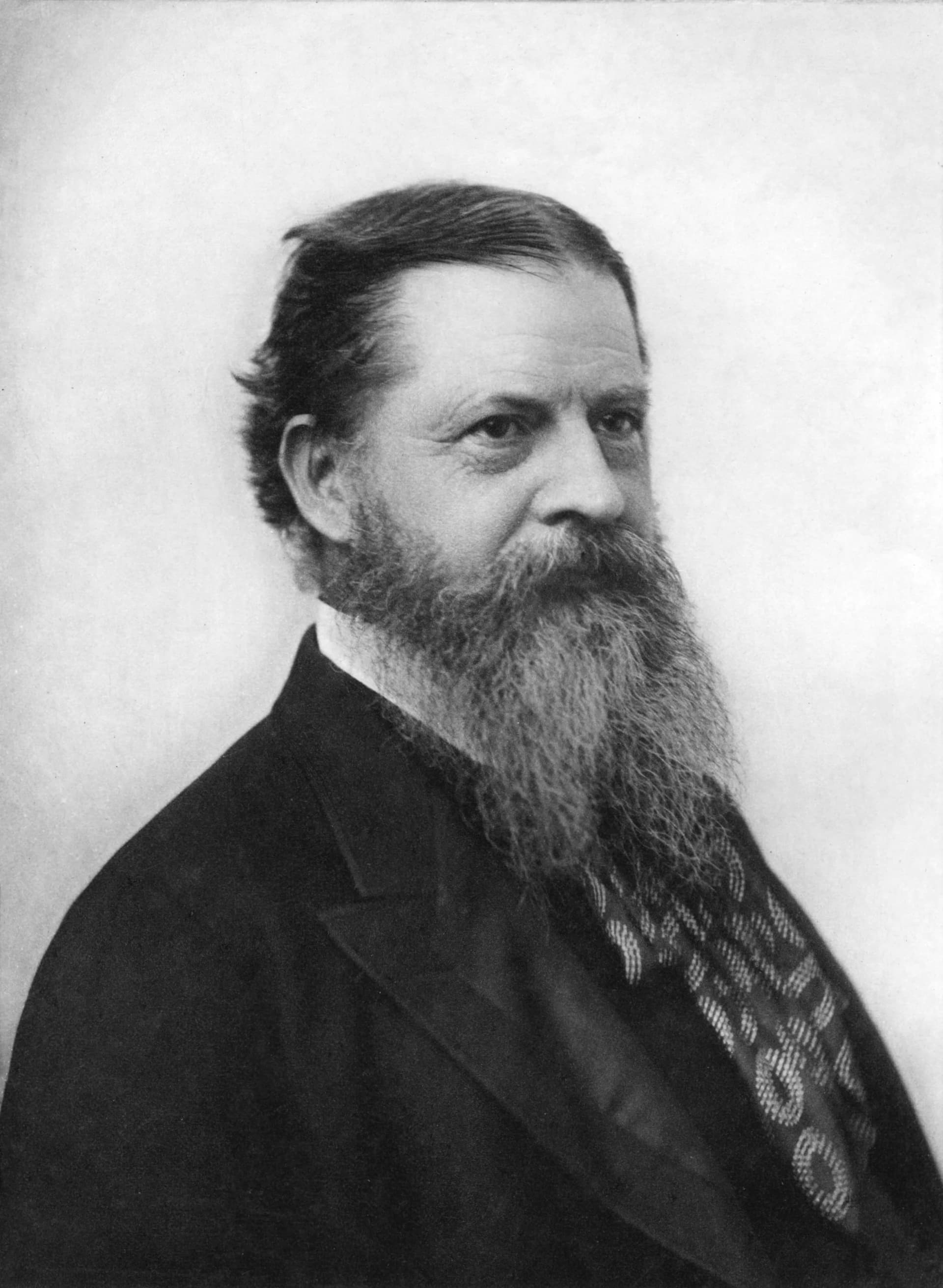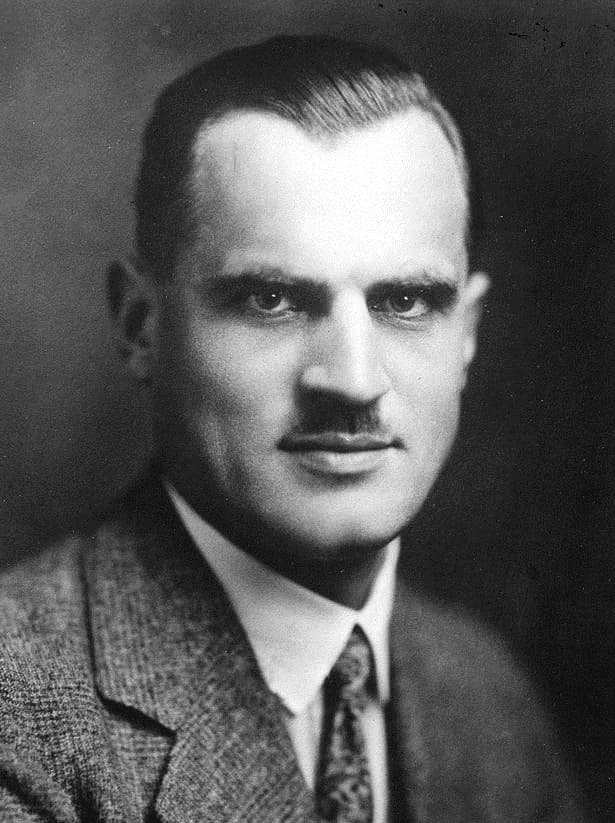
Sündinud
September 10, 1892
Wooster, United States
Surnud
March 15, 1962
Berkeley, United States
Tuntud kui
American physicist
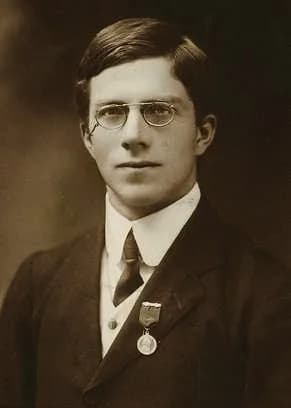
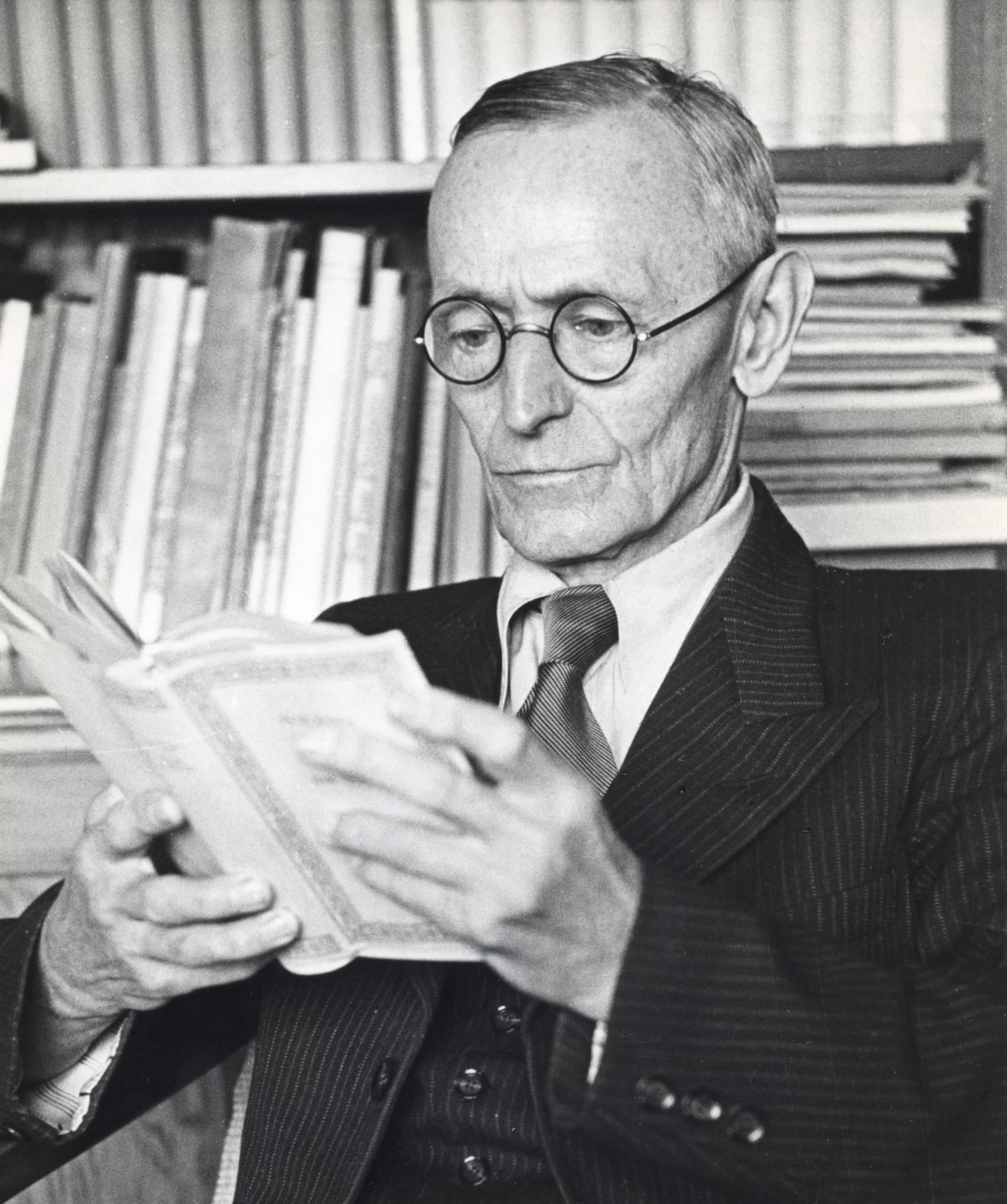
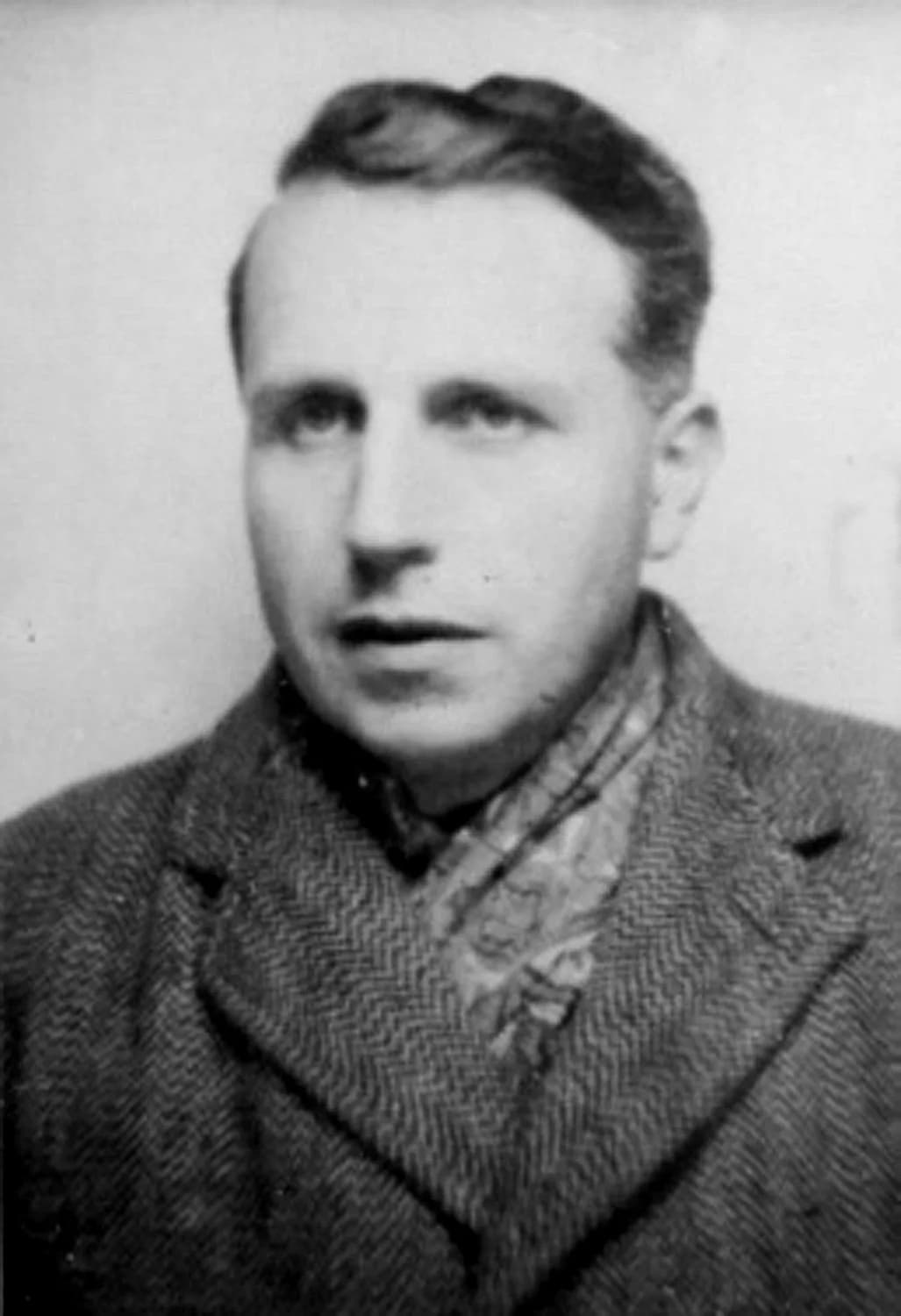
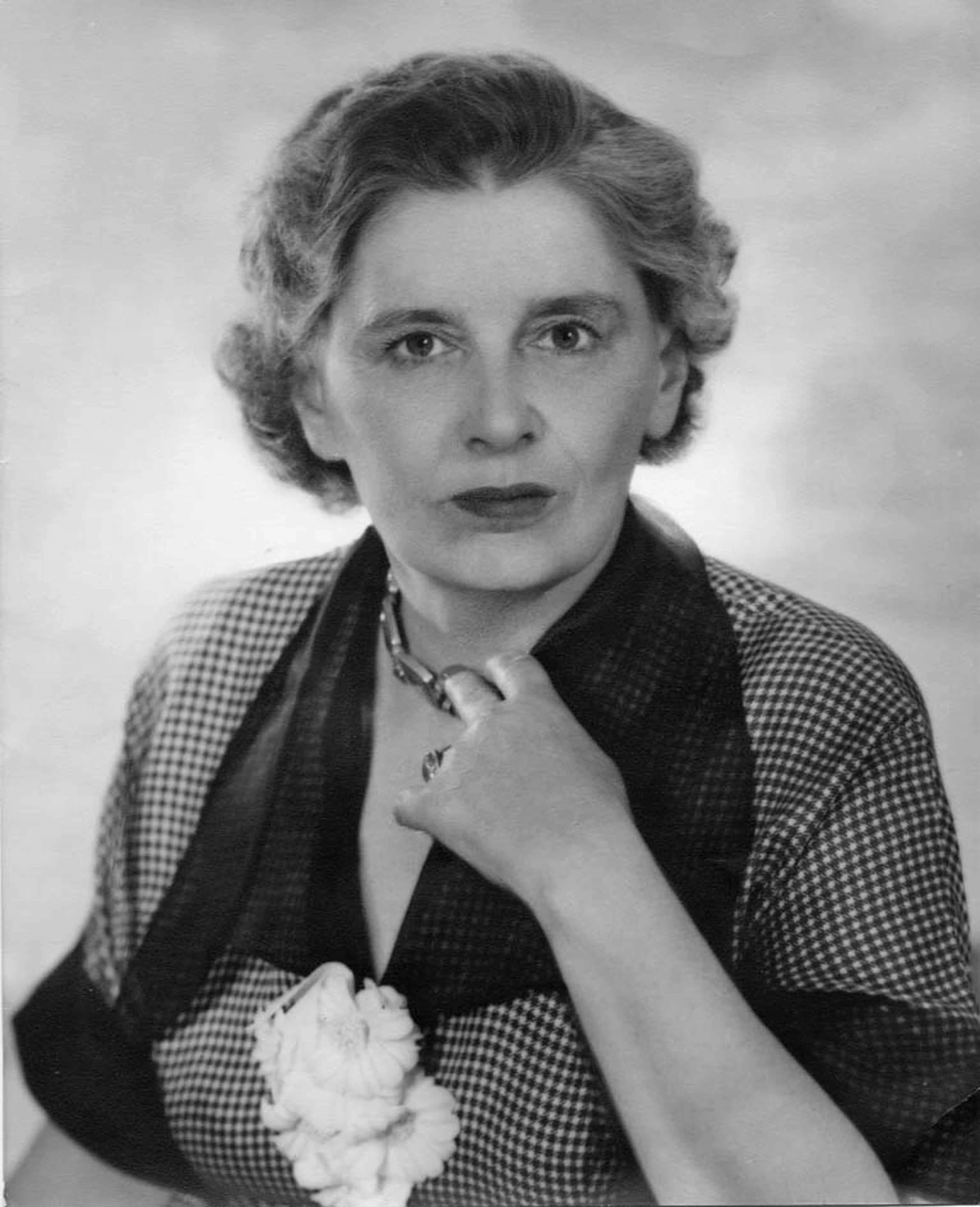
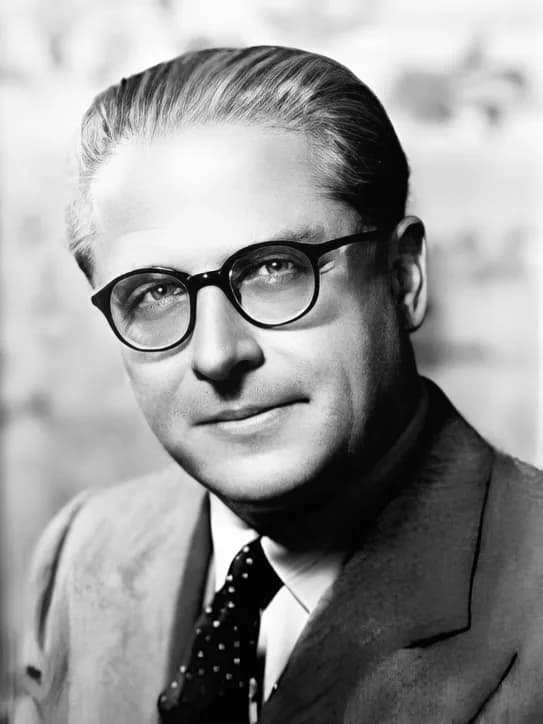
Arthur Holly Compton (1892–1962) was United States best known for American physicist.
Arthur Holly Compton (September 10, 1892 – March 15, 1962) was an American physicist from Wooster, United States. He shared the 1927 Nobel Prize in Physics for his discovery of the Compton effect, demonstrating the particle nature of electromagnetic radiation. This crucial work helped establish the dual wave-particle nature of light, shaping modern physics.
Elu hetkedes
Hetked, mis elu kujundasid
Peatükk
Elu peatükid
Peatükk 1 · 1892· Peatükk 1 / 6
Remembering Arthur Holly Compton
Arthur Holly Compton (September 10, 1892 – March 15, 1962) was an American physicist whose pioneering work profoundly reshaped our understanding of the fundamental nature of light. He is renowned for his discovery of the Compton effect, a crucial demonstration of the particle properties of electromagnetic radiation. This pivotal achievement led to him sharing the 1927 Nobel Prize in Physics with C. T. R. Wilson. Compton's dedication to scientific inquiry marked him as a leading figure in 20th-century physics.
Peatükk 2 · 1892· Peatükk 2 / 6
Early Life and Education
Arthur Holly Compton was born in Wooster, United States, on September 10, 1892. His upbringing in the United States coincided with a period of rapid scientific advancement and intellectual curiosity. While specific details of his family life are not provided, his eventual career path as a physicist, university teacher, nuclear physicist, and theoretical physicist highlights a strong academic foundation. His early environment surely fostered the inquisitive mind that would lead to significant discoveries.
Peatükk 3· Peatükk 3 / 6
Scientific Milestones and Nobel Recognition
Compton's journey in physics culminated in the groundbreaking discovery of the Compton effect. This effect demonstrated that electromagnetic radiation, previously understood primarily through its wave nature, also exhibited particle-like characteristics. The revelation was particularly significant because the wave nature of light had been well-established, making the acceptance of light's dual wave and particle properties a challenge.
For this profound insight, he was awarded a share of the 1927 Nobel Prize in Physics alongside C. T. R. Wilson. This discovery solidified the quantum theory of light and marked a turning point in physics. His work as a nuclear physicist also contributed to critical developments in atomic science.
Peatükk 4 · 2007· Peatükk 4 / 6
Notable Works and Contributions
Beyond his Nobel-winning research, Arthur Holly Compton maintained a prolific academic career, evidenced by his h-index of 22 across 159 papers. One of his significant contributions, "One World or None: A Report to the Public on the Full Meaning of the Atomic Bomb," published in 2007, accumulated 23 citations. This work reflected his engagement with the broader implications of scientific advancements.
Other scholarly works included "THE WA VE-LENGTH OF MOLYBDENUM Ka RAYS WHEN SCATTERED BY LIGhT ELEMENTS" from 2005, which gathered 3 citations. His body of work also encompasses later publications such as "Cover Page 9/16/2021 Topical White Paper submitted to the Biological and Physical Sciences in Space Decadal Survey 2023-2032" from 2021 and "Washington University Record, October 8, 1992" from 2014, both with 0 citations, suggesting ongoing relevance or posthumous editions of his contributions. These publications reflect his broad engagement with scientific inquiry and his commitment to sharing knowledge.
Peatükk 5 · 1962· Peatükk 5 / 6
Later Years and Passing
Arthur Holly Compton's distinguished life concluded on March 15, 1962, in Berkeley, United States. He passed away after dedicating decades to scientific research and education as a physicist and university teacher. While specific details about his activities immediately preceding his death are not available, his life concluded in a place known for its rich academic environment. His passing marked the end of an era for a physicist who had redefined fundamental principles.
Peatükk 6· Peatükk 6 / 6
Enduring Legacy
The legacy of Arthur Holly Compton continues to resonate throughout the field of physics. His discovery of the Compton effect remains a foundational concept, essential for understanding the quantum nature of reality. He helped shift scientific paradigms by providing experimental evidence for the particle nature of light, a concept initially met with skepticism.
Compton is remembered not only as a Nobel laureate but as a crucial figure who expanded the boundaries of human knowledge in the 20th century. His contributions endure in textbooks, laboratories, and the ongoing quest to comprehend the universe. He left an enduring impact on the understanding of electromagnetic radiation.
KKK
Korduma kippuvad küsimused
Millal Arthur Holly Compton suri?
Arthur Holly Compton suri 15. märts 1962 Berkeley, United States-s, 69-aastasena.
Kus Arthur Holly Compton sündis?
Arthur Holly Compton sündis Wooster, United States-s 10. september 1892.
Mille poolest on Arthur Holly Compton kõige tuntum?
Arthur Holly Compton on kõige tuntum American physicist poolest.
Kui vana oli Arthur Holly Compton surres?
Arthur Holly Compton oli surres 69-aastane.
Mis rahvusest oli Arthur Holly Compton?
Arthur Holly Compton oli pärit United States-st.
Ajajoon
Elu lühidalt
Fotogalerii
Elu piltides
Klõpsake mis tahes polaroidil laiendamiseks · 21 fotot
QR-kood
Jaga seda biograafiat
Prindi ja jaga
Skannige selle biograafialehe külastamiseks. Printige üritusteks, näitusteks või õppematerjalideks.