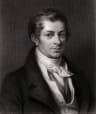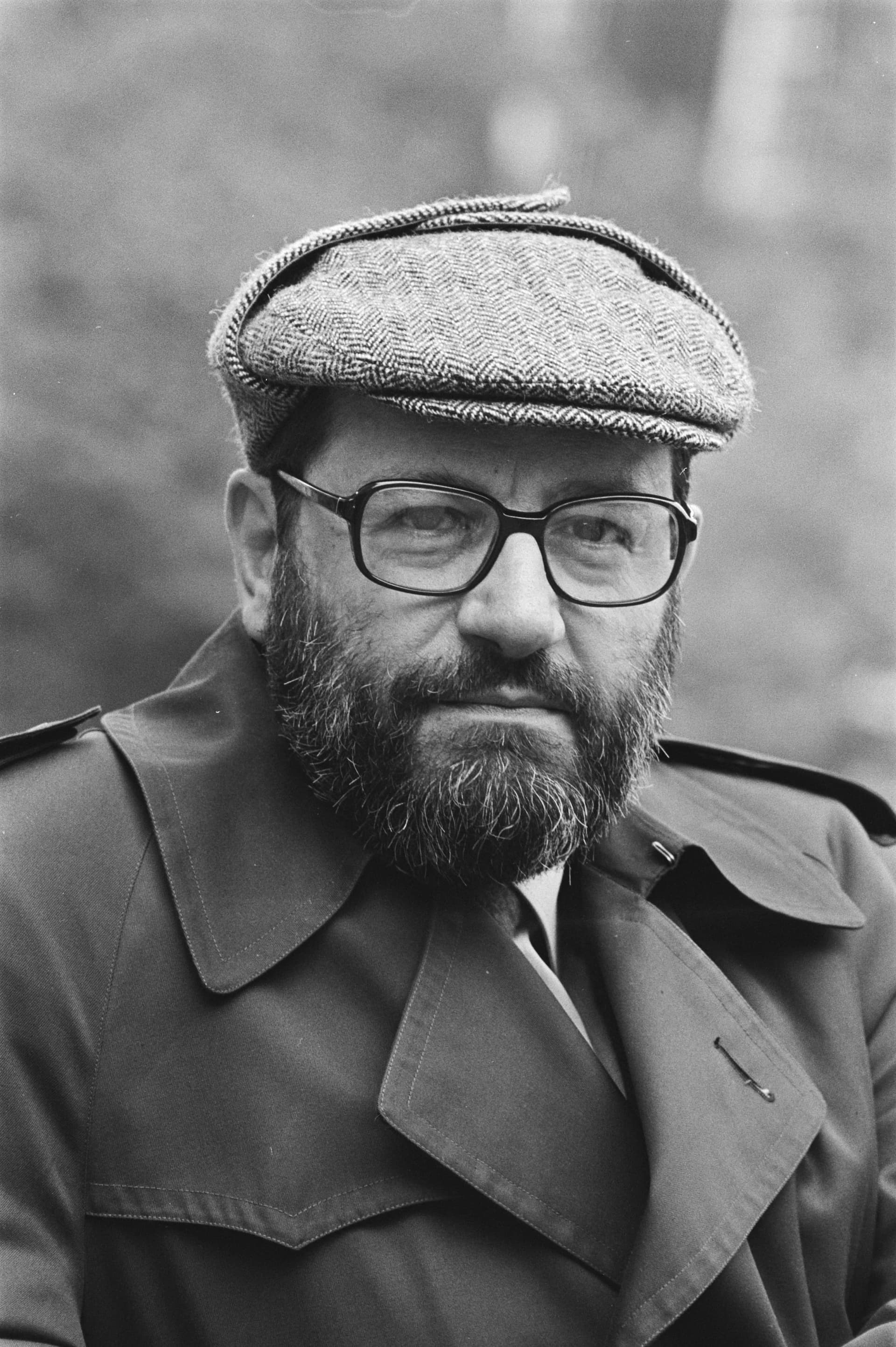
Γεννήθηκε
January 5, 1932
Alessandria, Italy
Πέθανε
February 19, 2016
Milan, Italy
Γνωστός/ή για
Italian semiotician, essayist, philosopher, literary critic, and novelist
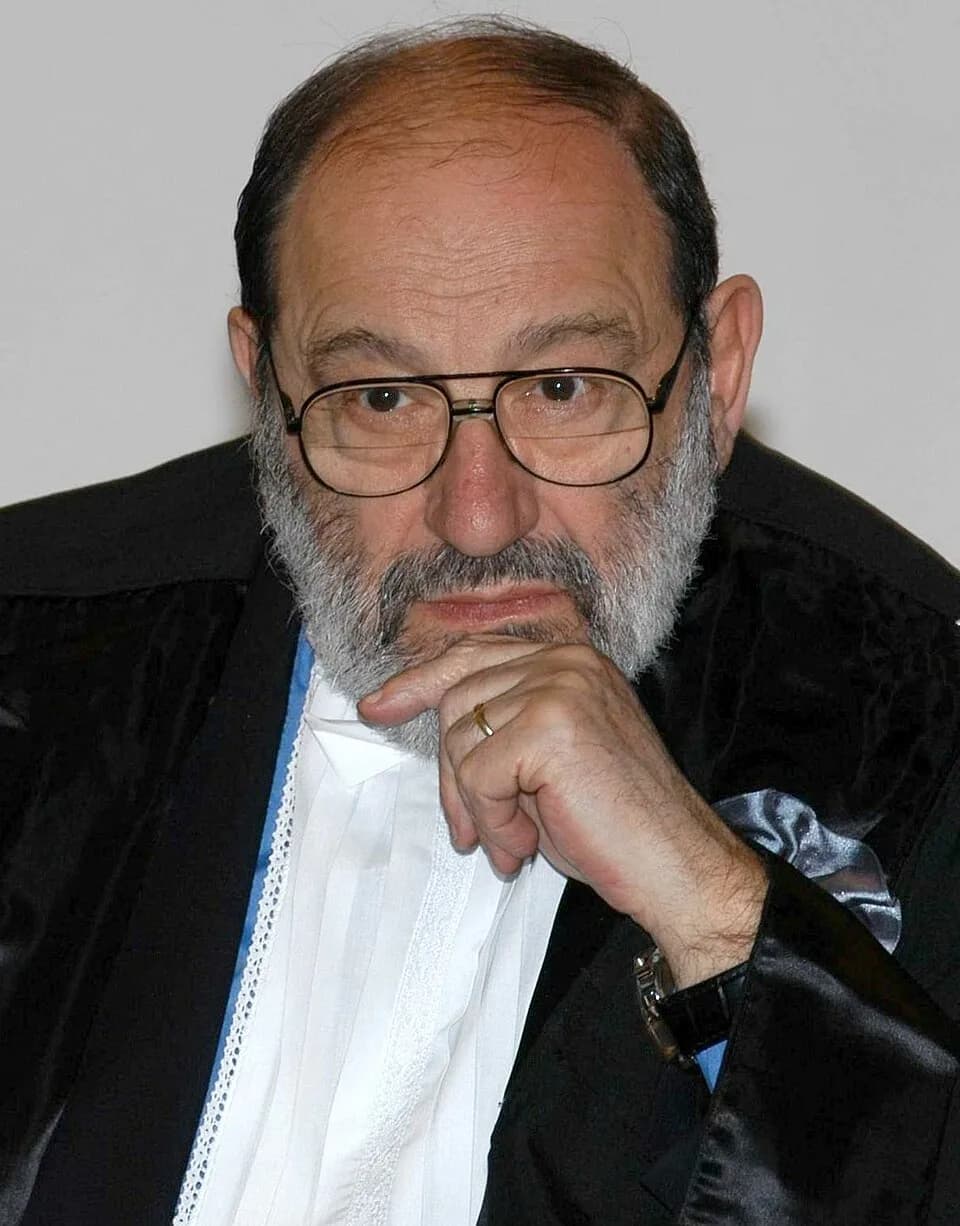
Umberto Eco (1932–2016) was Italy best known for Italian semiotician, essayist, philosopher, literary critic, and novelist.
Umberto Eco (January 5, 1932 – February 19, 2016) was an Italian semiotician, philosopher, and novelist from Alessandria, Italy. He was widely celebrated for his acclaimed 1980 novel, <em>The Name of the Rose</em>, which blended historical mystery with deep philosophical insights. Eco left a lasting mark on literary theory and cultural criticism.
Κεφάλαιο
Κεφάλαια ζωής
Κεφάλαιο 1 · 1932· Κεφάλαιο 1 από 8
Opening
Umberto Eco (January 5, 1932 – February 19, 2016) was a towering Italian intellectual, celebrated as a semiotician, essayist, philosopher, literary critic, and novelist. His extensive body of work bridged academic scholarship with popular fiction, making complex ideas accessible to a wide audience. He left a lasting mark on multiple fields, from medieval studies to contemporary cultural commentary.
Κεφάλαιο 2 · 1932· Κεφάλαιο 2 από 8
Early Life and Origins
Umberto Eco was born on January 5, 1932, in Alessandria, a city located in Italy. This northern Italian birthplace was his initial home and shaped his early experiences. Details of his specific family background beyond his origins in Alessandria are not extensively documented in the provided information.
Κεφάλαιο 3· Κεφάλαιο 3 από 8
Career Beginnings
Eco began a diverse professional journey that would come to define his intellectual career. He started as a university teacher, sharing his knowledge across various disciplines, including semiotics, philosophy, and medieval studies. His early academic contributions established him as a significant voice, laying the groundwork for his future accomplishments.
Κεφάλαιο 4 · 1980· Κεφάλαιο 4 από 8
Major Achievements and Career Highlights
Eco gained widespread international recognition for his 1980 novel, The Name of the Rose. This historical mystery masterfully combined semiotics in fiction with deep biblical analysis, medieval studies, and literary theory. He continued this success with his 1988 novel, Foucault's Pendulum, which explored similar intricate themes of conspiracy and arcane knowledge. His contributions extended beyond fiction into profound cultural criticism and philosophical discourse, earning him acclaim as a literary scholar and essayist.
Κεφάλαιο 5· Κεφάλαιο 5 από 8
Personal Life
While Umberto Eco's public life was rich with intellectual contributions, detailed information about his personal family life is not extensively documented in the provided public records. His primary focus, as presented in available information, remained dedicated to his vast professional endeavors and scholarly pursuits.
Κεφάλαιο 6 · 2014· Κεφάλαιο 6 από 8
Notable Works or Contributions
Beyond his celebrated novels, Eco authored a substantial bibliography of academic and critical works, showcasing his intellectual range. Titles such as Le poetiche di Joyce, Apocalittici e Integrati, and Six Walks in the Fictional Woods explored various facets of semiotics, literature, and culture. His writings often delved into the nature of signs, interpretation, and cultural phenomena, reflecting his expertise as a semiologist. He also contributed to film, notably appearing in the 2014 documentary Walt Disney and Italy: A Love Story.
Κεφάλαιο 7 · 2016· Κεφάλαιο 7 από 8
Later Years
Umberto Eco continued to write and teach actively throughout his later life, maintaining his status as a prominent voice in intellectual discourse. He published works like Il Cimitero Di Praga and Nullnummer during this period. His academic career as a pedagogue, historian, and literary critic continued until his passing on February 19, 2016, in Milan, Italy.
Κεφάλαιο 8· Κεφάλαιο 8 από 8
Legacy and Impact
Umberto Eco's legacy resonates strongly across philosophy, literature, and semiotics, leaving a lasting influence on multiple generations. He redefined the boundaries between academic rigor and popular appeal, making complex theoretical concepts accessible through engaging narratives. His unique ability to connect historical inquiry with contemporary cultural analysis cemented his reputation as an enduring intellectual and cultural critic.
Μια ζωή σε στιγμές
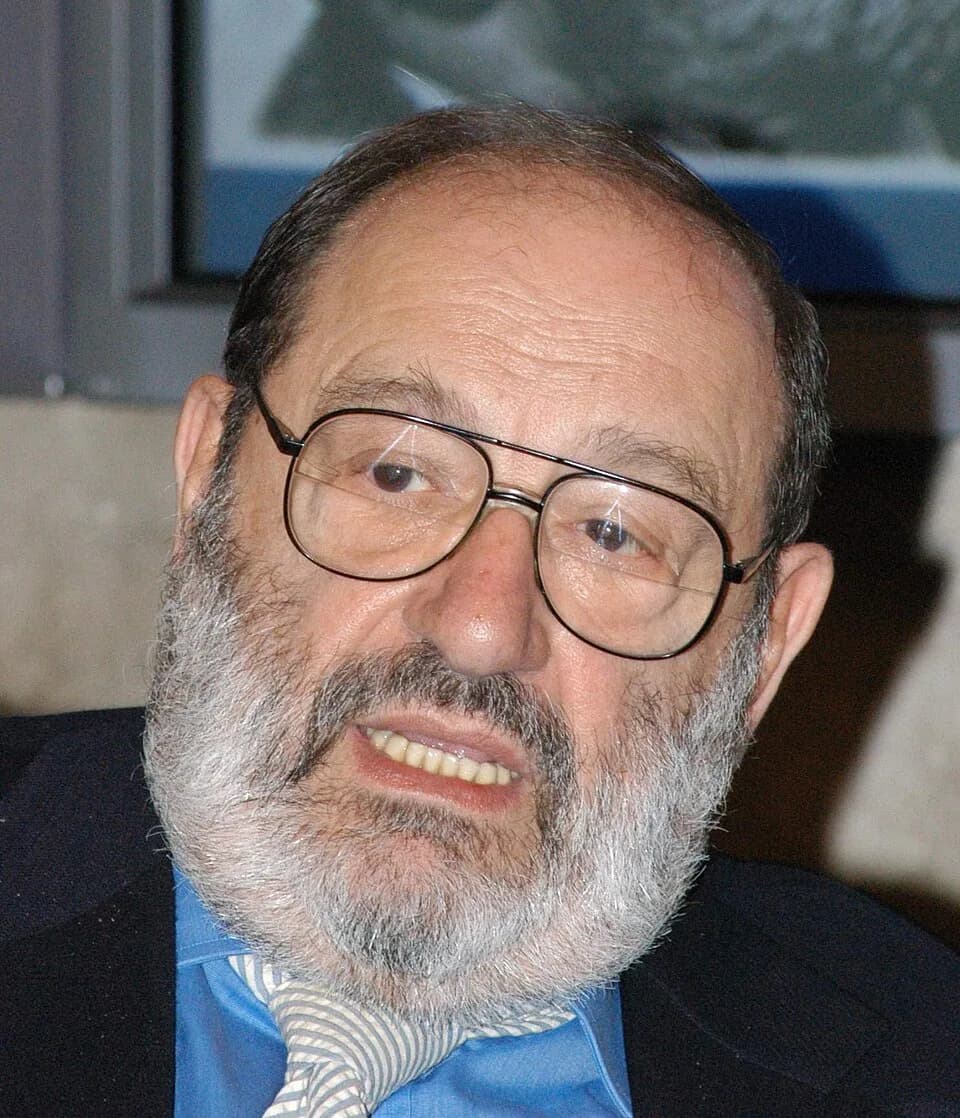
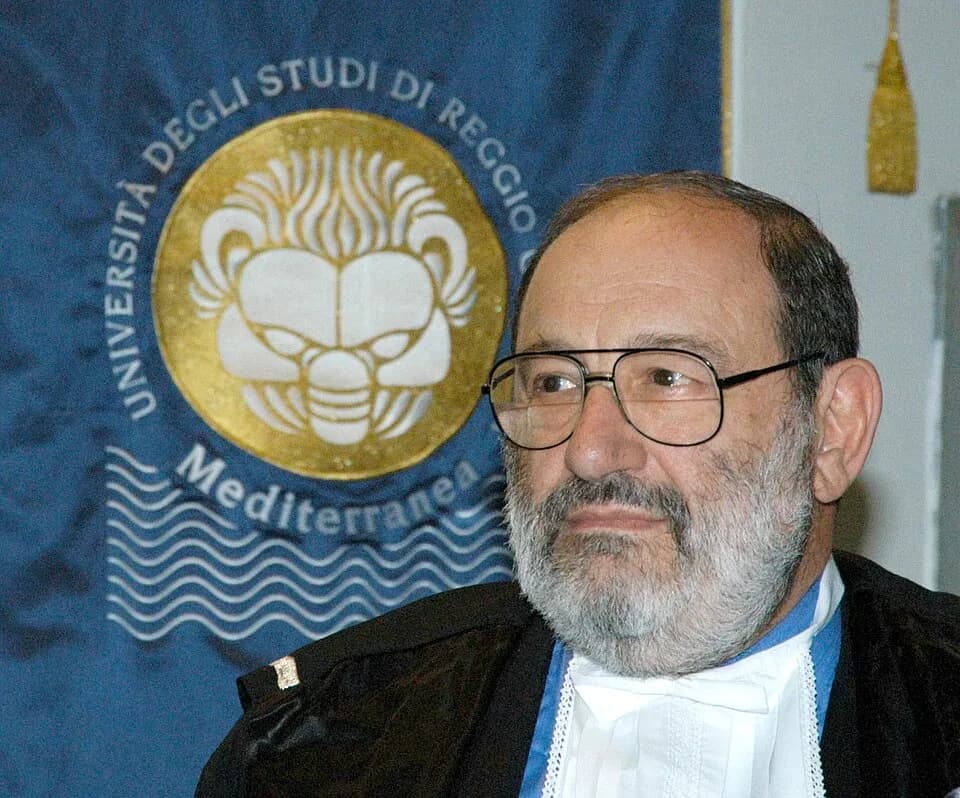
Οι στιγμές που διαμόρφωσαν μια ζωή
Συχνές Ερωτήσεις
Συχνές ερωτήσεις
Πότε πέθανε ο/η Umberto Eco;
Ο/Η Umberto Eco πέθανε στις 19 Φεβρουαρίου 2016 στο Milan, Italy, σε ηλικία 84 ετών.
Πού γεννήθηκε ο/η Umberto Eco;
Ο/Η Umberto Eco γεννήθηκε στο Alessandria, Italy στις 5 Ιανουαρίου 1932.
Για τι είναι περισσότερο γνωστός/ή ο/η Umberto Eco;
Ο/Η Umberto Eco είναι περισσότερο γνωστός/ή για Italian semiotician, essayist, philosopher, literary critic, and novelist.
Πόσων ετών ήταν ο/η Umberto Eco όταν πέθανε;
Ο/Η Umberto Eco ήταν 84 ετών τη στιγμή του θανάτου του/της.
Ποια ήταν η εθνικότητα του/της Umberto Eco;
Ο/Η Umberto Eco καταγόταν από Italy.
Χρονοδιάγραμμα
Η ζωή με μια ματιά
Συλλογή φωτογραφιών
Μια ζωή σε εικόνες
Κάντε κλικ σε οποιοδήποτε polaroid για μεγέθυνση · 49 φωτογραφίες
Κωδικός QR
Μοιραστείτε Αυτή τη Βιογραφία
Εκτύπωση & Κοινή Χρήση
Σκανάρετε για να επισκεφτείτε αυτή τη βιογραφική σελίδα. Εκτυπώστε για εκδηλώσεις, εκθέσεις ή εκπαιδευτικό υλικό.