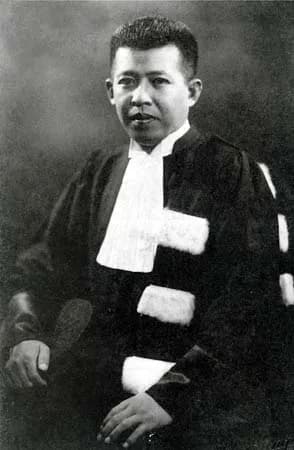
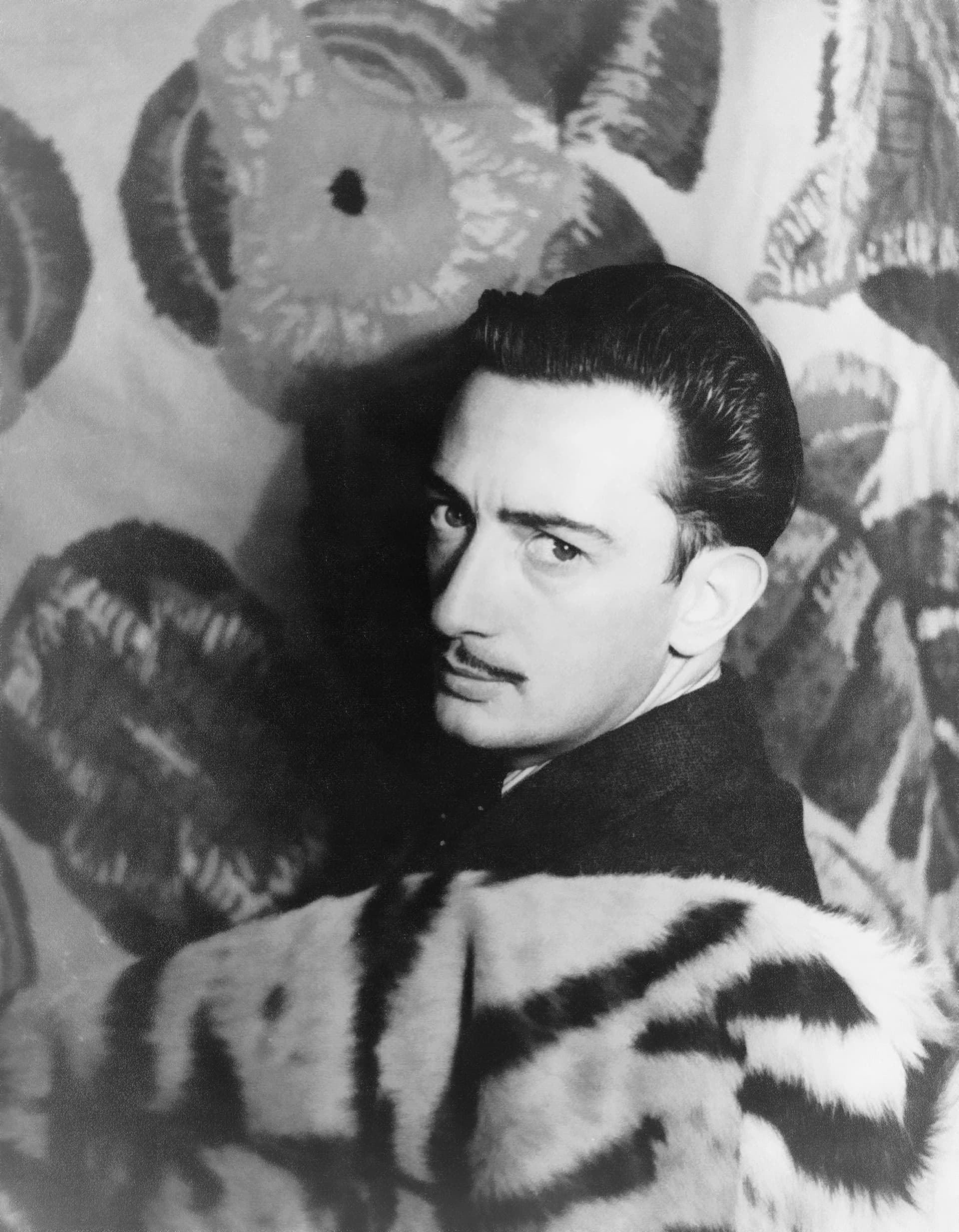
Γεννήθηκε
May 11, 1881
Budapest, Hungary
Πέθανε
May 7, 1963
Aachen, Germany
Γνωστός/ή για
Hungarian-American mathematician, aerospace engineer and physicist
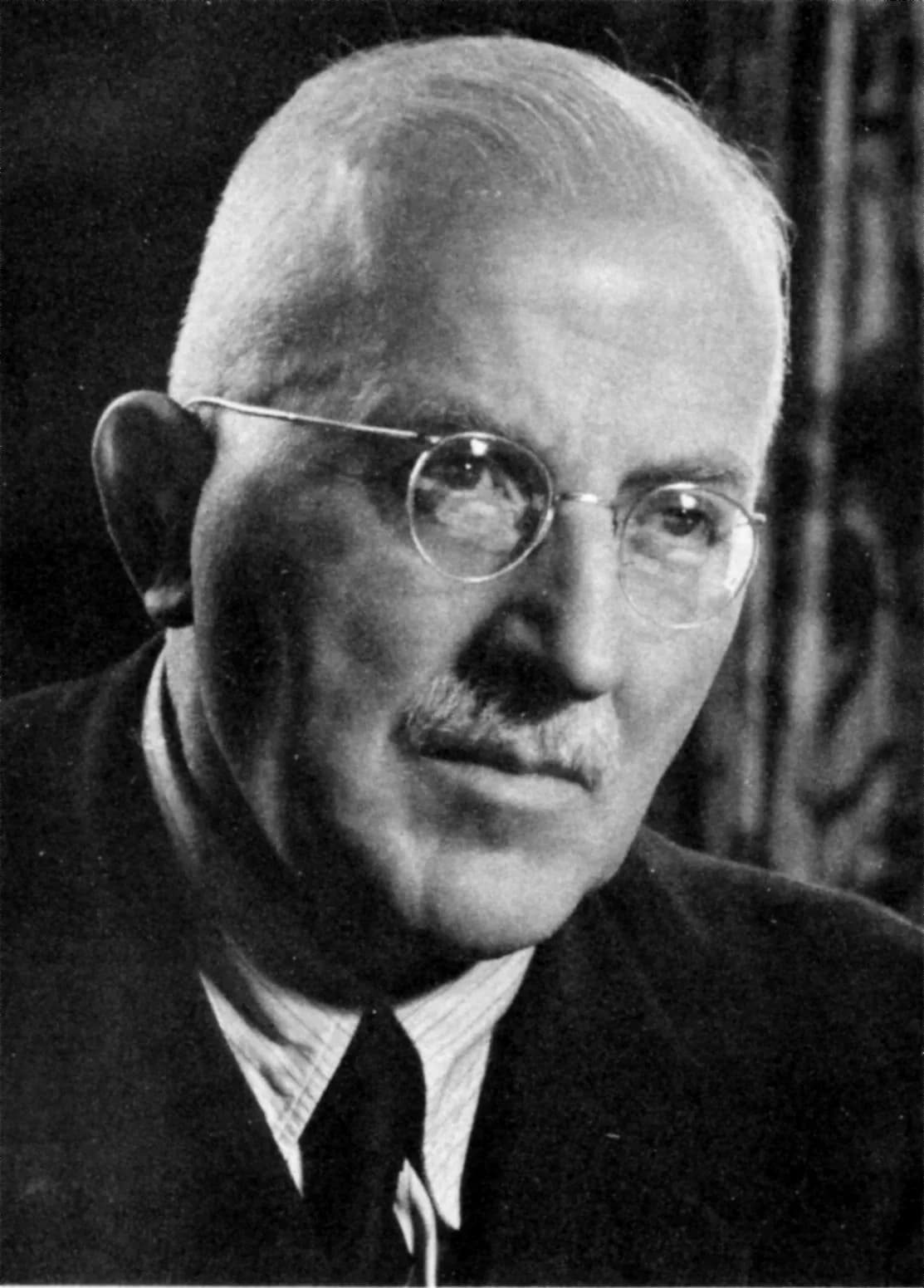
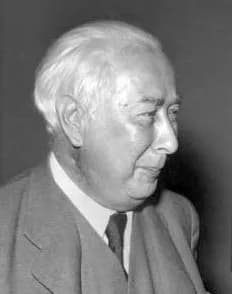
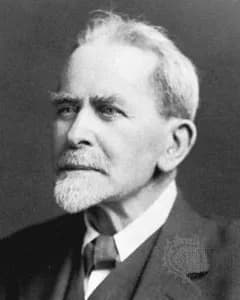
Theodore von Kármán (1881–1963) was Hungary best known for Hungarian-American mathematician, aerospace engineer and physicist.
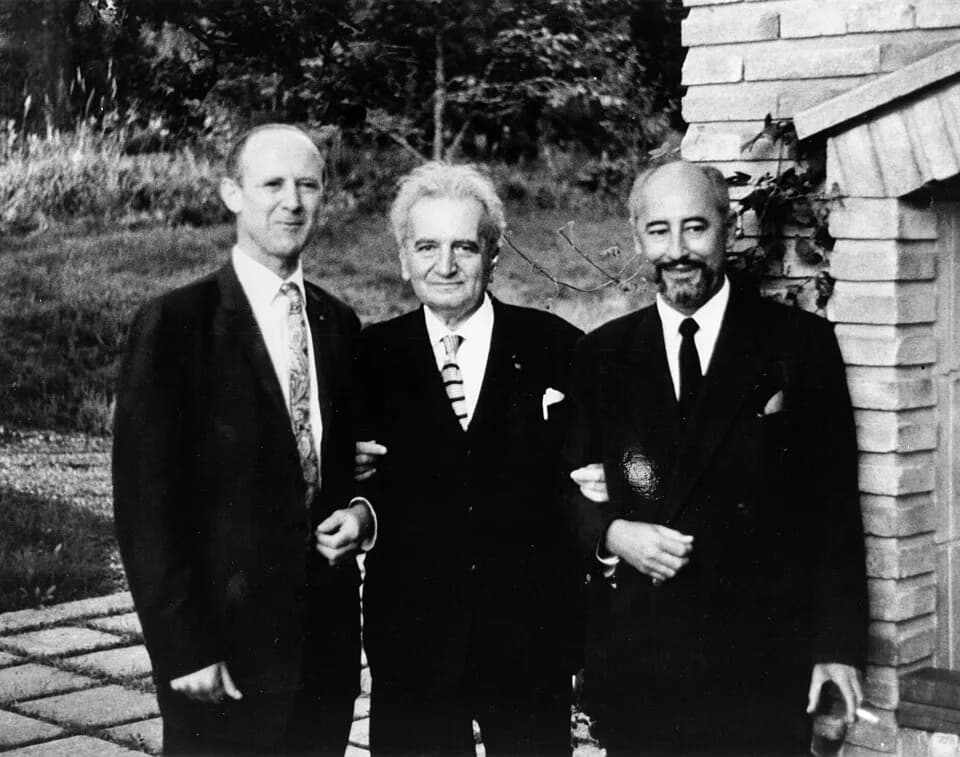
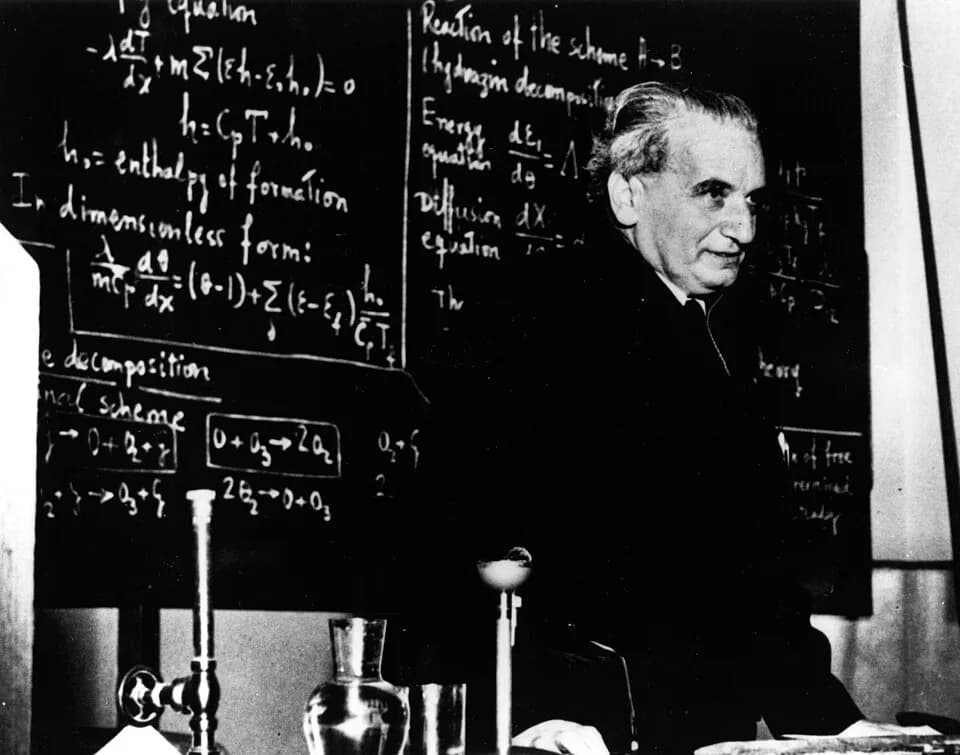
Theodore von Kármán (May 11, 1881 – May 7, 1963) was a Hungarian-American mathematician, aerospace engineer, and physicist. He made crucial advances in aerodynamics, defining the Kármán line, the threshold of outer space. He is regarded as an outstanding aerodynamic theoretician.
Μια ζωή σε στιγμές
Οι στιγμές που διαμόρφωσαν μια ζωή
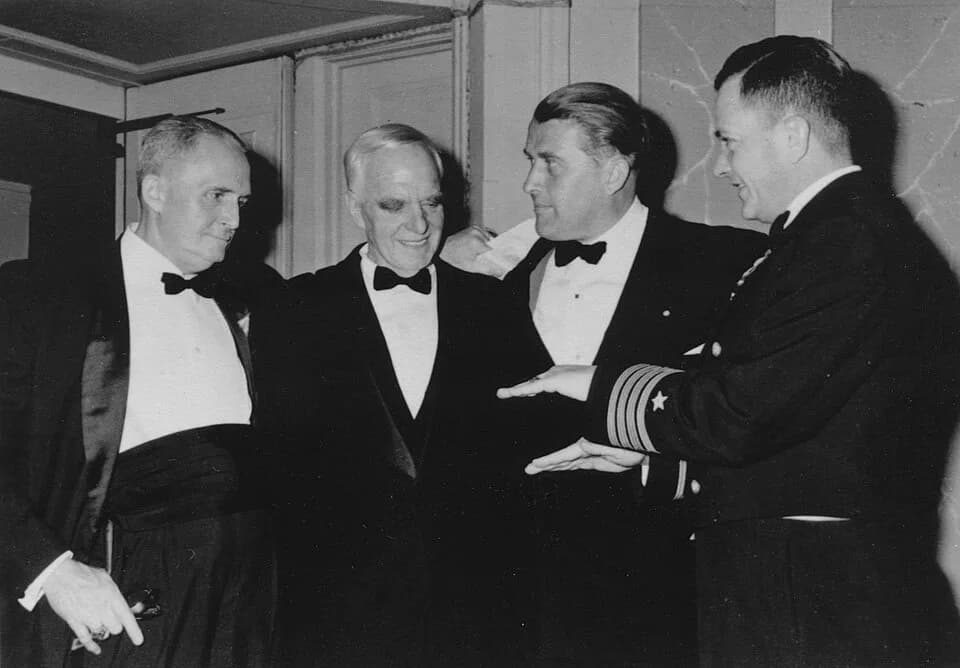
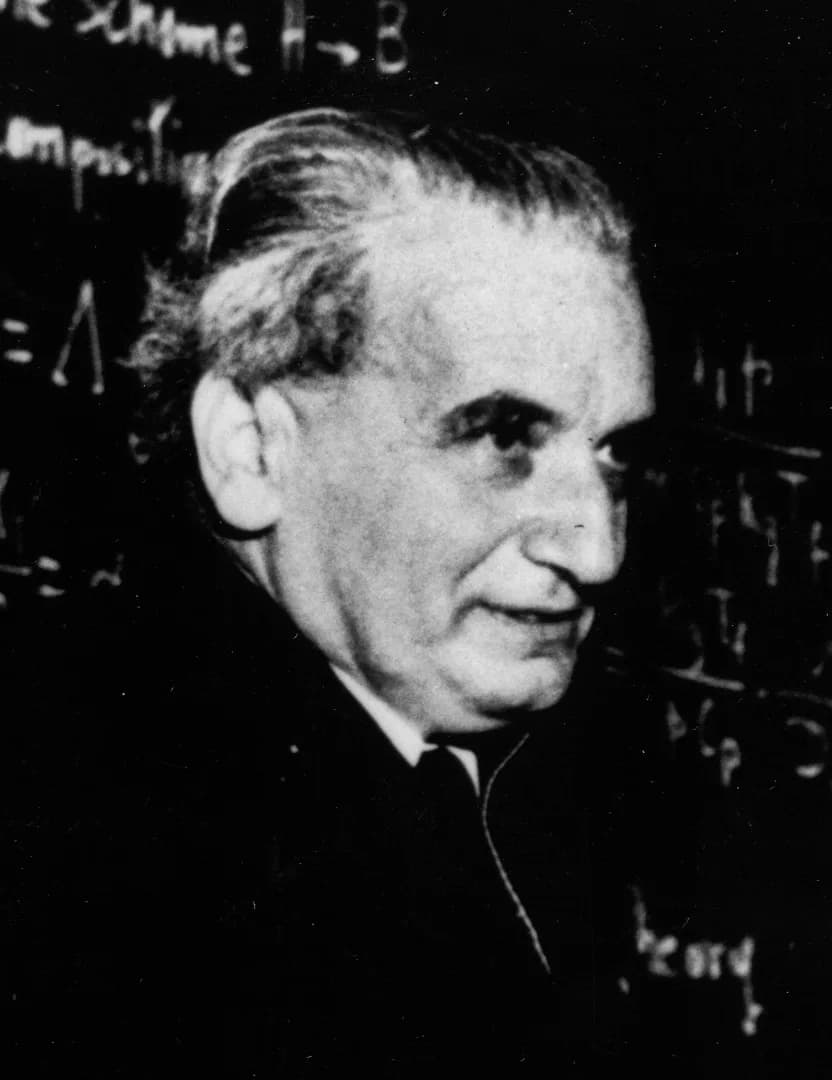
Κεφάλαιο
Κεφάλαια ζωής
Κεφάλαιο 1 · 1881· Κεφάλαιο 1 από 8
Remembering Theodore von Kármán: A Visionary in Flight
Theodore von Kármán (1881–1963) was a Hungarian-American mathematician, aerospace engineer, and physicist whose work fundamentally reshaped our understanding of flight and space. He made crucial advances in aerodynamics, particularly concerning supersonic and hypersonic airflow, leaving an enduring mark on the fields of aeronautics and astronautics. His extraordinary contributions earned him recognition as an outstanding aerodynamic theoretician of the 20th century.
Κεφάλαιο 2 · 1881· Κεφάλαιο 2 από 8
Early Life and Origins
Born on May 11, 1881, in Budapest, Hungary, Theodore von Kármán began his remarkable journey. His early years in Budapest laid the foundation for a life dedicated to scientific inquiry and engineering innovation. The environment of his birth country undoubtedly played a role in shaping his intellect and early interests, setting him on a path of profound scientific contribution.
Κεφάλαιο 3· Κεφάλαιο 3 από 8
Career Beginnings
Theodore von Kármán embarked on a diverse professional path that encompassed various scientific and engineering disciplines. He was recognized as a scientist, mathematician, and physicist from the outset of his career. His roles extended to being a university teacher and an inventor, demonstrating a broad range of capabilities and a deep commitment to both research and education.
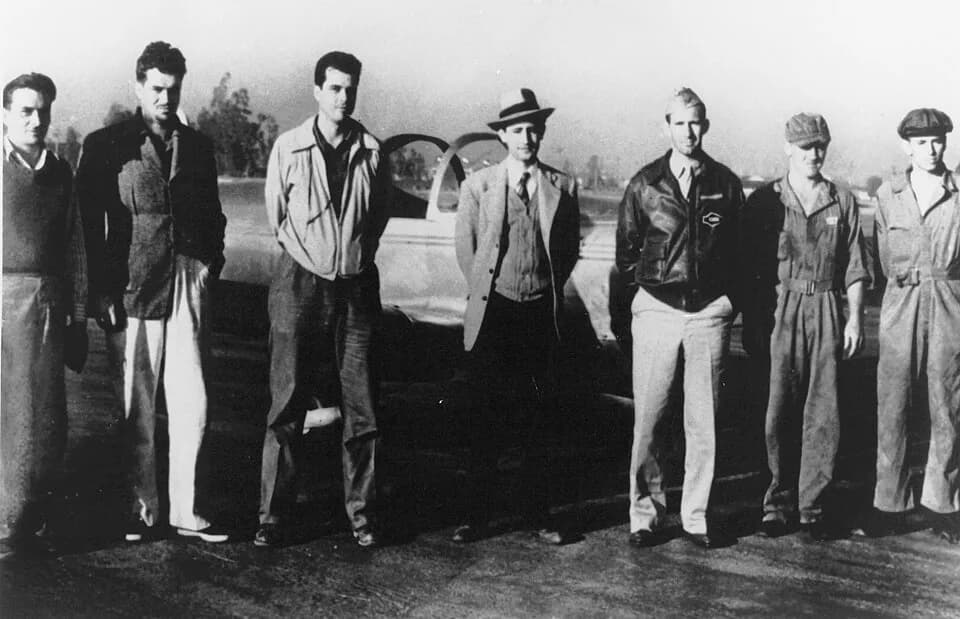
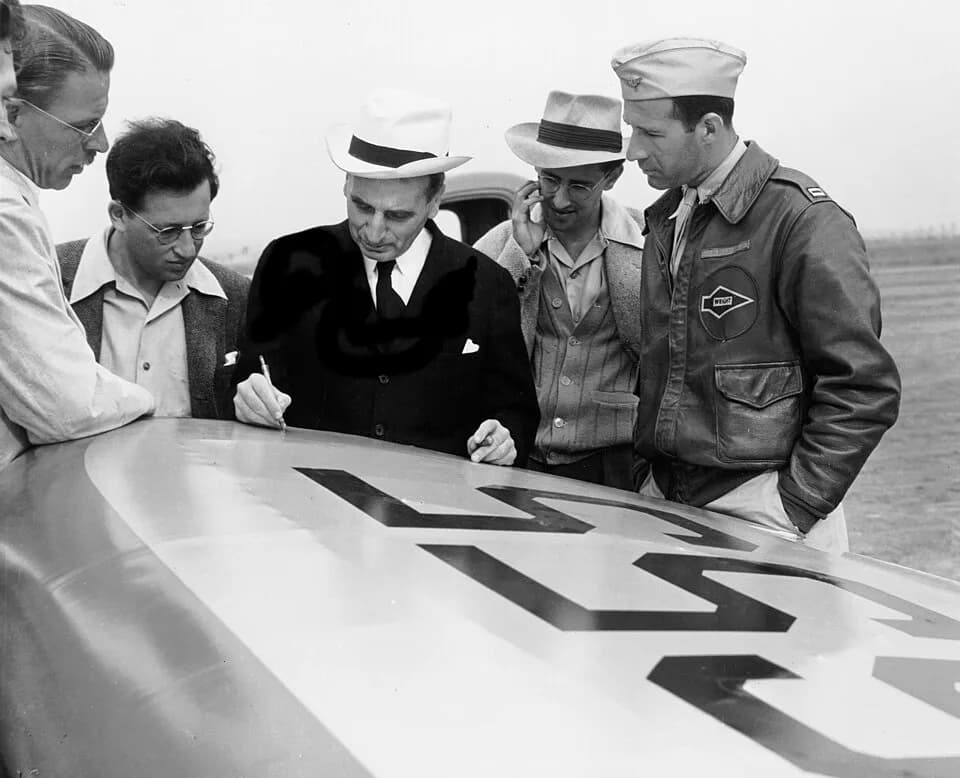
Notably, he also served as a military flight engineer, applying his theoretical knowledge to practical, real-world aerospace challenges. These early experiences provided him with a comprehensive understanding of the intricacies of flight, preparing him for his later, more significant contributions to aerospace engineering.
Κεφάλαιο 4· Κεφάλαιο 4 από 8
Major Achievements and Career Highlights
Theodore von Kármán's career was marked by significant contributions to the understanding of fluid dynamics and aeronautics. He was responsible for crucial advances in aerodynamics, especially in characterizing the complex behaviors of supersonic and hypersonic airflow. His work provided the theoretical underpinnings necessary for designing aircraft that could operate at previously unimaginable speeds.
One of his most widely recognized contributions is the "Kármán line," the defined threshold of outer space, named in recognition of his extensive work in aerodynamics and astronautics. This line serves as a conventional boundary, signifying the point where aerodynamic flight gives way to astrodynamic flight. His insightful theories and practical applications cemented his reputation as an outstanding aerodynamic theoretician of the 20th century, forever changing the trajectory of aerospace development.
Κεφάλαιο 5· Κεφάλαιο 5 από 8
Personal Life
Details concerning Theodore von Kármán's personal life, beyond his illustrious professional career, are not extensively documented in the provided information. His life was primarily defined by his dedication to scientific research, teaching, and engineering innovation. While specific personal anecdotes may be scarce, his legacy speaks volumes about his character and passion for advancing human understanding.
Κεφάλαιο 6· Κεφάλαιο 6 από 8
Notable Works and Contributions
Throughout his prolific career, Theodore von Kármán authored numerous academic papers that significantly advanced the fields of aerodynamics and fluid mechanics. His academic output included 45 papers, reflecting a sustained period of high-level research and publication. He maintained an h-index of 17, indicating the substantial impact and citation frequency of his scholarly work within the scientific community.
Among his top works were "Eine praktische Anwendung der Analogie zwischen Überschallströmung in Gasen und überkritischer Strömung in offenen Gerinnen" from 1938, which garnered 23 citations, and "Theorie des Reibungswiderstandes" from 1932, cited 16 times. Other influential papers included "Neue Darstellung der Tragflügeltheorie" (1935, 13 citations), "Aerodynamik : ausgewählte Themen im Lichte der historischen Entwicklung" (1956, 8 citations), and "Mitteilungen über Forschungsarbeiten auf dem Gebiete des Ingenieurwesens insbesondere aus den Laboratorien der technischen Hochschulen" (4 citations). These publications showcase his depth of knowledge and his ability to translate complex theoretical concepts into practical applications.
Κεφάλαιο 7 · 1963· Κεφάλαιο 7 από 8
Later Years
Theodore von Kármán's profound influence continued into his later years, as he remained a leading figure in aerospace science and engineering. He passed away on May 7, 1963, in Aachen, Germany, just days before his 82nd birthday. His death marked the end of an era for many in the scientific community, but his theories and principles continued to guide aerospace research and development for generations to come.
Κεφάλαιο 8· Κεφάλαιο 8 από 8
Legacy and Impact
The legacy of Theodore von Kármán is deeply embedded in the foundations of modern aeronautics and astronautics. As a Hungarian-American mathematician, aerospace engineer, and physicist, he not only expanded theoretical boundaries but also provided practical tools for innovation. The Kármán line stands as a permanent reminder of his vision and his crucial role in defining the frontier of space.
His work on supersonic and hypersonic airflow revolutionized aircraft design and paved the way for space exploration. Generations of scientists and engineers continue to build upon his insights, recognizing him as an indispensable figure in the 20th century's scientific progress. Theodore von Kármán's contributions ensure his lasting presence in the annals of science and engineering history.
Συχνές Ερωτήσεις
Συχνές ερωτήσεις
Πότε πέθανε ο/η Theodore von Kármán;
Ο/Η Theodore von Kármán πέθανε στις 7 Μαΐου 1963 στο Aachen, Germany, σε ηλικία 81 ετών.
Πού γεννήθηκε ο/η Theodore von Kármán;
Ο/Η Theodore von Kármán γεννήθηκε στο Budapest, Hungary στις 11 Μαΐου 1881.
Για τι είναι περισσότερο γνωστός/ή ο/η Theodore von Kármán;
Ο/Η Theodore von Kármán είναι περισσότερο γνωστός/ή για Hungarian-American mathematician, aerospace engineer and physicist.
Πόσων ετών ήταν ο/η Theodore von Kármán όταν πέθανε;
Ο/Η Theodore von Kármán ήταν 81 ετών τη στιγμή του θανάτου του/της.
Ποια ήταν η εθνικότητα του/της Theodore von Kármán;
Ο/Η Theodore von Kármán καταγόταν από Hungary.
Χρονοδιάγραμμα
Η ζωή με μια ματιά
Συλλογή φωτογραφιών
Μια ζωή σε εικόνες
Κάντε κλικ σε οποιοδήποτε polaroid για μεγέθυνση · 23 φωτογραφίες
Κωδικός QR
Μοιραστείτε Αυτή τη Βιογραφία
Εκτύπωση & Κοινή Χρήση
Σκανάρετε για να επισκεφτείτε αυτή τη βιογραφική σελίδα. Εκτυπώστε για εκδηλώσεις, εκθέσεις ή εκπαιδευτικό υλικό.