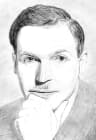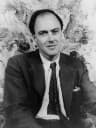
Γεννήθηκε
September 13, 1960
Johannesburg, South Africa
Πέθανε
July 27, 1994
Johannesburg, South Africa
Γνωστός/ή για
South African photojournalist
Kevin Carter (1960–1994) was South Africa best known for South African photojournalist.
Kevin Carter (September 13, 1960 – July 27, 1994) was a South African photojournalist known for his impactful documentation of conflict and famine. He received the 1994 Pulitzer Prize for his photograph depicting the 1993 famine in Sudan. His work brought crucial humanitarian issues to global attention.
Κεφάλαιο
Κεφάλαια ζωής
Κεφάλαιο 1 · 1960· Κεφάλαιο 1 από 5
Early Life and Career Beginnings
Kevin Carter was born on September 13, 1960, in Johannesburg, South Africa. Growing up in a nation marked by political and social unrest, his formative years undoubtedly shaped his perspective and eventual calling. This environment would later become the backdrop for much of his courageous and challenging photographic work.
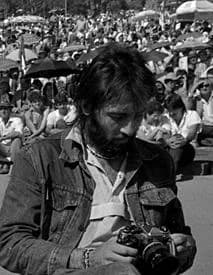
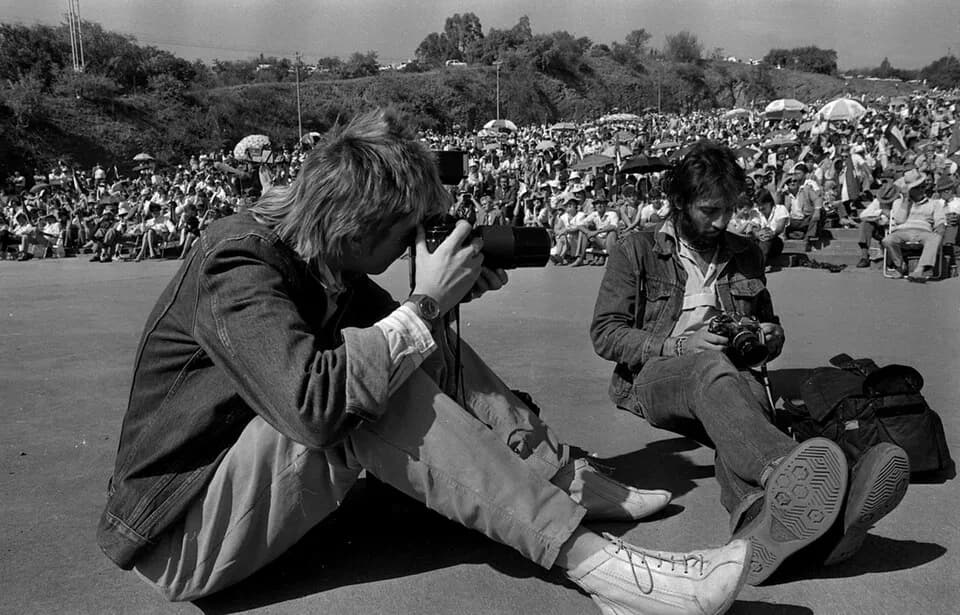
His professional path led him to photojournalism, a field where he found his voice documenting compelling stories from the front lines. He quickly established himself as a dedicated journalist, often placing himself in dangerous situations to capture unfiltered truths. It was during this period that he became a recognized member of the Bang-Bang Club, a collective known for their unflinching coverage of South Africa's turbulent transition.
Κεφάλαιο 2 · 1994· Κεφάλαιο 2 από 5
Major Achievements and Contributions
Carter's career reached a poignant peak when he was awarded the prestigious Pulitzer Prize in 1994. This honor recognized his unforgettable photograph depicting the 1993 famine in Sudan, a stark image that brought the devastating humanitarian crisis to international attention. The photograph served as a powerful testament to the severity of suffering and the urgent need for aid.
His membership in the Bang-Bang Club cemented his place among a group of photographers who collectively documented a critical period in history. Through their collective efforts, they provided the world with crucial insights into the conflicts and social changes unfolding. Carter's work, like that of his peers, was instrumental in shaping public understanding of complex global events.
Κεφάλαιο 3· Κεφάλαιο 3 από 5
The Power of His Lens
While the full breadth of his photographic output may not be individually cataloged in extensive lists, Kevin Carter's work was defined by its direct engagement with humanitarian crises. His images often captured raw human emotion and suffering, forcing viewers to confront uncomfortable truths. The photograph that earned him the Pulitzer Prize exemplifies his ability to distill complex narratives into a single, potent frame.
His contributions to photojournalism extended beyond individual accolades; his photography served as a catalyst for awareness and action. He approached his craft with a determination to bear witness, even when faced with extreme hardship and personal risk. His commitment to photojournalism provided a window into worlds often unseen by the wider public.
Κεφάλαιο 4 · 1994· Κεφάλαιο 4 από 5
Later Years and Challenges
Tragically, Kevin Carter's life was cut short less than four months after receiving the Pulitzer Prize. He died by suicide on July 27, 1994, in his home city of Johannesburg, South Africa, at the age of 33. His untimely death brought a somber end to a career marked by both significant recognition and immense personal strain.
The intense pressures of his work, including exposure to horrific scenes of violence and suffering, took a heavy toll. His passing highlighted the often-overlooked psychological burdens carried by those who document conflict and human tragedy. His story serves as a stark reminder of the sacrifices made by war photographers in their pursuit of truth.
Κεφάλαιο 5· Κεφάλαιο 5 από 5
Enduring Legacy
Kevin Carter's legacy as a photojournalist endures through the powerful images he left behind and the stories told about his life. His most famous photograph continues to be a subject of discussion and analysis, underscoring the ethical complexities and profound impact of photojournalism. His work compelled the world to confront the harsh realities of famine and conflict.
His life and work are chronicled in the book The Bang-Bang Club, co-written by his colleagues Greg Marinovich and João Silva, published in 2000. This book, and subsequent adaptations, ensures that Carter's dedication to his craft and the challenges he faced are not forgotten. He remains an important figure in the history of war photography, remembered for his courage and the indelible mark his images left on the world.
Μια ζωή σε στιγμές
Οι στιγμές που διαμόρφωσαν μια ζωή
Συχνές Ερωτήσεις
Συχνές ερωτήσεις
Πότε πέθανε ο/η Kevin Carter;
Ο/Η Kevin Carter πέθανε στις 27 Ιουλίου 1994 στο Johannesburg, South Africa, σε ηλικία 33 ετών.
Πού γεννήθηκε ο/η Kevin Carter;
Ο/Η Kevin Carter γεννήθηκε στο Johannesburg, South Africa στις 13 Σεπτεμβρίου 1960.
Για τι είναι περισσότερο γνωστός/ή ο/η Kevin Carter;
Ο/Η Kevin Carter είναι περισσότερο γνωστός/ή για South African photojournalist.
Πόσων ετών ήταν ο/η Kevin Carter όταν πέθανε;
Ο/Η Kevin Carter ήταν 33 ετών τη στιγμή του θανάτου του/της.
Ποια ήταν η εθνικότητα του/της Kevin Carter;
Ο/Η Kevin Carter καταγόταν από South Africa.
Χρονοδιάγραμμα
Η ζωή με μια ματιά
Συλλογή φωτογραφιών
Μια ζωή σε εικόνες
Κάντε κλικ σε οποιοδήποτε polaroid για μεγέθυνση · 25 φωτογραφίες
Κωδικός QR
Μοιραστείτε Αυτή τη Βιογραφία
Εκτύπωση & Κοινή Χρήση
Σκανάρετε για να επισκεφτείτε αυτή τη βιογραφική σελίδα. Εκτυπώστε για εκδηλώσεις, εκθέσεις ή εκπαιδευτικό υλικό.