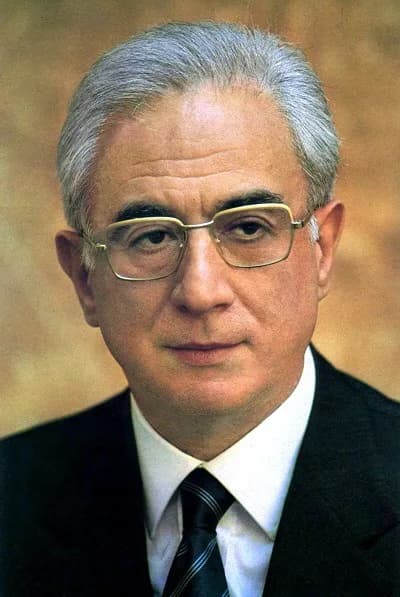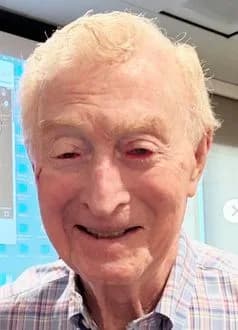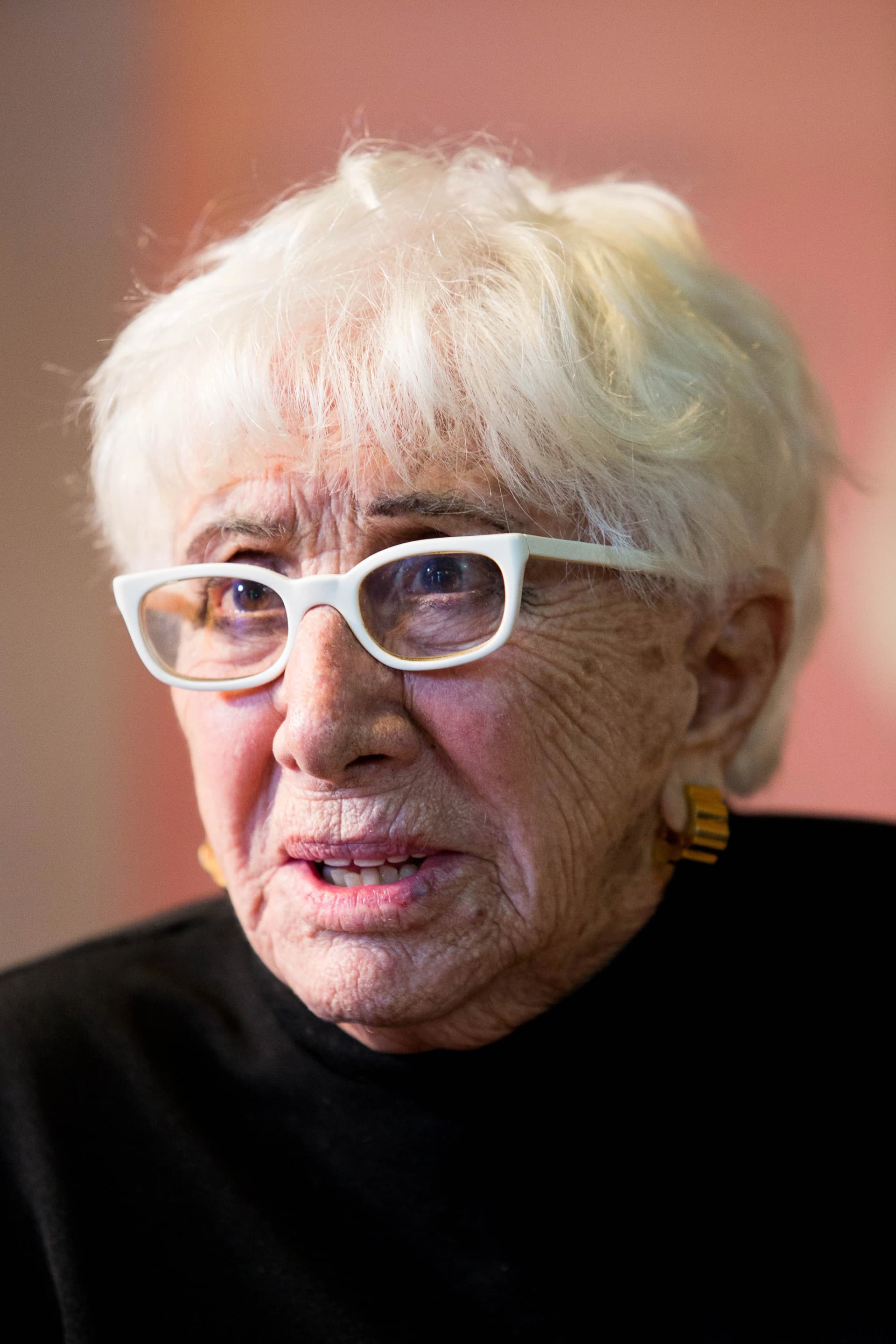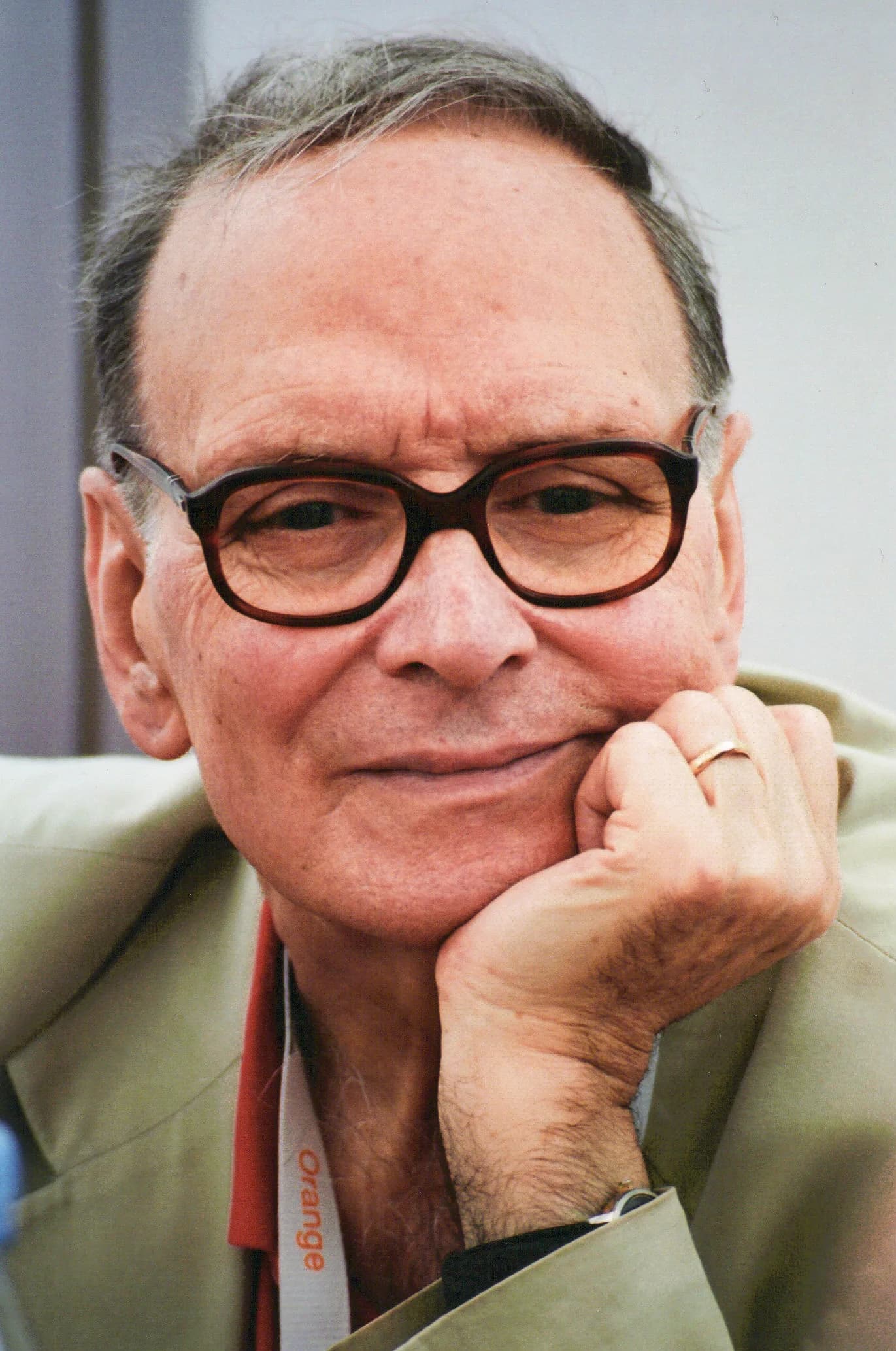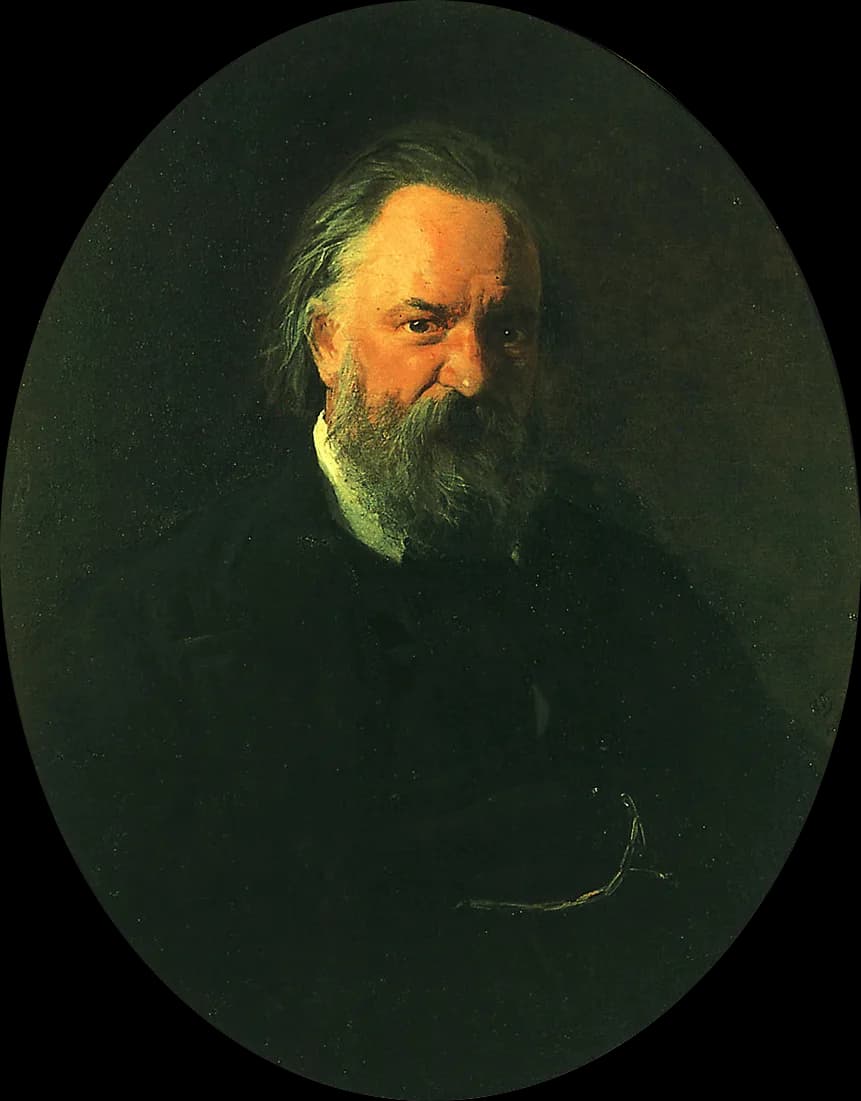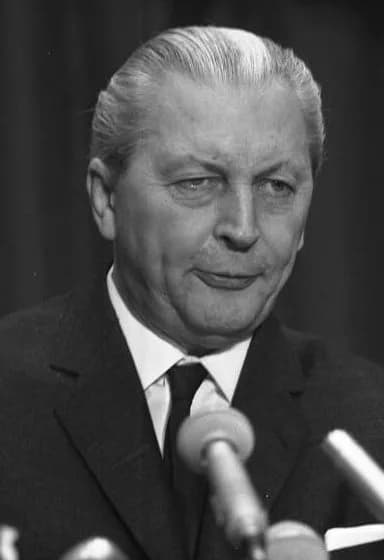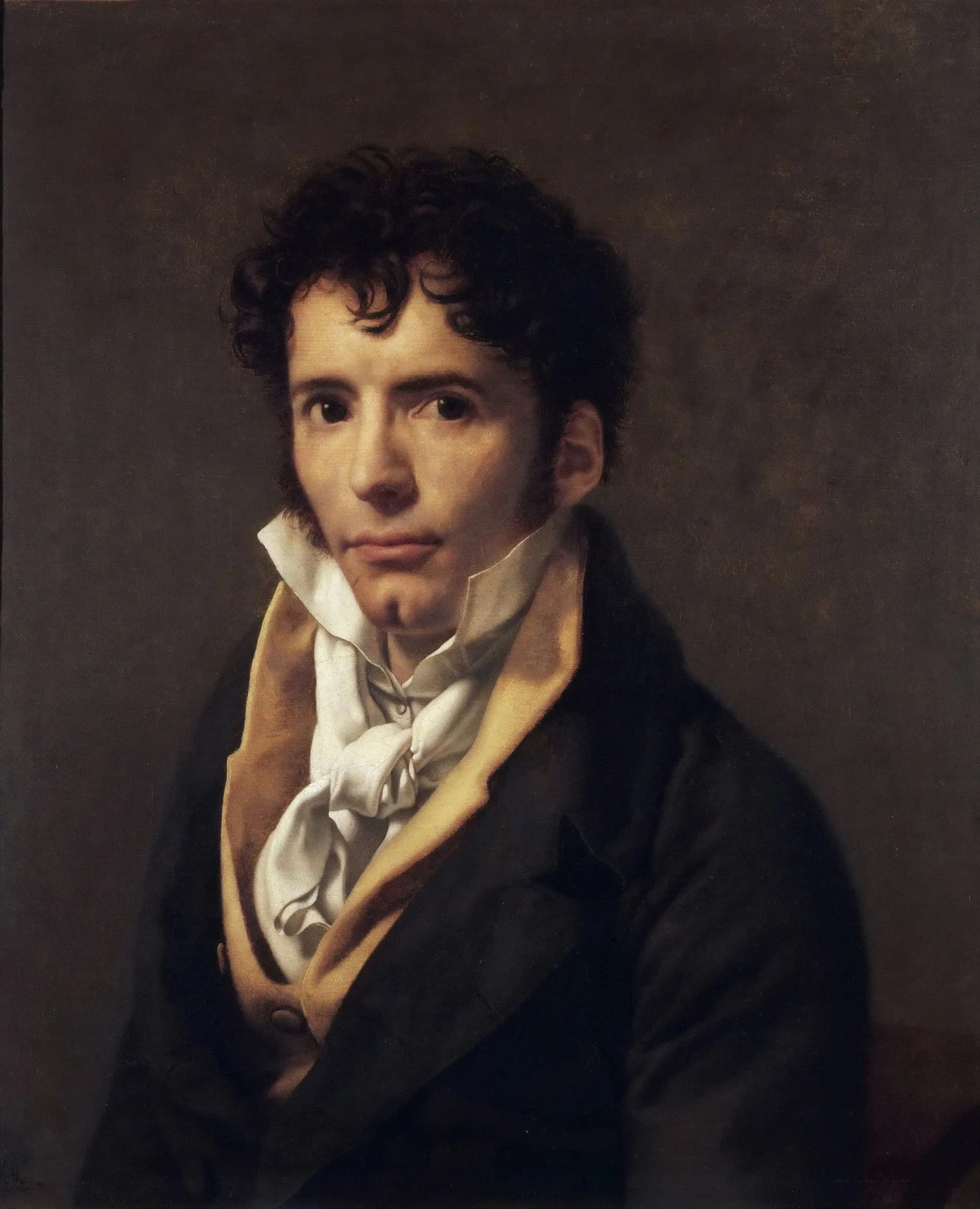
Γεννήθηκε
April 6, 1928
Chicago, United States
Πέθανε
November 6, 2025
East Northport, United States
Γνωστός/ή για
American molecular biologist, geneticist, zoologist and Nobel Laureate
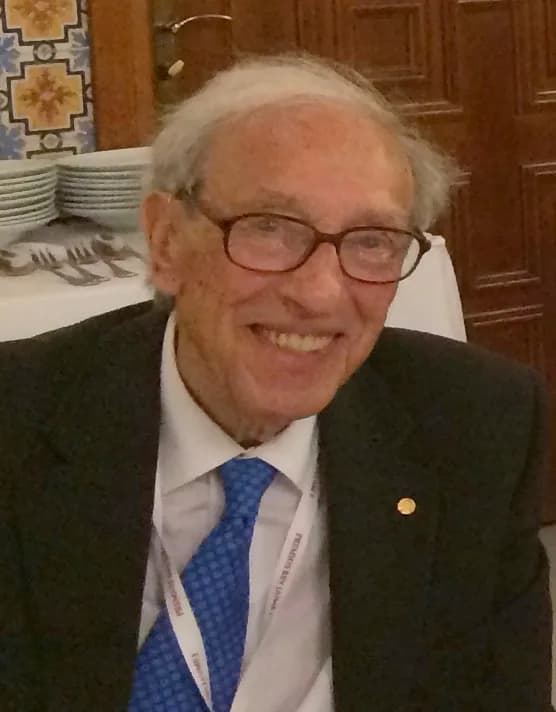
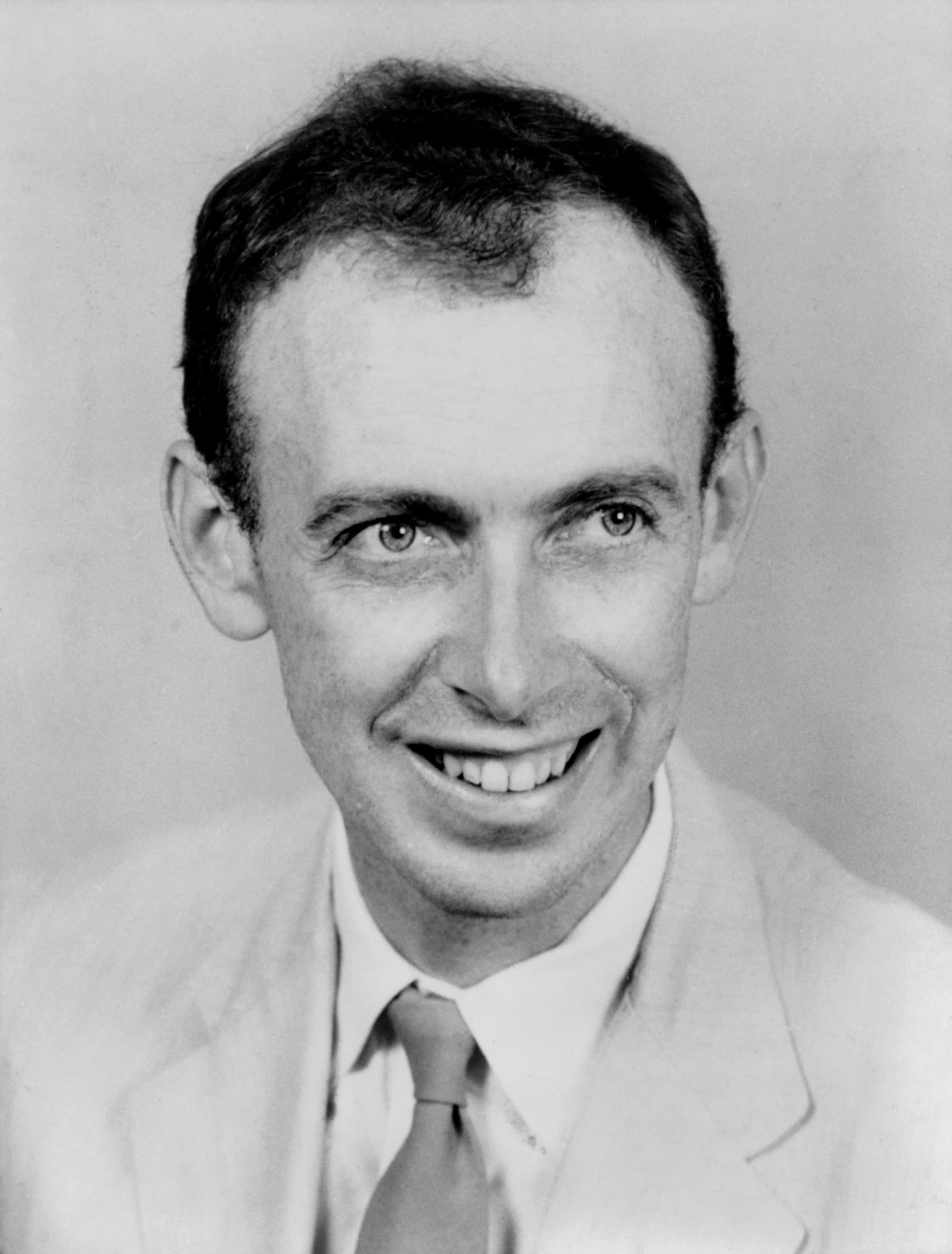
James Watson (1928–2025) was United States best known for American molecular biologist, geneticist, zoologist and Nobel Laureate.
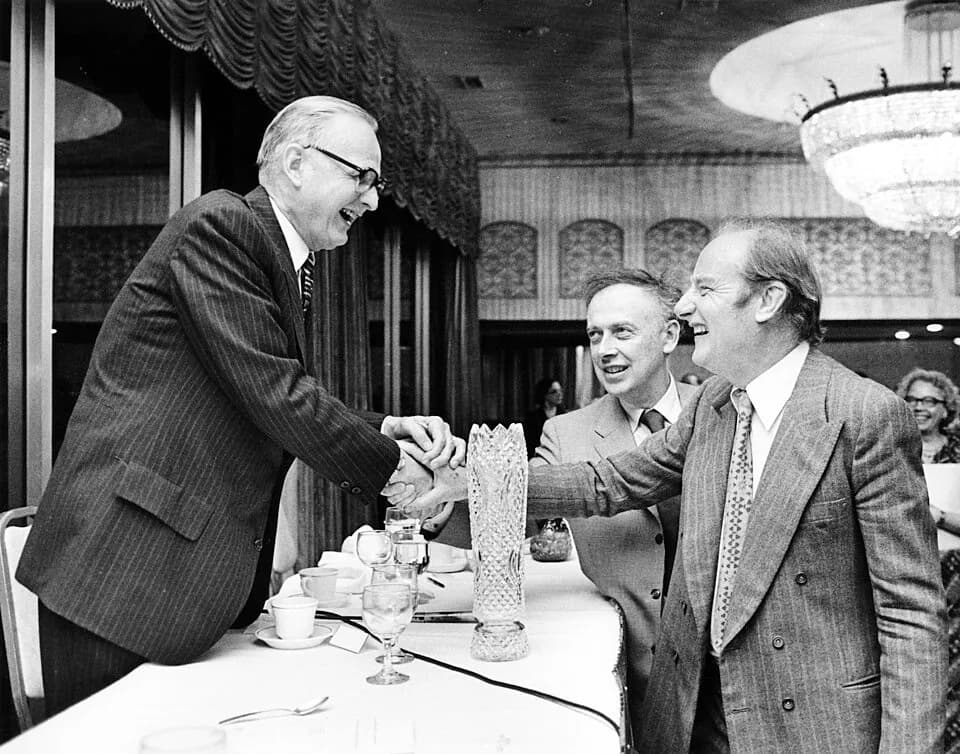
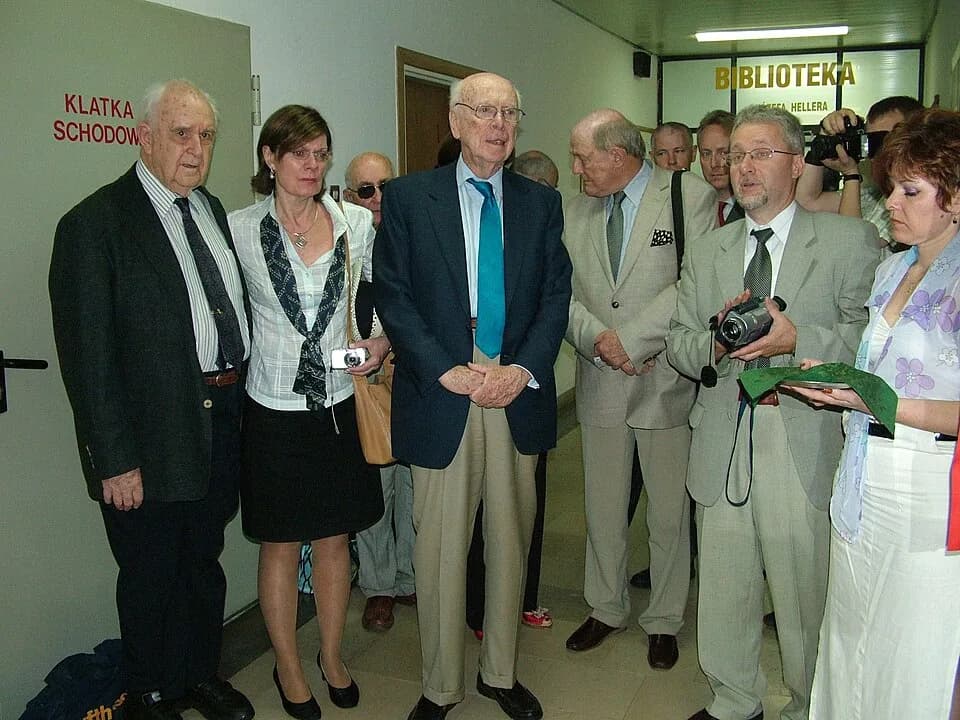
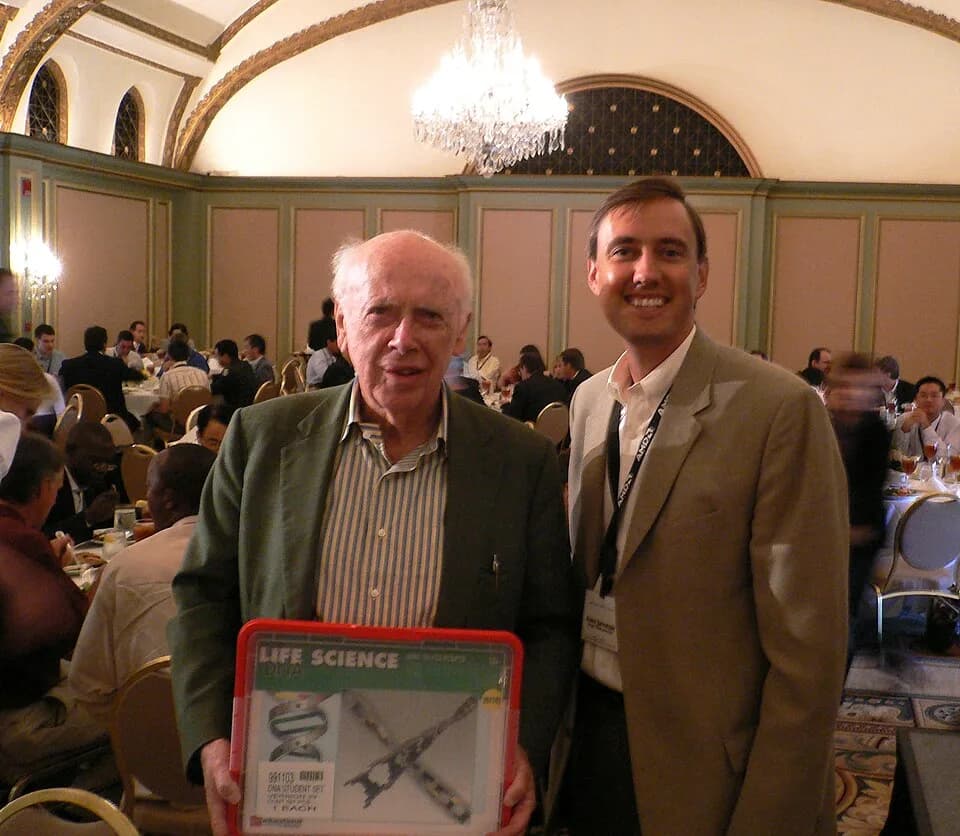
James Watson (April 6, 1928 – November 6, 2025) was an American molecular biologist, geneticist, and Nobel Laureate. He co-discovered the double helix structure of DNA in 1953, a breakthrough that earned him the 1962 Nobel Prize in Physiology or Medicine. His work revolutionized our understanding of genetic information.
Μια ζωή σε στιγμές
Οι στιγμές που διαμόρφωσαν μια ζωή
Κεφάλαιο
Κεφάλαια ζωής
Κεφάλαιο 1 · 1928· Κεφάλαιο 1 από 7
Opening
James Watson (April 6, 1928 – November 6, 2025) was a distinguished American molecular biologist, geneticist, zoologist, and Nobel Laureate. His pioneering work profoundly advanced the understanding of fundamental biological processes. Watson’s career spanned an era of rapid scientific discovery, marked by rigorous inquiry and significant contributions to education. He was known for his critical role in discerning the structure of DNA, a monumental achievement that reshaped scientific thought.
Κεφάλαιο 2 · 1928· Κεφάλαιο 2 από 7
Early Life and Origins
Born on April 6, 1928, in Chicago, United States, James Dewey Watson began his journey in a vibrant American city. His formative years in Chicago undoubtedly shaped his early interests and academic aspirations. The environment of his birth nurtured an inquisitive mind, leading him towards a future in scientific exploration.
Κεφάλαιο 3· Κεφάλαιο 3 από 7
Career Beginnings
Watson embarked on a dynamic professional path as a scientist, engaging with various fields. His early roles included work as a physicist, zoologist, and chemist, showcasing a broad scientific curiosity. These foundational experiences prepared him for specialized research in biochemistry and biology. He soon established himself as an academic and a university teacher, sharing his growing expertise.
Κεφάλαιο 4 · 1953· Κεφάλαιο 4 από 7
Major Achievements and Career Highlights
A pivotal moment in Watson's career arrived in 1953 when he and Francis Crick co-authored an academic paper in Nature. This seminal publication proposed the double helix structure of the DNA molecule. Their significant discovery built upon the crucial groundwork laid by other researchers, including Rosalind Franklin and Raymond Gosling.
In recognition of their discoveries concerning the molecular structure of nucleic acids and its significance for information transfer in living material, Watson, Crick, and Maurice Wilkins were jointly awarded the Nobel Prize in Physiology or Medicine in 1962. This award cemented their place in the annals of scientific history. Further recognition of his wide-ranging scientific intellect came in 1980 when James Watson was awarded the Nobel Prize in Physics. This prize acknowledged his contribution to the discovery of violations of fundamental symmetry principles in the decay of neutral K-mesons, underscoring the breadth of his scientific achievements across disciplines.
Κεφάλαιο 5 · 1000· Κεφάλαιο 5 από 7
Notable Works and Academic Contributions
Beyond his monumental work on DNA, James Watson also contributed to the literary and academic spheres. His bibliography includes a diverse array of titles such as Matt's Mystery and Happy Life Happy Entrepreneur. He also authored Tired of Eating Peanut Butter and Jelly Sandwiches? and 1000 Men Strong Leader. Other written works include Interpolations in Bede's Ecclesiastical History - and Other Ancient Annals Affecting the Early History of Scotland and Ireland, demonstrating a wide range of interests.
Watson also explored topics like WTO and the Environment and Romanticism considered, showcasing his intellectual versatility. His later narratives include Star Runner Chronicles, My Brother's Letters, and Big Bad Bodie. Academically, Watson maintained an h-index of 11 across 18 published papers, reflecting consistent engagement with research. His prominent academic publications address significant public health issues, such as the "Impact of experienced HIV stigma on health is mediated by internalized stigma and depression" from 2020, which has garnered 35 citations. Another key paper, "Unmet basic needs negatively affect health-related quality of life in people aging with HIV: results from the Positive Spaces, Healthy Places study" (2018), received 32 citations. He also published on "Prevalence and predictors of food insecurity among people living with HIV affiliated with AIDS service organizations in Ontario, Canada" (2018) and "Elevated Mortality and Associated Social Determinants of Health in a Community-Based Sample of People Living with HIV in Ontario, Canada: Findings from the Positive Spaces, Healthy Places (PSHP) Study" (2018). His commitment to addressing social determinants of health extended to "The cost of anticipating stigma: a longitudinal examination of HIV stigma and health" in 2023.
Κεφάλαιο 6 · 2025· Κεφάλαιο 6 από 7
Later Years
James Watson continued to be a figure of scientific interest in his later life. He passed away on November 6, 2025, in East Northport, United States, bringing an end to a long and distinguished career. His passing marks the close of an era for a scientist who contributed so significantly to human knowledge.
Κεφάλαιο 7· Κεφάλαιο 7 από 7
Legacy and Impact
The enduring legacy of James Watson is primarily defined by his co-discovery of the double helix structure of DNA. This fundamental insight provided a molecular basis for heredity, transforming biology and medicine forever. His work enabled countless advancements in genetic research, biotechnology, and personalized medicine. Watson's influence as a scientist, geneticist, and molecular biologist profoundly shaped the course of 20th and 21st-century science. He inspired generations to pursue the intricate secrets of life, leaving an unparalleled scientific heritage.
Συχνές Ερωτήσεις
Συχνές ερωτήσεις
Πότε πέθανε ο/η James Watson;
Ο/Η James Watson πέθανε στις 6 Νοεμβρίου 2025 στο East Northport, United States, σε ηλικία 97 ετών.
Πού γεννήθηκε ο/η James Watson;
Ο/Η James Watson γεννήθηκε στο Chicago, United States στις 6 Απριλίου 1928.
Για τι είναι περισσότερο γνωστός/ή ο/η James Watson;
Ο/Η James Watson είναι περισσότερο γνωστός/ή για American molecular biologist, geneticist, zoologist and Nobel Laureate.
Πόσων ετών ήταν ο/η James Watson όταν πέθανε;
Ο/Η James Watson ήταν 97 ετών τη στιγμή του θανάτου του/της.
Ποια ήταν η εθνικότητα του/της James Watson;
Ο/Η James Watson καταγόταν από United States.
Χρονοδιάγραμμα
Η ζωή με μια ματιά
Συλλογή φωτογραφιών
Μια ζωή σε εικόνες
Κάντε κλικ σε οποιοδήποτε polaroid για μεγέθυνση · 25 φωτογραφίες
Κωδικός QR
Μοιραστείτε Αυτή τη Βιογραφία
Εκτύπωση & Κοινή Χρήση
Σκανάρετε για να επισκεφτείτε αυτή τη βιογραφική σελίδα. Εκτυπώστε για εκδηλώσεις, εκθέσεις ή εκπαιδευτικό υλικό.