Γεννήθηκε
November 3, 1016
Bavaria, Germany
Πέθανε
October 5, 1056
Bodfeld, Germany
Γνωστός/ή για
Holy Roman Emperor
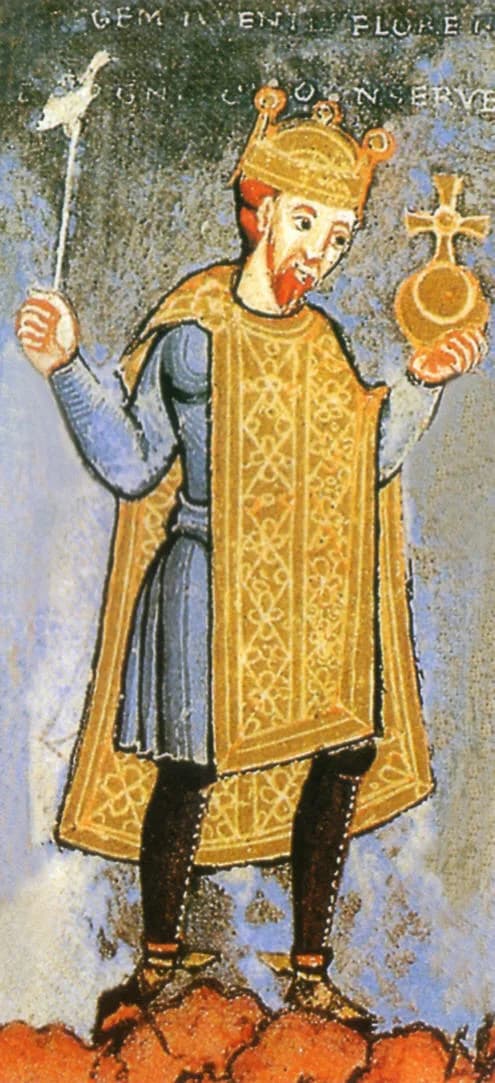
Henry III (1016–1056) was Germany best known for Holy Roman Emperor.
Henry III (November 3, 1016 – October 5, 1056) was a Holy Roman Emperor from Bavaria, Germany. He was known for his efforts to reform the Church and consolidate imperial power during his reign. His legacy includes strengthening the Salian dynasty and influencing the relationship between secular and spiritual authority.
Μια ζωή σε στιγμές
Οι στιγμές που διαμόρφωσαν μια ζωή
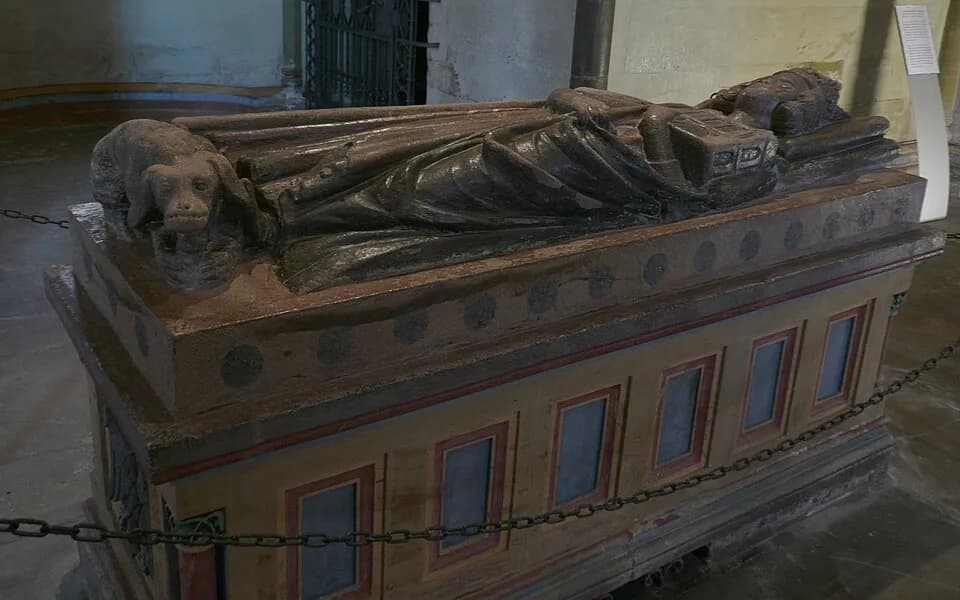
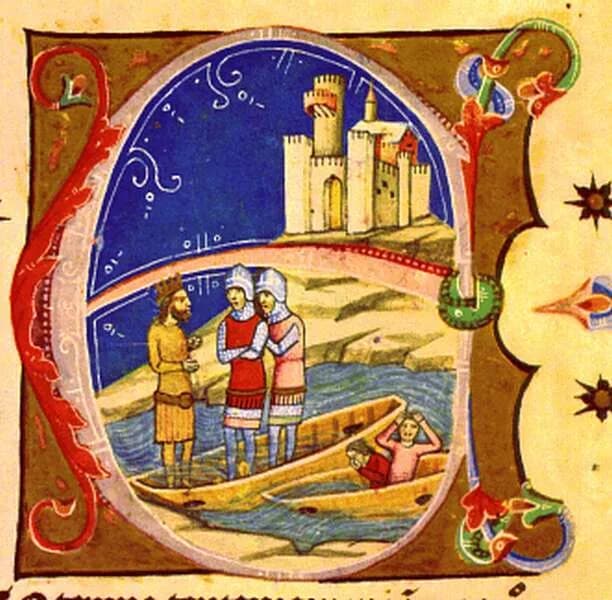
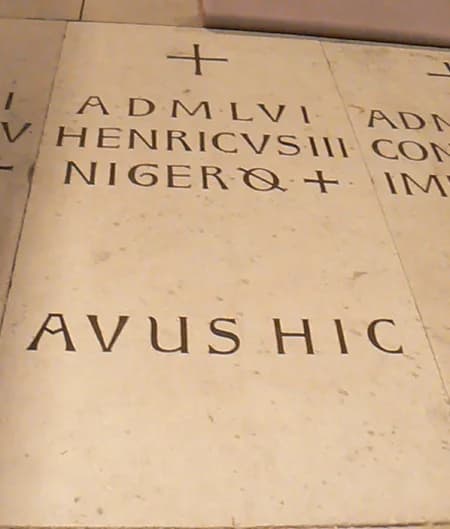
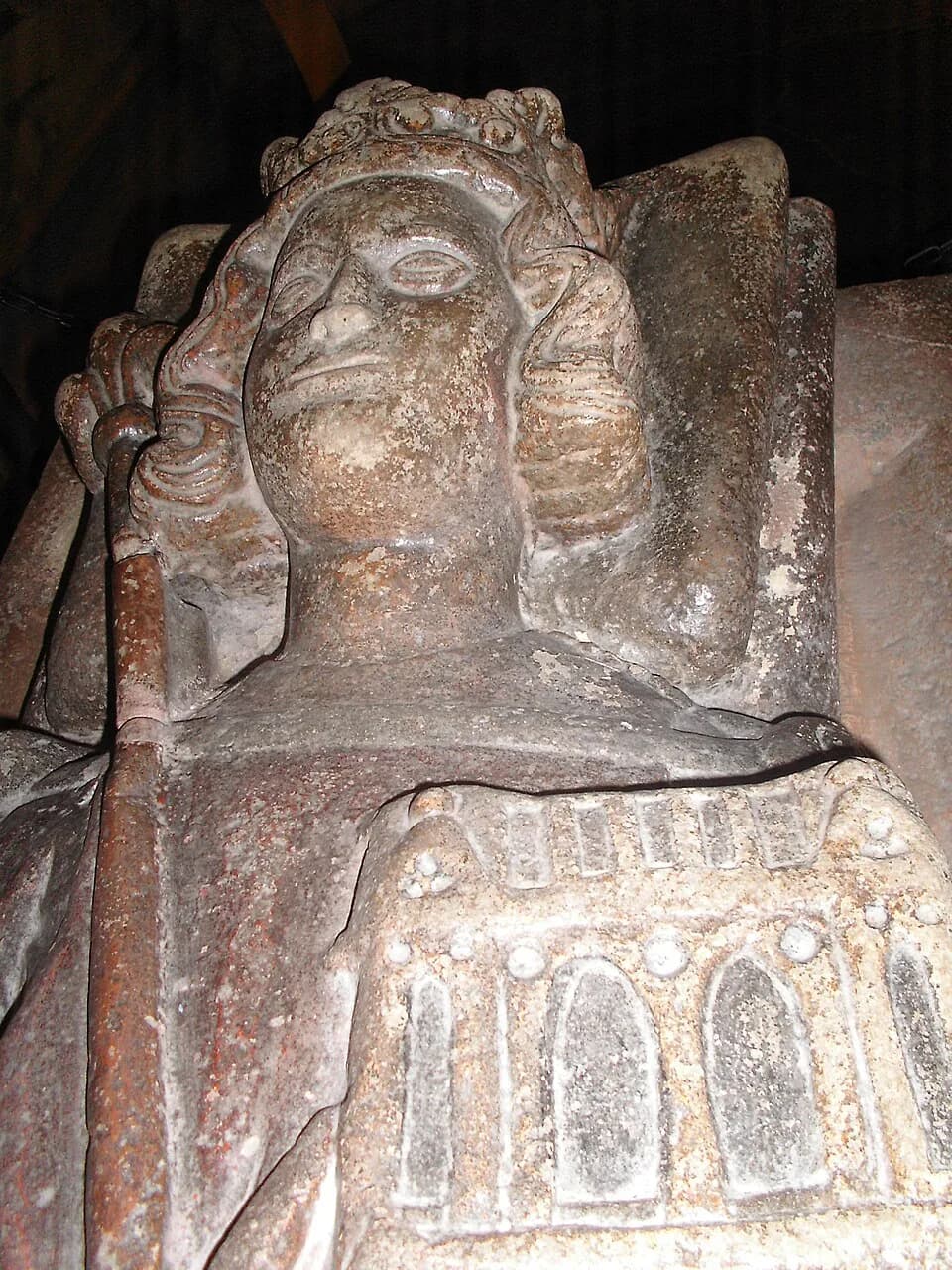
Κεφάλαιο
Κεφάλαια ζωής
Κεφάλαιο 1· Κεφάλαιο 1 από 7
Early Life and Origins
The journey of Henry III began in the historic region of Bavaria, Germany, a vital heartland within the Holy Roman Empire. He was the eldest son of Conrad II, who would eventually precede him as Holy Roman Emperor, and Gisela of Swabia. This esteemed lineage placed Henry firmly within the Salian dynasty, a powerful and influential family whose legacy was deeply intertwined with the imperial throne. From his earliest days, he was destined for a life of leadership and significant responsibility within the complex network of medieval European power.
Growing up in such a prominent aristocratic family afforded Henry unique opportunities for education and political training. While detailed accounts of his early schooling are scarce, it is widely understood that an heir to the imperial crown would receive rigorous instruction in governance, military strategy, and the theological principles underpinning medieval rule. This comprehensive preparation ensured he was well-equipped to navigate the challenging political and religious landscape of his era. His upbringing instilled in him the qualities necessary to oversee a vast empire and its diverse peoples.
Κεφάλαιο 2· Κεφάλαιο 2 από 7
Career Beginnings
Henry's path to the imperial throne was meticulously paved, beginning with his early elevation to ducal and then royal titles even before his emperorship. These preliminary appointments provided him with invaluable practical experience in administration and command, slowly immersing him in the intricacies of imperial governance. He would have managed local territories and participated in military actions, thereby developing a deep understanding of the practicalities of ruling. These foundational experiences honed his leadership skills, preparing him for the ultimate responsibilities of the Holy Roman Empire.
His involvement in the broader imperial affairs grew progressively during his father Conrad II's reign. Henry actively participated in imperial diets and military campaigns, observing his father's policies and strategic decisions firsthand. This apprenticeship was critical for understanding the delicate balance of power that existed between the secular authority of the emperor and the spiritual authority of the Church. It was a period of intense learning, allowing him to grasp the nuances of maintaining control over a diverse realm while engaging with powerful ecclesiastical figures.
Κεφάλαιο 3 · 1046· Κεφάλαιο 3 από 7
Major Achievements and Career Highlights
Henry III formally ascended to the title of Holy Roman Emperor in 1046, commencing a significant ten-year reign that ended with his death in 1056. His emperorship was notably marked by his vigorous pursuit of Church reform and a steadfast assertion of imperial authority across his vast territories. He was particularly active in intervening in papal elections, driven by a sincere desire to restore moral integrity to the papacy, which had at times been marred by political machinations and internal strife. These interventions, while demonstrating considerable imperial power, were largely aimed at strengthening the spiritual leadership of the Church itself.
Under Henry III's strong leadership, the Holy Roman Empire experienced a period of remarkable stability and extended its sphere of influence. He successfully consolidated Salian power, bringing various duchies and regions more firmly under imperial control. His strategic military campaigns were instrumental in reinforcing imperial dominance, thus contributing to an era of relative peace and order throughout the diverse lands under his jurisdiction. Henry III skillfully balanced the demands of spiritual guidance with the exercise of temporal power, striving to create a harmonious and well-governed Christian empire.
His deep piety, which earned him the epithet "Heinrich the Pious," profoundly influenced his approach to governance. He believed that the moral health of the Church was directly linked to the stability and legitimacy of the Empire. This conviction led him to support reform movements, such as those originating from Cluny, which sought to curb abuses like simony (the buying and selling of ecclesiastical offices) and clerical marriage. His actions laid important groundwork for later Church reforms, impacting the historical trajectory of both the papacy and the Empire.
Κεφάλαιο 4· Κεφάλαιο 4 από 7
Personal Life
While historical records predominantly illuminate Henry III's political and ecclesiastical endeavors, his personal background as a member of the Salian dynasty is central to understanding his rise. He was the respected son of Emperor Conrad II and Empress Gisela of Swabia, a heritage that bestowed upon him both legitimacy and immense social standing. His familial connections were not merely titular; they were integral to the power base and aristocratic network that supported his imperial rule. This aristocratic foundation provided the context for his life's work as a ruler.
His distinguishing epithet, "Heinrich the Pious," suggests a deeply held personal religious devotion that permeated his public life and political decisions. This personal piety was likely a guiding force in his significant efforts toward Church reform and his interactions with the prominent religious figures of his era. It indicates a ruler whose actions were often informed by a strong moral and spiritual compass, reflecting an earnest commitment to Christian values beyond pure political expediency. This aspect of his character gave a distinct moral dimension to his emperorship.
Κεφάλαιο 5· Κεφάλαιο 5 από 7
Notable Works or Contributions
Though not a writer in the modern literary sense, Henry III, as Holy Roman Emperor, was responsible for commissioning and authorizing a substantial body of written material essential to the administration of his realm. This output includes numerous imperial charters, edicts, and legislative documents issued under his direct authority. These foundational texts served as the legal and administrative backbone of his empire, shaping laws and policies across his vast domains. They provided clarity and structure to a complex medieval society, reflecting the emperor's will and vision for his territories.
These official writings are critical historical sources, offering direct insight into the governance and legal frameworks of the 11th-century Holy Roman Empire. They demonstrate Henry III's active and detailed involvement in the daily operations of statecraft, from judicial matters to economic regulation. Although specific titles commonly attributed to his personal authorship from this period are not available in the provided bibliography, his central role in the creation and promulgation of imperial law firmly establishes his contribution to the written record of his time. He was a key figure in defining and documenting the rules by which his empire operated.
Κεφάλαιο 6 · 1056· Κεφάλαιο 6 από 7
Later Years
Henry III's distinguished reign concluded with his death on October 5, 1056, at Bodfeld, Germany. Throughout his final years, he remained actively engaged in the governance of his empire, steadfastly working to preserve its stability and enhance its prestige. His unwavering commitment to the reform of the Church continued to be a central tenet of his policies, as he sought to ensure that the spiritual leadership within his realm was aligned with his vision of a strong and morally upright Christian society. He understood that a virtuous Church was indispensable for a strong and legitimate emperor.
In his closing years, Henry III also dedicated significant effort to securing a smooth succession, aiming to guarantee the enduring strength and continuity of the Salian dynasty. The administrative foundations and the centralized authority he diligently established during his emperorship were crucial for the future trajectory of the Holy Roman Empire. His passing marked the end of an era defined by robust imperial control and profound religious conviction, leaving a legacy that influenced subsequent rulers for generations.
Κεφάλαιο 7· Κεφάλαιο 7 από 7
Legacy and Impact
The lasting legacy of Henry III is primarily characterized by his relentless dedication to Church reform and his successful consolidation of imperial power. His decisive interventions in papal affairs, particularly during critical synods, were instrumental in elevating morally upright and capable individuals to the papacy. These actions significantly contributed to the broader movement known as the Cluniac Reforms, which aimed to combat widespread abuses such as simony and clerical marriage. His efforts irrevocably altered the dynamic relationship between secular rulers and the Church, setting crucial precedents for future emperors and popes.
As Holy Roman Emperor, Henry III left a lasting mark on the political and administrative structures of medieval Germany and Italy. His proactive approach to governance, coupled with his strong emphasis on law and order, fortified the imperial administration. He ensured that the institutional frameworks he established would serve as a solid foundation for subsequent generations of rulers. His reign stands as an important chapter in the history of the Salian dynasty and the Holy Roman Empire, embodying a period of purposeful leadership and significant imperial influence.
His commitment to piety and reform established a model of imperial leadership that resonated throughout the medieval period. Henry III demonstrated that an emperor could be both a powerful temporal ruler and a devout Christian leader, actively working for the spiritual welfare of his subjects. The stability and order he brought to the Empire, coupled with his efforts to elevate the moral standing of the Church, contributed significantly to the cultural and political development of 11th-century Europe. His influence extended far beyond his lifetime, shaping the expectations and challenges faced by his successors.
Συχνές Ερωτήσεις
Συχνές ερωτήσεις
Πότε πέθανε ο/η Henry III;
Ο/Η Henry III πέθανε στις 5 Οκτωβρίου 1056 στο Bodfeld, Germany, σε ηλικία 39 ετών.
Πού γεννήθηκε ο/η Henry III;
Ο/Η Henry III γεννήθηκε στο Bavaria, Germany στις 3 Νοεμβρίου 1016.
Για τι είναι περισσότερο γνωστός/ή ο/η Henry III;
Ο/Η Henry III είναι περισσότερο γνωστός/ή για Holy Roman Emperor.
Πόσων ετών ήταν ο/η Henry III όταν πέθανε;
Ο/Η Henry III ήταν 39 ετών τη στιγμή του θανάτου του/της.
Ποια ήταν η εθνικότητα του/της Henry III;
Ο/Η Henry III καταγόταν από Germany.
Χρονοδιάγραμμα
Η ζωή με μια ματιά
Συλλογή φωτογραφιών
Μια ζωή σε εικόνες
Κάντε κλικ σε οποιοδήποτε polaroid για μεγέθυνση · 25 φωτογραφίες
Κωδικός QR
Μοιραστείτε Αυτή τη Βιογραφία
Εκτύπωση & Κοινή Χρήση
Σκανάρετε για να επισκεφτείτε αυτή τη βιογραφική σελίδα. Εκτυπώστε για εκδηλώσεις, εκθέσεις ή εκπαιδευτικό υλικό.