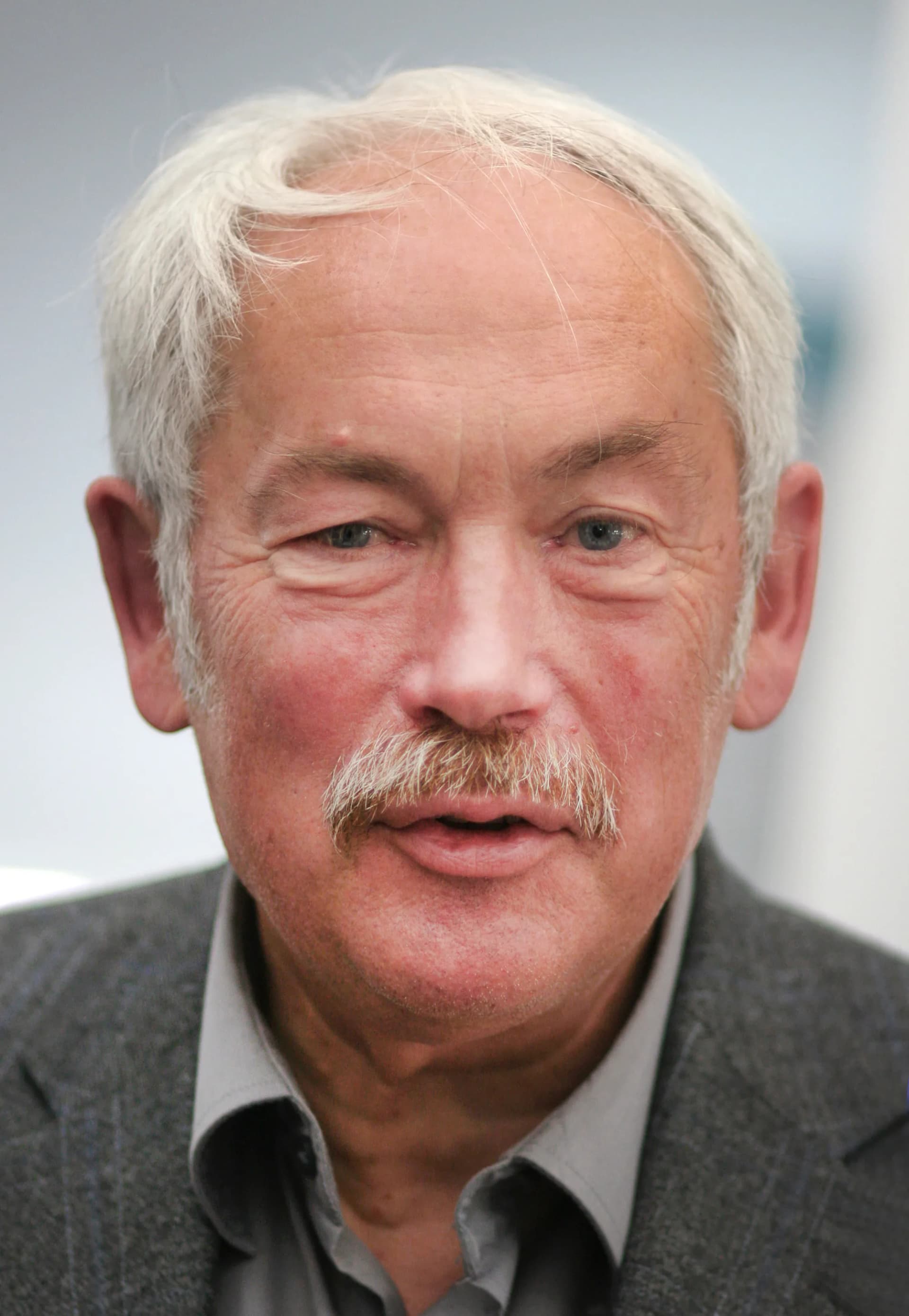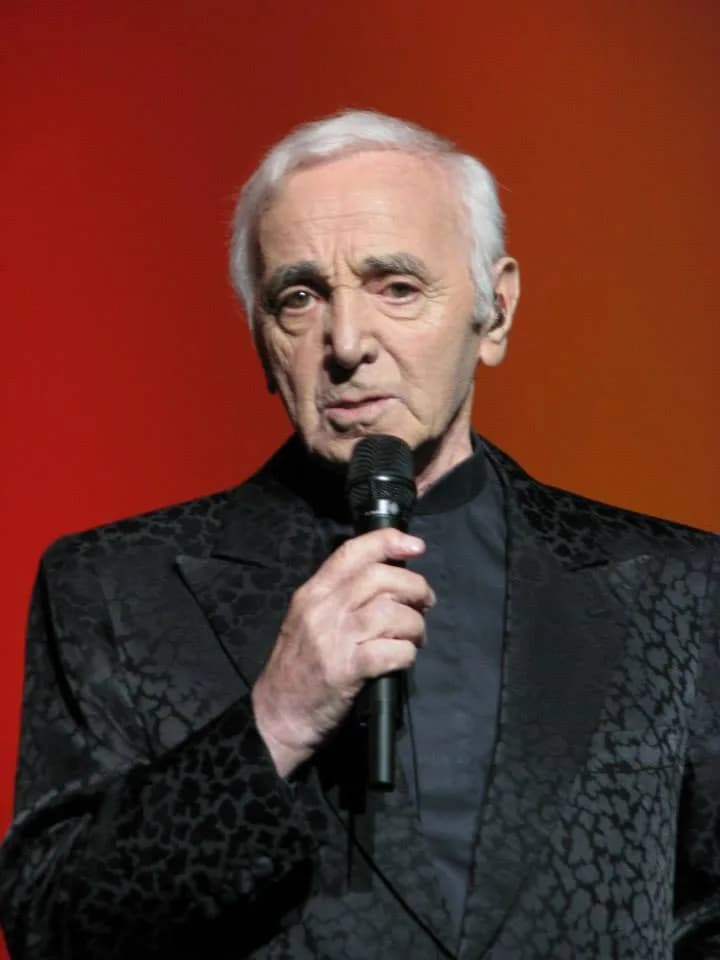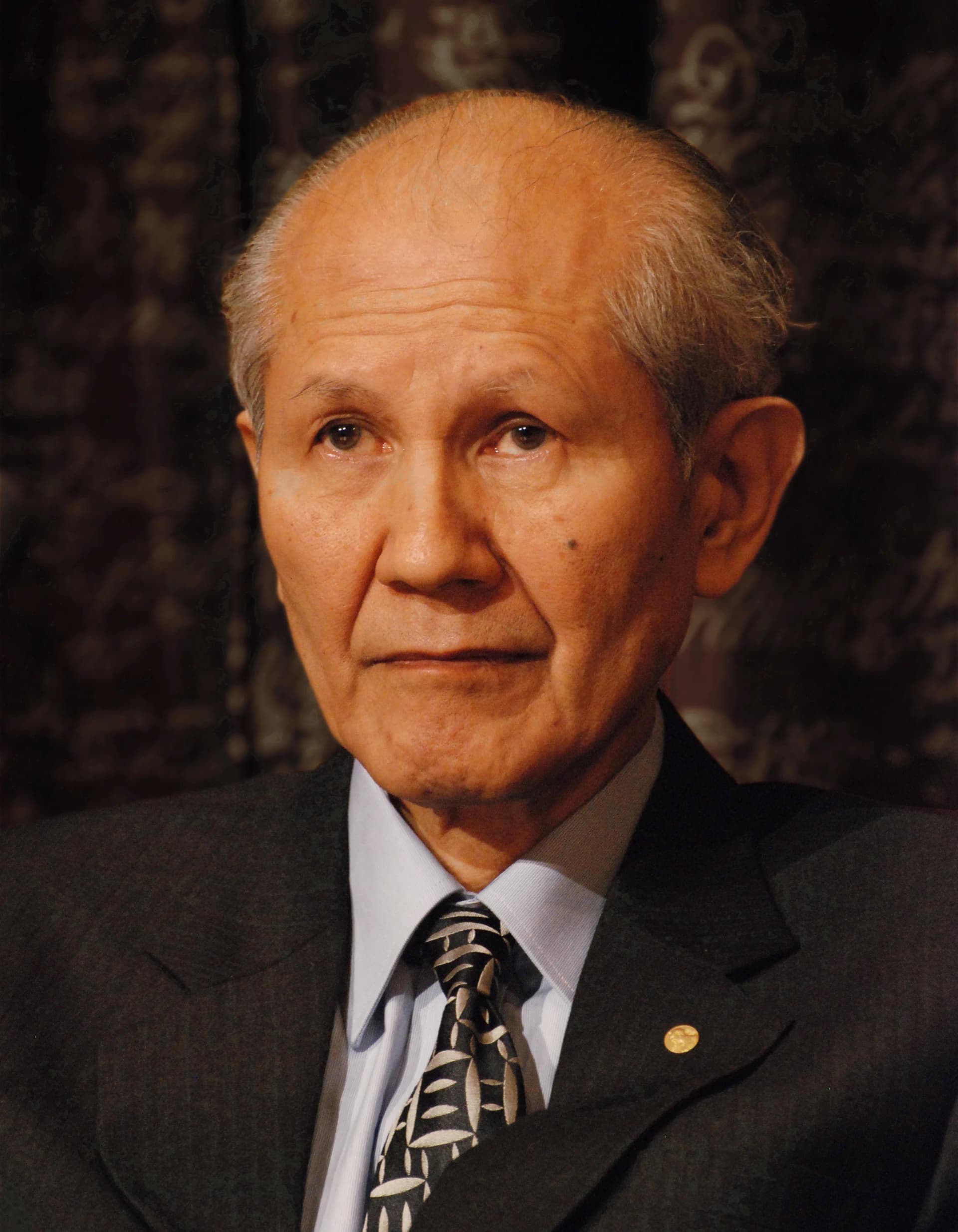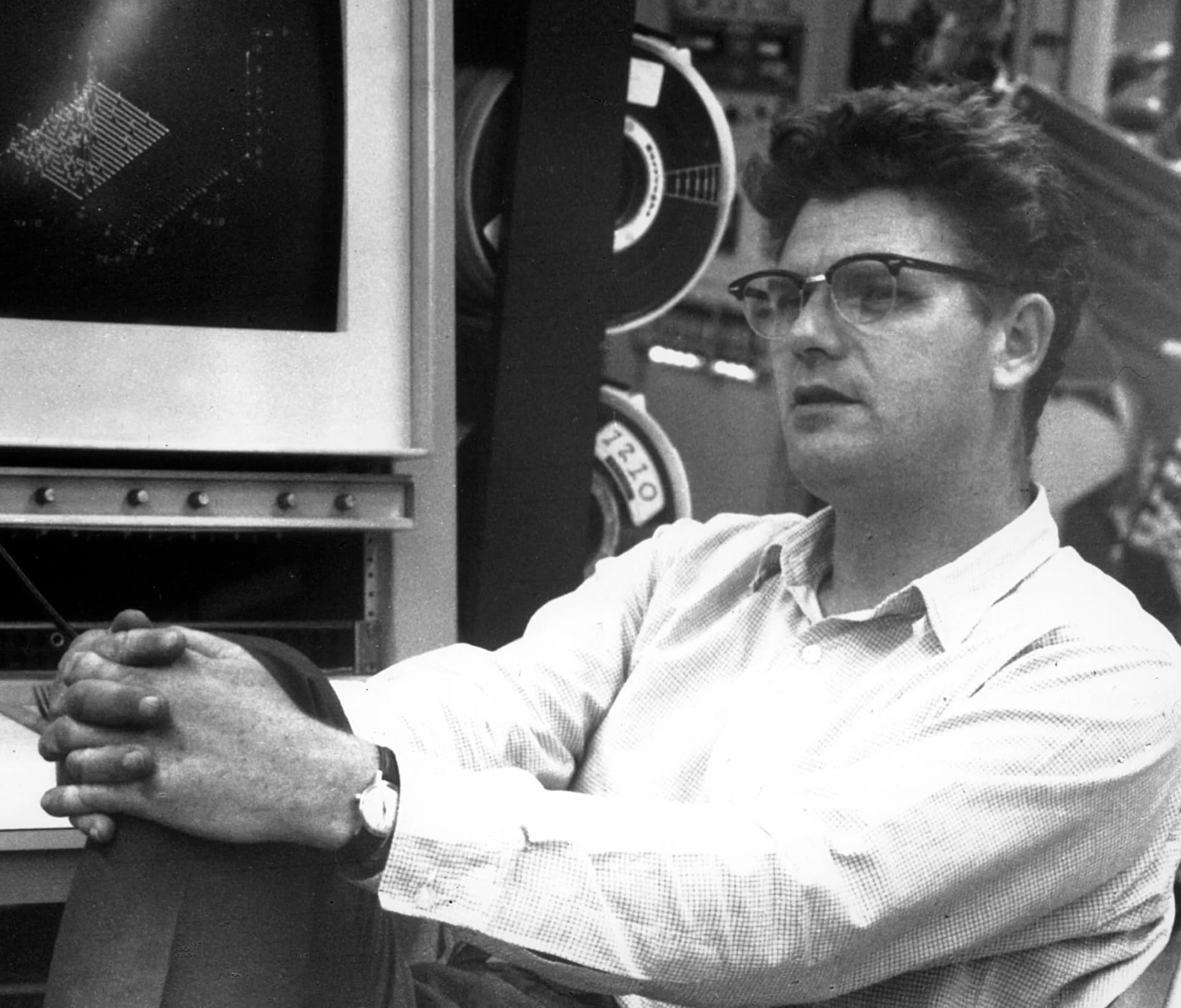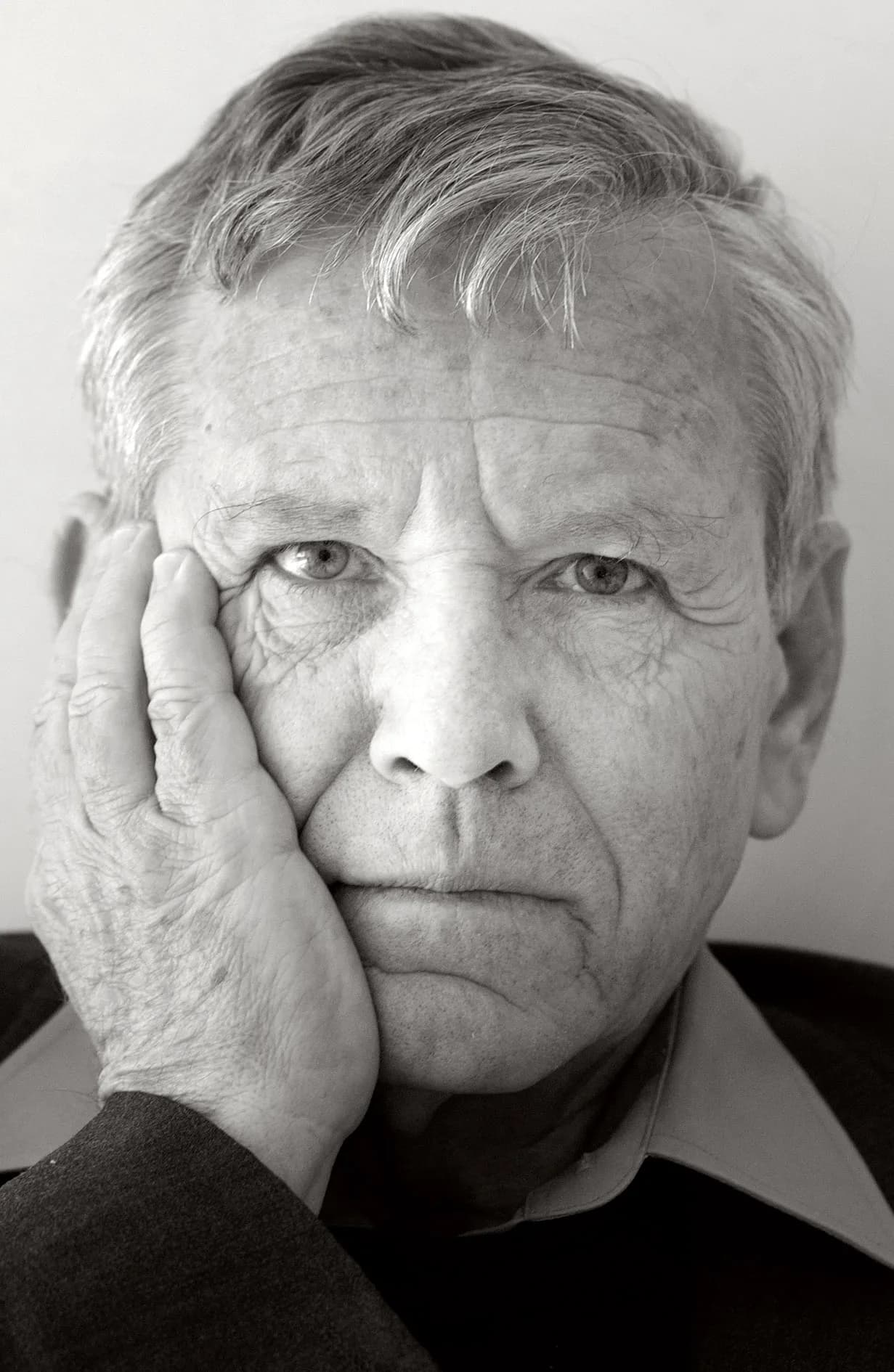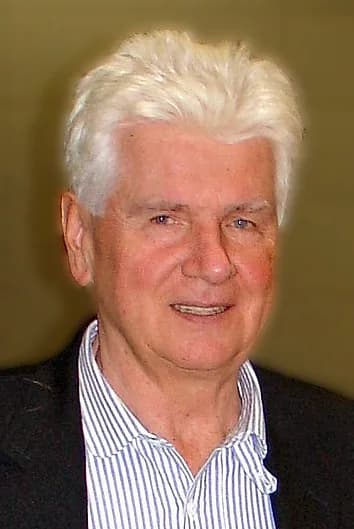
Γεννήθηκε
May 21, 1936
Niegosławice, Poland
Πέθανε
February 18, 2018
New York City, United States
Γνωστός/ή για
German American biologist (1999 Nobel Prize)
Günter Blobel (1936–2018) was Poland best known for German American biologist (1999 Nobel Prize).
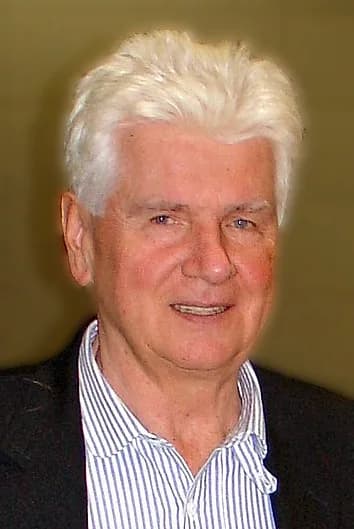
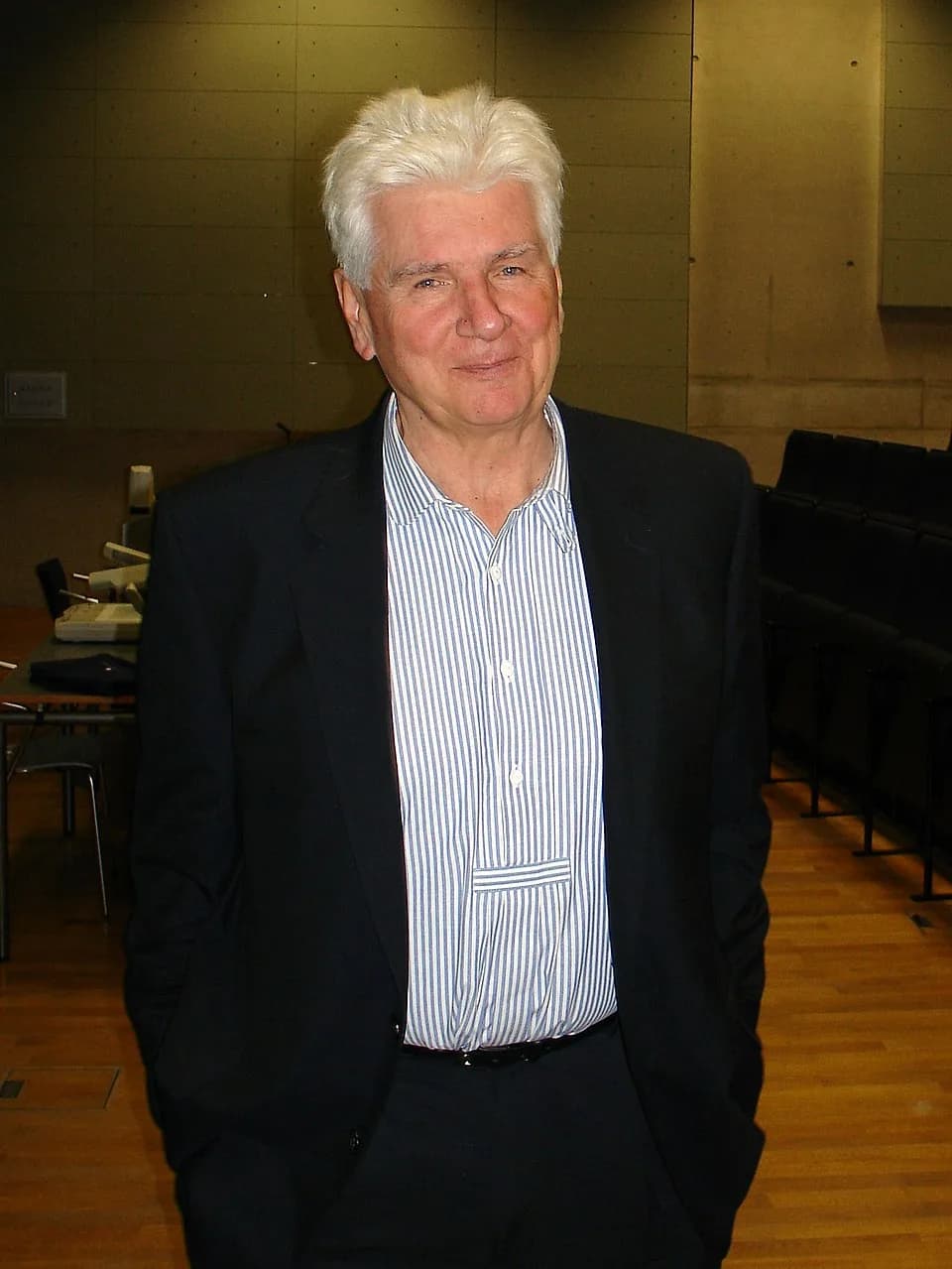
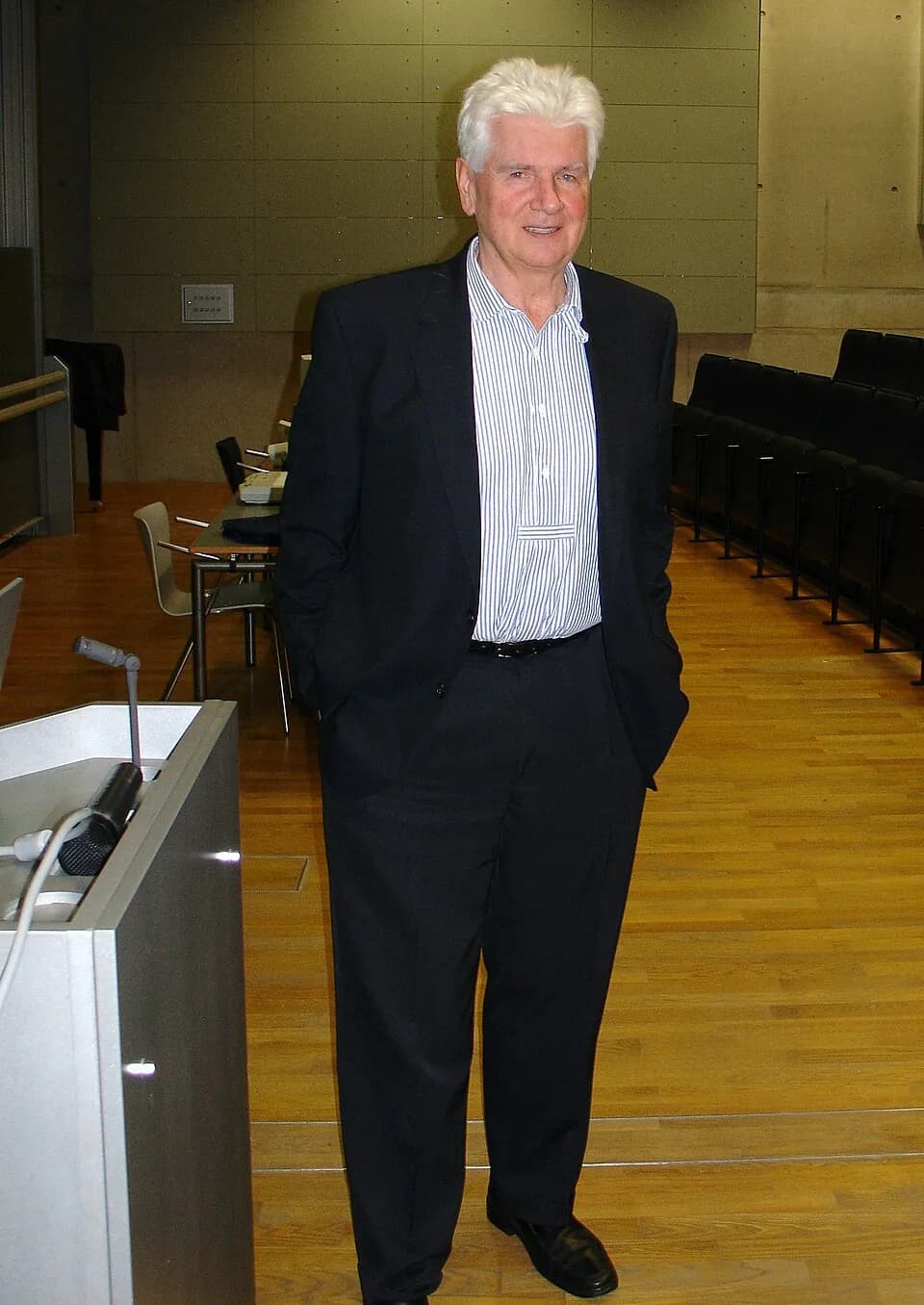
Günter Blobel (May 21, 1936 – February 18, 2018) was a German American biologist and Nobel laureate. He discovered that proteins have intrinsic signals governing their transport and localization in the cell. His work profoundly impacted cellular biology.
Μια ζωή σε στιγμές
Οι στιγμές που διαμόρφωσαν μια ζωή
Κεφάλαιο
Κεφάλαια ζωής
Κεφάλαιο 1 · 1936· Κεφάλαιο 1 από 6
Early Life and Origins
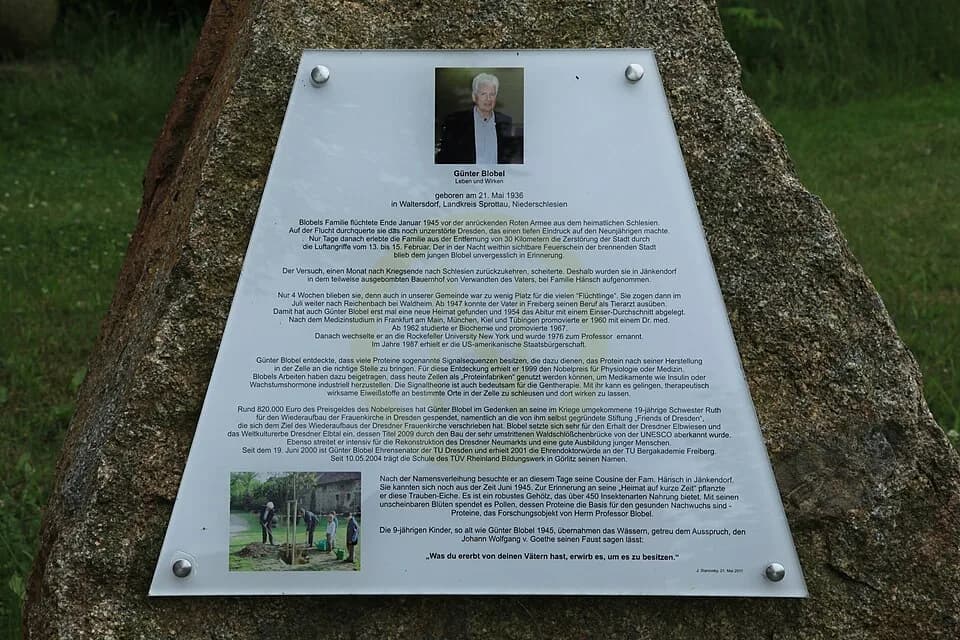
Born in Niegosławice, Poland, on May 21, 1936, Günter Blobel’s early life unfolded against a backdrop of historical significance. Growing up in Silesia, he developed a profound intellectual curiosity that would eventually lead him to pursue a career dedicated to scientific inquiry. These foundational years laid the groundwork for his future contributions to global science.
Κεφάλαιο 2· Κεφάλαιο 2 από 6
Career Beginnings
Blobel's academic journey commenced with his training as a physician, a rigorous pursuit that provided him with a deep understanding of human physiology and disease. Following his medical profession, he transitioned into university teaching roles, where he shared his knowledge and insights with aspiring scientists. His early investigations began to explore the complex internal machinery of cells, setting the stage for his revolutionary discoveries in molecular and cell biology.
Κεφάλαιο 3 · 1999· Κεφάλαιο 3 από 6
Major Achievements and Career Highlights
The zenith of Günter Blobel's scientific career arrived in 1999 when he was awarded the Nobel Prize in Physiology or Medicine. This esteemed recognition honored his groundbreaking discovery that proteins possess intrinsic signals that dictate their transport and proper placement within the cellular environment. His work fundamentally unveiled how cells meticulously manage their vast array of proteins.
This seminal "signal hypothesis" provided a universal mechanism explaining how newly synthesized proteins reach their correct destinations, whether inside organelles, on cell surfaces, or for secretion outside the cell. His insights dramatically advanced our comprehension of cellular organization, function, and shed light on the origins of many diseases related to protein mislocalization. The Nobel Prize solidified his place as a pioneer in modern cell biology.
Κεφάλαιο 4 · 2005· Κεφάλαιο 4 από 6
Notable Works or Contributions
Throughout his impactful career, Günter Blobel maintained a robust publication record, contributing significantly to scientific literature, evidenced by an h-index of 29 from 30 papers. Among his most influential works is "A SUMO ligase is part of a nuclear multiprotein complex that affects DNA repair and chromosomal organization," published in 2005, which accumulated 470 citations. Other highly cited research includes "Karyopherin beta2 mediates nuclear import of a mRNA binding protein" from 1997, receiving 171 citations, and "A consensus nomenclature for the protein-import components of the chloroplast envelope," also from 1997, cited 152 times.
Further demonstrating his deep engagement with fundamental cellular processes are papers such as "Autoproteolysis in nucleoporin biogenesis" (1999, 122 citations) and "Two distinct classes of Ran-binding sites on the nucleoporin Nup-358" (1999, 110 citations), each contributing critical knowledge to the field of molecular and cell biology. These publications underscore his consistent and significant impact on scientific understanding.
Κεφάλαιο 5 · 2018· Κεφάλαιο 5 από 6
Later Years
Günter Blobel spent his later career years and life in the United States, ultimately passing away in New York City on February 18, 2018. Even after receiving the Nobel Prize, he remained an influential and respected figure within the American scientific community. His life's work continued to resonate, inspiring ongoing research and new generations of biologists.
Κεφάλαιο 6· Κεφάλαιο 6 από 6
Legacy and Impact
Günter Blobel's Nobel-winning discovery provided a foundational understanding for an entire branch of cell biology, explaining how proteins are sorted and transported within the cell. His "signal hypothesis" is now a cornerstone concept, essential for studying cellular function, disease mechanisms, and drug development. He left an enduring legacy as a German American biologist, transforming our basic comprehension of life at the cellular level and continuing to influence scientific inquiry worldwide.
Συχνές Ερωτήσεις
Συχνές ερωτήσεις
Πότε πέθανε ο/η Günter Blobel;
Ο/Η Günter Blobel πέθανε στις 18 Φεβρουαρίου 2018 στο New York City, United States, σε ηλικία 81 ετών.
Πού γεννήθηκε ο/η Günter Blobel;
Ο/Η Günter Blobel γεννήθηκε στο Niegosławice, Poland στις 21 Μαΐου 1936.
Για τι είναι περισσότερο γνωστός/ή ο/η Günter Blobel;
Ο/Η Günter Blobel είναι περισσότερο γνωστός/ή για German American biologist (1999 Nobel Prize).
Πόσων ετών ήταν ο/η Günter Blobel όταν πέθανε;
Ο/Η Günter Blobel ήταν 81 ετών τη στιγμή του θανάτου του/της.
Ποια ήταν η εθνικότητα του/της Günter Blobel;
Ο/Η Günter Blobel καταγόταν από Poland.
Χρονοδιάγραμμα
Η ζωή με μια ματιά
Συλλογή φωτογραφιών
Μια ζωή σε εικόνες
Κάντε κλικ σε οποιοδήποτε polaroid για μεγέθυνση · 20 φωτογραφίες
Κωδικός QR
Μοιραστείτε Αυτή τη Βιογραφία
Εκτύπωση & Κοινή Χρήση
Σκανάρετε για να επισκεφτείτε αυτή τη βιογραφική σελίδα. Εκτυπώστε για εκδηλώσεις, εκθέσεις ή εκπαιδευτικό υλικό.