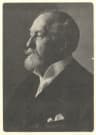
Γεννήθηκε
July 13, 1608
Graz, Austria
Πέθανε
April 2, 1657
Vienna, Austria
Γνωστός/ή για
Emperor of the Holy Roman Empire
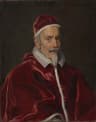
Ferdinand III, Holy Roman Emperor (1608–1657) was Austria best known for Emperor of the Holy Roman Empire.
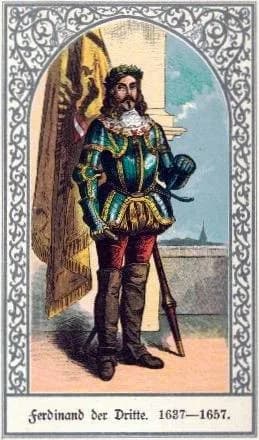
Ferdinand III, Holy Roman Emperor (July 13, 1608 – April 2, 1657), was a monarch and composer from Graz, Austria. He served as Holy Roman Emperor from 1637 to his death, guiding the empire through a challenging era. His reign brought stability and demonstrated a rare blend of political leadership and artistic talent.
Κεφάλαιο
Κεφάλαια ζωής
Κεφάλαιο 1 · 1608· Κεφάλαιο 1 από 7
Early Life and Origins
Ferdinand III entered the world on July 13, 1608, in the city of Graz, Austria. As a scion of the powerful House of Habsburg, his upbringing was steeped in the traditions and expectations of a future European ruler. His education was comprehensive, designed to prepare him for the complex responsibilities of imperial succession. This rigorous schooling included not only training in governance and diplomacy but also cultivation of the arts, specifically music, which would become a significant personal interest.
Κεφάλαιο 2 · 1625· Κεφάλαιο 2 από 7
Career Beginnings
His journey to the imperial throne commenced with a series of crucial appointments, establishing his authority within the Habsburg territories. Ferdinand III was designated King of Hungary and Croatia in 1625, a significant step that marked his formal entry into monarchical duties. Two years later, in 1627, he was crowned King of Bohemia, further consolidating his power and influence across the region. These early roles provided him with invaluable experience and a deep understanding of the diverse territories he would eventually govern as Emperor.
Κεφάλαιο 3 · 1637· Κεφάλαιο 3 από 7
Major Achievements and Career Highlights
Ferdinand III ascended to the prestigious title of Holy Roman Emperor in 1637, a position he maintained steadfastly until his passing. His reign, which spanned two tumultuous decades, was characterized by his determined efforts to restore peace and stability within the Holy Roman Empire. He demonstrated considerable skill in managing the complex political dynamics of Central Europe, striving to strengthen imperial authority while respecting regional autonomy. As Emperor, his decisions and policies were instrumental in shaping the future of a diverse and often divided empire for many years.
Κεφάλαιο 4· Κεφάλαιο 4 από 7
Personal Life
While much of Ferdinand III's public life was necessarily devoted to the demanding affairs of state, he also cultivated a rich personal inner world. His aristocratic background instilled in him a deep appreciation for culture and the arts, with a particular fondness for music. This personal passion evolved beyond mere appreciation; he developed genuine skills as a composer, which was a rare and distinguished pursuit for a monarch of his era. His dedication to both rigorous governance and creative artistic expression reveals a well-rounded and deeply intellectual character.
Κεφάλαιο 5· Κεφάλαιο 5 από 7
Notable Works or Contributions
Beyond his formidable duties as a monarch, Ferdinand III earned recognition as a composer, a testament to his versatile talents. This artistic dimension of his existence showcases a significant breadth of capability, distinguishing him from many of his contemporaries. Though detailed records of his specific musical pieces may not be widely documented, his acknowledged designation as a composer in historical accounts confirms his active engagement and creative output. He was both a generous patron of the arts and an active participant in the vibrant musical life that thrived within his imperial court.
Κεφάλαιο 6 · 1657· Κεφάλαιο 6 από 7
Later Years
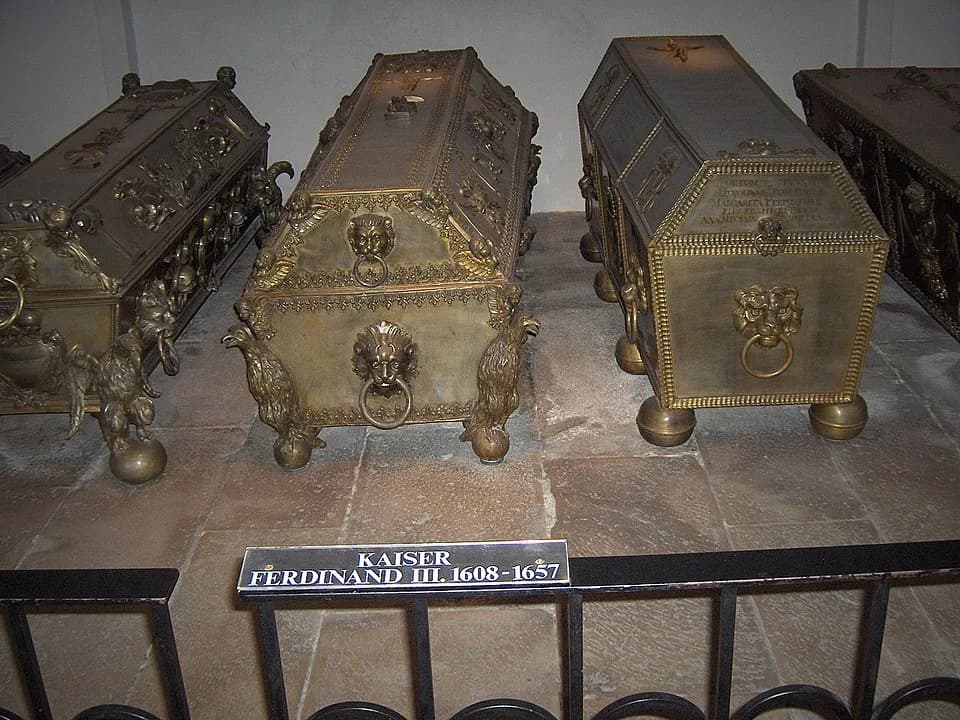
Ferdinand III continued his reign as Holy Roman Emperor with unwavering commitment until his death on April 2, 1657. His final years were spent primarily in Vienna, Austria, which served as the heart of his vast dominion. During this time, he diligently oversaw the ongoing governance and administration of his territories, ensuring continuity and order. His dedication to both his imperial duties and his artistic pursuits as a composer remained undiminished throughout the entirety of his life.
Κεφάλαιο 7· Κεφάλαιο 7 από 7
Legacy and Impact
The historical significance of Ferdinand III extends far beyond his lifetime, leaving an enduring mark on the Holy Roman Empire and the broader European stage. His tenure as Holy Roman Emperor helped usher in an era of relative order and reconstruction following a period of extensive conflict. He is fondly remembered as an exceptionally capable monarch who masterfully balanced astute political leadership with a personal, deep commitment to the arts, specifically his role as a composer. His life stands as a compelling example of the complex and interconnected roles of leadership and cultural enrichment during the dynamic 17th century.
Μια ζωή σε στιγμές
Οι στιγμές που διαμόρφωσαν μια ζωή
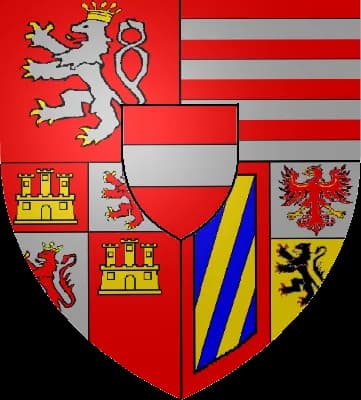
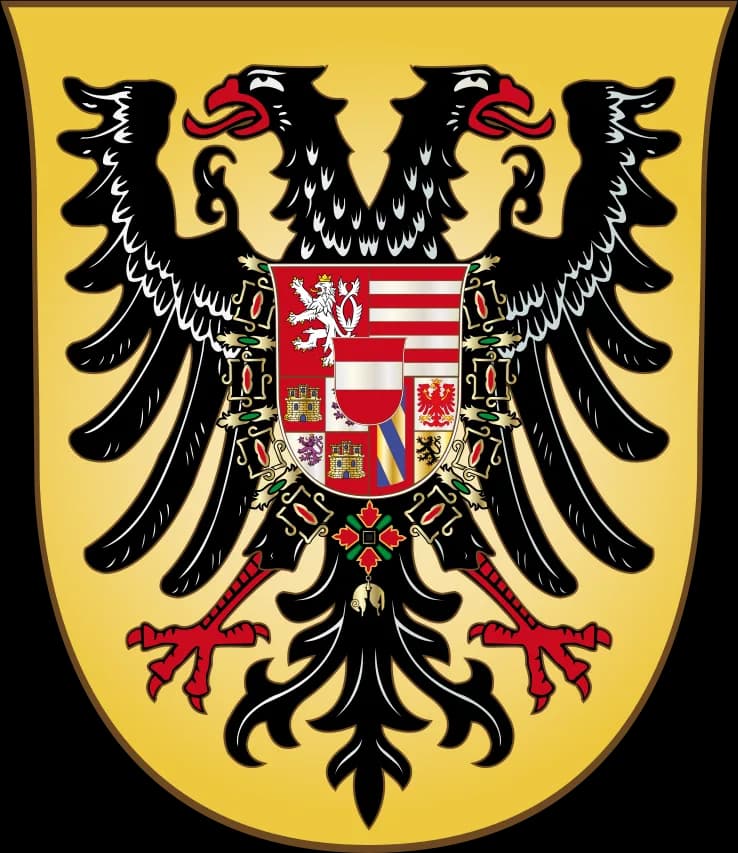
Συχνές Ερωτήσεις
Συχνές ερωτήσεις
Πότε πέθανε ο/η Ferdinand III, Holy Roman Emperor;
Ο/Η Ferdinand III, Holy Roman Emperor πέθανε στις 2 Απριλίου 1657 στο Vienna, Austria, σε ηλικία 48 ετών.
Πού γεννήθηκε ο/η Ferdinand III, Holy Roman Emperor;
Ο/Η Ferdinand III, Holy Roman Emperor γεννήθηκε στο Graz, Austria στις 13 Ιουλίου 1608.
Για τι είναι περισσότερο γνωστός/ή ο/η Ferdinand III, Holy Roman Emperor;
Ο/Η Ferdinand III, Holy Roman Emperor είναι περισσότερο γνωστός/ή για Emperor of the Holy Roman Empire.
Πόσων ετών ήταν ο/η Ferdinand III, Holy Roman Emperor όταν πέθανε;
Ο/Η Ferdinand III, Holy Roman Emperor ήταν 48 ετών τη στιγμή του θανάτου του/της.
Ποια ήταν η εθνικότητα του/της Ferdinand III, Holy Roman Emperor;
Ο/Η Ferdinand III, Holy Roman Emperor καταγόταν από Austria.
Χρονοδιάγραμμα
Η ζωή με μια ματιά
Συλλογή φωτογραφιών
Μια ζωή σε εικόνες
Κάντε κλικ σε οποιοδήποτε polaroid για μεγέθυνση · 45 φωτογραφίες
Κωδικός QR
Μοιραστείτε Αυτή τη Βιογραφία
Εκτύπωση & Κοινή Χρήση
Σκανάρετε για να επισκεφτείτε αυτή τη βιογραφική σελίδα. Εκτυπώστε για εκδηλώσεις, εκθέσεις ή εκπαιδευτικό υλικό.