Γεννήθηκε
February 25, 1866
Pescasseroli, Italy
Πέθανε
November 20, 1952
Naples, Italy
Γνωστός/ή για
Italian philosopher
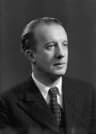
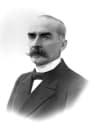
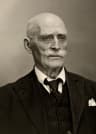
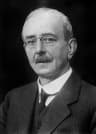
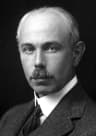
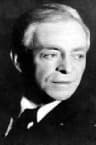
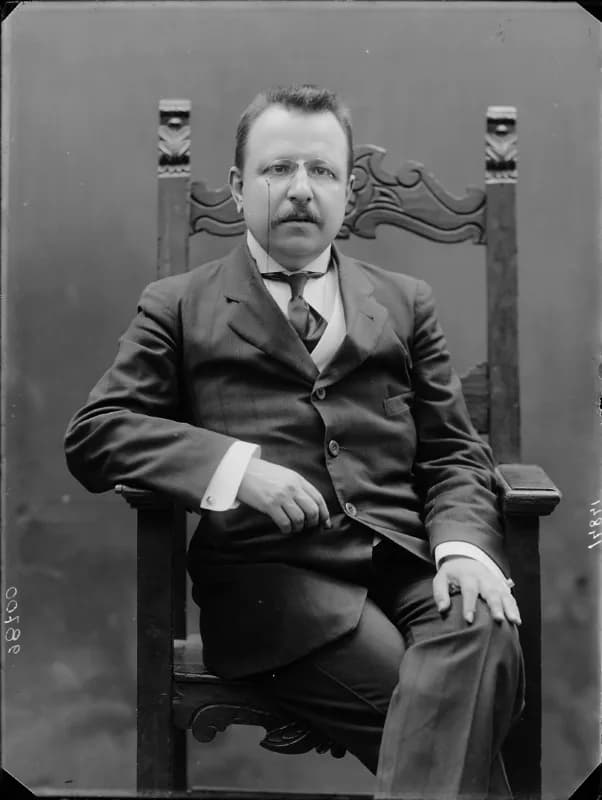
Benedetto Croce (1866-1952) was an Italian idealist philosopher, historian, and politician from Pescasseroli. He distinguished between liberalism and liberism, influencing diverse Italian intellectuals including Antonio Gramsci and Giovanni Gentile. His extensive works on philosophy, history, and aesthetics shaped 20th-century Italian thought.
Κεφάλαιο
Κεφάλαια ζωής
Κεφάλαιο 1 · 1866· Κεφάλαιο 1 από 6
Early Life and Origins
Benedetto Croce was born on February 25, 1866, in Pescasseroli, a small town nestled in the Abruzzo region of Italy. His early years were spent in this mountainous landscape, far from the major intellectual centers that would later claim his attention. The formative experiences of his youth in this traditional Italian setting would later inform his deep appreciation for Italian culture and history.
Growing up during a period of Italian unification and cultural awakening, young Croce witnessed firsthand the transformation of his homeland from a collection of disparate states into a unified nation. This historical moment would prove crucial in shaping his later philosophical and political perspectives, particularly his nuanced understanding of liberalism and national identity.
Κεφάλαιο 2· Κεφάλαιο 2 από 6
Career Beginnings
Croce's intellectual journey began with his deep engagement with the works of Giambattista Vico, the 18th-century Neapolitan philosopher. His early scholarship focused on Vico's philosophy, which became a lifelong passion and area of expertise. This early work established Croce's reputation as a serious scholar and laid the foundation for his later philosophical developments.
His move to Naples marked a turning point in his career, as the city became his intellectual home base. In Naples, Croce immersed himself in the rich intellectual traditions of southern Italy, building upon the philosophical legacy of earlier Neapolitan thinkers while developing his own distinctive approach to idealist philosophy.
Κεφάλαιο 3· Κεφάλαιο 3 από 6
Major Achievements and Career Highlights
Croce's philosophical system centered on his idealist approach to aesthetics, history, and political thought. He formulated an important distinction between liberalism and what he termed "liberism," contributing significantly to political philosophy. His work on aesthetics, particularly "Aesthetica in nuce," established him as a major voice in the philosophy of art and beauty.
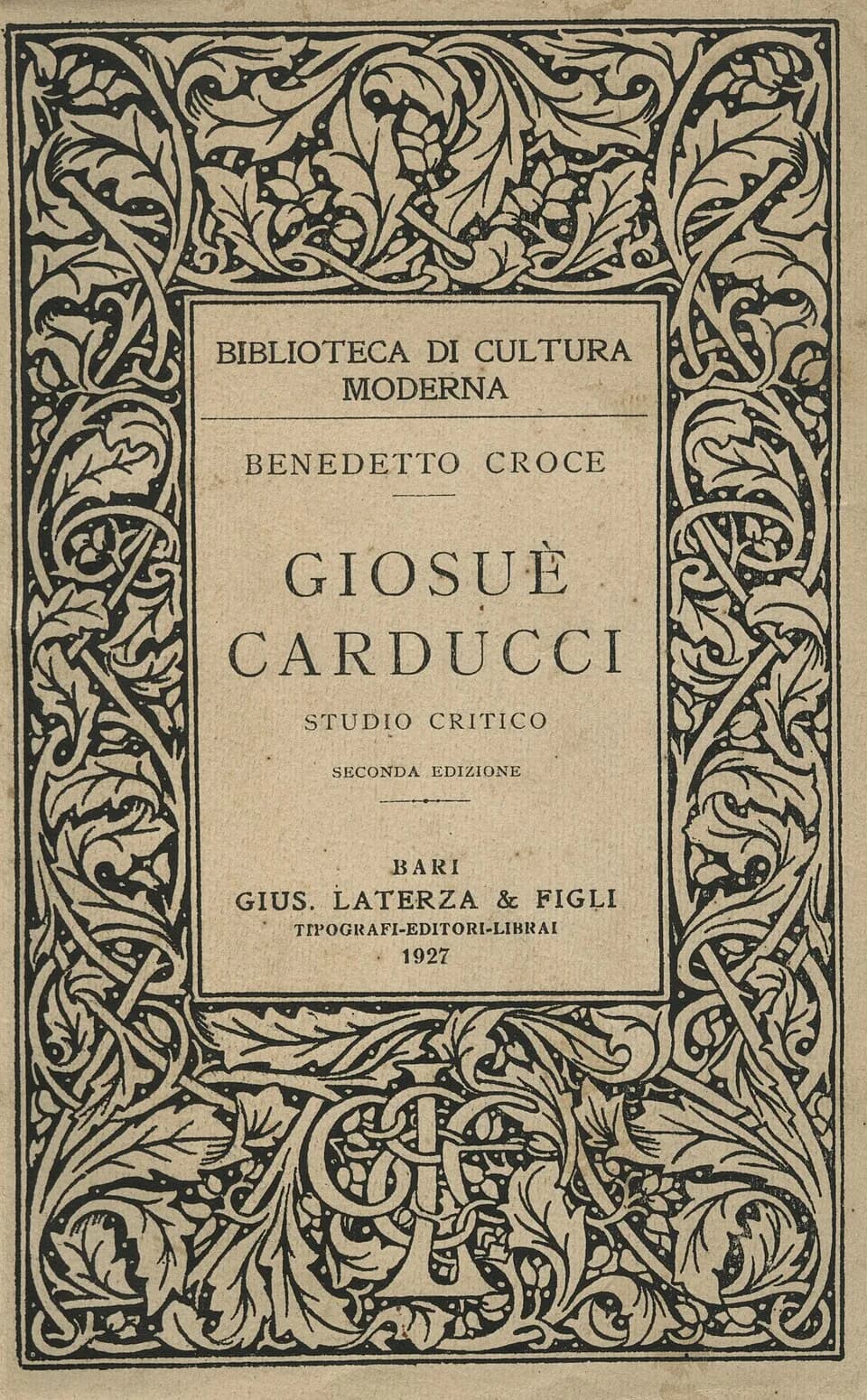
As a historian, Croce produced substantial works on Italian history, including "La rivoluzione napoletana del 1799" and "Gli ultimi Borbonici." These historical studies demonstrated his ability to combine philosophical rigor with detailed historical research. His "Storia della storiografia italiana nel secolo decimonono" examined the development of historical writing in 19th-century Italy, establishing him as both a practitioner and theorist of historical method.
His political engagement reflected his liberal convictions, and he played an active role in Italian intellectual and political life. Croce's influence extended across political boundaries, with both Marxist thinkers like Antonio Gramsci and fascist intellectuals like Giovanni Gentile engaging seriously with his ideas, even when they disagreed with his conclusions.
Κεφάλαιο 4· Κεφάλαιο 4 από 6
Notable Works and Contributions
Croce's literary output was both extensive and varied, reflecting his wide-ranging intellectual interests. His "Bibliografia Vichiana" demonstrated his expertise on Vico's work, while "Vite di avventure, di fede e di passione" explored the intersection of personal narrative and historical understanding. These works showcased his ability to move between different genres and approaches while maintaining philosophical coherence.
"La storia come pensiero e come azione" represents one of his most important theoretical contributions, exploring the relationship between historical thinking and practical action. His work on Giovanni Pascoli showed his skills as a literary critic, while "Storia, cronaca e false storie" examined the boundaries between different forms of historical narrative. These diverse works established Croce as a polymath capable of contributing to multiple fields of knowledge.
Κεφάλαιο 5· Κεφάλαιο 5 από 6
Later Years and Continued Influence
In his later years, Croce continued to write and think actively, maintaining his position as a leading Italian intellectual until his death. His home in Naples became a gathering place for intellectuals and politicians seeking his counsel and engaging with his ideas. Despite the political upheavals of 20th-century Italy, including the rise of fascism, Croce maintained his liberal principles and continued to advocate for intellectual freedom.
The final decades of his life saw him reflecting on the relationship between philosophy and practical politics, themes that had interested him throughout his career. His continued productivity and intellectual vitality in old age testified to his deep commitment to the life of the mind and his belief in the importance of sustained intellectual engagement.
Κεφάλαιο 6 · 1952· Κεφάλαιο 6 από 6
Legacy and Impact
Benedetto Croce died on November 20, 1952, in Naples, leaving behind a rich intellectual legacy that continues to influence Italian thought. His distinction between liberalism and liberism remains relevant to contemporary political philosophy, while his work on aesthetics continues to inform debates about art and beauty. The breadth of his interests and the depth of his scholarship established him as a model of the engaged intellectual.
His influence on both his supporters and critics demonstrates the power of his ideas to generate productive intellectual debate. The fact that thinkers as different as Gramsci and Gentile found his work worth engaging with seriously speaks to the richness and complexity of his philosophical system. Croce's commitment to liberal values and intellectual freedom provides an enduring example for scholars and citizens alike, while his integration of philosophical rigor with practical political engagement offers a model for public intellectuals in any era.
Μια ζωή σε στιγμές
Οι στιγμές που διαμόρφωσαν μια ζωή

Συχνές Ερωτήσεις
Συχνές ερωτήσεις
Πότε πέθανε ο/η Benedetto Croce;
Ο/Η Benedetto Croce πέθανε στις 20 Νοεμβρίου 1952 στο Naples, Italy, σε ηλικία 86 ετών.
Πού γεννήθηκε ο/η Benedetto Croce;
Ο/Η Benedetto Croce γεννήθηκε στο Pescasseroli, Italy στις 25 Φεβρουαρίου 1866.
Για τι είναι περισσότερο γνωστός/ή ο/η Benedetto Croce;
Ο/Η Benedetto Croce είναι περισσότερο γνωστός/ή για Italian philosopher.
Πόσων ετών ήταν ο/η Benedetto Croce όταν πέθανε;
Ο/Η Benedetto Croce ήταν 86 ετών τη στιγμή του θανάτου του/της.
Ποια ήταν η εθνικότητα του/της Benedetto Croce;
Ο/Η Benedetto Croce καταγόταν από Italy.
Χρονοδιάγραμμα
Η ζωή με μια ματιά
Συλλογή φωτογραφιών
Μια ζωή σε εικόνες
Κάντε κλικ σε οποιοδήποτε polaroid για μεγέθυνση · 49 φωτογραφίες
Κωδικός QR
Μοιραστείτε Αυτή τη Βιογραφία
Εκτύπωση & Κοινή Χρήση
Σκανάρετε για να επισκεφτείτε αυτή τη βιογραφική σελίδα. Εκτυπώστε για εκδηλώσεις, εκθέσεις ή εκπαιδευτικό υλικό.