Γεννήθηκε
January 8, 1604
Belmonte de Gracián, Spain
Πέθανε
December 6, 1658
Tarazona, Spain
Γνωστός/ή για
Aragonese Jesuit and baroque prose writer and philosopher in Castilian language
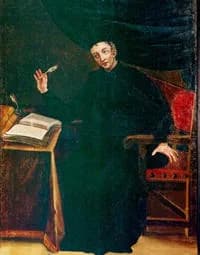
Baltasar Gracián (1604–1658) was Spain best known for Aragonese Jesuit and baroque prose writer and philosopher in Castilian language.
Baltasar Gracián y Morales (January 8, 1604 – December 6, 1658) was a Spanish Jesuit priest, writer, and philosopher. He is best known for <em>The Art of Worldly Wisdom</em> and his novel <em>El Criticón</em>, which greatly influenced later thinkers like Schopenhauer and Nietzsche.
Μια ζωή σε στιγμές
Οι στιγμές που διαμόρφωσαν μια ζωή
Κεφάλαιο
Κεφάλαια ζωής
Κεφάλαιο 1 · 1604· Κεφάλαιο 1 από 7
Early Life and Origins
Born on January 8, 1604, Baltasar Gracián hailed from Belmonte de Gracián, a town in Spain, located near Calatayud in the region of Aragón. Details about his early family life and specific upbringing are not extensively provided, yet his foundational years clearly paved the way for a life dedicated to scholarly pursuits. He eventually joined the Jesuit order, embarking on a path that intertwined religious devotion with intellectual endeavor.
Κεφάλαιο 2· Κεφάλαιο 2 από 7
Career Beginnings
Gracián's journey as a writer and philosopher began within the structure of the Jesuit priesthood. His early intellectual development was likely shaped by the rigorous academic training characteristic of the Jesuit order during the 17th century. This environment provided the fertile ground for his distinct voice in Baroque prose and his philosophical contemplations to emerge.
Κεφάλαιο 3· Κεφάλαιο 3 από 7
Major Achievements and Career Highlights
Throughout his career, Baltasar Gracián achieved recognition for his singular blend of prose and philosophical insight. His work was not only esteemed in his own time but garnered significant praise from later influential philosophers, including Schopenhauer and Nietzsche. This widespread admiration highlights the enduring power and universality of his observations on human nature and wisdom.
Gracián’s literary output, rooted in the Castilian language, established him as a master of baroque prose. His commitment to exploring themes of prudence, discretion, and the complexities of worldly existence set him apart as a notable figure in Spanish letters. The influence he exerted on subsequent European thought remains a testament to his intellectual prowess.
Κεφάλαιο 4· Κεφάλαιο 4 από 7
Personal Life
While Baltasar Gracián's professional life as a Jesuit, writer, and philosopher is well-documented through his works, specific details regarding his personal relationships or private interests are not readily available in historical records. His life was predominantly defined by his vocation and his prolific intellectual output. He dedicated his existence to his spiritual and literary calling within the Jesuit order.
Κεφάλαιο 5 · 1647· Κεφάλαιο 5 από 7
Notable Works and Contributions
Among Baltasar Gracián's most celebrated contributions to literature and philosophy is his book The Art of Worldly Wisdom, published in 1647. This work, also known as Oráculo manual y arte de prudencia, gained considerable renown for its concise maxims and practical advice on navigating societal complexities. It has been translated into numerous languages, reflecting its broad appeal.
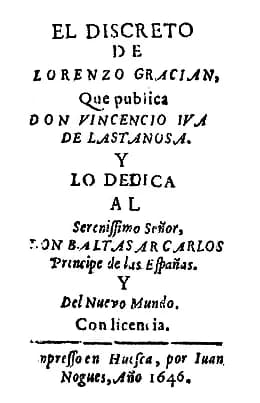
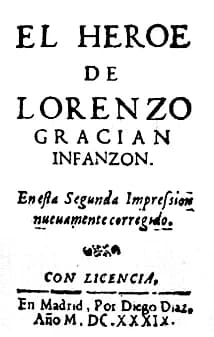
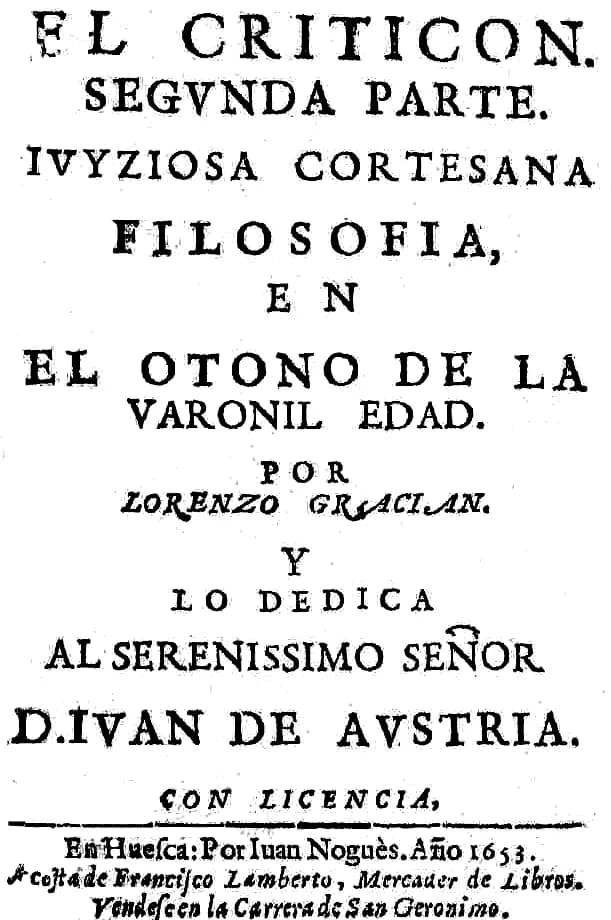
His multi-volume novel, El Criticón, published between 1651 and 1657, is widely considered his greatest literary achievement. This allegorical work offers a panoramic critique of society through the journey of its protagonists. Other significant works include El heroe de Lorenzo Gracian infanzon, El oráculo. El político, and El discreto de Lorenzo Gracian, further showcasing his versatile and insightful writing style.
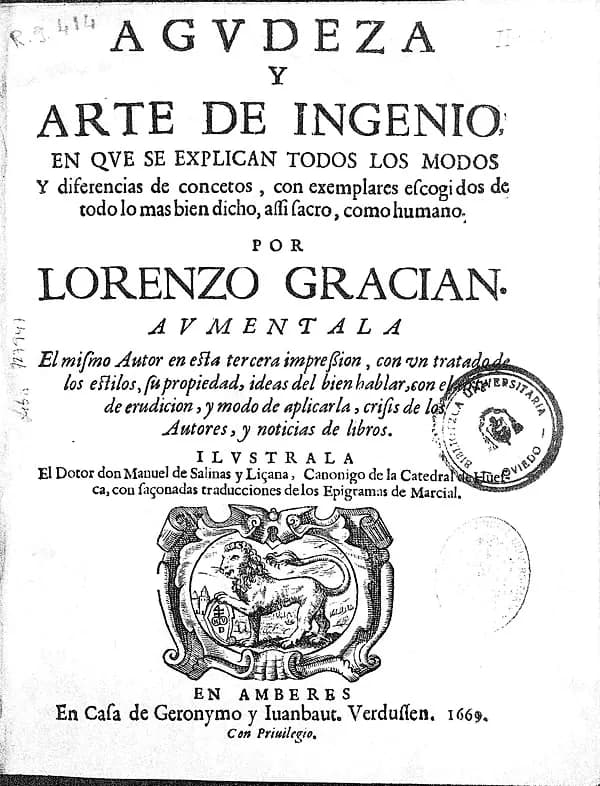
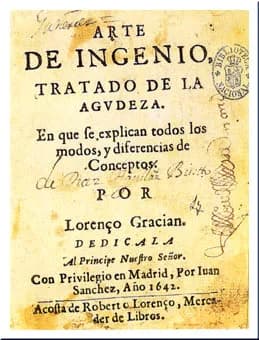
Academically, Gracián's work continues to be studied, evidenced by an h-index of 3 across 13 papers listed in academic databases. Prominent among these scholarly discussions are analyses of Oráculo manual y arte de prudencia, which garnered 54 citations in its 1942 publication, and several editions of Agudeza y arte de ingenio, including a 2018 edition with 6 citations. These metrics confirm his continued relevance in academic discourse.
Κεφάλαιο 6 · 1657· Κεφάλαιο 6 από 7
Later Years
Baltasar Gracián spent his final years continuing his literary and philosophical work, culminating in the completion of El Criticón, which saw its final volumes published in 1657. He passed away on December 6, 1658, in Tarazona, Spain. His commitment to writing remained strong until the end, leaving a substantial body of work for future generations to explore.
Κεφάλαιο 7· Κεφάλαιο 7 από 7
Legacy and Impact
The legacy of Baltasar Gracián extends far beyond his lifetime, deeply influencing subsequent European intellectual thought, notably impacting figures such as Schopenhauer and Nietzsche. His distinctive baroque prose style and his profound philosophical insights into human prudence and social dynamics continue to be studied and admired. Gracián’s contributions as an Aragonese Jesuit, writer, and philosopher solidified his place as a significant voice in the history of Castilian literature and Western philosophy.
Συχνές Ερωτήσεις
Συχνές ερωτήσεις
Πότε πέθανε ο/η Baltasar Gracián;
Ο/Η Baltasar Gracián πέθανε στις 6 Δεκεμβρίου 1658 στο Tarazona, Spain, σε ηλικία 54 ετών.
Πού γεννήθηκε ο/η Baltasar Gracián;
Ο/Η Baltasar Gracián γεννήθηκε στο Belmonte de Gracián, Spain στις 8 Ιανουαρίου 1604.
Για τι είναι περισσότερο γνωστός/ή ο/η Baltasar Gracián;
Ο/Η Baltasar Gracián είναι περισσότερο γνωστός/ή για Aragonese Jesuit and baroque prose writer and philosopher in Castilian language.
Πόσων ετών ήταν ο/η Baltasar Gracián όταν πέθανε;
Ο/Η Baltasar Gracián ήταν 54 ετών τη στιγμή του θανάτου του/της.
Ποια ήταν η εθνικότητα του/της Baltasar Gracián;
Ο/Η Baltasar Gracián καταγόταν από Spain.
Χρονοδιάγραμμα
Η ζωή με μια ματιά
Συλλογή φωτογραφιών
Μια ζωή σε εικόνες
Κάντε κλικ σε οποιοδήποτε polaroid για μεγέθυνση · 39 φωτογραφίες
Κωδικός QR
Μοιραστείτε Αυτή τη Βιογραφία
Εκτύπωση & Κοινή Χρήση
Σκανάρετε για να επισκεφτείτε αυτή τη βιογραφική σελίδα. Εκτυπώστε για εκδηλώσεις, εκθέσεις ή εκπαιδευτικό υλικό.