Født
January 1, 1363
Iga Province, Japan
Død
September 10, 1443
Japan, Japan
Kendt for
Japanese aesthetician and playwright
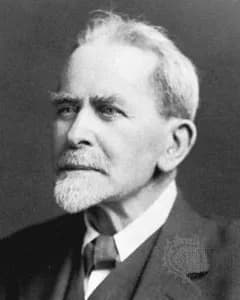
Zeami Motokiyo (1363–1443) was Japan best known for Japanese aesthetician and playwright.
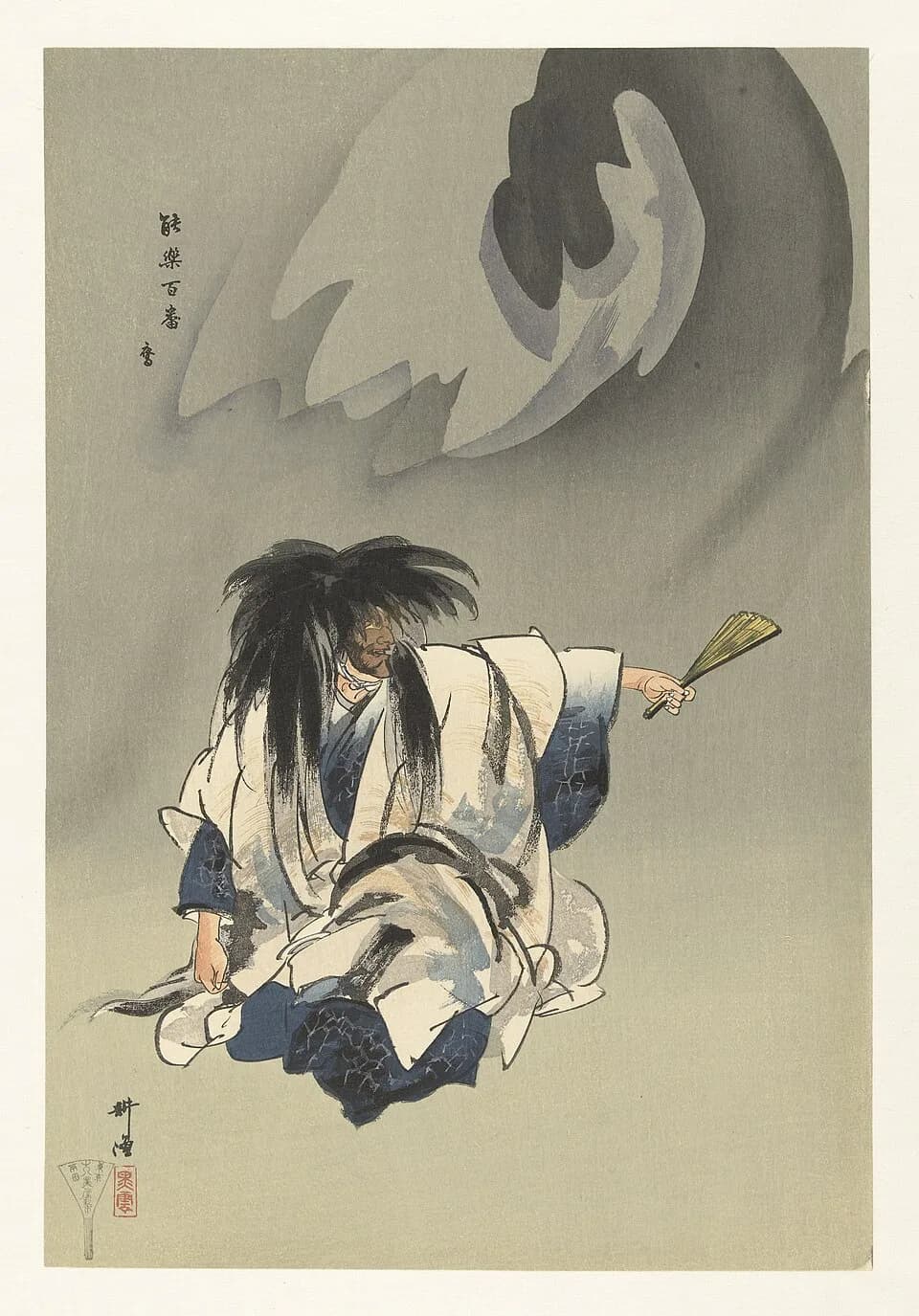
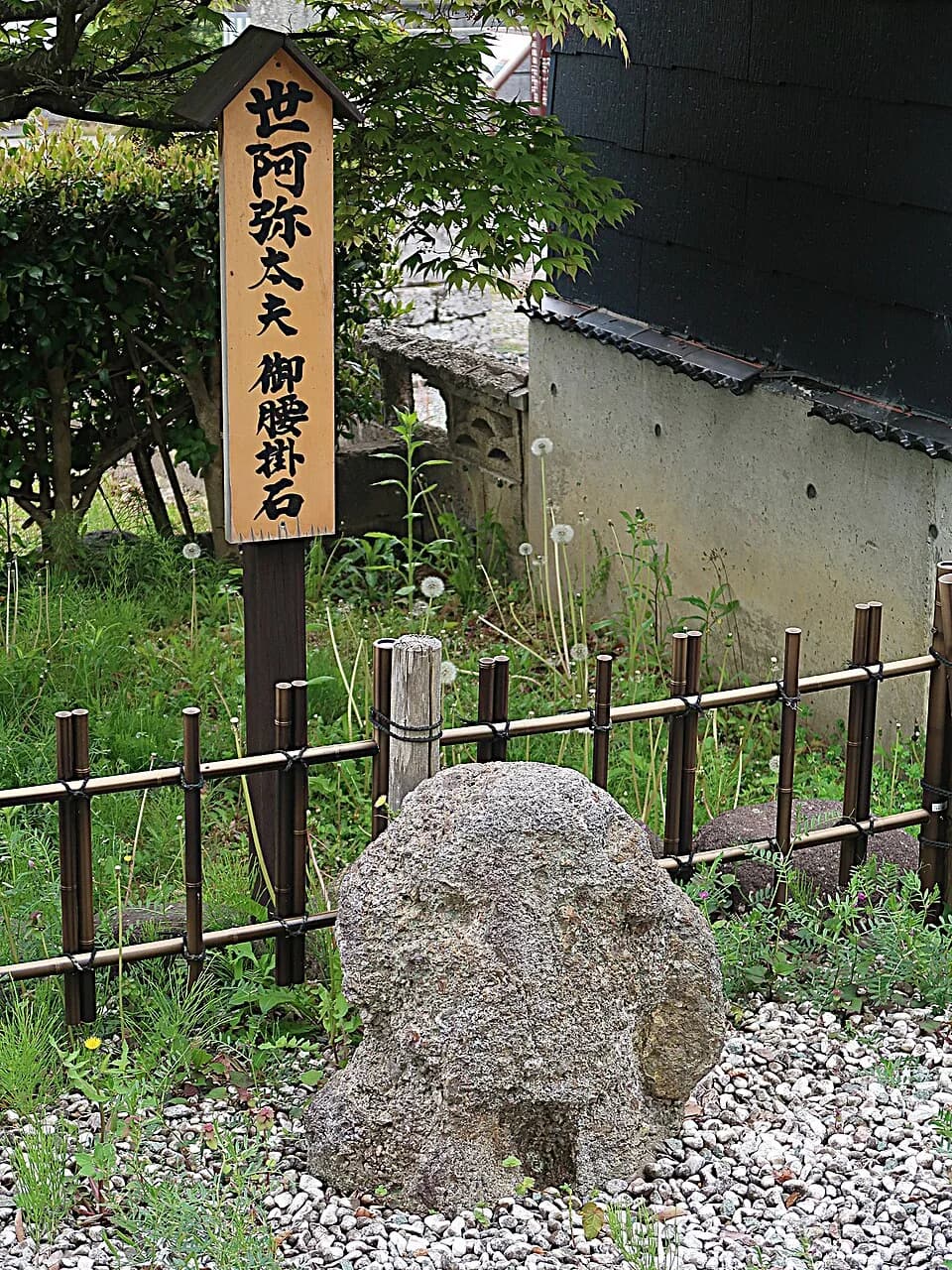
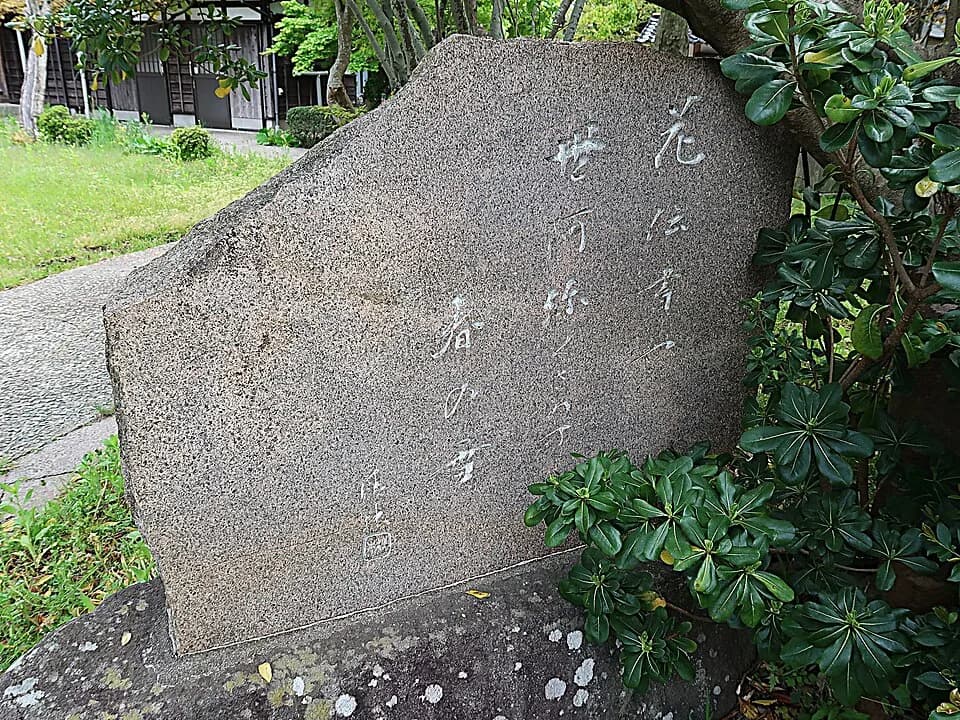
Zeami Motokiyo (January 1, 1363 – September 10, 1443) was a Japanese aesthetician and playwright from Iga Province, Japan. He shaped the development and refinement of Noh theater through his acting and influential theoretical writings. His contributions defined the aesthetic and philosophical underpinnings of this classical Japanese art form.
Et liv i øjeblikke
De øjeblikke, der formede et liv
Kapitel
Livskapitler
Kapitel 1 · 1363· Kapitel 1 af 7
Early Life and Origins
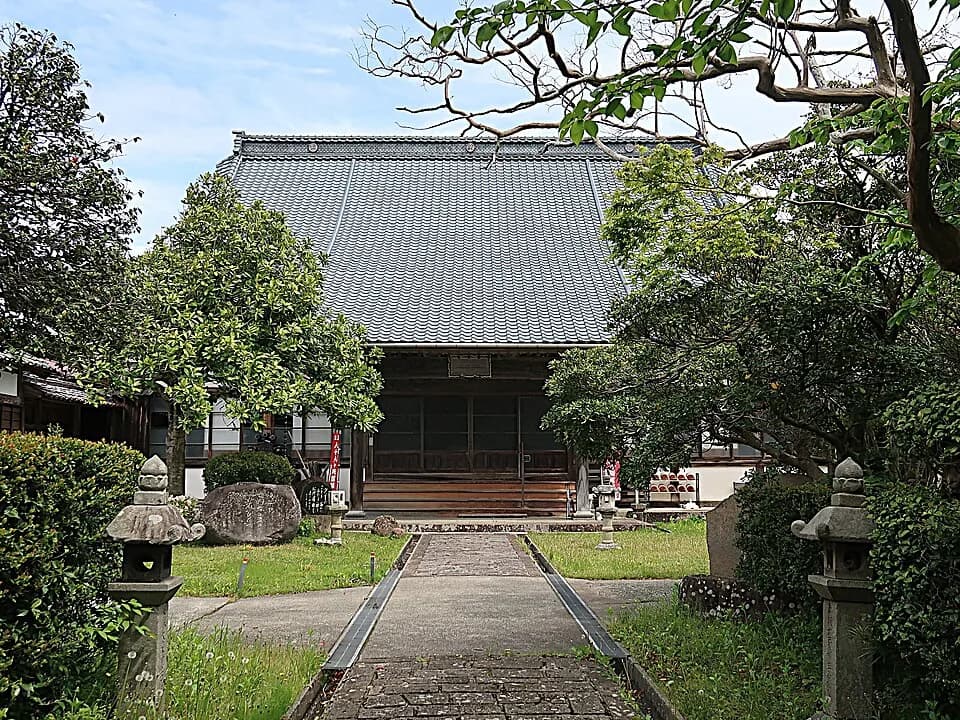
Zeami Motokiyo was born on January 1, 1363, in Iga Province, a region of Japan renowned for its rich cultural heritage. Details about his early family life and childhood upbringing are scarce, yet it is understood that he was introduced to the world of performing arts from a young age. His father, Kan'ami Kiyotsugu, was himself a celebrated Noh actor and innovator, and it was under his tutelage that young Zeami began his artistic journey. This early exposure to the rigorous discipline and expressive potential of Noh theater laid the groundwork for his future accomplishments.
Growing up within a theatrical family, Zeami’s education was likely centered around the practical and theoretical aspects of performance. He would have learned the intricate movements, vocal techniques, and musical compositions integral to Noh. This immersive environment in Iga Province provided him with a unique foundation, blending local traditions with the emerging forms of the dramatic arts.
Kapitel 2· Kapitel 2 af 7
Career Beginnings
Zeami’s career began as a stage actor, performing alongside his father and demonstrating exceptional talent even in his youth. His skills quickly garnered attention, including that of the shōgun Ashikaga Yoshimitsu, who became his patron. This crucial patronage provided Zeami with access to the highest echelons of Japanese society, granting him opportunities to develop and perform his art.
Beyond his prowess as an actor, Zeami soon expanded his roles to include writer and composer. He began crafting new plays and adapting existing ones, infusing them with his unique aesthetic vision and dramatic sensibilities. As an impresario, he also took on responsibilities for managing and promoting his theater troupe, demonstrating an early aptitude for leadership and artistic direction. These early experiences were instrumental in shaping him into the comprehensive artist he would become.
Kapitel 3· Kapitel 3 af 7
Major Achievements and Career Highlights
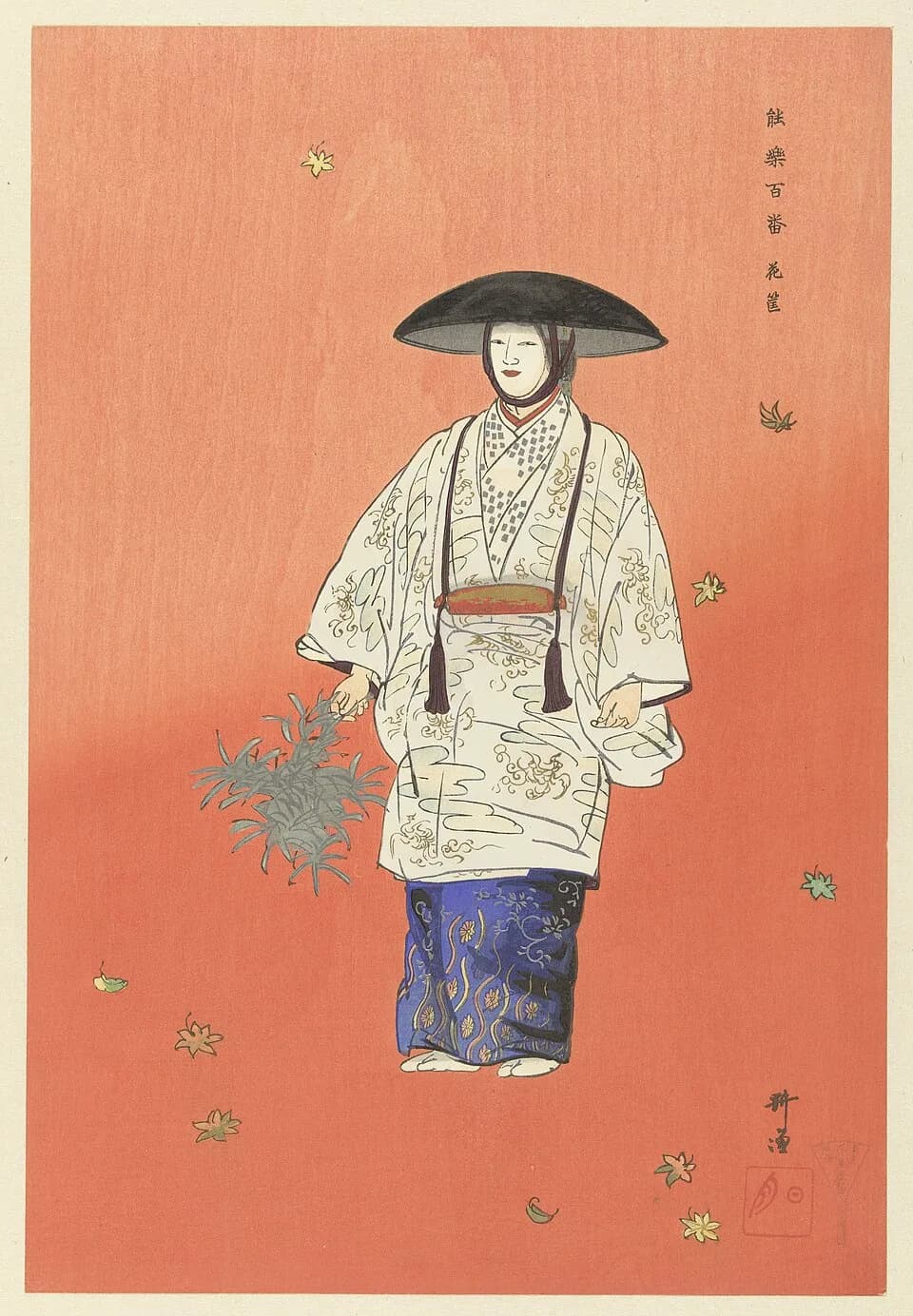
Zeami Motokiyo's career was marked by a relentless pursuit of artistic perfection and theoretical depth, leading to his recognition as a preeminent Japanese aesthetician and playwright. His most significant achievement lies in his role in systematizing and theorizing the art of Noh theater. He transformed Noh from a popular entertainment into a sophisticated art form steeped in philosophical and spiritual meaning.
Through his performances and teachings, he elevated the status of actors and playwriting within Japanese society. Zeami's aesthetic theories, particularly the concept of yūgen (profound grace and subtlety) and hana (the flower, representing novelty and fleeting beauty), became central to Noh and influenced subsequent generations of Japanese artists. These concepts, developed and articulated through his extensive writings, provided a philosophical framework that enriched the dramatic experience and guided performers. His leadership as an impresario also ensured the continued development and dissemination of Noh across Japan.
Kapitel 4· Kapitel 4 af 7
Personal Life
While Zeami Motokiyo's artistic and philosophical achievements are well-documented, specific details regarding his personal life, family, and relationships are not extensively recorded. His dedication to Noh theater and the development of its profound aesthetics appears to have been the central focus of his existence. He likely maintained close working relationships with his theatrical troupe members and patrons, which were intertwined with his artistic endeavors.
His biography suggests a life deeply immersed in the demanding world of performance and creative intellectual pursuit. Given the historical context, his personal life would have been closely connected to his professional roles within the theatrical community. The depth of his philosophical treatises indicates a contemplative mind, constantly reflecting on beauty, performance, and human experience.
Kapitel 5· Kapitel 5 af 7
Notable Works or Contributions
Zeami Motokiyo's lasting legacy is largely preserved through his remarkable body of written works, which include both plays and theoretical treatises on Noh theater. These writings provide invaluable insights into the performance practices, aesthetic principles, and philosophical underpinnings of Noh during its formative period. Among his most celebrated theoretical contributions are works that explore the core concepts of Japanese aesthetics.
Key among these is Kakyō: el espejo de la flor, a work later translated in 1969, which delves into the essence of performance and the fleeting beauty an actor must cultivate. Similarly, Espejo de la flor, also translated in 1969, further elucidates his aesthetic theories, offering guidance on achieving dramatic excellence. His profound insights are also found in Shikadosho el libro de la flor suprema, translated in 1968, which is considered a seminal text on the actor’s craft and the highest ideals of Noh. These treatises, though widely known through later translations, originated from Zeami's original Japanese texts and represent his most significant intellectual contributions to the arts. He also authored numerous Noh plays, such as Yuya, pieza del teatro Noh, translated in 1966, which showcases his skill as a dramatist and his ability to embody his aesthetic principles in practical performance.
Kapitel 6 · 1443· Kapitel 6 af 7
Later Years
Zeami Motokiyo continued to engage with the world of Noh theater throughout his later years, solidifying his status as an elder statesman of Japanese performing arts. Even as he aged, his intellectual and creative output remained significant, further refining his theories and mentoring future generations of actors and playwrights. His life concluded on September 10, 1443, in Japan, leaving behind a fully developed and enduring artistic tradition.
The philosophical depth and artistic maturity evident in his later writings suggest a lifetime of contemplation and refinement. His final years were likely dedicated to ensuring the perpetuation of Noh’s unique aesthetic and performance techniques. He passed on a well-established artistic school and a rich repository of knowledge that would continue to shape Japanese culture for centuries.
Kapitel 7· Kapitel 7 af 7
Legacy and Impact
The legacy of Zeami Motokiyo on Japanese performing arts, and indeed on global theatrical theory, is immeasurable. He is widely recognized as the individual most responsible for shaping Noh theater into the sophisticated and enduring art form it is today. His aesthetic principles, such as yūgen and hana, transcend the boundaries of Noh, influencing various other Japanese artistic disciplines, including poetry, painting, and garden design.
His extensive writings continue to serve as fundamental texts for scholars and practitioners of Noh, providing a direct link to the origins and intentions of this ancient art. Zeami not only created many of the plays that form the core repertoire of Noh but also established the theoretical framework that guides its performance and appreciation. His vision ensured that Noh would remain a vibrant and respected art form, a testament to his genius as an actor, writer, composer, and philosopher. His work continues to inspire and inform, securing his place as one of Japan's most important cultural figures.
Ofte stillede spørgsmål
Ofte spurgt
Hvornår døde Zeami Motokiyo?
Zeami Motokiyo døde den 10. september 1443 i Japan, Japan i en alder af 80 år.
Hvor blev Zeami Motokiyo født?
Zeami Motokiyo blev født i Iga Province, Japan den 1. januar 1363.
Hvad er Zeami Motokiyo mest kendt for?
Zeami Motokiyo er mest kendt for Japanese aesthetician and playwright.
Hvor gammel var Zeami Motokiyo ved dødsfaldet?
Zeami Motokiyo var 80 år gammel ved dødsfaldet.
Hvilken nationalitet havde Zeami Motokiyo?
Zeami Motokiyo kom fra Japan.
Tidslinje
Et liv ved et hurtigt blik
Billedgalleri
Et liv i billeder
Klik på en polaroid for at forstørre · 27 billeder
QR-kode
Del denne biografi
Udskriv og del
Scan for at besøge denne biografiside. Udskriv til arrangementer, udstillinger eller undervisningsmateriale.