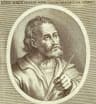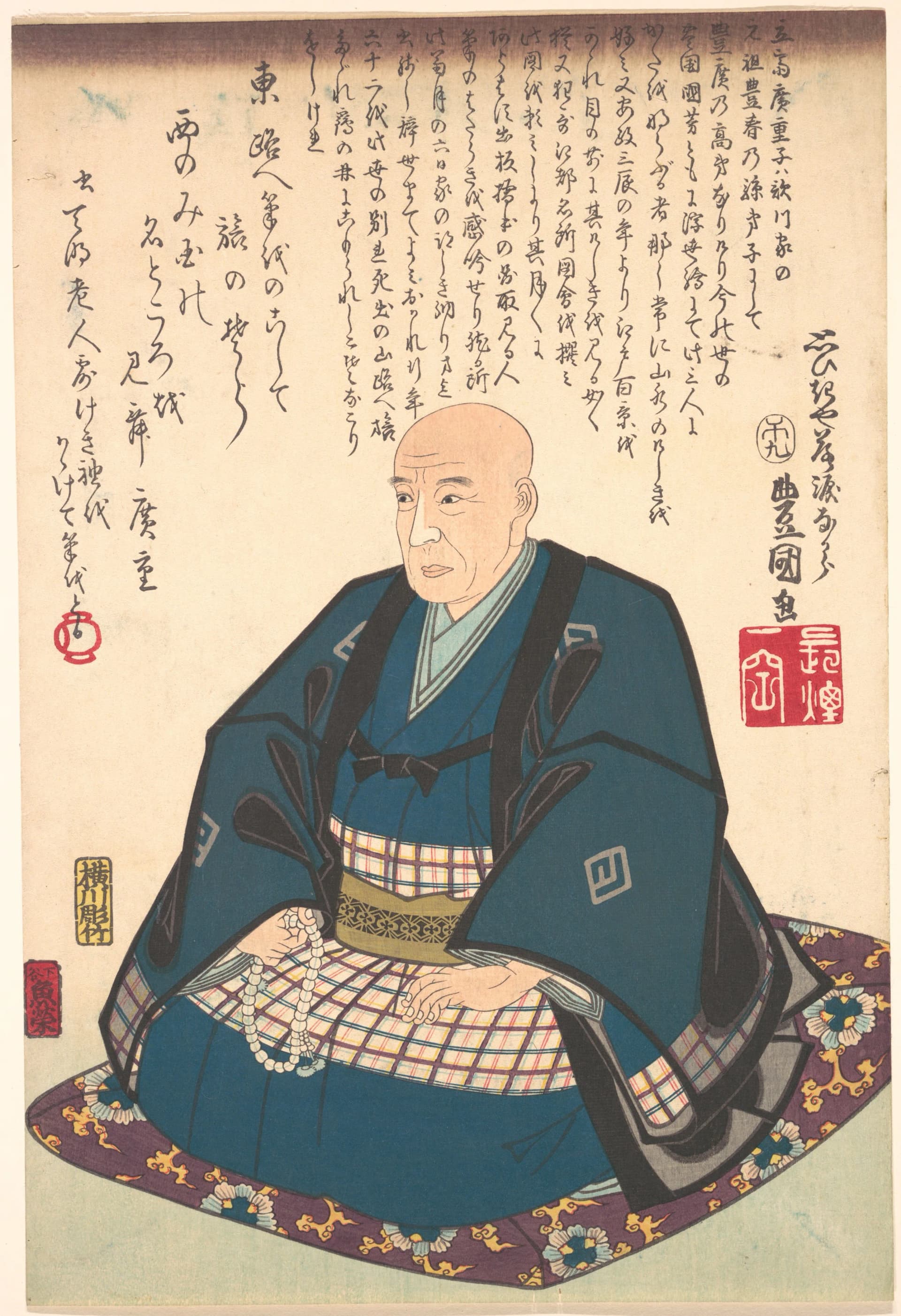
Født
January 1, 1797
Edo, Japan
Død
October 12, 1858
Edo, Japan
Kendt for
Japanese ukiyo-e artist
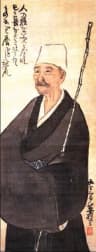
Utagawa Hiroshige (1797–1858) was Japan best known for Japanese ukiyo-e artist.
Utagawa Hiroshige (January 1, 1797 – October 12, 1858) was a Japanese ukiyo-e artist from Edo. He is recognized as the last great master of the ukiyo-e tradition, celebrated for his landscapes and scenes of daily life. His artistic legacy continues to inspire many.
Kapitel
Livskapitler
Kapitel 1 · 1797· Kapitel 1 af 6
Early Life and Origins
Utagawa Hiroshige was born Andō Tokutarō on January 1, 1797, in Edo, Japan, the city that would feature so prominently in his later artworks. Little is known about his early family life, but his birthplace, Edo, served as a constant source of inspiration throughout his career. This vibrant capital city provided a rich setting for many of his artistic explorations, from bustling streets to serene natural vistas.
His artistic journey began by embracing the ukiyo-e tradition, a genre of art that flourished in Japan from the 17th to the 19th centuries. Ukiyo-e artists often depicted scenes from everyday life, famous kabuki actors, beautiful women, and historical moments. Hiroshige would later specialize in landscapes, revolutionizing the genre with his unique perspective.
Kapitel 2· Kapitel 2 af 6
Career Beginnings and Artistic Development
Hiroshige dedicated his professional life to the arts, excelling as a painter, xylographer, and ukiyo-e artist. He adopted the name Utagawa Hiroshige, becoming a student of Utagawa Toyohiro, a respected master of the Utagawa school. This period of tutelage allowed him to hone his skills in woodblock print design and composition.
His early works demonstrated a growing mastery of perspective and atmospheric effects, which would become hallmarks of his mature style. While the specifics of his initial artistic commissions are not detailed, his talent quickly became apparent. He transitioned from depicting traditional ukiyo-e subjects to focusing on landscapes and travel scenes, which would cement his place in art history.
Kapitel 3· Kapitel 3 af 6
Major Achievements and Career Highlights
Utagawa Hiroshige is celebrated as the last great master of the ukiyo-e tradition, a title that speaks to his unparalleled skill and lasting influence. His most significant achievement lies in his innovative approach to landscape prints, transforming them into a genre of profound artistic expression. He produced an immense body of work, with many pieces organized into celebrated series.
Throughout his career, Hiroshige created numerous series that meticulously documented the scenic routes and famous places of Japan. These series not only showcased his artistic prowess but also served as visual guides to the natural beauty and cultural landmarks of his homeland. His ability to evoke emotion and atmosphere through color and composition set his works apart.
Kapitel 4 · 1833· Kapitel 4 af 6
Notable Works and Contributions
Hiroshige's artistic output was extensive, featuring thousands of designs over his career, many of which remain iconic today. Among his most renowned contributions is the series "Fifty-three Stations of the Tokaido (Tokaido gojusan tsugi)," which he produced in several versions, including the Hoeido Tokaido (c. 1833/34) and the Tokaido with Poem (Kyoka iri Tokaido) (c. 1837/42). Specific prints from these series, such as "Mishima: Morning Mist" (c. 1833/34), "Kanbara: Evening Snow" (c. 1833/34), and "Mitsuke: Ferries Crossing the Tenryu River" (c. 1837/42) from the Art Institute of Chicago, vividly illustrate his mastery of mood and perspective.
Another prominent series, "Sixty-nine Stations of the Kisokaido (Kisokaido rokujukyu tsugi no uchi)" (c. 1835/38), further exemplifies his detailed mapping of Japan's ancient travel routes. Prints like "No. 37: Miyanokoshi" and "No. 32: Seba," held at the Art Institute of Chicago, offer captivating glimpses into the diverse landscapes and human activities along these historic paths. His keen eye for composition captured the essence of each location.
Hiroshige also explored urban life, as seen in "A Collection of Famous Restaurants of Edo (Edo Kōmei Kaitei Zukushi)" (ca. 1838–40). Works like "The Yaozen Restaurant, San’ya (San’ya, Yaozen)" and "The Musashiya Restaurant, Ushijima (Ushijima, Musashiya)," both at the Met Museum, provide charming views of social scenes and culinary establishments. These prints offer valuable insights into the cultural fabric of Edo during his time.
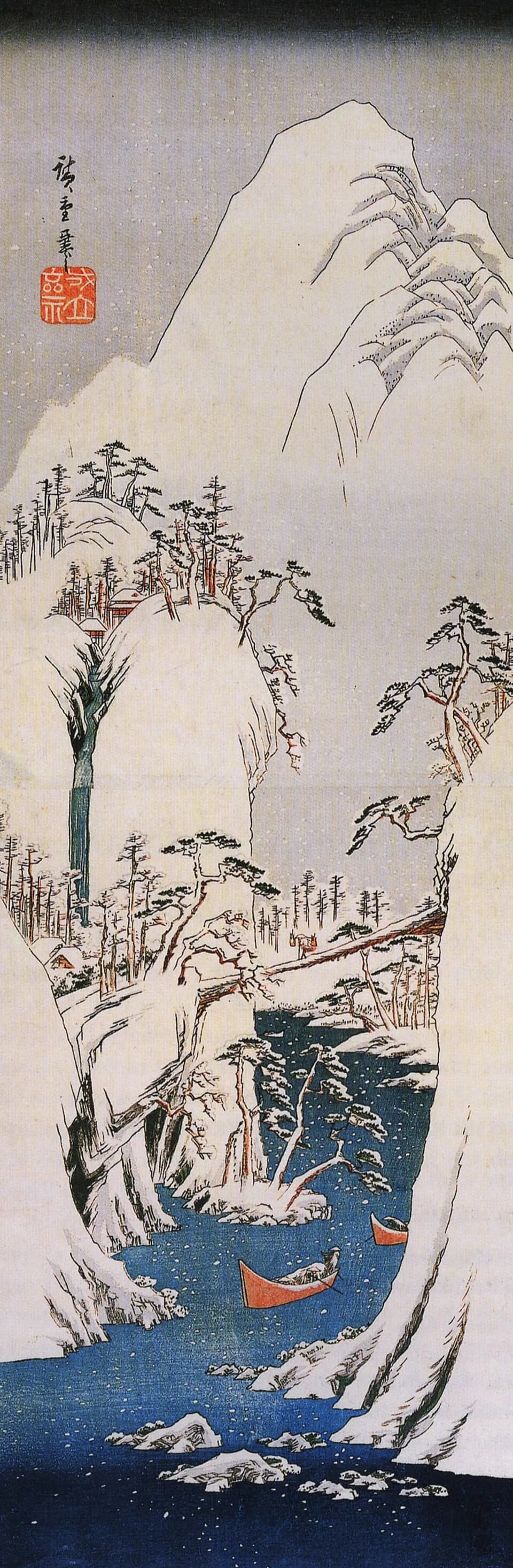
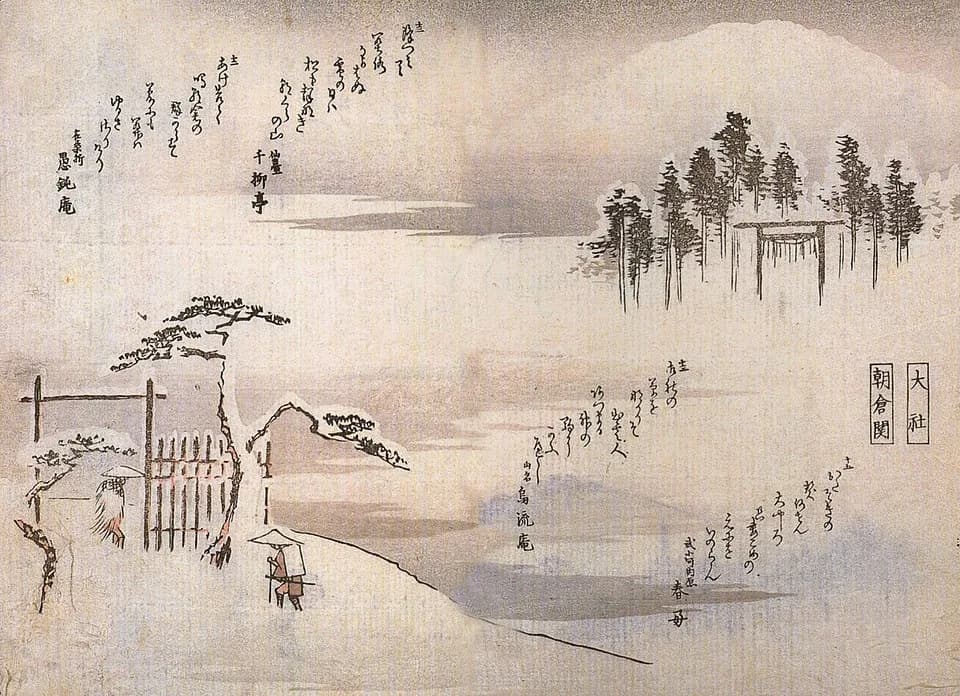
His talent extended to depicting other famous places, such as "The Yodo River, from the series Famous Places of Kyoto (Kyoto meisho no uchi, Yodo-gawa)" (1834), found at the Met Museum. Seasonal beauty was a recurring theme, beautifully captured in works like "Snow at Benzaiten Shrine in Inokashira Pond (Inokashira no ike Benzaiten no yashiro yuki no kei)" from the series "Snow, Moon, and Flowers at Famous Places (Meisho setsugekka)" (c. 1844/45) at the Art Institute of Chicago. The Met Museum also holds his "Chrysanthemums in Fan-shaped Design" (1840s), demonstrating his versatility across subjects.
Kapitel 5 · 1857· Kapitel 5 af 6
Later Years and Passing
In his later career, Hiroshige continued to produce compelling works that sustained his reputation. One of his final significant series was "Six Jewel Rivers from Various Provinces" (1857), a beautiful collection that continued his exploration of natural themes. This series, held at the Met Museum, showcases his enduring artistic vitality even in his later years.
Utagawa Hiroshige passed away on October 12, 1858, in his hometown of Edo, Japan. His death marked the end of an era for ukiyo-e, as he was indeed the last great master to fully embody and elevate the tradition. His life's work remains a monumental achievement in Japanese art.
Kapitel 6· Kapitel 6 af 6
Legacy and Impact
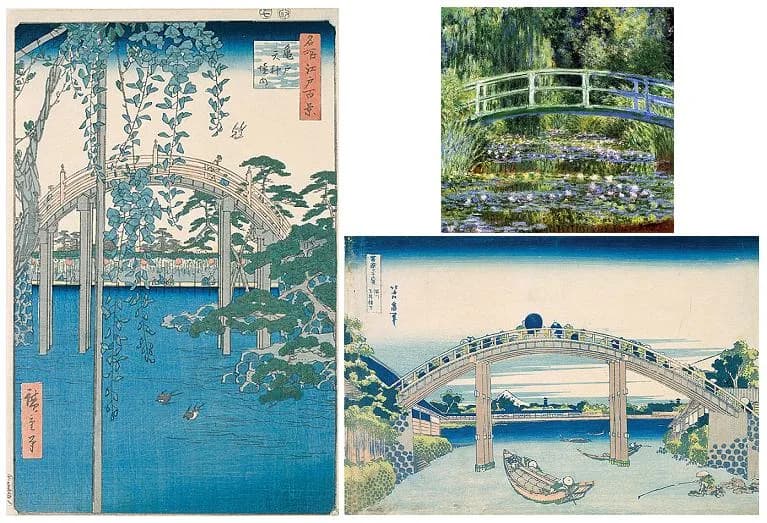
The legacy of Utagawa Hiroshige continues to resonate globally, cementing his position as one of the most influential figures in Japanese art history. As the last great master of ukiyo-e, his works had a profound influence on subsequent generations of artists in Japan and captivated Western artists during the Japonisme movement. His prints introduced a fresh perspective on landscape painting, blending traditional Japanese aesthetics with a unique sense of realism and atmosphere.
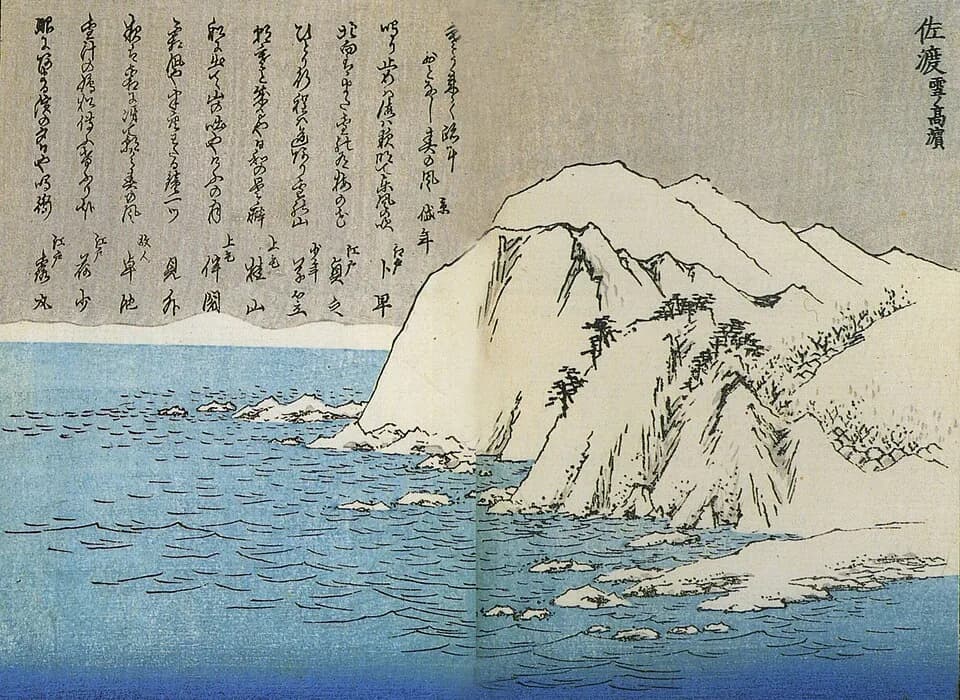
His detailed depictions of the Tokaido and Kisokaido roads, along with his evocative portrayals of Edo's seasons and natural beauty, offer invaluable historical and cultural records. Hiroshige's ability to capture transient moments, from a misty morning to an evening snowfall, continues to charm and inspire. His art remains a window into the Edo period, celebrated for its beauty, technical brilliance, and deep connection to the Japanese spirit.
Et liv i øjeblikke
De øjeblikke, der formede et liv
Ofte stillede spørgsmål
Ofte spurgt
Hvornår døde Utagawa Hiroshige?
Utagawa Hiroshige døde den 12. oktober 1858 i Edo, Japan i en alder af 61 år.
Hvor blev Utagawa Hiroshige født?
Utagawa Hiroshige blev født i Edo, Japan den 1. januar 1797.
Hvad er Utagawa Hiroshige mest kendt for?
Utagawa Hiroshige er mest kendt for Japanese ukiyo-e artist.
Hvor gammel var Utagawa Hiroshige ved dødsfaldet?
Utagawa Hiroshige var 61 år gammel ved dødsfaldet.
Hvilken nationalitet havde Utagawa Hiroshige?
Utagawa Hiroshige kom fra Japan.
Tidslinje
Et liv ved et hurtigt blik
Billedgalleri
Et liv i billeder
Klik på en polaroid for at forstørre · 48 billeder
QR-kode
Del denne biografi
Udskriv og del
Scan for at besøge denne biografiside. Udskriv til arrangementer, udstillinger eller undervisningsmateriale.