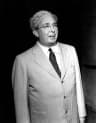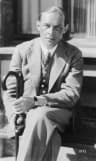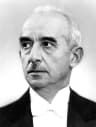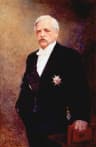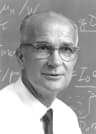
Født
November 26, 1898
Helsa, Germany
Død
August 12, 1973
Mülheim an der Ruhr, Germany
Kendt for
German chemist
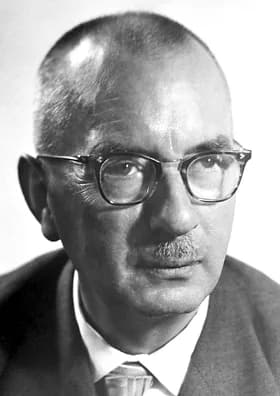
Karl Ziegler (1898–1973) was Germany best known for German chemist.
Karl Waldemar Ziegler (November 26, 1898 – August 12, 1973) was a German chemist and engineer. He won the Nobel Prize in Chemistry in 1963 for his foundational work on polymers and the Ziegler–Natta catalyst. His discoveries revolutionized industrial processes, leaving a lasting mark on materials science.
Kapitel
Livskapitler
Kapitel 1 · 1898· Kapitel 1 af 6
Early Life and Origins
Born on November 26, 1898, in Helsa, Germany, Karl Ziegler's formative years were spent in an environment that fostered intellectual curiosity. While specific details of his early family life and schooling are not extensively documented, his eventual rise to become a celebrated chemist and university teacher points to a robust foundational education. His upbringing in Germany, a hub of scientific progress during that era, provided fertile ground for his budding scientific interests.
Kapitel 2· Kapitel 2 af 6
Career Beginnings
Ziegler embarked on a distinguished career that spanned multiple decades, establishing himself as a prominent chemist and engineer. He began his professional journey with a keen interest in fundamental chemical processes. Early in his academic and research pursuits, he explored the complex world of organometallic compounds, a field that would become central to his most significant scientific discoveries. This foundational research laid the intellectual groundwork for his later breakthroughs in polymerization.
Kapitel 3 · 1963· Kapitel 3 af 6
Major Achievements and Career Highlights
Karl Ziegler's career was marked by numerous scientific triumphs and prestigious recognitions that elevated him to international prominence. In 1963, he was jointly awarded the Nobel Prize in Chemistry with Giulio Natta for their exceptional work on polymers. The Nobel Committee specifically lauded his "excellent work on organometallic compounds," highlighting how these efforts led to novel polymerization reactions and introduced highly useful industrial processes. This global recognition solidified his status as a leading figure in chemical research.
Earlier, in 1960, Ziegler received the Werner von Siemens Ring, sharing the esteemed honor with fellow scientists Otto Bayer and Walter Reppe. This award acknowledged their collective contributions to expanding scientific knowledge and facilitating the technical development of new synthetic materials. Such accolades underscored the practical and theoretical impact of Ziegler's pioneering investigations.
Kapitel 4· Kapitel 4 af 6
Notable Works or Contributions
Among Ziegler’s most celebrated contributions was the development of the Ziegler–Natta catalyst, a revolutionary tool that fundamentally transformed the production of high polymers. This catalyst enabled more controlled and efficient polymerization processes, opening new avenues for material synthesis. His research specifically focused on the chemistry and technology of these high polymers, unlocking unprecedented possibilities for industrial application and material science.
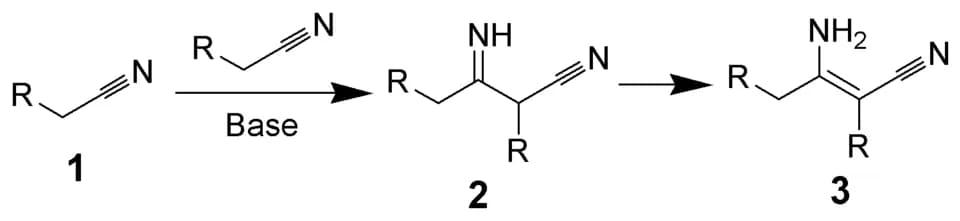
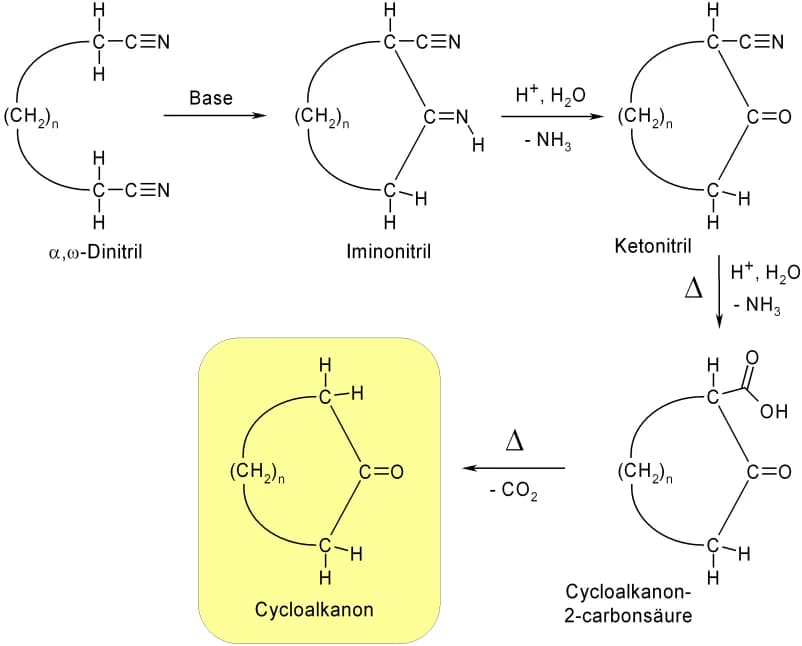
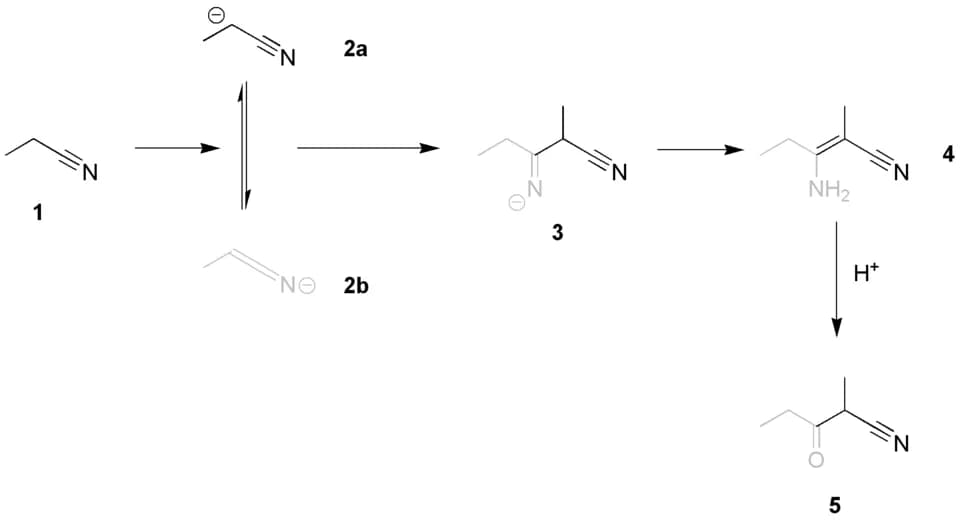
Beyond the renowned catalyst, Ziegler also made significant contributions to the understanding of free-radicals and the synthesis of many-membered rings. These diverse areas of inquiry showcased his broad scientific acumen and his capacity to push the boundaries of chemical knowledge across different domains. His dedication to exploring the complex structures and reactions of organic compounds left an enduring mark on the field.
Kapitel 5 · 1973· Kapitel 5 af 6
Later Years
Karl Ziegler continued his influential work in chemistry through his later years, maintaining his dedication to scientific inquiry even after receiving the Nobel Prize. His relentless pursuit of knowledge solidified his legacy as a leading scientific figure globally. His death on August 12, 1973, in Mülheim an der Ruhr, Germany, marked the end of a prolific career dedicated to scientific exploration and discovery. Though he had passed away, the innovations he championed continued to advance chemical industries worldwide.
Kapitel 6· Kapitel 6 af 6
Legacy and Impact
The legacy of Karl Ziegler continues to resonate deeply within the scientific community and industrial sector, proving his enduring influence. His pioneering work on organometallic compounds and subsequent development of the Ziegler–Natta catalyst irrevocably changed the field of polymer chemistry. By facilitating new polymerization reactions, Ziegler's research not only expanded fundamental scientific understanding but also paved the way for entirely new and economically valuable industrial processes that benefit humanity daily. His impact ensures his place as one of the most influential chemists of the 20th century, profoundly shaping the materials that define modern life.
Et liv i øjeblikke
De øjeblikke, der formede et liv


Ofte stillede spørgsmål
Ofte spurgt
Hvornår døde Karl Ziegler?
Karl Ziegler døde den 12. august 1973 i Mülheim an der Ruhr, Germany i en alder af 74 år.
Hvor blev Karl Ziegler født?
Karl Ziegler blev født i Helsa, Germany den 26. november 1898.
Hvad er Karl Ziegler mest kendt for?
Karl Ziegler er mest kendt for German chemist.
Hvor gammel var Karl Ziegler ved dødsfaldet?
Karl Ziegler var 74 år gammel ved dødsfaldet.
Hvilken nationalitet havde Karl Ziegler?
Karl Ziegler kom fra Germany.
Tidslinje
Et liv ved et hurtigt blik
Billedgalleri
Et liv i billeder
Klik på en polaroid for at forstørre · 40 billeder
QR-kode
Del denne biografi
Udskriv og del
Scan for at besøge denne biografiside. Udskriv til arrangementer, udstillinger eller undervisningsmateriale.