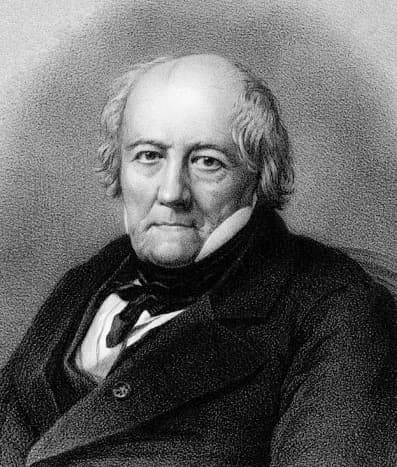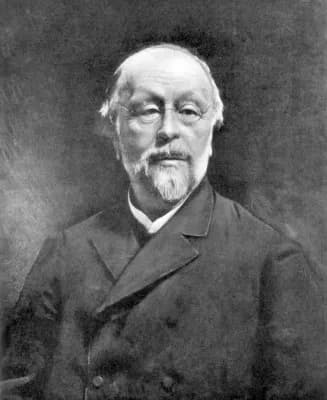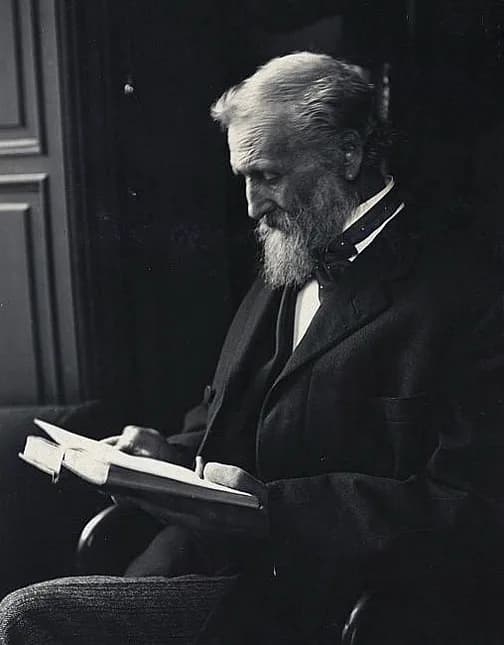
Født
April 21, 1838
Dunbar, United Kingdom
Død
December 24, 1914
Los Angeles, United States
Kendt for
Scottish-American naturalist
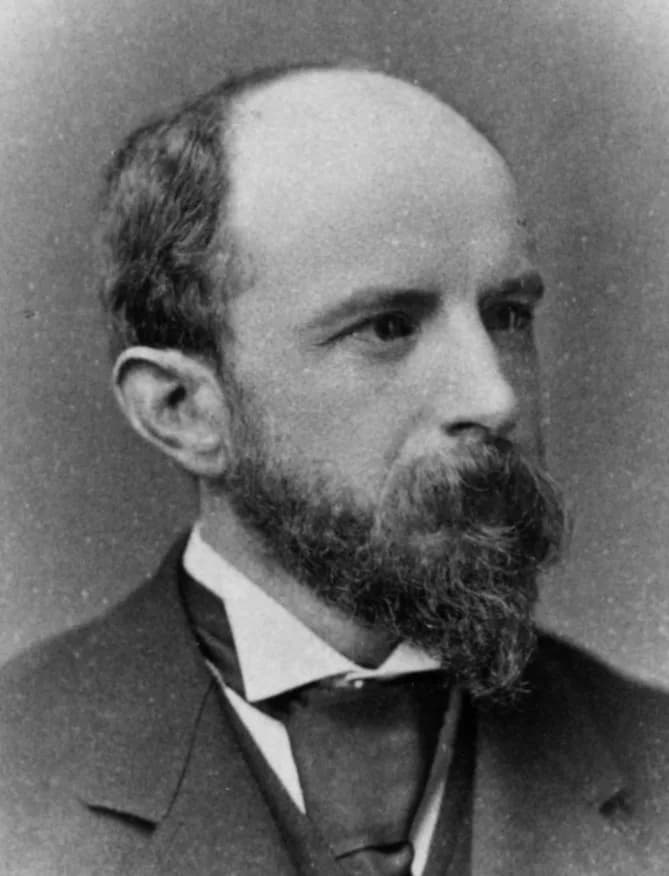
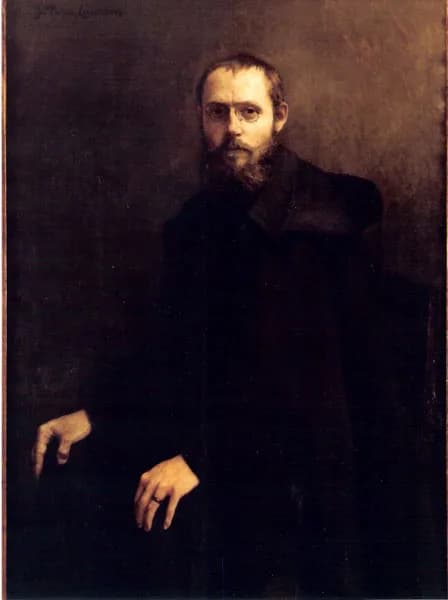
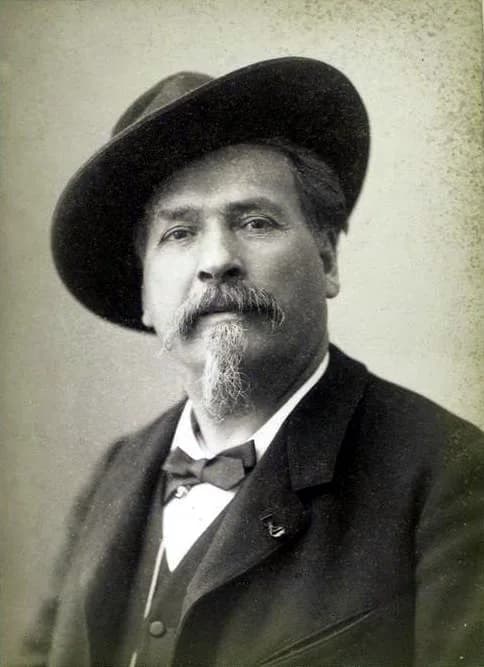
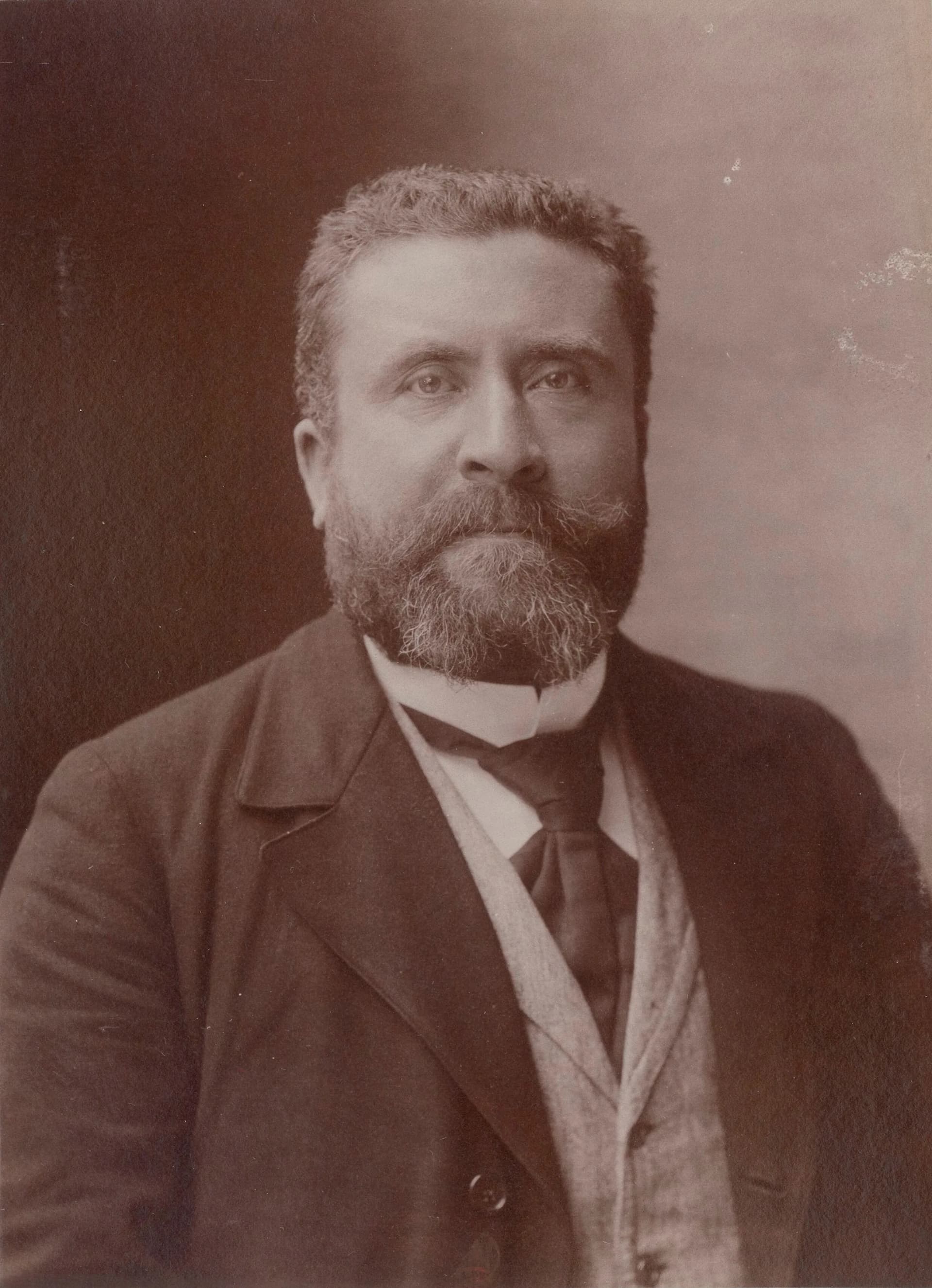
John Muir (1838–1914) was United Kingdom best known for Scottish-American naturalist.
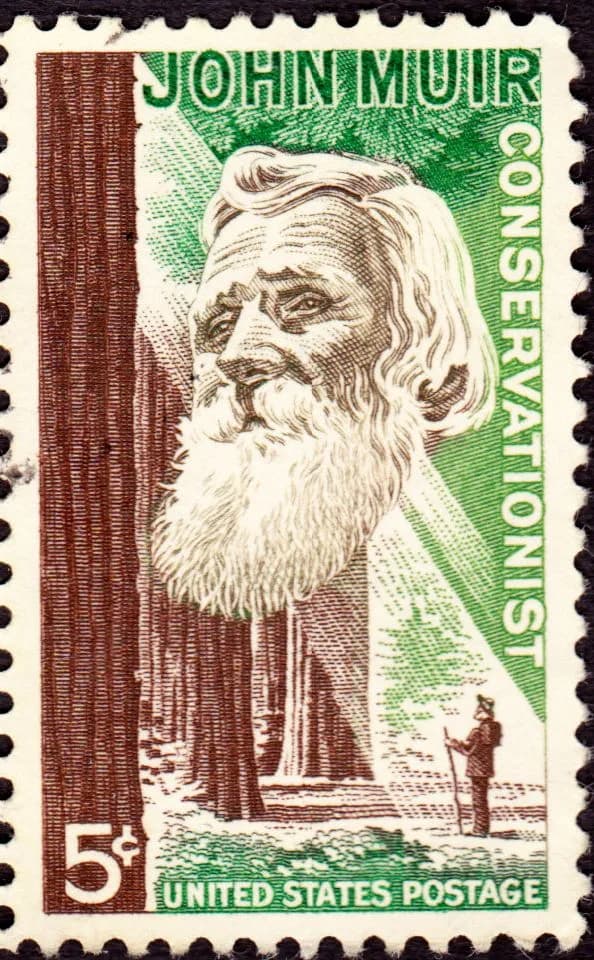
John Muir (April 21, 1838 – December 24, 1914) was a Scottish-born American naturalist and conservationist. Known as the "Father of the National Parks," he was a strong advocate for wilderness preservation in the United States. His writings and explorations left a lasting impact on environmental thought and policy.
Et liv i øjeblikke
De øjeblikke, der formede et liv
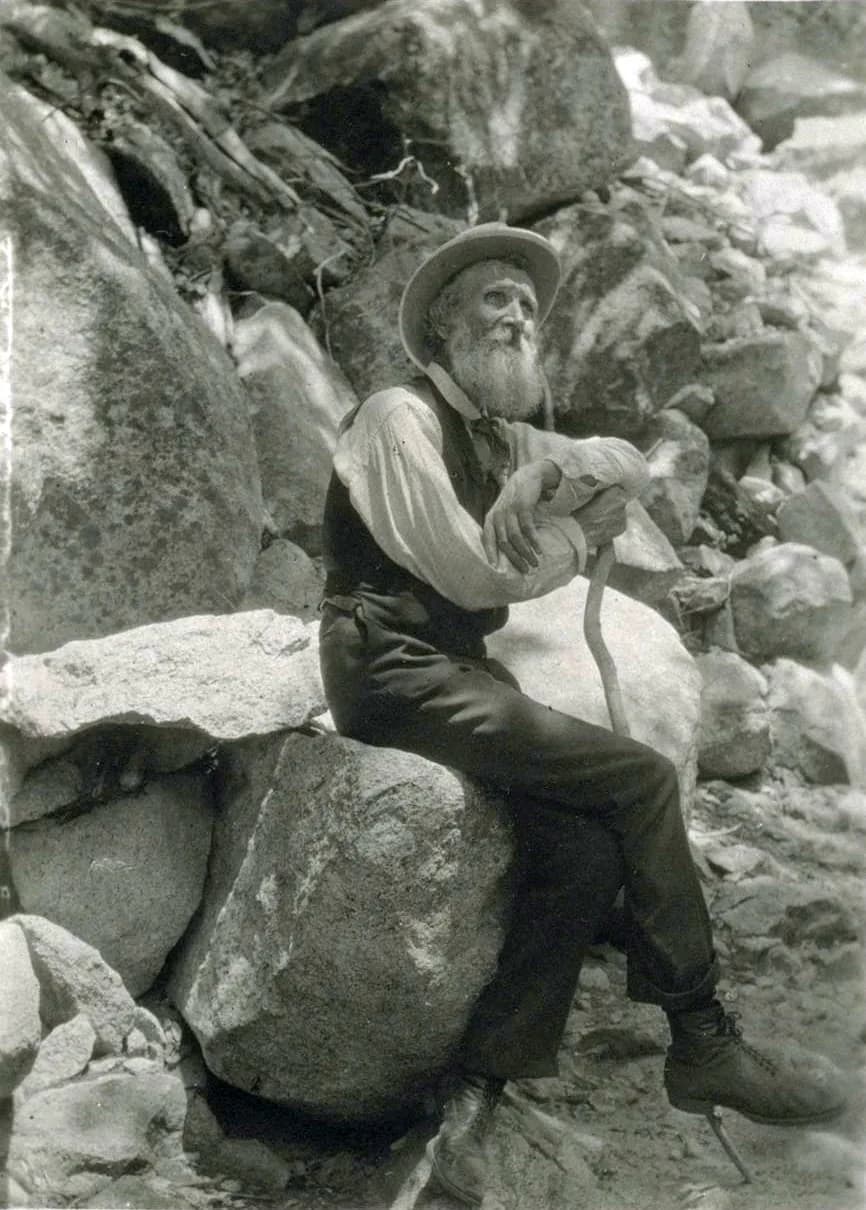

Kapitel
Livskapitler
Kapitel 1 · 1838· Kapitel 1 af 7
Early Life and Origins
John Muir was born on April 21, 1838, in Dunbar, United Kingdom, a historic coastal town in Scotland known for its rugged shores and dramatic landscapes, which likely provided his earliest sensory impressions of nature's power. His childhood unfolded within a strict, Calvinist household, an environment that, while instilling in him a strong sense of discipline, moral purpose, and a robust work ethic, also fostered a deep yearning for intellectual freedom and an unmediated connection with the wild, untamed world beyond the confines of structured life.
In 1849, at the tender age of eleven, Muir's family embarked on a transformative journey, emigrating from the familiar Scottish coast to the rapidly expanding frontier of the United States, ultimately settling on a demanding pioneer farm near Portage, Wisconsin. This dramatic shift from the ancient, settled landscapes of his birth to the expansive, raw American wilderness profoundly influenced young Muir, initiating a lifelong fascination with the continent's diverse ecosystems and their profound ecological narratives. He quickly developed an intimate, almost spiritual relationship with the vast forests, fertile fields, winding rivers, and abundant wildlife surrounding his new home, often seeking solace and inspiration by escaping the arduous daily farm chores to immerse himself in exploratory wanderings, laying the crucial groundwork for his future as an unwavering naturalist and indefatigable explorer.
Kapitel 2 · 1867· Kapitel 2 af 7
Career Beginnings
Muir's exceptional natural curiosity, coupled with a remarkable inventive spirit and a keen mechanical aptitude, became strikingly evident during his formative years and early adulthood, leading him to develop various ingenious contraptions, though specific details of these inventions are not widely recorded. However, a severe industrial accident in 1867, which resulted in temporary blindness, served as a profound turning point in his life, an experience he later described as a revelation that sharply clarified his true life's purpose and redirected his energies with renewed conviction. Following this period of recovery and deep introspection, Muir made an unwavering commitment to dedicate his remaining years entirely to the meticulous study, appreciative observation, and fervent advocacy for the wilderness, understanding its vulnerability and its essential role in human well-being.
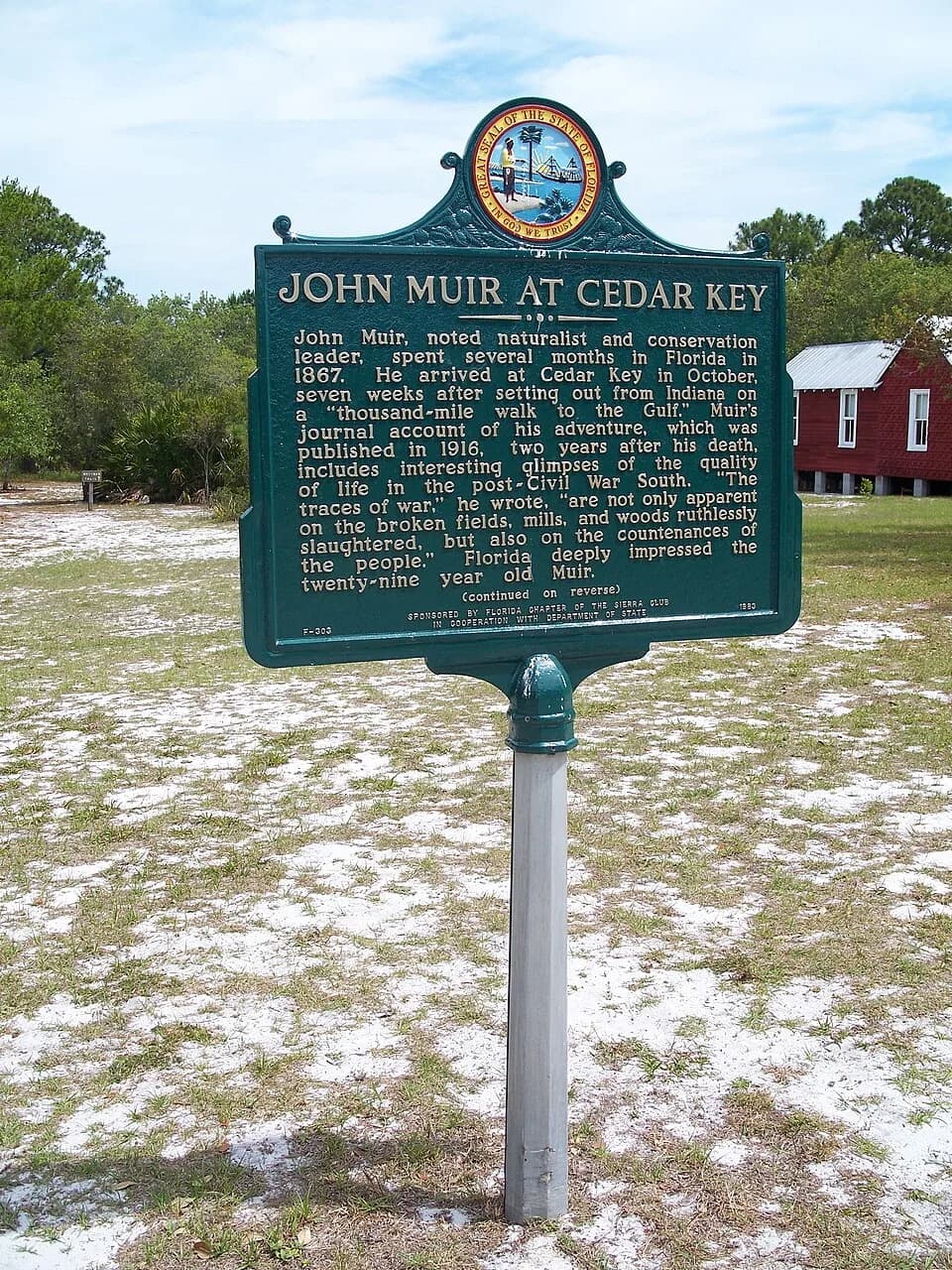
His distinctive professional journey commenced not through traditional academic pathways or conventional employment, but through direct, immersive engagement with the natural world itself, as he famously embarked on what he termed a "thousand-mile walk to the Gulf" in 1867. This solitary, arduous journey saw him traverse an immense distance from Indiana through Kentucky, Tennessee, North Carolina, Georgia, and Florida, documenting every botanical specimen and geological formation encountered along the way, demonstrating his early prowess as a botanical collector and astute observer. This epic expedition proved to be a pivotal, life-defining experience, cementing his identity as a dedicated explorer, a meticulous botanical collector, and a nascent environmental philosopher, simultaneously furnishing him with an inexhaustible reservoir of vivid observations and profound reflections that would later form the rich thematic tapestry of his influential writings.
Kapitel 3· Kapitel 3 af 7
Major Achievements and Career Highlights
John Muir's career was unequivocally distinguished by his relentless spirit of exploration and his uniquely powerful, eloquent voice advocating for wilderness preservation, earning him the affectionate moniker "John of the Mountains" due to his extensive and deeply personal travels throughout the majestic Sierra Nevada. His groundbreaking and meticulously detailed studies of glacial geology within the Sierra Nevada, particularly in the iconic Yosemite Valley, provided compelling and innovative evidence that massive glaciers had sculpted these dramatic landscapes, a scientific revelation that courageously challenged and ultimately reshaped the prevailing geological theories of his era. This deep scientific understanding informed his appreciation for the dynamism and antiquity of natural systems.
Recognized as a central and charismatic figure in the nascent American conservation movement, Muir played a foundational role in the establishment of the Sierra Club in 1892, an organization conceived with the explicit mission to explore, to enjoy, and to protect the wild places of the Earth for all time. His tireless and passionate advocacy, marked by persuasive writings and direct appeals to political leaders and the public, proved instrumental in the designation and establishment of many of America's first national parks, a monumental achievement that justly earned him the revered title "Father of the National Parks." Through his unwavering efforts and visionary foresight, vast areas of stunning natural beauty and ecological significance were permanently protected and preserved for future generations, including such iconic treasures as Yosemite, Sequoia, Mount Rainier, and Grand Canyon National Parks, each standing as a testament to his profound influence.
Kapitel 4 · 1880· Kapitel 4 af 7
Personal Life
While often characterized by periods of solitary immersion in his extensive wilderness expeditions, John Muir's personal life was, in essence, profoundly intertwined with and deeply shaped by his unwavering devotion to nature and his singular environmental mission. The specific details of his familial relationships, though not exhaustively chronicled in the provided information, were undeniably influenced by his overarching commitment to the wild, reflecting a man whose entire being was dedicated to a cause larger than himself. He married Louie Wanda Strentzel in 1880, a union that provided him with a domestic anchor and the support necessary to continue his demanding work, and together they raised two daughters, Wanda and Helen, at their ranch in Martinez, California, where he found periods of respite and a base for his prolific writing endeavors.
Muir's personal interests were not mere diversions but were, in fact, direct extensions and integral components of his numerous professional roles, exemplifying a life lived with singular purpose and passion. As an ardent mountaineer, he purposefully sought out the challenging peaks, remote glaciers, and hidden valleys of the Sierra Nevada, experiencing the sublime power and intricate beauty of the wilderness firsthand, with every ascent deepening his understanding and resolve. His passion for botanical collecting and botany led him to meticulously observe, categorize, and document the diverse flora of various regions he explored, thereby contributing invaluable data to scientific understanding and fostering a broader appreciation for the intricate tapestry of biodiversity that defines healthy ecosystems. These intensely personal pursuits were never isolated hobbies but constituted the very essence of his life's work as an indefatigable preservationist, pioneering ecologist, and eloquent champion for the natural world.
Kapitel 5 · 1867· Kapitel 5 af 7
Notable Works and Contributions
As an exceptionally gifted and prolific writer and essayist, John Muir wielded his literary talents as a potent instrument to champion the urgent cause of wilderness preservation, transforming his observations and philosophical insights into compelling prose that resonated deeply with the public. His evocative words transcended mere description, bringing the breathtaking beauty, the intricate ecological nuances, and the critical urgency of protecting nature directly into the hearts and minds of countless readers across America and beyond, thereby inspiring an entire generation of burgeoning environmentalists and conservation advocates. Among his most celebrated and influential works is "A Thousand-Mile Walk to the Gulf," a captivating narrative that chronicles his formative 1867 journey through the unspoiled southern United States, offering readers intimate, lyrical observations of its diverse natural history, its pristine landscapes, and his evolving philosophical reflections on humanity's place within the grand scheme of creation.
Another profoundly significant autobiographical work, "The Story of My Boyhood and Youth," provides invaluable insight into his early life, vividly recounting his formative years spent amidst the rugged beauty of Scotland and the untamed wilderness of Wisconsin. This narrative reveals the deep, almost spiritual origins of his lifelong connection to and profound reverence for the natural world, illustrating how early experiences forged his environmental ethic. Through these foundational books and countless other compelling essays published in leading magazines and periodicals of his era, Muir established himself as an extraordinarily persuasive communicator, adept at shaping public opinion and directly influencing governmental policy decisions regarding land use and protection. His philosophical reflections on humanity's moral and ecological relationship with nature cemented his position as a preeminent environmental philosopher, ardently advocating for the inherent right of all wilderness areas to exist, flourish, and remain untouched by destructive human intervention, a radical and forward-thinking concept for his time.
Kapitel 6· Kapitel 6 af 7
Later Years
In his later years, John Muir maintained his relentless dedication to his life’s mission, continuing his tireless work as a preeminent conservationist and intrepid explorer, even as the inevitable passage of time brought challenges to his health and physical stamina. His wanderlust led him on extensive international travels, including significant expeditions to the expansive glacial landscapes of Alaska, the biodiverse regions of South America, the wild plains of Africa, and the unique ecosystems of Australia, each journey undertaken with an unyielding purpose: to deepen his understanding of global ecosystems and to advocate passionately for their comprehensive protection on a worldwide scale. These wide-ranging travels served to broaden his perspective immeasurably, consistently reinforcing his deeply held belief in the fundamental interconnectedness of all life forms and the universal, inestimable value of wild, unspoiled places as essential components of planetary health.
Despite his advancing age, Muir remained fiercely and actively engaged in numerous critical environmental campaigns, demonstrating an unwavering commitment to his cause until his final days. One of the most significant and emotionally taxing battles of his later life was the ultimately unsuccessful fight to prevent the proposed damming of the Hetch Hetchy Valley within the cherished boundaries of Yosemite National Park, a pristine natural wonder he considered sacred. While the specific battle to save Hetch Hetchy was tragically lost to the demands for urban water supply, the intensity of Muir's opposition and the national debate it ignited galvanized the nascent conservation movement in an unprecedented manner, starkly highlighting the critical importance of robust public advocacy for the preservation of threatened wilderness areas. This watershed moment, though a personal defeat, undeniably strengthened the resolve and strategic acumen of future generations of environmentalists, establishing a precedent for sustained public engagement in environmental policy.
Kapitel 7· Kapitel 7 af 7
Legacy and Impact
John Muir's legacy is not only immense in scope but also profoundly enduring, continuing to exert a powerful influence that extends far beyond his lifetime, shaping environmental thought and action into the present day. As the revered "Father of the National Parks," his visionary principles and tireless efforts fundamentally reshaped the approach to land management and public land policy in the United States, directly leading to the establishment, expansion, and enduring protection of the unparalleled national park system, a crown jewel of American conservation. His unwavering commitment to the preservation of wilderness, emphasizing its inherent aesthetic, spiritual, and ecological worth, continues to serve as an inspiring blueprint for environmental protection efforts not just nationally but on a global scale, teaching a profound and revolutionary respect for nature not merely as a utilitarian resource but as a vital, self-sustaining entity with its own intrinsic rights to existence.
His significant contributions as an ecologist and glaciologist were instrumental in advancing the scientific understanding of complex natural processes, particularly emphasizing the intricate interconnectedness of all ecosystems and the dynamic forces that shape Earth's geology. Muir's extensive and widely read writings, which masterfully fused rigorous scientific observation with deeply poetic description and philosophical contemplation, remain foundational texts for the entirety of environmental literature and a cornerstone of environmental philosophy. Through his compelling narratives and persuasive essays, he successfully instilled in millions of people an enduring appreciation for the wild, a profound sense of responsible stewardship, and an urgent imperative to act as guardians of nature, thereby ensuring that the passionate call for wilderness conservation would resonate powerfully through countless future generations. John Muir's extraordinary life and his tireless work continue to serve as a beacon, guiding and motivating all who dedicate themselves to the noble cause of protecting Earth's invaluable natural heritage.
Ofte stillede spørgsmål
Ofte spurgt
Hvornår døde John Muir?
John Muir døde den 24. december 1914 i Los Angeles, United States i en alder af 76 år.
Hvor blev John Muir født?
John Muir blev født i Dunbar, United Kingdom den 21. april 1838.
Hvad er John Muir mest kendt for?
John Muir er mest kendt for Scottish-American naturalist.
Hvor gammel var John Muir ved dødsfaldet?
John Muir var 76 år gammel ved dødsfaldet.
Hvilken nationalitet havde John Muir?
John Muir kom fra United Kingdom.
Tidslinje
Et liv ved et hurtigt blik
Billedgalleri
Et liv i billeder
Klik på en polaroid for at forstørre · 24 billeder
QR-kode
Del denne biografi
Udskriv og del
Scan for at besøge denne biografiside. Udskriv til arrangementer, udstillinger eller undervisningsmateriale.