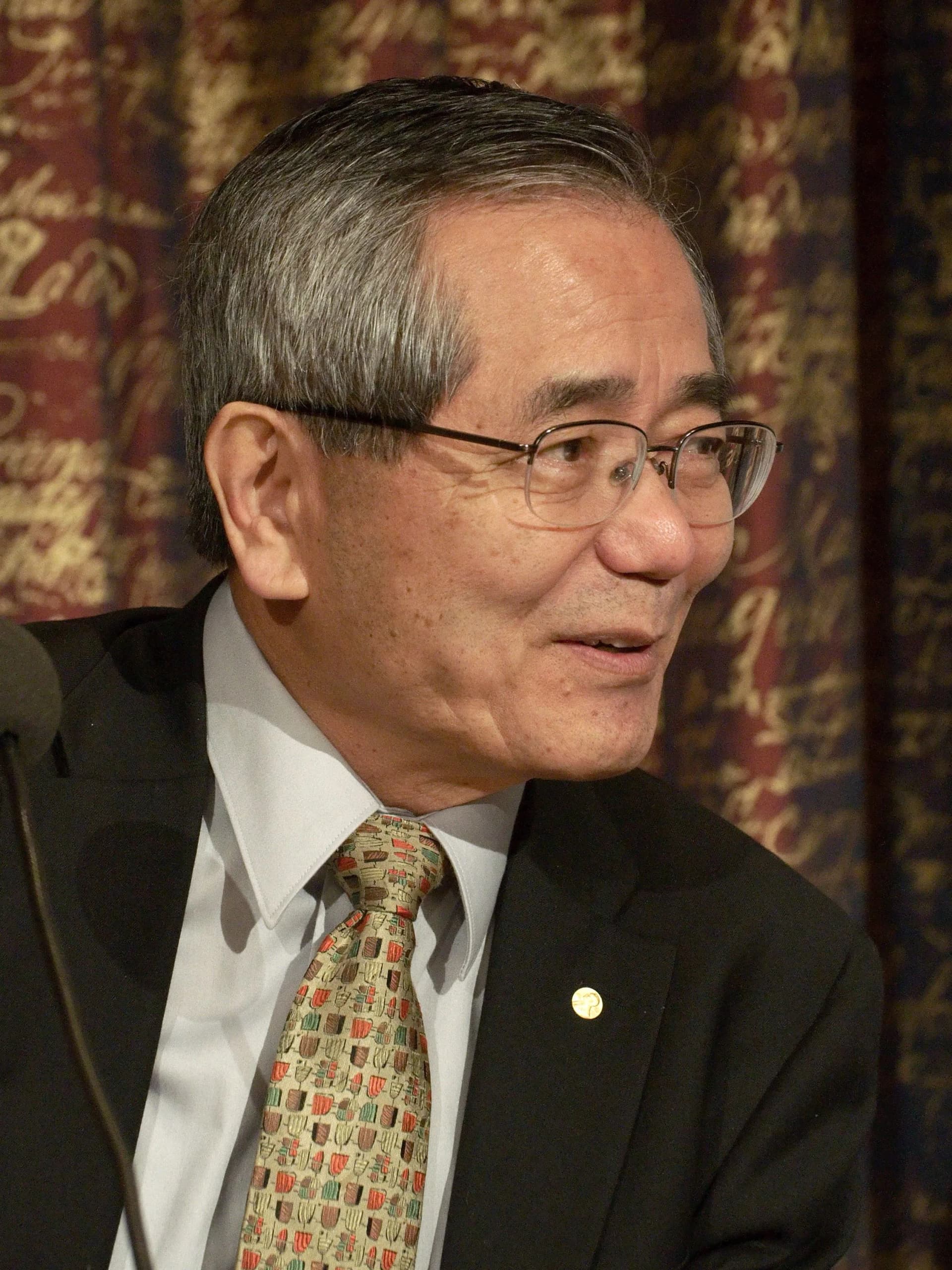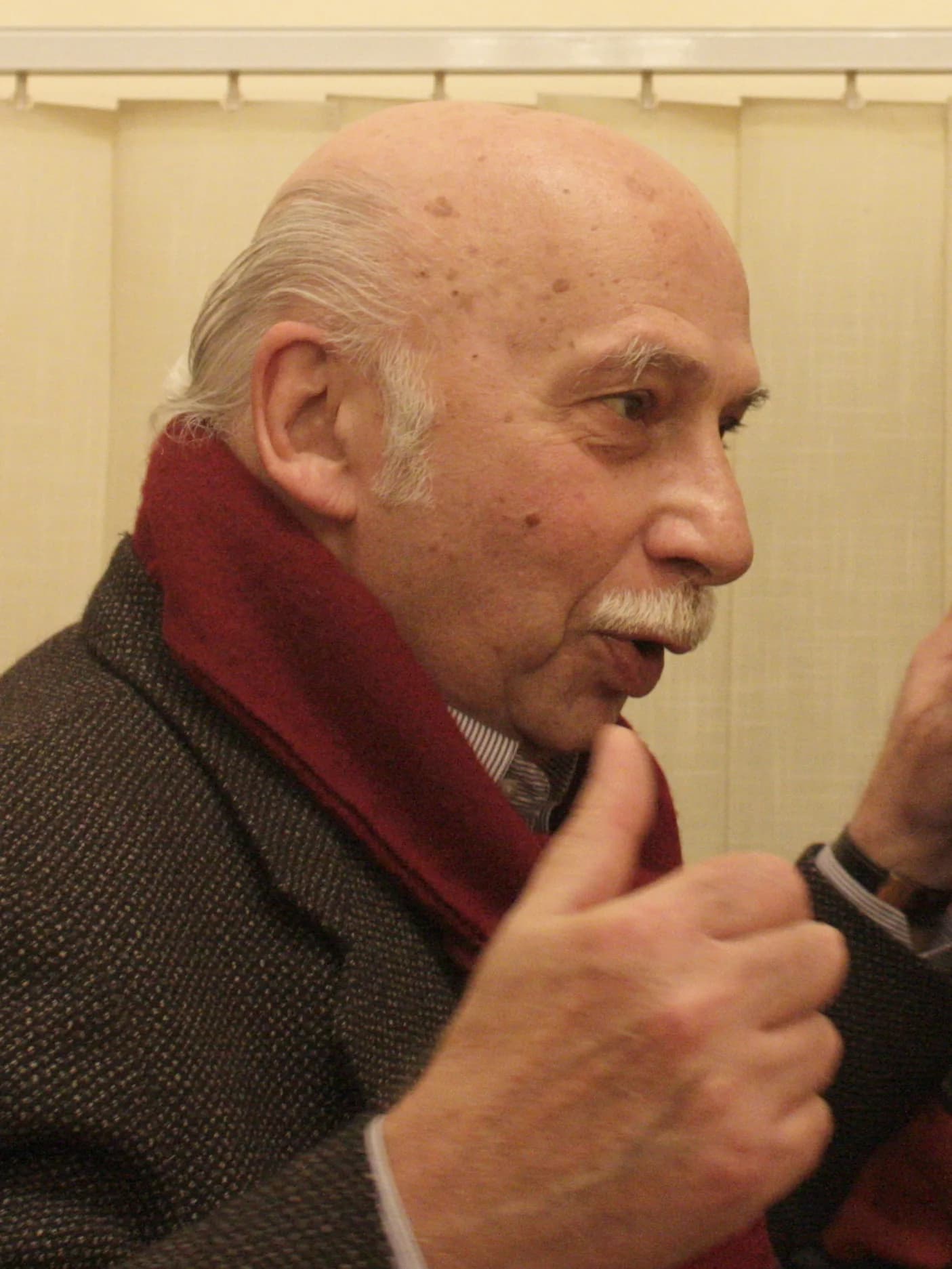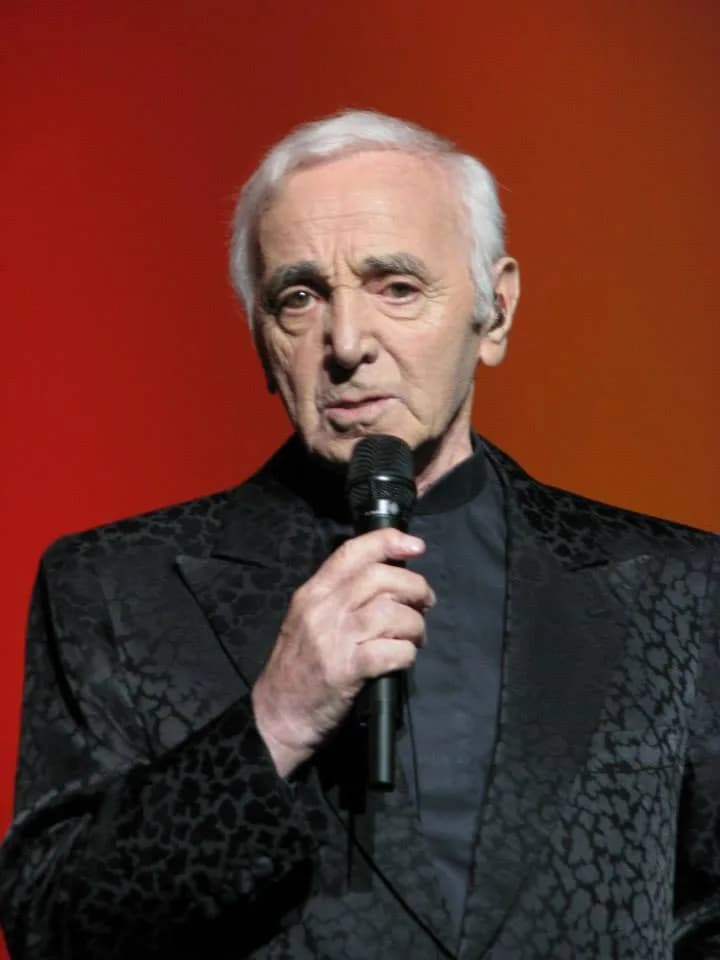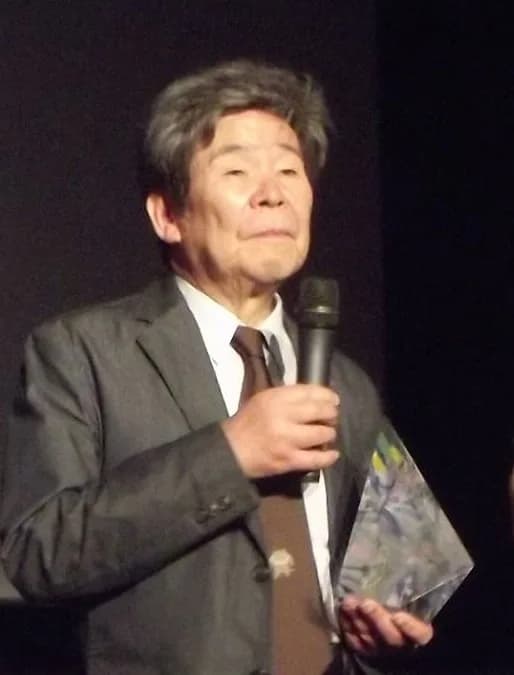
Født
October 29, 1935
Ise, Japan
Død
April 5, 2018
Tokyo, Japan
Kendt for
Japanese animator, animation director, director, producer
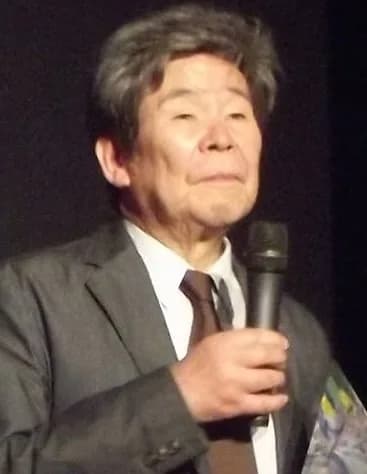
Isao Takahata (1935–2018) was Japan best known for Japanese animator, animation director, director, producer.
Isao Takahata (October 29, 1935 – April 5, 2018) was a Japanese animator, director, and co-founder of Studio Ghibli. He earned international critical acclaim for his work as a director of animated feature films, known for their emotional depth and thematic complexity. His contributions profoundly shaped the art of animation.
Et liv i øjeblikke
De øjeblikke, der formede et liv

Kapitel
Livskapitler
Kapitel 1 · 1935· Kapitel 1 af 7
A Life Dedicated to Animation
Isao Takahata (October 29, 1935 – April 5, 2018) was a revered Japanese animator, animation director, and producer whose profound influence shaped the landscape of animated feature films. Born in Ise, Japan, and passing away in Tokyo, Japan, Takahata became globally recognized for his masterful storytelling and his unique approach to animation, which often explored complex human emotions and societal themes with great depth and sensitivity. He was a co-founder of the internationally acclaimed Studio Ghibli, a testament to his enduring vision and commitment to the art form.
Takahata’s multifaceted career saw him excel as a screenwriter, translator, impresario, film director, and film producer, roles that collectively allowed him to bring a distinct intellectual rigor and artistic integrity to his projects. His contributions extended beyond the screen, encompassing scholarly work and critical analyses that deepened understanding of animation as a powerful narrative medium. Throughout his life, Takahata consistently pushed the boundaries of what animation could achieve, earning him a place among the most respected figures in cinema history.
Kapitel 2 · 1935· Kapitel 2 af 7
Early Life and Origins
Isao Takahata was born on October 29, 1935, in Ise, Japan, a city rich in cultural heritage. His early years were undoubtedly influenced by the historical and artistic environment of his birthplace, which may have fostered his deep appreciation for storytelling and visual artistry. While specific details about his family and early upbringing are not widely public, it is clear that his foundational experiences in Japan played a crucial role in shaping his perspective and artistic sensibilities, which later manifested in his distinct directorial style.
Takahata’s education laid the groundwork for his future career, equipping him with a comprehensive understanding of various disciplines that he would later integrate into his animation work. Although the specific institutions are not provided, his later roles as a screenwriter and translator suggest a strong command of language and narrative structure, indicating a robust academic background. This intellectual foundation was critical in his ability to not only direct but also to craft compelling narratives and adapt literary works for the screen, bringing a nuanced interpretive skill to his projects.
Kapitel 3· Kapitel 3 af 7
Career Beginnings
Takahata began his illustrious career in the animation industry, where he quickly demonstrated a keen eye for detail and a talent for guiding creative teams. His initial roles as an animator and animation director were foundational, allowing him to gain firsthand experience in the intricate processes of bringing characters and worlds to life. This hands-on understanding of animation production was invaluable, providing him with the practical knowledge necessary to effectively lead large-scale projects and to innovate within the medium.
His early work established him as a diligent and imaginative professional, laying the groundwork for his eventual rise to prominence as a director and producer. Through these initial experiences, Takahata cultivated a unique directorial philosophy, emphasizing emotional realism and complex character development over conventional animation tropes. This early dedication to artistic integrity set the stage for the critically acclaimed films he would later create, distinguishing his approach from many of his contemporaries.
Kapitel 4 · 1985· Kapitel 4 af 7
Major Achievements and Career Highlights
One of Isao Takahata's most significant achievements was his role as a co-founder of Studio Ghibli, established in 1985 alongside Hayao Miyazaki and Toshio Suzuki. This groundbreaking studio became synonymous with high-quality, artistically ambitious animated feature films, garnering international critical acclaim for its distinctive style and profound storytelling. Takahata’s leadership and creative contributions were central to shaping Ghibli's reputation as a powerhouse of animated cinema, influencing generations of filmmakers and artists worldwide.
As an animation director, director, and producer, Takahata consistently delivered works that challenged perceptions of animation as merely children’s entertainment. His films, celebrated for their depth, emotional resonance, and sophisticated themes, frequently explored topics ranging from environmentalism to the human cost of war, earning him international recognition. This critical success highlighted his ability to transcend cultural barriers and connect with audiences globally through universal human experiences, solidifying his status as a master filmmaker.
Kapitel 5· Kapitel 5 af 7
Notable Works or Contributions
Isao Takahata’s extensive bibliography and filmography showcase his diverse talents and his intellectual curiosity. Among his written works are theoretical explorations such as "Eiga o tsukurinagara kangaeta koto" (Things I Thought While Making Films), which offers insights into his filmmaking philosophy and the creative process. He also contributed to "スタジオジブリ作品関連資料集〈1〉" (Studio Ghibli Works Related Materials Collection 1), further documenting the studio's artistic journey and development.
His published works also include scholarly analyses like "Jūniseiki no animēshon" (12th Century Animation) and "Emakimono--anime no genryū" (Picture Scrolls--The Origin of Anime), demonstrating his deep historical understanding of visual storytelling and its roots in Japanese art. Takahata also produced picture books related to his films, such as "Tale of the Princess Kaguya Picture Book" and "Art of the Tale of the Princess Kaguya," allowing audiences to engage with his cinematic visions in new ways. Other literary contributions include "Maboroshi no "Nagakutsushita no Pippi"" (The Phantom "Pippi Longstocking") and "Heisei tanuki gassen pon poko," the latter sharing its title with one of his most beloved animated features, along with "My neighbors the Yamadas," also the title of a notable film.
Kapitel 6· Kapitel 6 af 7
Later Years
In his later years, Isao Takahata continued to dedicate himself to his craft, albeit with a more deliberate pace, ensuring that each project met his exacting standards. His final directorial efforts were met with critical adoration, showcasing a continued evolution in his artistic vision and an unwavering commitment to innovative animation. These later works served as a culmination of his life’s experiences and artistic wisdom, cementing his legacy as a filmmaker who never ceased to explore new narrative possibilities within animation.
Even as he approached the end of his life, Takahata remained an active and influential figure within the animation community, continuing to inspire and mentor new generations of artists. His passing on April 5, 2018, in Tokyo, Japan, marked the end of an era for Japanese animation, but his artistic contributions continued to resonate deeply with audiences and critics alike. He left behind a body of work that reflected a lifetime of dedication to pushing creative boundaries and telling stories of profound human relevance.
Kapitel 7· Kapitel 7 af 7
Legacy and Impact
Isao Takahata’s legacy is immense, profoundly influencing the artistic direction of animation globally and particularly within Japan. As a director, producer, and screenwriter, he demonstrated that animation could tackle complex, adult themes with sensitivity and sophistication, elevating the medium to an art form capable of deep emotional and intellectual engagement. His insistence on character-driven narratives and realistic portrayal of human experiences set a new standard for animated filmmaking, inspiring countless creators.
The co-founding of Studio Ghibli stands as a lasting testament to his vision, creating a platform for animation that prioritized artistic integrity over commercial pressures. Takahata’s works continue to be studied and celebrated for their technical brilliance, narrative depth, and enduring emotional power. His influence as a translator and impresario also fostered greater appreciation for diverse stories and perspectives within Japanese culture, underscoring his lasting impact as a cultural bridge-builder and innovator.
Ofte stillede spørgsmål
Ofte spurgt
Hvornår døde Isao Takahata?
Isao Takahata døde den 5. april 2018 i Tokyo, Japan i en alder af 82 år.
Hvor blev Isao Takahata født?
Isao Takahata blev født i Ise, Japan den 29. oktober 1935.
Hvad er Isao Takahata mest kendt for?
Isao Takahata er mest kendt for Japanese animator, animation director, director, producer.
Hvor gammel var Isao Takahata ved dødsfaldet?
Isao Takahata var 82 år gammel ved dødsfaldet.
Hvilken nationalitet havde Isao Takahata?
Isao Takahata kom fra Japan.
Tidslinje
Et liv ved et hurtigt blik
Billedgalleri
Et liv i billeder
Klik på en polaroid for at forstørre · 23 billeder
QR-kode
Del denne biografi
Udskriv og del
Scan for at besøge denne biografiside. Udskriv til arrangementer, udstillinger eller undervisningsmateriale.