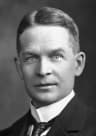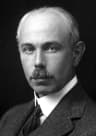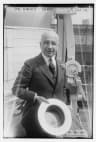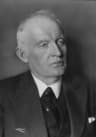
Født
June 7, 1877
Widnes, United Kingdom
Død
October 23, 1944
Edinburgh, United Kingdom
Kendt for
English physicist
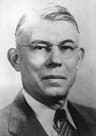
Charles Glover Barkla (1877–1944) was United Kingdom best known for English physicist.
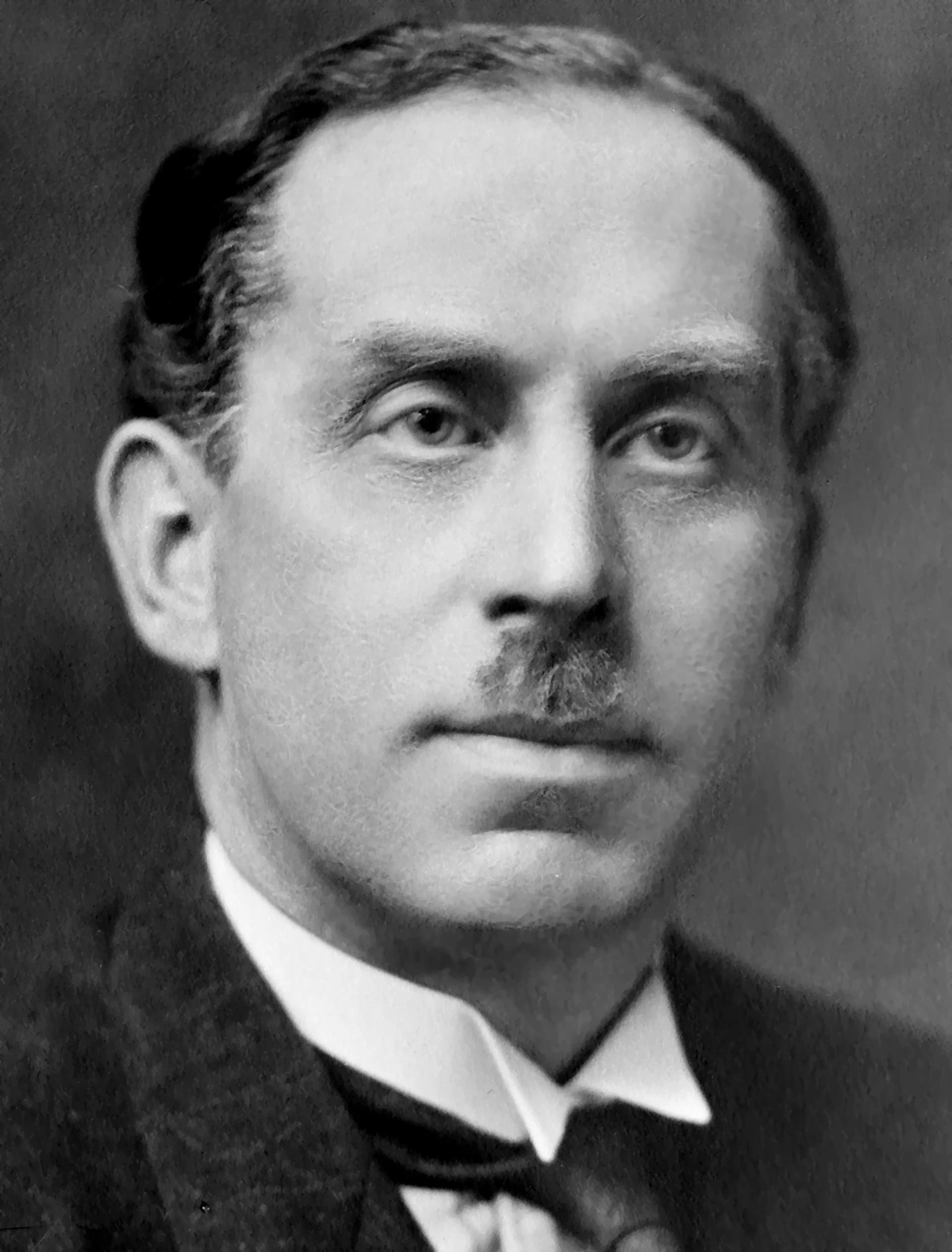
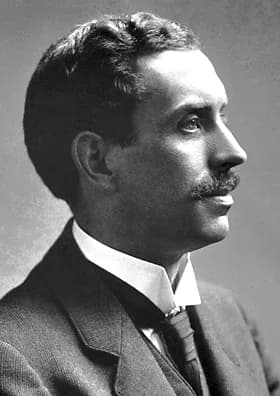
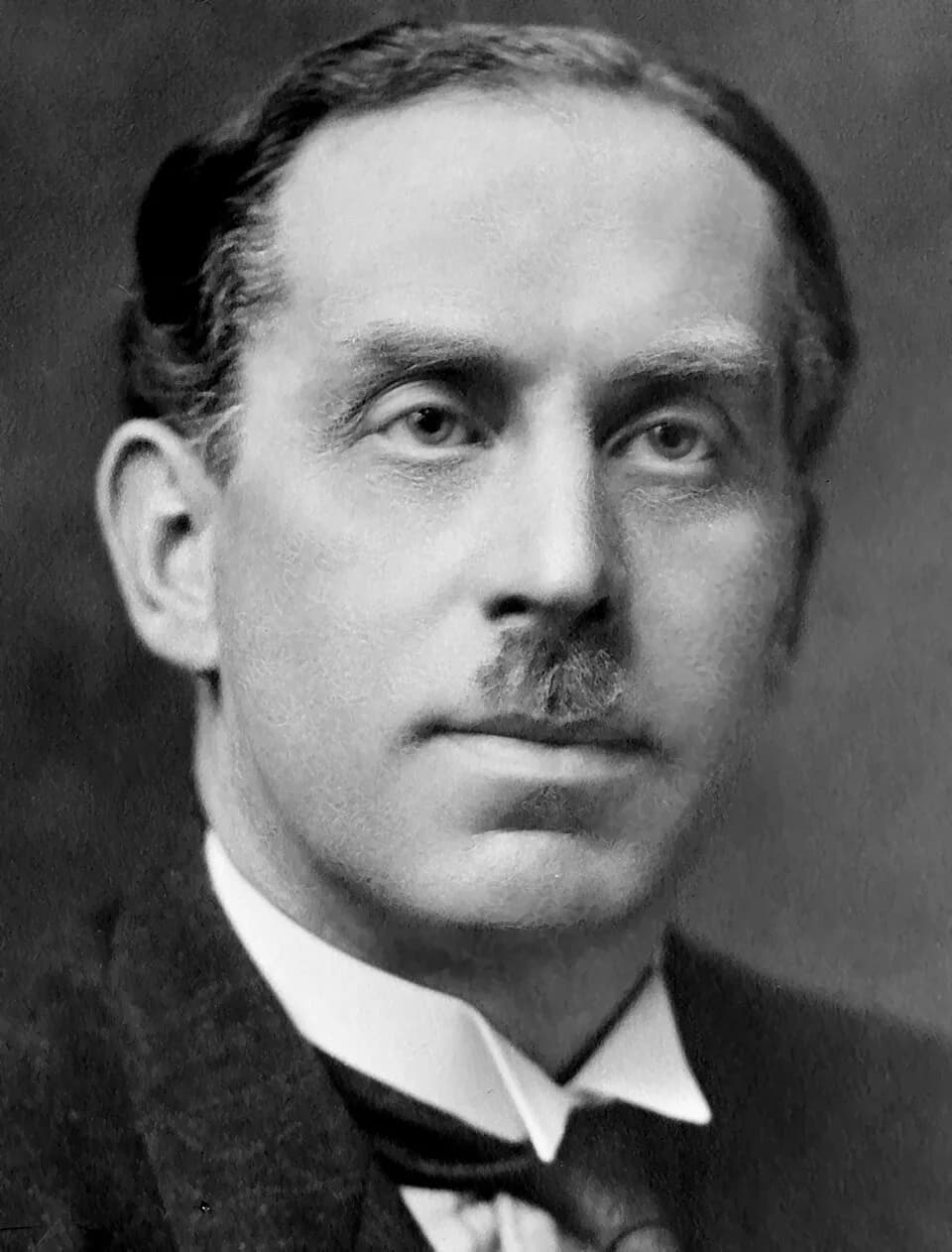
Charles Glover Barkla (June 7, 1877 – October 23, 1944) was an English physicist. He received the Nobel Prize in Physics in 1917 for his significant discovery of characteristic X-rays. His work advanced our understanding of radiation.
Kapitel
Livskapitler
Kapitel 1 · 1877· Kapitel 1 af 7
Early Life and Origins
Born on June 7, 1877, in Widnes, United Kingdom, Charles Glover Barkla's early years laid the foundation for his future scientific pursuits. He grew up during a period of rapid scientific discovery, which likely fueled his intellectual curiosity from a young age. His origins in the United Kingdom set the stage for his academic and professional career within its esteemed institutions.
Kapitel 2· Kapitel 2 af 7
Career Beginnings
Barkla pursued a career as a physicist, a path that led him into the academic world as a university teacher. This dual role allowed him to both contribute to cutting-edge research and to educate the next generation of scientists. While specific early appointments are not detailed, his trajectory indicates a steady rise through the scientific community, driven by his dedication to experimental physics.
Kapitel 3 · 1917· Kapitel 3 af 7
Major Achievements and Career Highlights
Charles Glover Barkla's most significant achievement was his discovery of characteristic X-rays. This groundbreaking work fundamentally changed the understanding of X-ray radiation and atomic structure. For this singular discovery, he was awarded the Nobel Prize in Physics in 1917, recognizing the profound impact of his research on the scientific world. His experiments provided crucial evidence supporting the emerging theories of atomic physics.
Kapitel 4· Kapitel 4 af 7
Personal Life
Information regarding Charles Glover Barkla's personal life, including family and specific interests outside of his professional work, is not available. His public persona was primarily defined by his scientific contributions and his role as an influential physicist. He dedicated his life to research and education, channeling his energies into understanding the physical world.
Kapitel 5 · 1908· Kapitel 5 af 7
Notable Works or Contributions
Throughout his career, Barkla published numerous academic papers that shaped the discourse in physics, contributing to an h-index of 10 across 43 papers. Among his most cited works is "The Nature of Röntgen Rays" (1908), which garnered 13 citations, indicating its early significance. Other notable contributions include "CIV. The control of the J phenomenon (Part VI.)" (1926) and "Light Quanta and Photo-electric Emission" (1926), both furthering discussions on radiation.
His engagement with X-radiation continued with "Properties of X-Radiation" (1933). Additionally, the publication "Resisting the Bohr Atom : The Early British Opposition" (2011) is associated with his academic record, reflecting his perspectives on key scientific debates.
Kapitel 6 · 1944· Kapitel 6 af 7
Later Years
Charles Glover Barkla continued his work as a physicist and university teacher into his later years. He passed away on October 23, 1944, in Edinburgh, United Kingdom, bringing an end to a distinguished career marked by significant scientific inquiry. His dedication to research continued until the final decade of his life, as evidenced by his 1933 publication. The legacy of his research endured beyond his lifetime.
Kapitel 7 · 1917· Kapitel 7 af 7
Legacy and Impact
Charles Glover Barkla's legacy is firmly rooted in his discovery of characteristic X-rays, a finding that fundamentally reshaped the understanding of elemental properties and X-ray physics. His Nobel Prize in Physics in 1917 serves as a testament to the lasting impact of his experimental work. He played a crucial role in the early development of atomic physics, influencing subsequent generations of scientists and contributing to the technological advancements that rely on X-ray technology. His contributions continue to be studied and appreciated within the scientific community.
Et liv i øjeblikke
De øjeblikke, der formede et liv
Ofte stillede spørgsmål
Ofte spurgt
Hvornår døde Charles Glover Barkla?
Charles Glover Barkla døde den 23. oktober 1944 i Edinburgh, United Kingdom i en alder af 67 år.
Hvor blev Charles Glover Barkla født?
Charles Glover Barkla blev født i Widnes, United Kingdom den 7. juni 1877.
Hvad er Charles Glover Barkla mest kendt for?
Charles Glover Barkla er mest kendt for English physicist.
Hvor gammel var Charles Glover Barkla ved dødsfaldet?
Charles Glover Barkla var 67 år gammel ved dødsfaldet.
Hvilken nationalitet havde Charles Glover Barkla?
Charles Glover Barkla kom fra United Kingdom.
Tidslinje
Et liv ved et hurtigt blik
Billedgalleri
Et liv i billeder
Klik på en polaroid for at forstørre · 44 billeder
QR-kode
Del denne biografi
Udskriv og del
Scan for at besøge denne biografiside. Udskriv til arrangementer, udstillinger eller undervisningsmateriale.