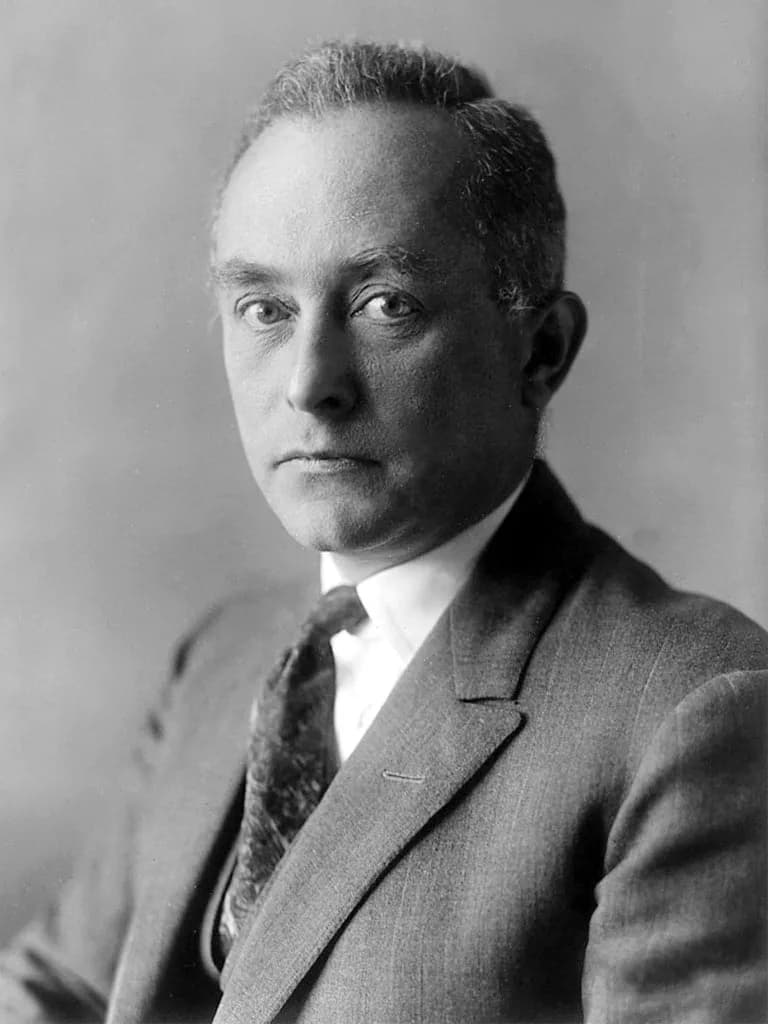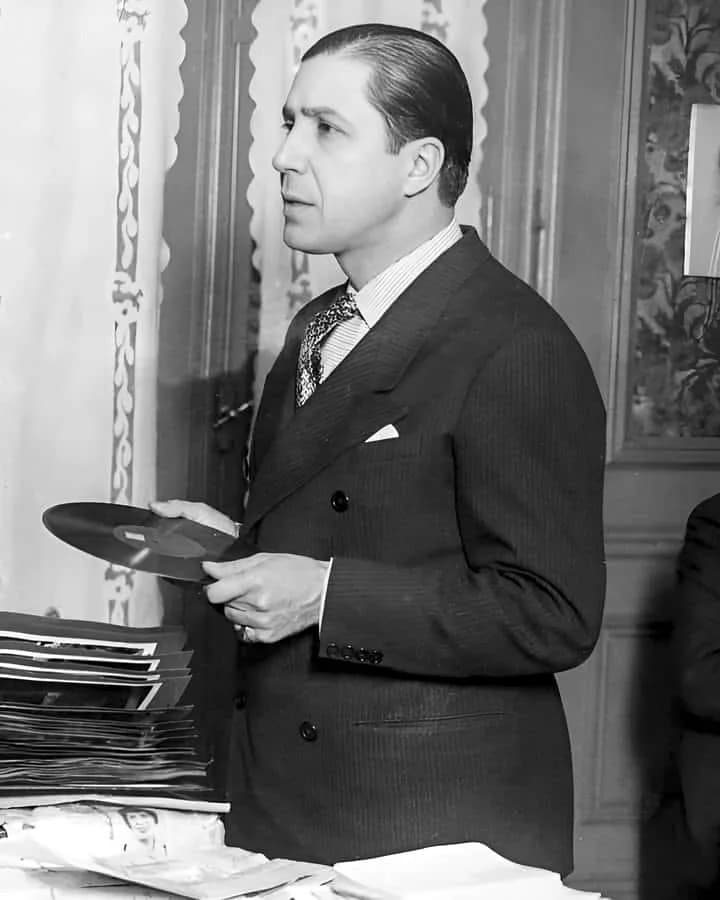
Født
December 11, 1890
Tacuarembó Department, Uruguay
Død
June 24, 1935
Medellín, Colombia
Kendt for
Uruguayan singer, songwriter, actor; the most prominent figure in the history of tango
Carlos Gardel (1890–1935) was Uruguay best known for Uruguayan singer, songwriter, actor; the most prominent figure in the history of tango.
Carlos Gardel (December 11, 1890 – June 24, 1935) was a Uruguayan singer, songwriter, and actor. He is celebrated as the most prominent figure in the history of tango, recognized worldwide for his rich voice and dramatic phrasing. Gardel's legacy continues to shape popular music and define the golden age of tango.
Et liv i øjeblikke
De øjeblikke, der formede et liv
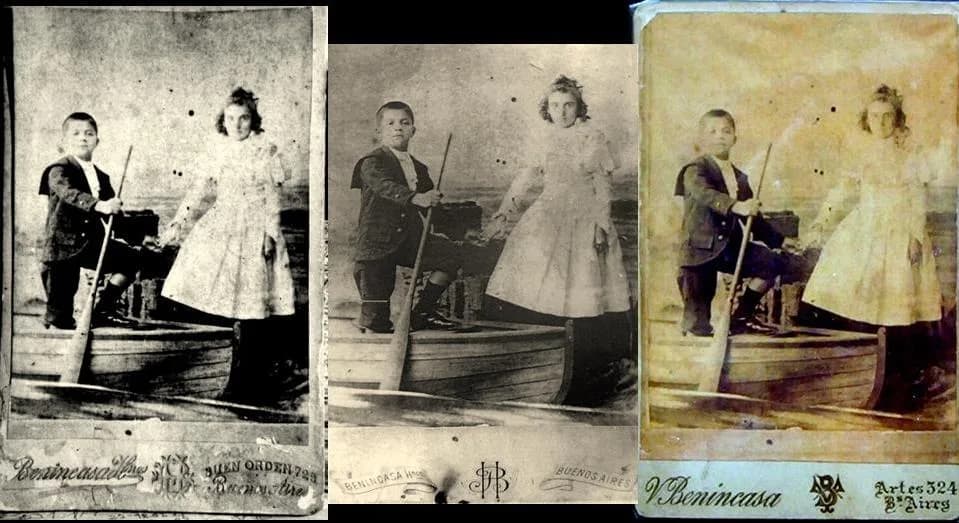
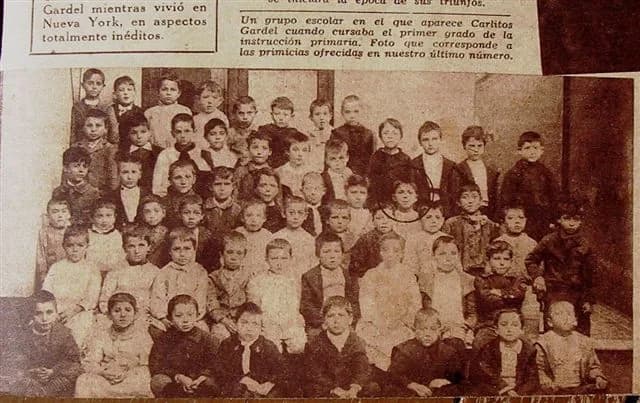
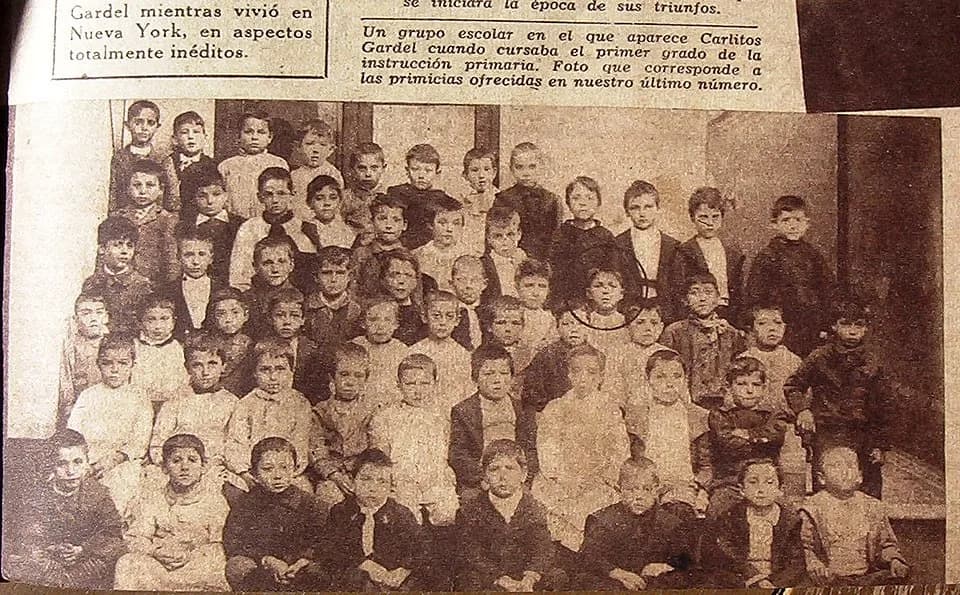
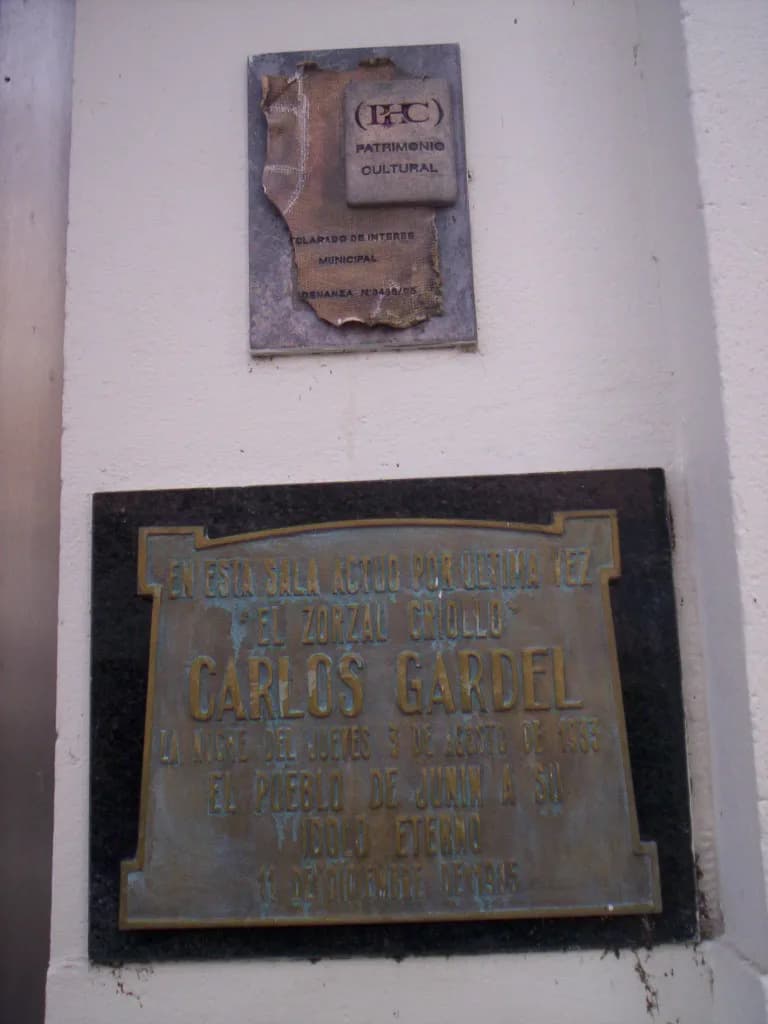
Kapitel
Livskapitler
Kapitel 1 · 1890· Kapitel 1 af 7
Introduction
Carlos Gardel (December 11, 1890 – June 24, 1935) was a revered Uruguayan singer, songwriter, and actor whose artistry profoundly shaped the global music scene. He stands as the most prominent figure in the history of tango, a genre he helped define and popularize worldwide. Gardel's magnetic voice and dramatic interpretations established him as one of the most influential interpreters of popular music in the first half of the 20th century, cementing his status as the most famous tango singer of all time.
Kapitel 2 · 1890· Kapitel 2 af 7
Early Life and Origins
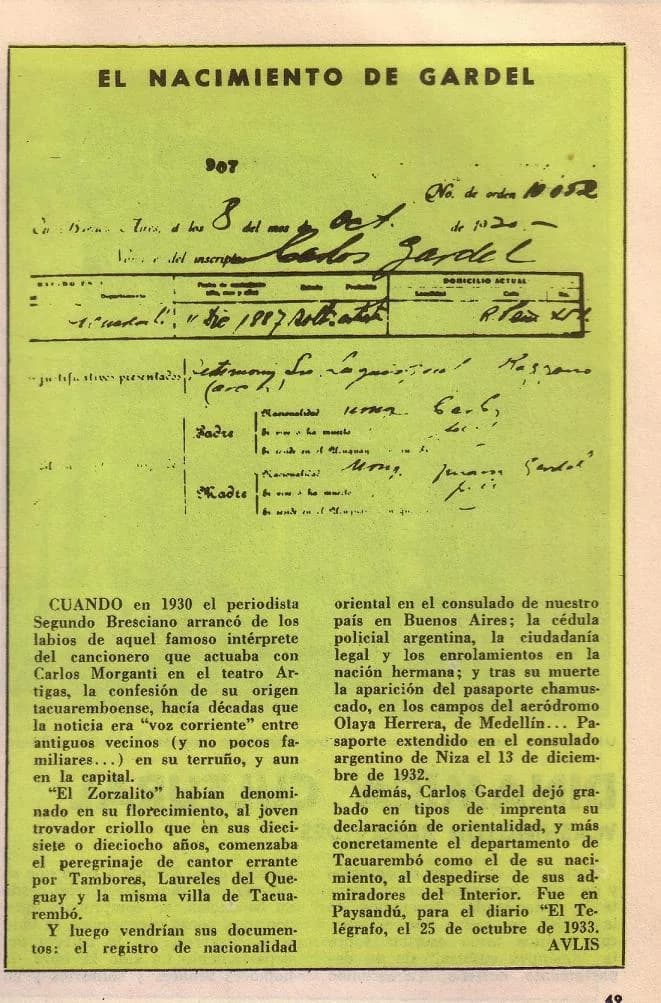
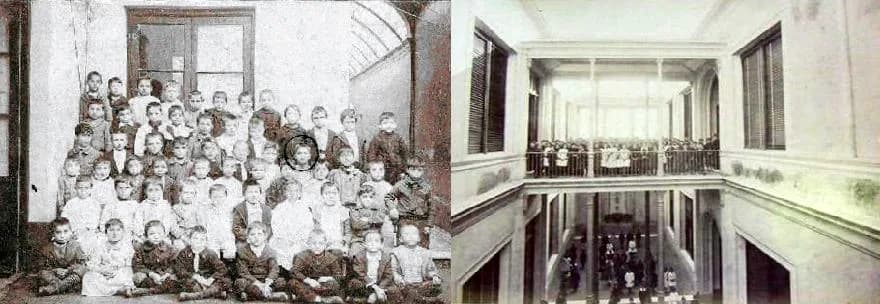
Born on December 11, 1890, in the Tacuarembó Department of Uruguay, Carlos Gardel's origins provided a rich cultural backdrop for his burgeoning talent. Although widely recognized as an Argentine artist and noted for his French birth in some historical accounts, his foundational identity as a Uruguayan singer, songwriter, and actor remains a key aspect of his story. His early life, while not extensively documented in specific biographical detail, undoubtedly contributed to the development of his unique artistic sensibility.
Kapitel 3· Kapitel 3 af 7
Career Beginnings and Rise to Prominence
Carlos Gardel's career began to flourish as he honed his skills as a singer, gradually becoming a central figure in the burgeoning tango movement. His talent for both singing and songwriting quickly set him apart, drawing audiences with his rich voice and captivating stage presence. He meticulously crafted his musical style, blending traditional tango with a more lyrical and narrative approach that resonated deeply with listeners.
Gardel's early work laid the foundation for his eventual global recognition, transforming him from a local performer into an artist of significant international renown. He embarked on a prolific recording career, starting to release music as early as 1923-1924, which allowed his distinctive sound to reach far beyond the borders of South America. These initial successes established him as a singular voice, poised to elevate tango to unprecedented heights of popularity.
Kapitel 4· Kapitel 4 af 7
Major Achievements and Career Highlights
Carlos Gardel's career was marked by a succession of major achievements that solidified his place in music history. He became celebrated for his wide vocal range, described variously as a baritone or tenor, which allowed him remarkable flexibility and expression. His performances were characterized by a rich voice and dramatic phrasing that conveyed profound emotion, making his interpretations unforgettable.
A significant aspect of his success stemmed from his enduring collaboration with lyricist Alfredo Le Pera, with whom he wrote several classic tangos. Their creative partnership produced timeless pieces that enriched the tango repertoire and became synonymous with Gardel's voice. Through his innovative approach, Gardel not only interpreted popular music but redefined it, becoming a guiding light for artists in the first half of the 20th century and forever changing the character of tango.
Kapitel 5 · 1992· Kapitel 5 af 7
Notable Works and Contributions
Gardel's impact is vividly reflected in his extensive body of work across music and film. His discography boasts seminal albums such as "Tangos" (1992), "Carlos Gardel" (1994), "Tango argentino" (1994), and "The Tango King" (1996), along with collections like "Todo Gardel 12 (1923-1924)" (2001) and "Adiós muchachos" (2004). These recordings continue to be revered, showcasing his unparalleled artistry and the evolution of his musical expression through pieces like "Interpreta a Cadícamo" (2005) and even modern interpretations like "Gardel Remixed" (2007).
Beyond his vocal contributions, Gardel was also a prolific songwriter and actor, leveraging the nascent film industry to expand his reach. He starred in iconic films such as "Luces de Buenos Aires" (1931), "Suburban Melody" (1933), "The Tango on Broadway" (1934), "Downward Slope" (1934), and "El día que me quieras" (1935). These cinematic appearances allowed audiences worldwide to experience his charisma and hear his unique voice, solidifying his international appeal.
Among his most enduring musical compositions are masterpieces like "Por Una Cabeza" and "Volver," which remain cornerstones of the tango genre. Other notable works such as "Tango de colección" and "Compilación poética" further demonstrate his profound influence on music and poetry. These songs, infused with his signature style, captured the essence of tango, telling stories of love, loss, and longing that resonated across cultures and generations.
Kapitel 6 · 1935· Kapitel 6 af 7
Later Years and Tragic Passing
Carlos Gardel's final years were marked by continued artistic endeavors and widespread touring, showcasing his talent to an ever-growing international audience. He maintained a rigorous schedule of performances and film productions, constantly pushing the boundaries of his craft. His journey, however, came to a tragic end on June 24, 1935, when he died in a plane crash in Medellín, Colombia, at the peak of his career.
His untimely death sent shockwaves across the globe, leaving an immense void in the world of music and film. Despite the tragedy, Gardel's final performances and works from this period only further cemented his legendary status. His life, though cut short, left an enduring artistic legacy that continues to inspire and move millions.
Kapitel 7· Kapitel 7 af 7
Legacy and Impact
Carlos Gardel's legacy is immeasurable; he remains universally recognized as the most famous tango singer of all time. His contributions fundamentally shaped the genre, transforming it from a regional dance music into a sophisticated and globally adored art form. His rich voice, dramatic delivery, and lyrical genius continue to influence countless musicians and vocalists across diverse genres.
He is not merely remembered as a performer but as an innovator who brought tango to the forefront of popular culture, earning him admiration throughout the world. Gardel's recordings and films continue to captivate new generations, ensuring that his iconic presence and musical genius endure as a permanent fixture in the history of global music. His spirit lives on through the vibrant rhythms and heartfelt melodies of tango, forever intertwined with his extraordinary name.
Ofte stillede spørgsmål
Ofte spurgt
Hvornår døde Carlos Gardel?
Carlos Gardel døde den 24. juni 1935 i Medellín, Colombia i en alder af 44 år.
Hvor blev Carlos Gardel født?
Carlos Gardel blev født i Tacuarembó Department, Uruguay den 11. december 1890.
Hvad er Carlos Gardel mest kendt for?
Carlos Gardel er mest kendt for Uruguayan singer, songwriter, actor; the most prominent figure in the history of tango.
Hvor gammel var Carlos Gardel ved dødsfaldet?
Carlos Gardel var 44 år gammel ved dødsfaldet.
Hvilken nationalitet havde Carlos Gardel?
Carlos Gardel kom fra Uruguay.
Tidslinje
Et liv ved et hurtigt blik
Billedgalleri
Et liv i billeder
Klik på en polaroid for at forstørre · 20 billeder
QR-kode
Del denne biografi
Udskriv og del
Scan for at besøge denne biografiside. Udskriv til arrangementer, udstillinger eller undervisningsmateriale.