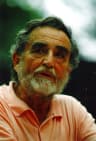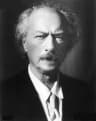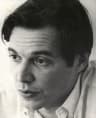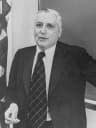
Født
January 25, 1923
Uppsala, Sweden
Død
June 29, 2018
Gothenburg, Sweden
Kendt for
Swedish neuroscientist
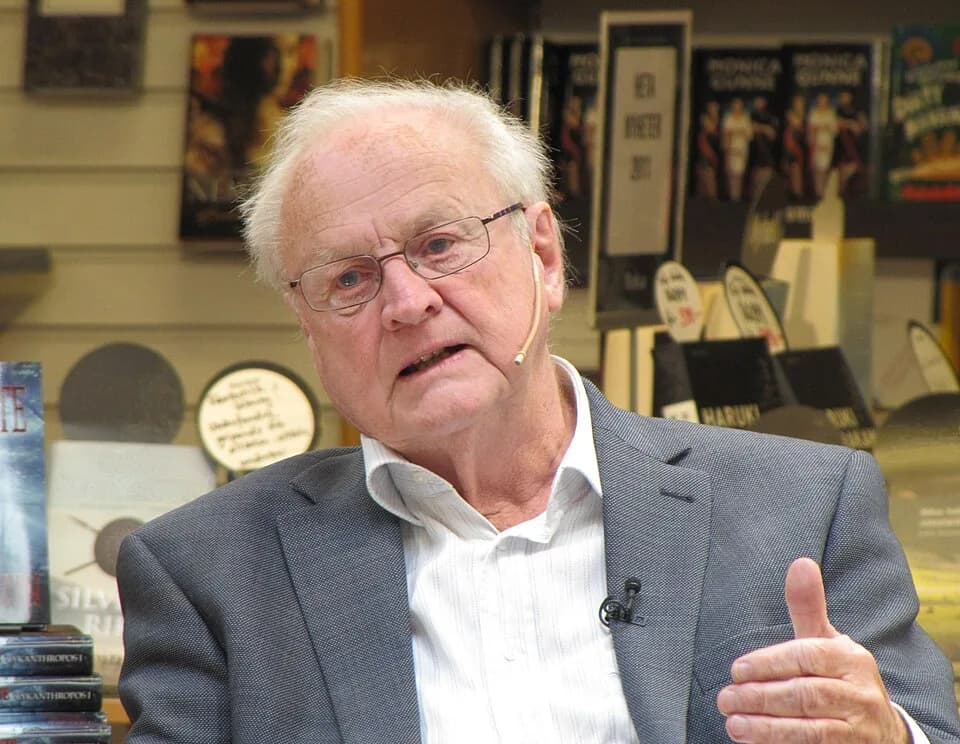
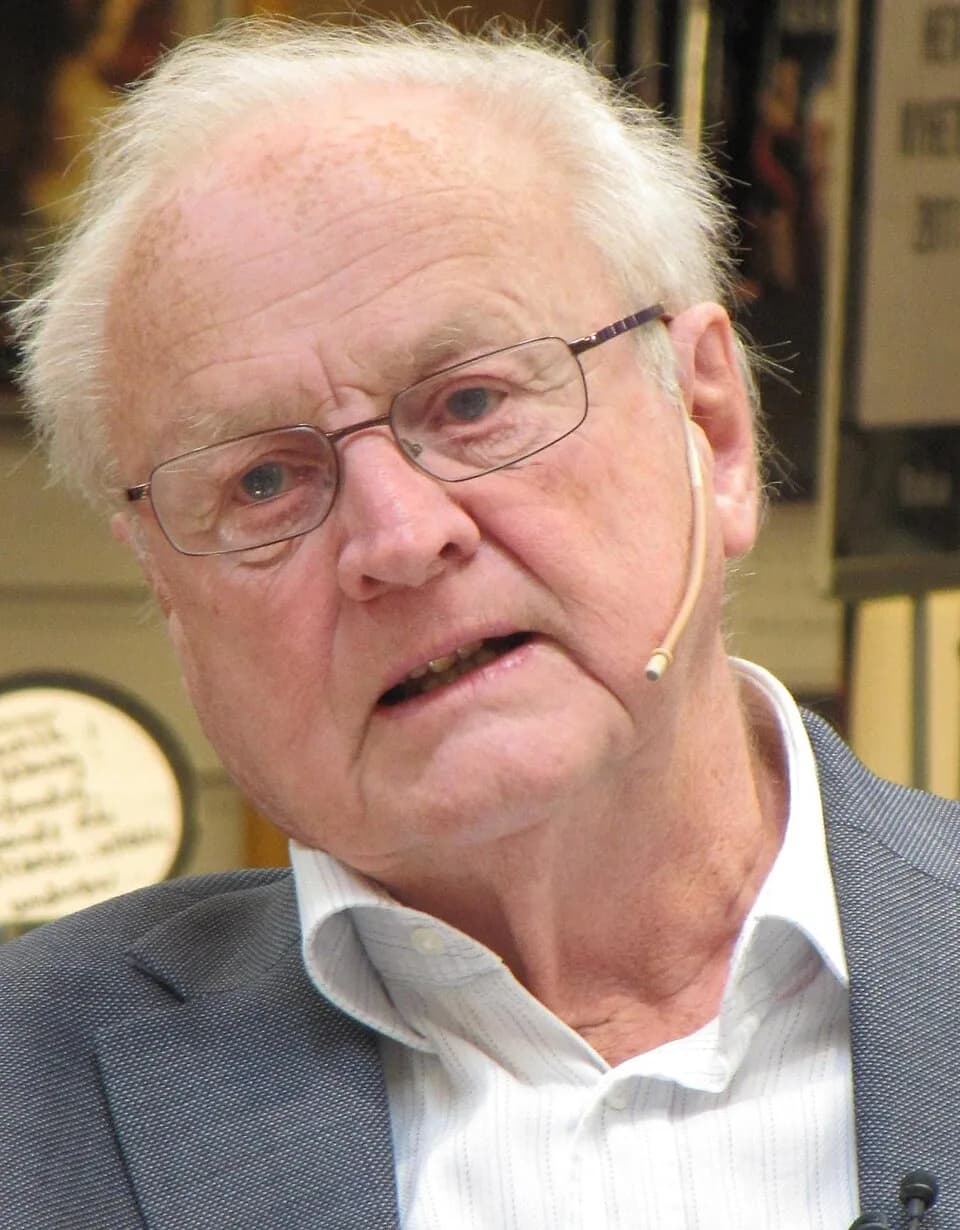
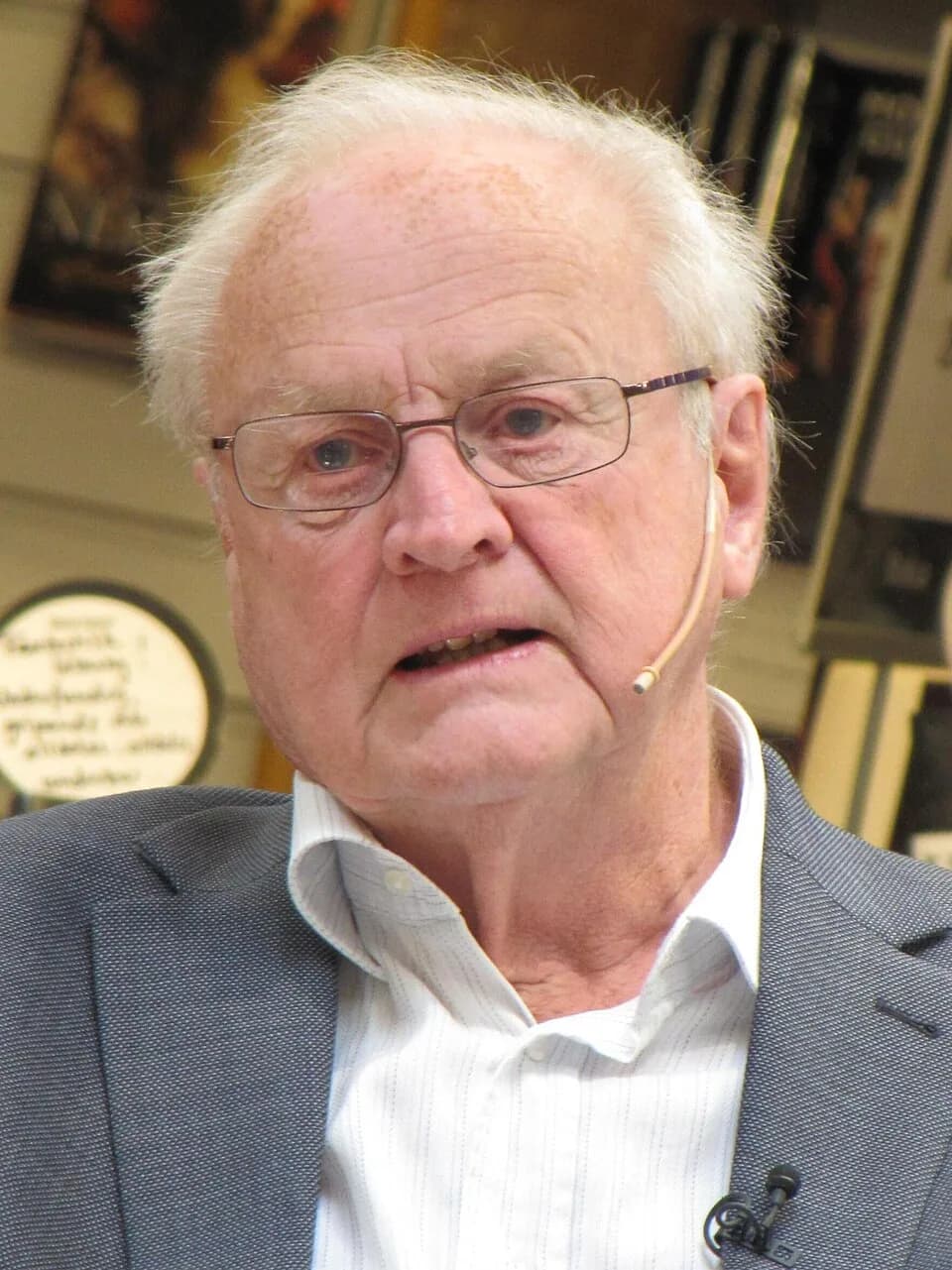
Arvid Carlsson (1923–2018) was Sweden best known for Swedish neuroscientist.
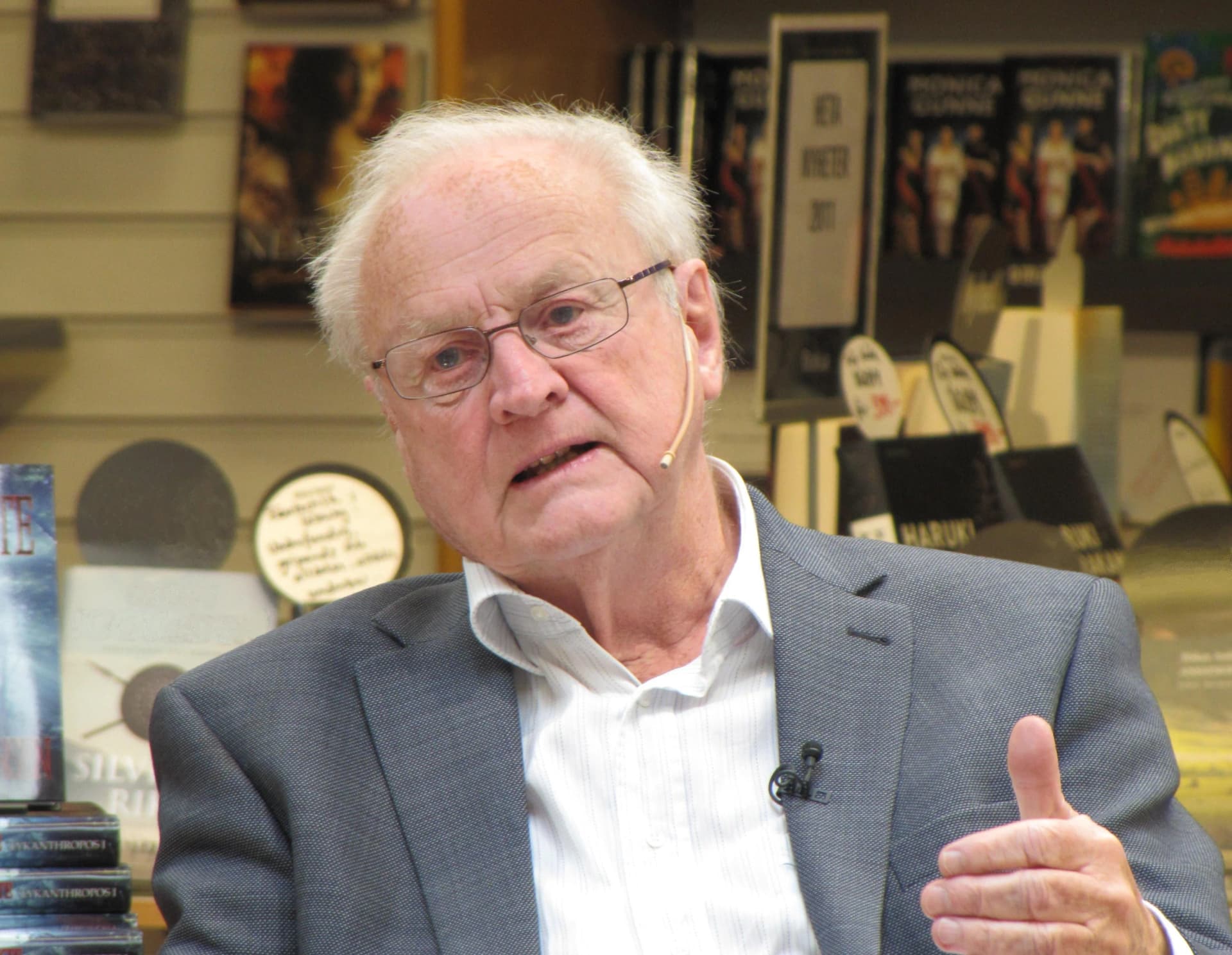
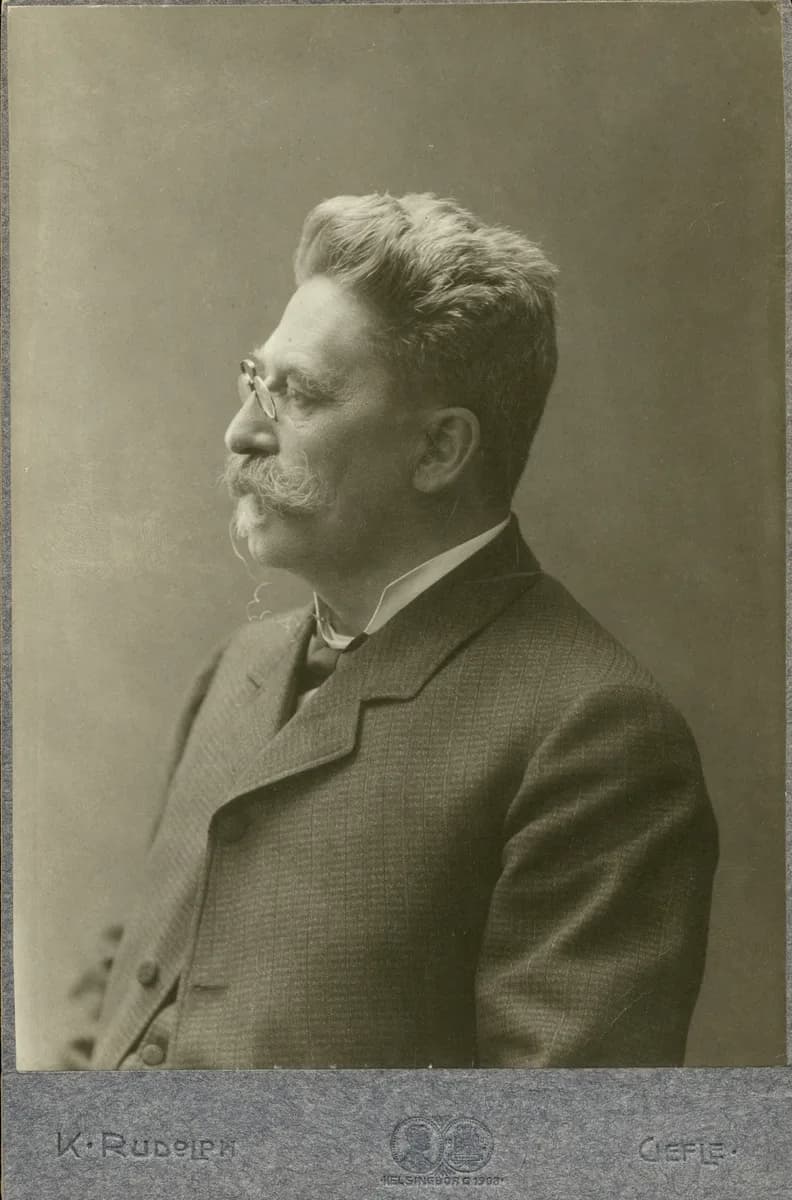
Arvid Carlsson (January 25, 1923 – June 29, 2018) was a Swedish neuroscientist and pharmacologist from Uppsala, Sweden. He received the Nobel Prize in Physiology or Medicine in 2000 for his seminal work on dopamine and its role in Parkinson's disease, significantly advancing our understanding of the nervous system.
Kapitel
Livskapitler
Kapitel 1 · 1923· Kapitel 1 af 6
Early Life and Origins
Arvid Carlsson was born on January 25, 1923, in Uppsala, Sweden. This city, known for its historic university, likely provided a rich intellectual environment for his early education and budding scientific interests. Sweden's robust academic traditions undoubtedly influenced his formative years and guided his initial fascination with the biological sciences.
Kapitel 2· Kapitel 2 af 6
Career Beginnings
Carlsson's professional journey was notably diverse, taking him through various professions that built a broad scientific foundation. He served as a physician, a pharmacist, and a university teacher, before concentrating his efforts as a pharmacologist and neuroscientist. This multifaceted educational and professional background prepared him uniquely for the innovative research that would define his career.
Kapitel 3· Kapitel 3 af 6
Major Achievements and Career Highlights
Carlsson's most significant contributions stemmed from his meticulous investigations into the neurotransmitter dopamine. He was instrumental in discovering dopamine's role as an active signaling molecule in the brain. This revelation was critical for advancing the scientific community's understanding of neurological disorders and their mechanisms.
His research unequivocally demonstrated dopamine's crucial connection to Parkinson's disease. This fundamental understanding paved the way for new therapeutic strategies. For this seminal work on dopamine and his discoveries concerning signal transduction in the nervous system, Carlsson was awarded the Nobel Prize in Physiology or Medicine in 2000, sharing the honor with Eric Kandel and Paul Greengard. This prestigious award solidified his standing among the most influential neuroscientists of his era.
Kapitel 4 · 1958· Kapitel 4 af 6
Notable Works or Contributions
Arvid Carlsson's academic output included several highly cited publications that showcased his scientific rigor and impact. His h-index of 3, based on four papers, underscores the quality and influence of his early research. Among his most important works was "A fluorimetric method for the determination of dopamine (3-hydroxytyramine)," published in 1958, which alone garnered 615 citations. This paper introduced a crucial methodological advance for the precise analysis of dopamine.
His earlier work also explored different biological mechanisms, including "The effect of vitamin D on the citric acid metabolism" from 1954, which received 55 citations. Another notable contribution from 1954 was titled "The influence of vitamin D on the uptake of S35-labelled sulfate in the bones," which appeared in two forms, receiving 8 and 0 citations respectively. These early publications reflect his foundational interests in biochemistry and physiology, which ultimately led to his focused studies on neurotransmitters and their profound effects.
Kapitel 5 · 2018· Kapitel 5 af 6
Later Years
Even after his groundbreaking discoveries and Nobel recognition, Carlsson continued to inspire and contribute to the scientific community. His foundational work continued to influence new generations of researchers and medical professionals. He had the opportunity to witness the direct application of his findings in the development of effective clinical treatments for Parkinson's disease, significantly improving patient lives. His passing on June 29, 2018, in Gothenburg, Sweden, marked the peaceful conclusion of a long and exceptionally impactful life dedicated to scientific inquiry.
Kapitel 6· Kapitel 6 af 6
Legacy and Impact
Arvid Carlsson's legacy is lasting and enduring, reverberating throughout neuroscience and clinical medicine. His identification of dopamine as a vital neurotransmitter and his elucidation of its critical link to Parkinson's disease revolutionized neuropharmacology. This understanding directly led to the development of effective symptomatic treatments, most notably L-DOPA therapy, which has brought relief to millions suffering from Parkinson's disease worldwide.
His Nobel Prize recognized not merely an individual achievement, but a fundamental paradigm shift in scientific thought regarding brain function and disease. Carlsson's meticulous research concerning signal transduction in the nervous system continues to serve as a cornerstone, inspiring ongoing investigations into neurodegenerative disorders. He remains a revered and towering figure in the annals of medicine and neuroscience, cherished for his intellectual curiosity and life-changing contributions.
Et liv i øjeblikke
De øjeblikke, der formede et liv
Ofte stillede spørgsmål
Ofte spurgt
Hvornår døde Arvid Carlsson?
Arvid Carlsson døde den 29. juni 2018 i Gothenburg, Sweden i en alder af 95 år.
Hvor blev Arvid Carlsson født?
Arvid Carlsson blev født i Uppsala, Sweden den 25. januar 1923.
Hvad er Arvid Carlsson mest kendt for?
Arvid Carlsson er mest kendt for Swedish neuroscientist.
Hvor gammel var Arvid Carlsson ved dødsfaldet?
Arvid Carlsson var 95 år gammel ved dødsfaldet.
Hvilken nationalitet havde Arvid Carlsson?
Arvid Carlsson kom fra Sweden.
Tidslinje
Et liv ved et hurtigt blik
Billedgalleri
Et liv i billeder
Klik på en polaroid for at forstørre · 25 billeder
QR-kode
Del denne biografi
Udskriv og del
Scan for at besøge denne biografiside. Udskriv til arrangementer, udstillinger eller undervisningsmateriale.