Født
November 28, 1907
Rome, Italy
Død
September 26, 1990
Rome, Italy
Kendt for
Italian writer and journalist
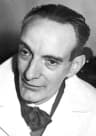
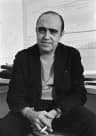
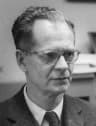
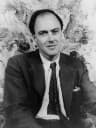
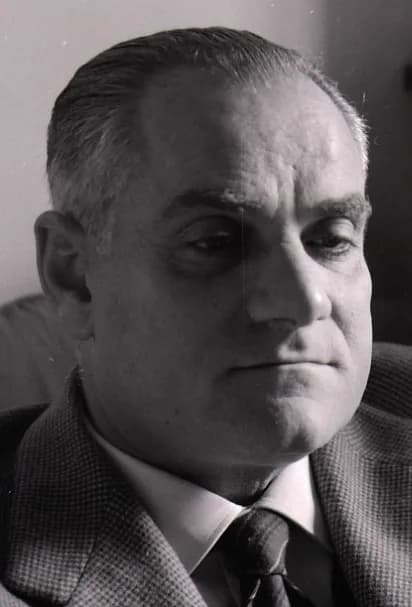
Alberto Moravia (November 28, 1907 – September 26, 1990) was an Italian novelist and journalist from Rome. He was known for exploring themes of modern sexuality, social alienation, and existentialism in his works. His novels, including *Gli indifferenti* and *Il conformista*, significantly influenced Italian literature and cinema.
Et liv i øjeblikke
De øjeblikke, der formede et liv
Kapitel
Livskapitler
Kapitel 1 · 1907· Kapitel 1 af 7
Early Life and Origins
Born in the vibrant city of Rome, Italy, on November 28, 1907, Alberto Moravia began his life in a city steeped in ancient history and dynamic cultural shifts. His birth name was Alberto Pincherle, a detail that underscores his early identity before adopting the more widely known pseudonym. The specific circumstances of his early family life and precise upbringing are not extensively detailed in the available information, yet his Roman roots undoubtedly shaped his worldview and literary sensibilities.
Growing up in Italy during the early 20th century, a period marked by considerable political and social upheaval, provided a rich environment for observation, which would later deeply inform the settings and incisive social critiques present in his literary works. This era, preceding and encompassing significant historical events, fostered a keen sense of societal structures and human responses within the young writer. His environment offered a profound backdrop against which his characters would grapple with modernity, alienation, and identity.
Kapitel 2· Kapitel 2 af 7
Career Beginnings
Alberto Moravia’s literary career commenced with striking impact, marked by the publication of his debut novel, Gli indifferenti (The Time of Indifference), a work that quickly established him as a significant and innovative new voice in Italian literature. Published early in his career, this novel immediately garnered attention for its unique narrative style and bold thematic concerns, setting a precedent for his subsequent works. It was through powerful early works like Gli indifferenti that Moravia began to articulate his distinctive explorations of human relationships, societal ennui, and the profound indifference of modern life.
The decision to write under the pseudonym Alberto Moravia was a deliberate choice that allowed him to cultivate a distinct public persona, separate from his birth name, Alberto Pincherle. This professional identity facilitated his rise as a prominent literary figure, enabling his works to stand on their own merit. His early writings demonstrated a remarkable maturity and a willingness to confront uncomfortable truths, characteristics that would define his entire literary output and cement his reputation as a fearless observer of humanity.
Kapitel 3· Kapitel 3 af 7
Major Achievements and Career Highlights
Throughout his prolific career, Alberto Moravia consistently addressed themes that resonated deeply with the modern condition, particularly modern sexuality, social alienation, and existentialism, becoming hallmarks of his distinctive literary style. His exceptional ability to dissect complex psychological states and expose societal pressures earned him widespread critical acclaim both in Italy and internationally. Moravia’s novels often presented characters grappling with profound moral and emotional crises, reflecting the anxieties of the 20th century with candid realism.
One of his most renowned literary achievements was the anti-fascist novel Il conformista (The Conformist), a powerful and politically charged work that later served as the basis for Bernardo Bertolucci’s critically acclaimed 1970 film adaptation. This novel showcased Moravia's willingness to engage directly with pressing political and social issues of his time, presenting characters who navigated the treacherous waters of conformity, moral compromise, and personal identity under authoritarian regimes. The enduring relevance of Il conformista highlights Moravia's courage in critiquing societal structures.
The compelling narratives and intricate character studies found within Alberto Moravia’s novels proved exceptionally suitable for cinematic adaptation, thereby significantly extending his impact beyond the literary sphere. His work offered filmmakers rich psychological landscapes and keen social observations, which translated powerfully onto the screen. This consistent appeal to directors across different eras underscores the universal resonance and enduring relevance of his storytelling, cementing his position as a significant figure in both literary and cinematic history. The visual potential embedded in his descriptive prose and dramatic confrontations made his stories ideal for reinterpretation by acclaimed directors from around the world.
Kapitel 4· Kapitel 4 af 7
Personal Life
While Alberto Moravia's literary output was extensive and deeply personal in its exploration of human themes, specific details regarding his private family life, intimate relationships, or personal hobbies and interests are not provided in the available information. His public persona was primarily defined by his professional identity as a prolific writer and incisive journalist. This focus on his professional achievements allowed his work to speak for itself, inviting readers to engage directly with the psychological and social landscapes he meticulously crafted in his novels rather than his personal circumstances.
The absence of explicit personal details in the provided biography directs attention squarely to the art itself, emphasizing the power of his fictional worlds and the universal applicability of his thematic concerns. Moravia's narratives often delved into the intricacies of human relationships, desire, and solitude, suggesting a deep personal understanding of these experiences without necessarily revealing the specifics of his own life. His commitment to his craft remained central, allowing his literary voice to define his public legacy.
Kapitel 5· Kapitel 5 af 7
Notable Works or Contributions
Alberto Moravia's bibliography includes a rich and diverse collection of novels that have captivated readers and critics alike, establishing his place as a master of modern Italian prose. Beyond his seminal debut, Gli indifferenti, and the politically charged Il conformista, his other notable novels further expanded his exploration of the complex human experience. Works such as La disubbidienza (Disobedience) deeply explored the intricacies of adolescent rebellion, the search for identity, and the challenges of self-discovery within societal constraints, resonating with young and adult readers alike.
His continued examination of societal dynamics and individual identity is evident in titles like A quale tribù appartieni? (To What Tribe Do You Belong?), which questioned allegiances and belonging in a changing world. Moravia's versatility as a writer is also evident in collections such as Bitter honeymoon and More Roman tales, which offered different narrative styles and unique insights into various facets of Italian life and culture. These collections demonstrated his ability to portray diverse characters and settings with equal authenticity and depth, further showcasing his narrative range.
The recurring theme of truth, illusion, and deception found potent expression in his work titled The Lie, a significant novel that explored the profound impact of deceit on personal relationships and self-perception. The title's dual appearance in his notable works list further underscores its thematic weight and importance within his literary oeuvre. Moravia also ventured into other literary forms, as evidenced by Teatro di Moravia, showcasing his breadth as an artist and his willingness to experiment with different mediums for storytelling. This collection of plays further cemented his reputation as a versatile and innovative writer.
International recognition for his profound works is highlighted by titles translated into various languages, such as הפשיסט (The Fascist) and 莫拉維亞小說選 (Selected Novels of Moravia), demonstrating his global appeal and the universal resonance of his narratives. These translations allowed his incisive critiques of modern life and human psychology to reach a truly worldwide audience. Each of these distinguished works contributes significantly to the vast and impactful body of literature left by Alberto Moravia, ensuring his ideas and stories continued to influence literary discourse far beyond Italy's borders.
Kapitel 6· Kapitel 6 af 7
Later Years
Alberto Moravia maintained an active and influential writing career well into his later years, sustaining his position as a respected and authoritative Italian literary figure. His commitment to observation and commentary on contemporary society remained undiminished, even as he matured. He continued to produce compelling works that reflected his ongoing engagement with the themes of alienation, sexuality, and existentialism, demonstrating a sustained intellectual vigor throughout his life.
He passed away in his birth city of Rome, Italy, on September 26, 1990, at the age of 82, bringing his remarkable life full circle in the very place where it began. His passing marked the conclusion of a prolific career that spanned several decades and witnessed profound social, cultural, and political changes in Italy and across the world. Even in his final years, his literary contributions remained highly relevant, with his earlier works continuing to be studied, celebrated, and adapted for new audiences, underscoring his enduring legacy in the literary world.
Kapitel 7· Kapitel 7 af 7
Legacy and Impact
The legacy of Alberto Moravia is deeply embedded in the fabric of 20th-century Italian literature and extends significantly into global cultural consciousness. His unwavering commitment to exploring uncomfortable truths about human nature and society fundamentally changed the trajectory of Italian fiction, pushing boundaries and challenging conventions. He courageously discussed modern sexuality and the often-unseen struggles of social alienation, thereby expanding the scope of what was considered acceptable and meaningful in literature.
Moravia's adoption of an existentialist lens offered readers profound insights into the human condition, transforming his novels from mere stories into deeply philosophical inquiries. His characters, often caught in webs of despair, indifference, or longing, mirrored the spiritual malaise of post-war Europe, providing a mirror to societal anxieties. This intellectual depth ensured his works remained subjects of extensive academic study and critical analysis, cementing his reputation as a serious thinker as well as a master storyteller.
His lasting influence is particularly evident in the world of cinema, where his novels provided rich, complex narratives that proved ideal for some of the most acclaimed films of the era. Directors such as Bernardo Bertolucci, Jean-Luc Godard, Mauro Bolognini, Damiano Damiani, and Vittorio De Sica all found in Moravia's prose the depth, emotional resonance, and dramatic tension necessary for creating cinematic masterpieces. These adaptations introduced his narratives to an even broader global audience, allowing his powerful themes to transcend language barriers and cultural contexts, proving the universal appeal of his storytelling.
Alberto Moravia remains a central figure whose courageous literary explorations continue to inform, provoke, and inspire new generations of writers, filmmakers, and readers alike. His unflinching honesty in portraying the complexities of human desire, the desolation of alienation, and the search for meaning in a modern world ensures his place as a giant of modern European letters. His contributions continue to shape contemporary understanding of literature's capacity to reflect and challenge society, securing his enduring relevance for decades to come.
Tidslinje
Et liv ved et hurtigt blik
Billedgalleri
Et liv i billeder
Klik på en polaroid for at forstørre · 45 billeder
QR-kode
Del denne biografi
Udskriv og del
Scan for at besøge denne biografiside. Udskriv til arrangementer, udstillinger eller undervisningsmateriale.