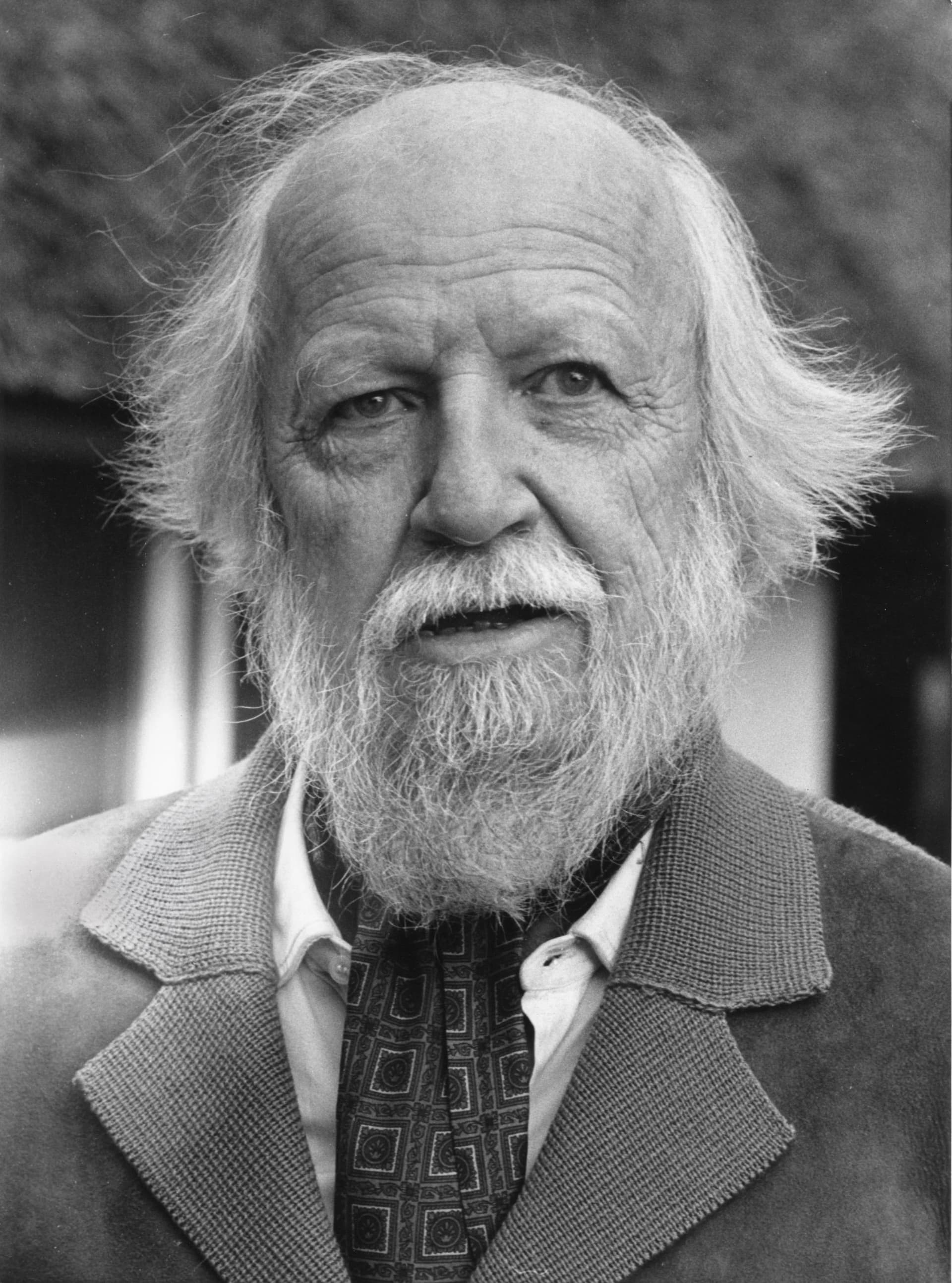
Narozen
September 19, 1911
Newquay, United Kingdom
Zemřel
June 19, 1993
Perranarworthal, United Kingdom
Známý díky
British novelist, poet, playwright and Nobel Prize for Literature laureate
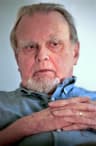
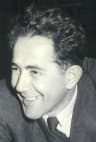
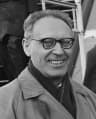
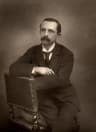
William Golding (1911–1993) was United Kingdom best known for British novelist, poet, playwright and Nobel Prize for Literature laureate.
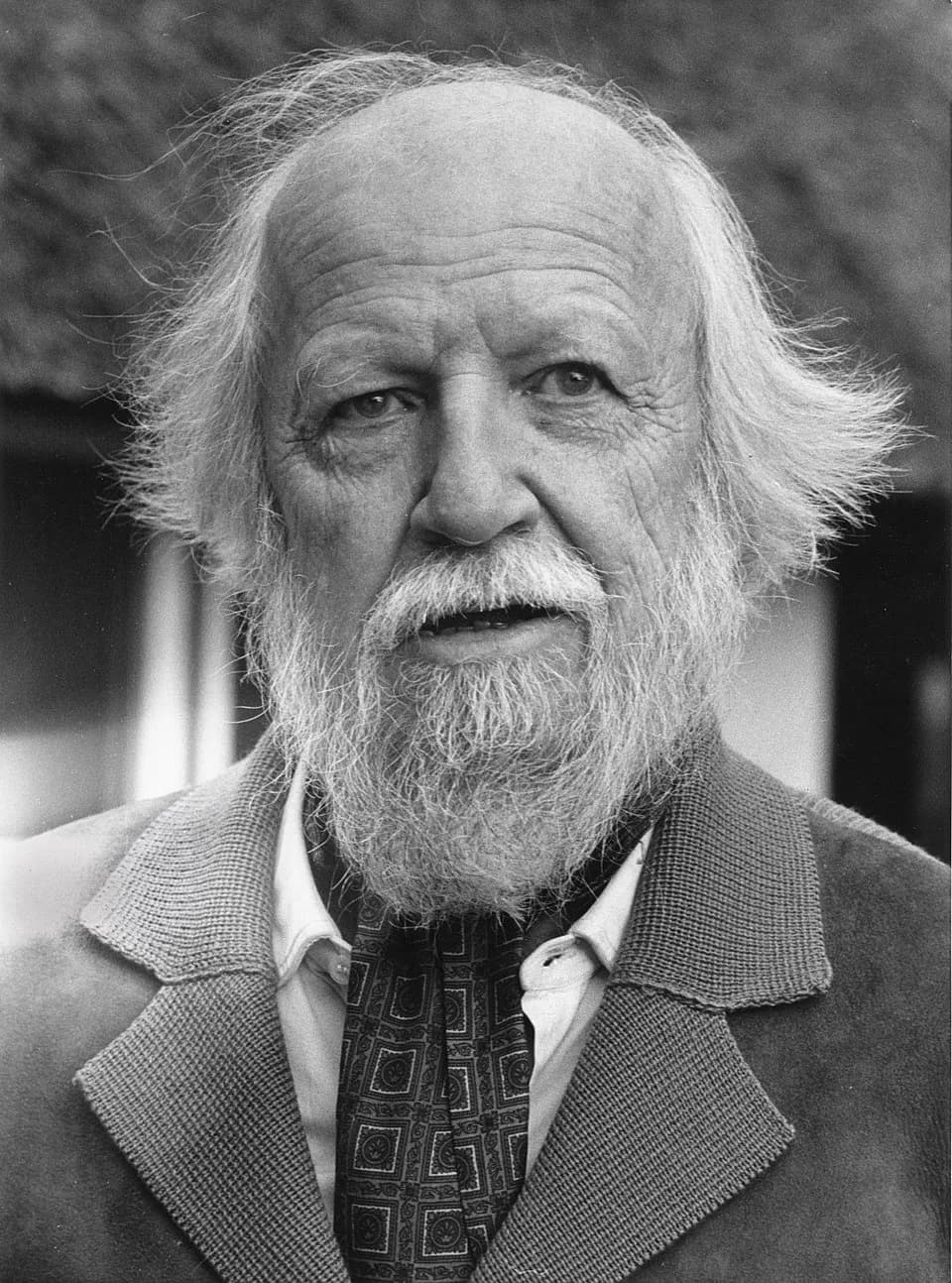
Sir William Gerald Golding (1911-1993) was a British novelist, playwright, and poet from Cornwall, United Kingdom. He won the 1983 Nobel Prize in Literature for works like Lord of the Flies that explored human nature. His novels continue to influence literature worldwide.
Kapitola
Životní kapitoly
Kapitola 1 · 1911· Kapitola 1 z 6
Early Life and Origins
William Golding was born on September 19, 1911, in Newquay, a coastal town in Cornwall, United Kingdom. Growing up in the picturesque seaside community, Golding was exposed to the natural beauty and isolation that would later influence his literary works. His upbringing in Cornwall instilled in him a deep connection to the English landscape and an appreciation for the power of nature, themes that would resonate throughout his writing career.
Kapitola 2· Kapitola 2 z 6
Career Beginnings
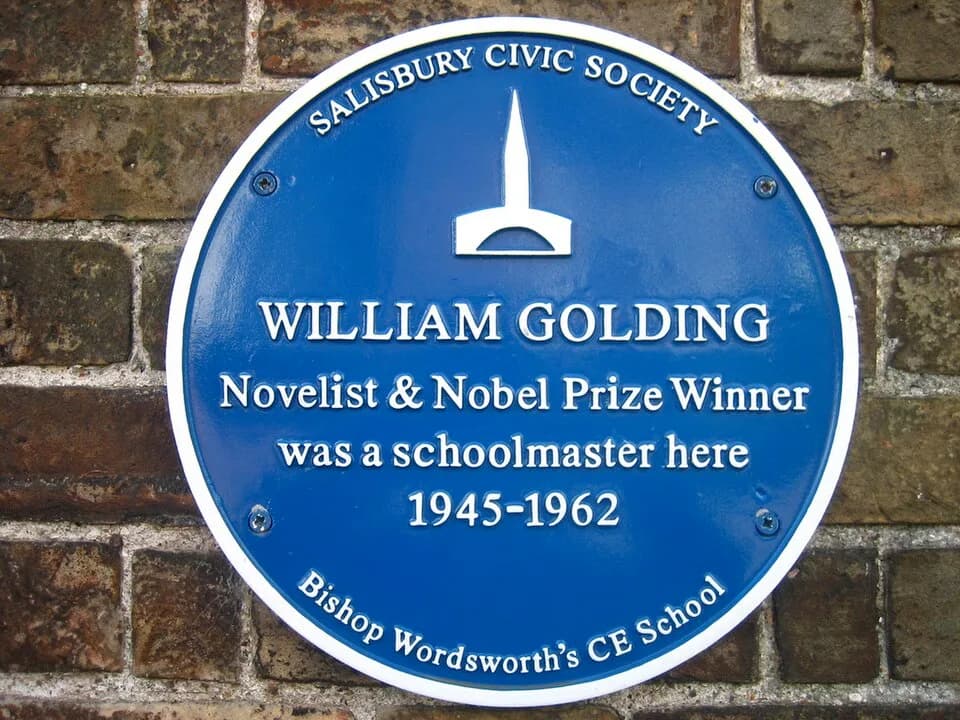
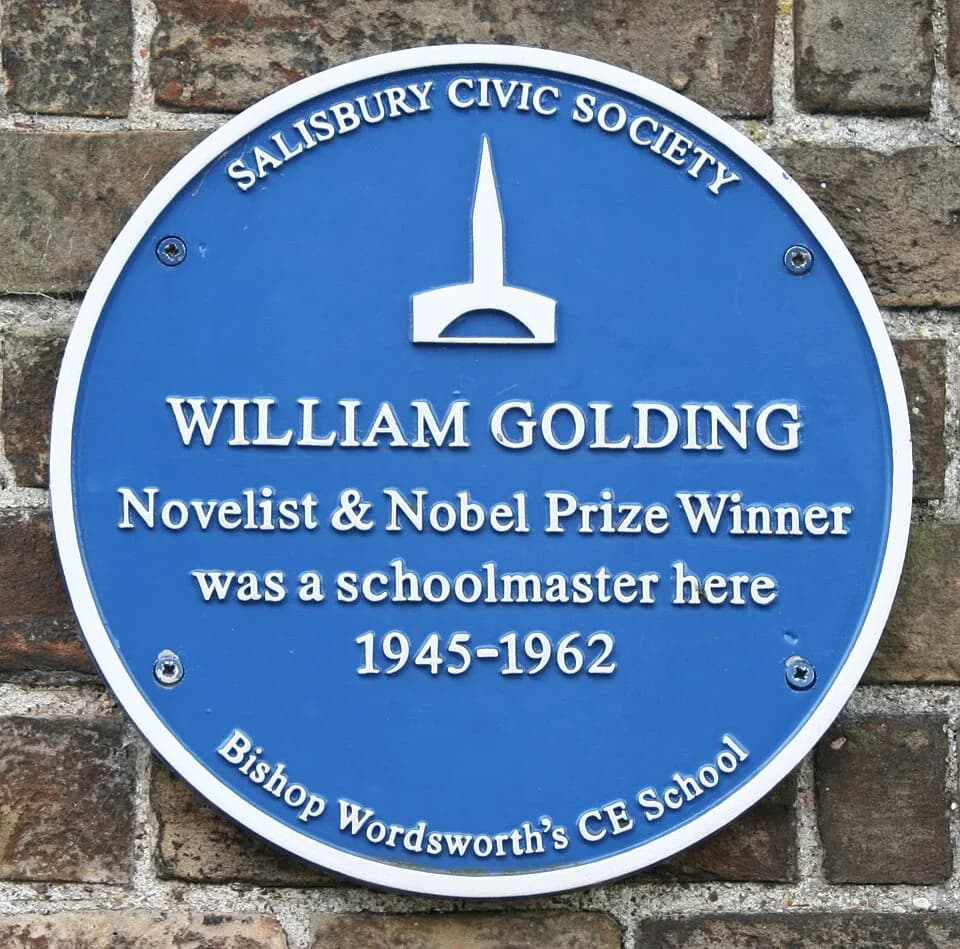
Golding's path to literary fame was neither immediate nor straightforward. Before achieving success as a novelist, he worked as a teacher and served in the Royal Navy during World War II. These early experiences shaped his understanding of human behavior under extreme circumstances and provided him with insights into the capacity for both civilization and savagery that exists within all people. His time at sea and his observations of human nature during wartime would prove invaluable to his later literary works.
Kapitola 3 · 1954· Kapitola 3 z 6
Major Achievements and Career Highlights
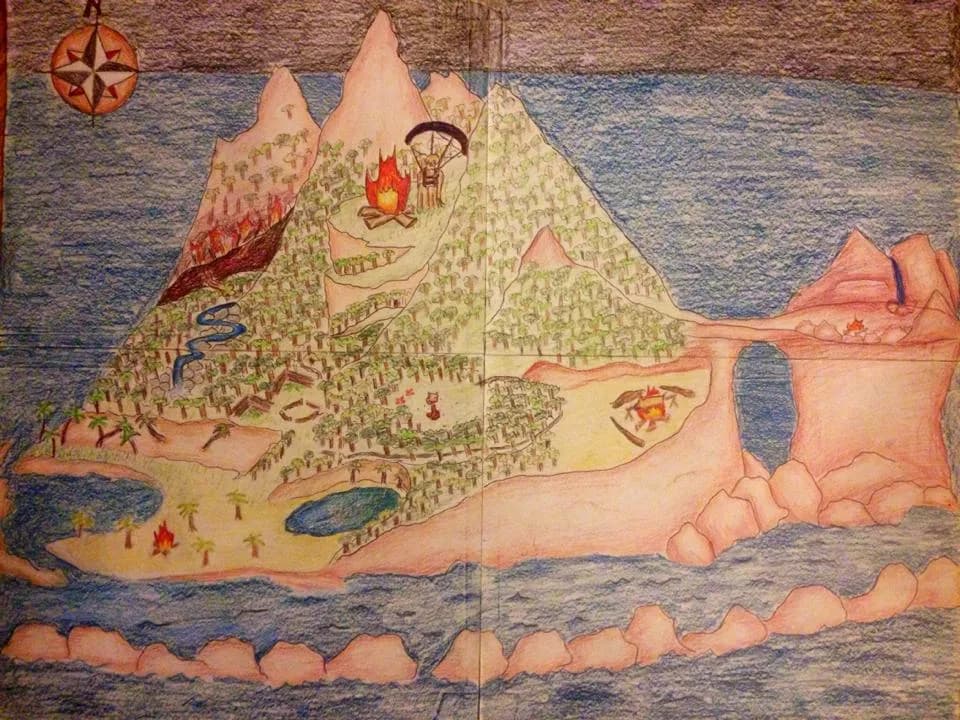
Golding's breakthrough came in 1954 with the publication of Lord of the Flies, a novel that would become one of the most studied and influential works of the 20th century. The book's exploration of schoolboys stranded on an island and their descent into savagery struck a chord with readers worldwide. Over his lifetime, Golding published 12 additional volumes of fiction, each demonstrating his skill at weaving complex narratives that examined fundamental questions about human nature.
In 1980, Golding received the prestigious Booker Prize for Rites of Passage, the first novel in what would become his acclaimed sea trilogy, To the Ends of the Earth. This recognition solidified his position as one of Britain's foremost literary voices. The pinnacle of his career came in 1983 when he was awarded the Nobel Prize in Literature, with the committee praising his novels for their "perspicuity of realistic narrative art and the diversity and universality of myth" that "illuminate the human condition in the world of today."
Kapitola 4· Kapitola 4 z 6
Notable Works and Contributions
Beyond Lord of the Flies, Golding's bibliography includes several other significant works that showcased his range as a writer. The Inheritors explored prehistoric humanity, while Pincher Martin presented a gripping tale of survival at sea. His novel The Two Deaths of Christopher Martin demonstrated his ability to craft psychologically complex narratives. Each work revealed Golding's fascination with the thin veneer of civilization and humanity's potential for both creation and destruction.
Golding's writing extended beyond novels to include poetry and screenwriting, demonstrating his versatility as a literary artist. His works have been translated into numerous languages and continue to be studied in schools and universities around the world, testament to their enduring relevance and power.
Kapitola 5· Kapitola 5 z 6
Later Years
In his later years, Golding continued to write and reflect on the themes that had defined his career. He was knighted for his services to literature, becoming Sir William Golding. He remained active in the literary community and continued to explore questions of morality, civilization, and human nature that had driven his work from the beginning. Golding spent his final years in Cornwall, returning to the region of his birth.
Kapitola 6 · 1993· Kapitola 6 z 6
Legacy and Impact
William Golding passed away on June 19, 1993, in Perranarworthal, United Kingdom, leaving behind a literary legacy that continues to influence readers and writers alike. His unflinching examination of human nature and his ability to combine realistic storytelling with allegorical depth established him as one of the most important British authors of the 20th century. Lord of the Flies alone has sold millions of copies worldwide and remains a staple of literature curricula.
Golding's work changed how literature could address fundamental questions about civilization, morality, and the human condition. His novels serve as cautionary tales about the fragility of social order and the darkness that can emerge when that order breaks down. Through his masterful storytelling and deep psychological insights, Golding created works that continue to resonate with new generations of readers, ensuring his place among the great voices of modern literature.
Život v okamžicích
Okamžiky, které utvářely život
Časté otázky
Často kladené otázky
Kdy zemřel(a) William Golding?
William Golding zemřel(a) 19. června 1993 v Perranarworthal, United Kingdom ve věku 81 let.
Kde se narodil(a) William Golding?
William Golding se narodil(a) v Newquay, United Kingdom dne 19. září 1911.
Čím je William Golding nejznámější?
William Golding je nejznámější díky British novelist, poet, playwright and Nobel Prize for Literature laureate.
Kolik bylo William Golding v době smrti?
William Golding bylo v době smrti 81 let.
Jakou národnost měl(a) William Golding?
William Golding pocházel(a) z United Kingdom.
Časová osa
Život v kostce
Fotogalerie
Život v obrazech
Klikněte na jakýkoli polaroid pro zvětšení · 36 fotografií
QR kód
Sdílet tento životopis
Tisk a sdílení
Naskenujte pro návštěvu této životopisné stránky. Vytiskněte pro akce, výstavy nebo vzdělávací materiály.