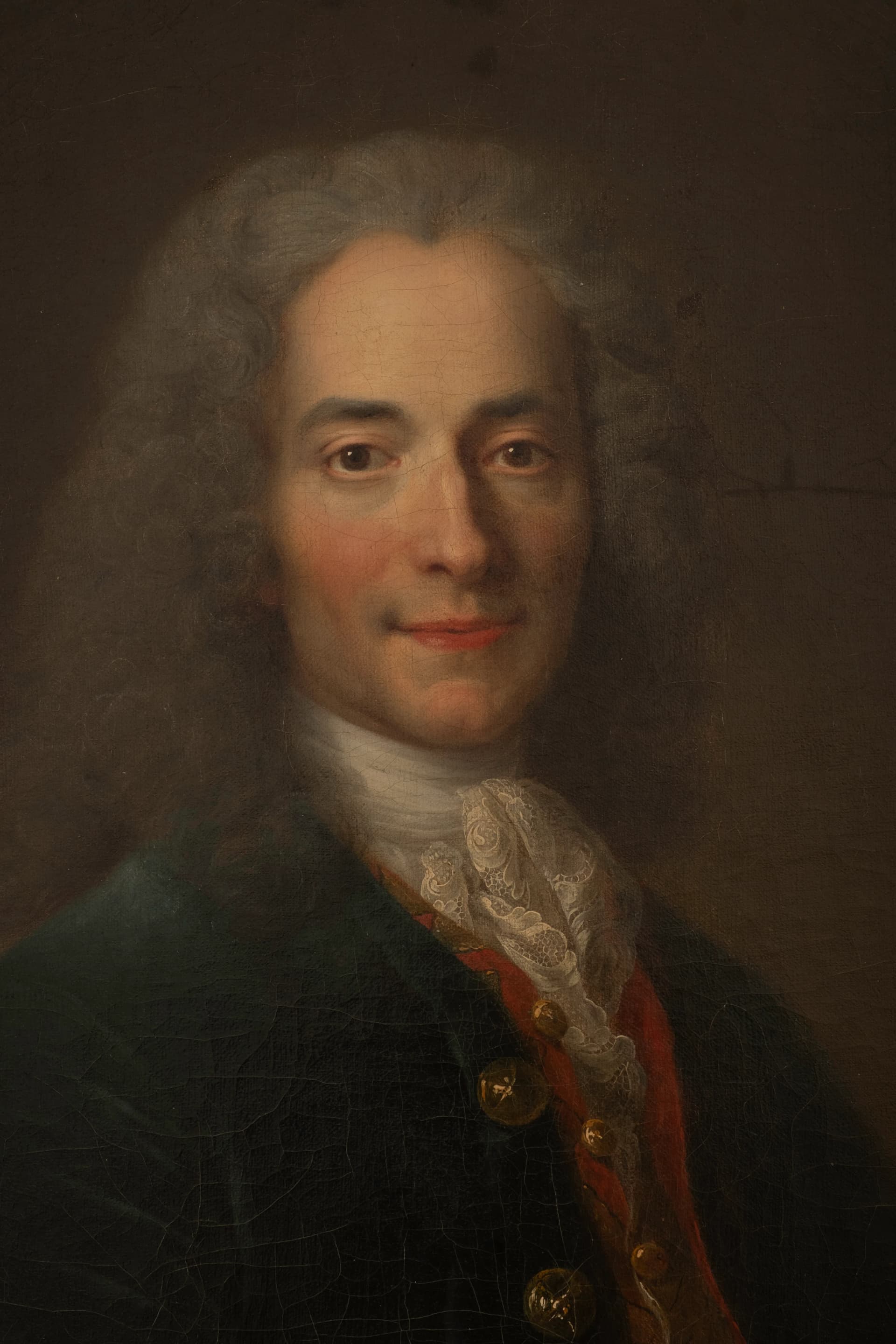
Narozen
November 21, 1694
Paris, France
Zemřel
May 30, 1778
Paris, France
Známý díky
French writer, historian and philosopher
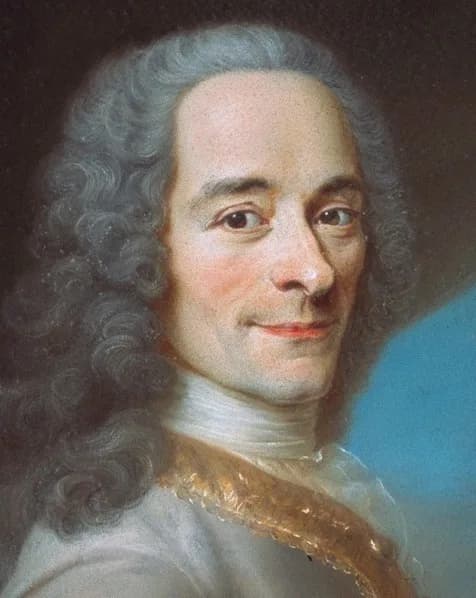
Voltaire Voltaire (November 21, 1694 – May 30, 1778) was a French writer, historian, and philosopher. Known for his wit and criticism, he advocated strongly for freedom of speech, freedom of religion, and the separation of church and state. His Enlightenment ideas continue to influence modern thought and democratic principles.
Život v okamžicích
Okamžiky, které utvářely život
Kapitola
Životní kapitoly
Kapitola 1 · 1694· Kapitola 1 z 6
Early Life and Origins
Voltaire Voltaire, christened François-Marie Arouet, entered the world on November 21, 1694, in the vibrant city of Paris, France. His early life in the heart of France’s intellectual capital undoubtedly shaped his keen observations and eventual criticisms of society. While specific details of his upbringing and early education are not provided in extensive detail, his Parisian origins placed him at the center of developing intellectual currents.
Kapitola 2· Kapitola 2 z 6
Career Beginnings and Diverse Professions
Voltaire embarked on a diverse and remarkably productive career that spanned many intellectual fields. His early pursuits likely laid the foundation for his later philosophical and satirical works. He cultivated skills as a writer, poet, and playwright, honing his craft through various literary endeavors.
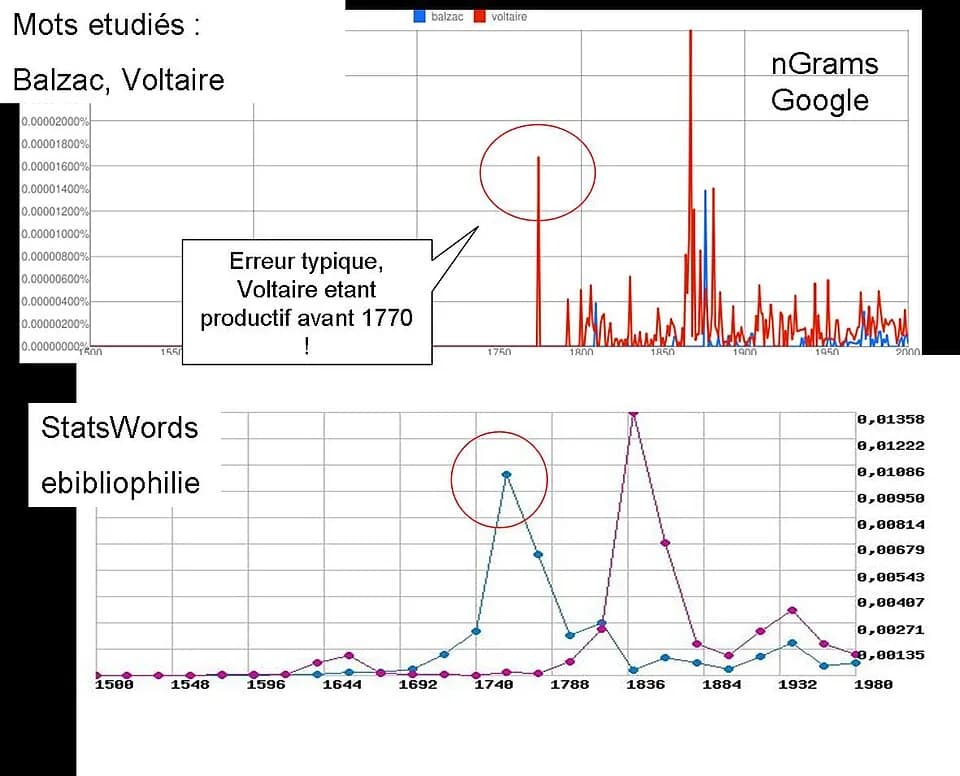
Beyond creative writing, Voltaire was also involved in more formal, academic, and professional roles, listing 'poet lawyer' among his early professions. He became known as a historian, chronicling significant events, and a political scientist, analyzing governmental structures. His talents expanded to include being an encyclopédiste, contributing to the monumental effort to compile human knowledge, and a correspondent, engaging in extensive letter-writing with leading figures across Europe.
Kapitola 3· Kapitola 3 z 6
Major Achievements and Philosophical Stance
Voltaire emerged as a leading French Enlightenment writer, philosopher, satirist, and historian, earning immense fame for his sharp wit. He fearlessly directed his criticism towards established institutions, notably challenging conventional views of Christianity and condemning the institution of slavery. His intellectual courage in these areas made him a controversial yet highly influential figure of his time.
Central to Voltaire's philosophical contributions was his staunch advocacy for fundamental human rights. He passionately championed freedom of speech, arguing for the unfettered expression of ideas even when unpopular. Furthermore, he was a vocal proponent of freedom of religion, believing in an individual's right to worship or not to worship according to their conscience. His forward-thinking ideas also included a strong call for the separation of church and state, a principle that aimed to prevent religious institutions from dictating civil law and governance.
Kapitola 4· Kapitola 4 z 6
Notable Literary Contributions
Throughout his extensive career, Voltaire produced a vast body of work across numerous genres, solidifying his reputation as a versatile and prolific writer. Among his celebrated literary contributions is 'La Henriade de Voltaire ...', an epic poem that explored historical themes. He also delved into historical narratives with works like 'Historia de Carlos XII rey de Suecia', showcasing his talents as a historian and chronicler.
His philosophical and satirical insights were frequently expressed through essays and novellas, such as 'Zadig, Ou la Destinée', which presented allegorical tales to critique society and philosophy. Voltaire engaged with contemporary political and social issues in publications like 'Peri tōn dichonoiōn tōn en tais ekklēsiais tēs Polonias' and 'Les Matinées du roi de Prusse'. He also compiled and contributed to reference works, including the 'Dictionnaire historique des evénemens remarquables' and was associated with the 'Bibliothèque bleue' tradition.
Voltaire’s dramatic works, such as the play 'Tancrede', further demonstrated his mastery of different literary forms. His collected correspondence, exemplified by 'Lettres choisies [de Voltaire.]', offers valuable insight into his intellectual exchanges and personal thoughts. Even in shorter, more pointed pieces like 'L'equivoque', his signature wit and critical spirit shone through, making him a central figure in the literary and philosophical discourse of the Enlightenment.
Kapitola 5 · 1778· Kapitola 5 z 6
Later Years
Voltaire continued his extensive writing and philosophical work throughout his life, maintaining his vigorous intellectual engagement until his final days. His later years were marked by ongoing literary output and correspondence, solidifying his position as a leading public intellectual. He passed away in his birth city of Paris, France, on May 30, 1778, leaving behind an immense body of work and a powerful intellectual legacy.
Kapitola 6· Kapitola 6 z 6
Enduring Legacy and Impact
The impact of Voltaire’s ideas and writings extended far beyond his lifetime, cementing his place as one of the most significant figures of the Enlightenment. His relentless pursuit of reason and justice influenced countless thinkers, revolutionaries, and political movements that followed. The principles he so passionately defended—freedom of speech, freedom of religion, and the separation of church and state—became foundational tenets of modern liberal democracies.
Voltaire's satirical critiques and philosophical arguments continue to be studied and debated, offering timeless insights into human nature and society. His work serves as a reminder of the power of intellectual inquiry and the importance of challenging dogma and oppression. Through his prolific writings and unwavering advocacy, Voltaire truly shaped the course of Western thought and remains a symbol of enlightened inquiry.
Časová osa
Život v kostce
Fotogalerie
Život v obrazech
Klikněte na jakýkoli polaroid pro zvětšení · 48 fotografií
QR kód
Sdílet tento životopis
Tisk a sdílení
Naskenujte pro návštěvu této životopisné stránky. Vytiskněte pro akce, výstavy nebo vzdělávací materiály.