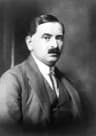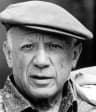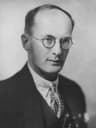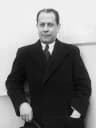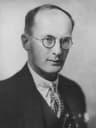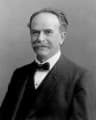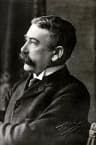
Narozen
November 28, 1881
Vienna, Austria
Zemřel
February 22, 1942
Petrópolis, Brazil
Známý díky
Austrian writer
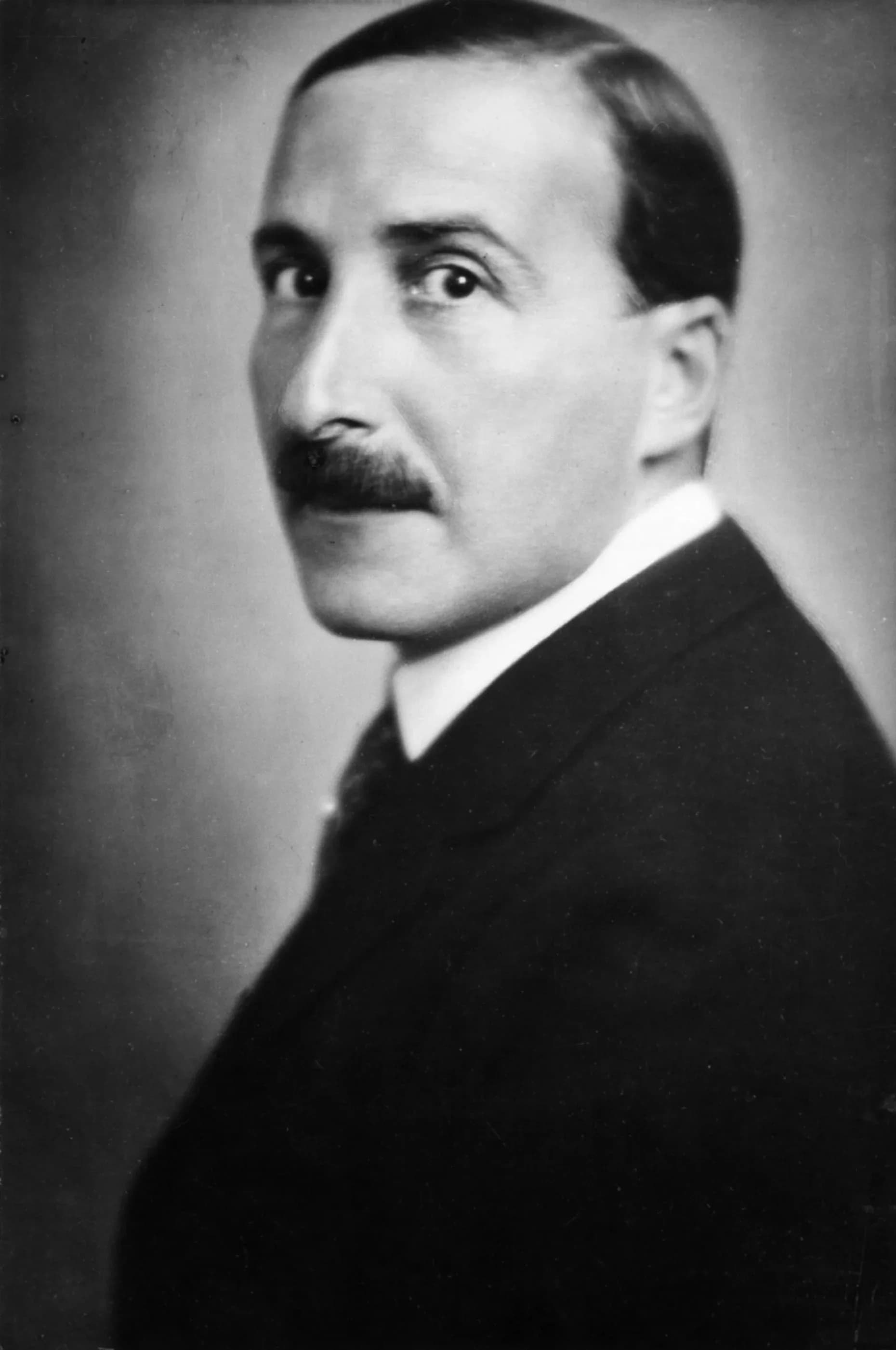
Stefan Zweig (1881–1942) was Austria best known for Austrian writer.
Stefan Zweig (November 28, 1881 – February 22, 1942) was a versatile Austrian writer, poet, historian, and biographer. He became one of the most widely translated and popular writers globally during the 1920s and 1930s. His insightful works continue to be celebrated for their profound psychological depth and historical scope.
Kapitola
Životní kapitoly
Kapitola 1 · 1881· Kapitola 1 z 7
Early Life and Origins
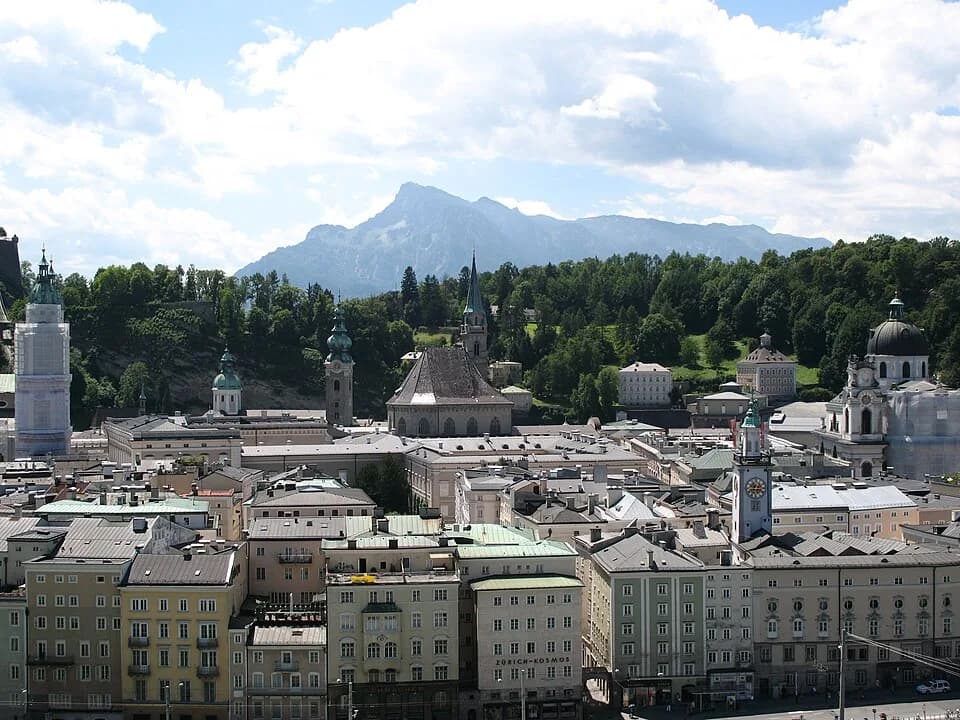
Stefan Zweig was born on November 28, 1881, in Vienna, Austria, a city renowned as a vibrant center of culture and intellectual activity. This grand, historic city undoubtedly shaped his early perspectives and artistic sensibilities, providing a rich backdrop for his formative years. While specific details regarding his family background and early education are not extensively provided, growing up in such an artistically stimulating environment would have significantly influenced his future literary pursuits. His origins in Vienna were intrinsically linked to the Central European cultural landscape that would so often feature in his work.
Kapitola 2· Kapitola 2 z 7
Career Beginnings
Zweig began his diverse literary career by exploring various forms of expression, establishing himself first as a poet and journalist. His early writings quickly showcased a keen intellect and a nuanced understanding of human nature, which he would hone throughout his life. He also immersed himself in the world of literary criticism, providing insightful analyses of contemporary and classic works alike. These foundational experiences as a poet, journalist, and critic laid the groundwork for his later, more expansive endeavors in historical writing, biography, and fiction.
His early professional path also included significant work as a translator, an activity that not only broadened his own literary horizons but also introduced new voices to the German-speaking world. This dedication to translation highlights his commitment to bridging cultural divides through literature. Furthermore, his initial ventures as a prose writer quickly garnered attention, distinguishing him as an emerging voice with a unique style and profound thematic concerns.
Kapitola 3· Kapitola 3 z 7
Major Achievements and Career Highlights
The zenith of Stefan Zweig's literary career occurred during the 1920s and 1930s, a period when his influence was truly international. During this time, he attained global renown, becoming one of the most widely translated writers across various languages. This widespread translation cemented his status as a popular author, connecting with an immense readership spanning numerous countries and cultures.
His ability to transcend linguistic and national boundaries was a testament to the universal appeal of his storytelling and his deep psychological insights. This era marked his most significant period of productivity and recognition, establishing him as a prominent figure in 20th-century European literature. Zweig's achievement in reaching such a vast international audience underscored his unique talent for crafting narratives that resonated with diverse human experiences.
Kapitola 4· Kapitola 4 z 7
Personal Life
While Stefan Zweig's professional achievements are widely documented, the provided information does not delve extensively into the intimate details of his personal life, such as his family, relationships, or specific personal interests outside of his literary pursuits. His public persona was predominantly defined by his extensive writing, his intellectual engagements, and his status as a prolific author. Nonetheless, the depth and empathy evident in his works suggest a richly contemplative and sensitive individual.
Kapitola 5· Kapitola 5 z 7
Notable Works and Contributions
Stefan Zweig’s prolific bibliography showcases his versatility across several literary genres, cementing his reputation as a master storyteller. His historical and biographical works include acclaimed titles such as Marie Antoinette, the portrait of an average woman, offering a detailed and empathetic view of the iconic queen. He also penned insightful biographies like Joseph Fouché, exploring the complex life of the French statesman, and Rubens, a study of the celebrated painter.
In the realm of fiction, Zweig crafted compelling novellas and short stories that delved into the intricacies of the human psyche. Among these are the internationally recognized Schachnovelle (often translated as The Royal Game or Chess Story), a psychological thriller examining the effects of isolation and trauma. Other significant fictional works include Brief einer Unbekannten (Letter from an Unknown Woman), a poignant exploration of unrequited love, and Petite nouvelle d'été (Little Summer Novel).
His diverse contributions also extend to works like Encontros, The buried candelabrum, Lucha Contra el Demonio, and Curacion Por el Espiritu, each reflecting his broad intellectual interests as a poet, historian, playwright, and essayist. Through these varied publications, Zweig consistently demonstrated his profound ability to explore historical events, biographical subjects, and fictional narratives with compelling psychological depth and literary elegance. His works continue to be studied and cherished for their enduring power and insight into the human condition.
Kapitola 6· Kapitola 6 z 7
Later Years
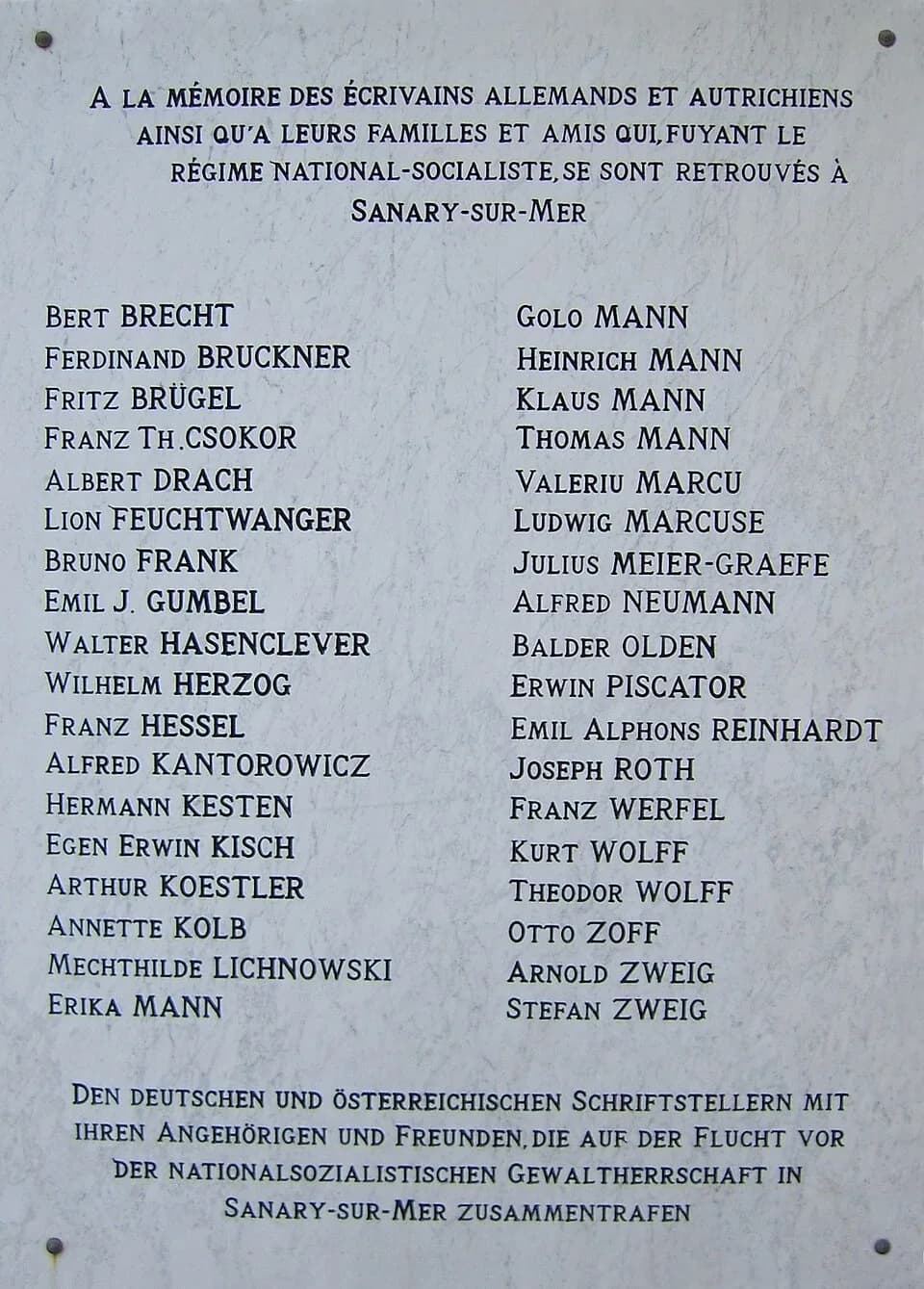
Stefan Zweig's later years were marked by a period of profound global upheaval, which profoundly impacted his personal life and career. As an Austrian writer, he experienced the rise of totalitarian regimes in Europe, ultimately leading him to seek refuge far from his homeland. He eventually settled in Petrópolis, Brazil, a distant haven from the escalating conflicts.
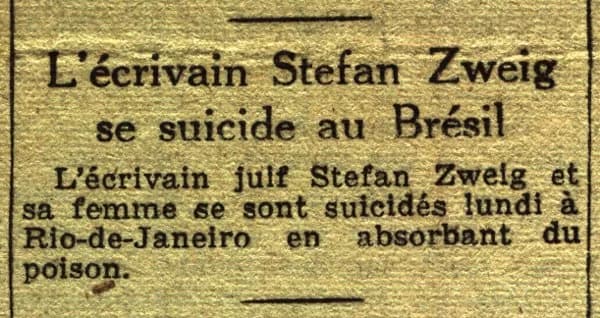
It was in Petrópolis, Brazil, that Stefan Zweig passed away on February 22, 1942. Despite the difficult circumstances of his final years, he continued to write, producing some of his most introspective and deeply reflective works. His final residence in Brazil symbolizes a journey far from his European roots, yet his literary output remained consistently tied to universal themes of humanity and culture.
Kapitola 7· Kapitola 7 z 7
Legacy and Impact
Stefan Zweig's legacy as an Austrian writer endures through his vast and varied body of work, which continues to captivate readers and scholars worldwide. His distinct ability to blend historical narrative with psychological insight created a unique literary voice that remains influential. As one of the most widely translated authors of his time, his writings brought diverse perspectives and profound human stories to an international audience, fostering a broader appreciation for European literature.
His contributions as a poet, historian, playwright, translator, biographer, journalist, literary critic, novelist, essayist, and prose writer showcase an intellectual breadth that few writers achieve. The enduring popularity of works like Schachnovelle and Marie Antoinette ensures that his explorations of human character and historical moments continue to be relevant. Stefan Zweig remains a powerful literary figure, celebrated for his elegant prose, his empathy, and his timeless examinations of the human spirit.
Život v okamžicích
Okamžiky, které utvářely život
Časté otázky
Často kladené otázky
Kdy zemřel(a) Stefan Zweig?
Stefan Zweig zemřel(a) 22. února 1942 v Petrópolis, Brazil ve věku 60 let.
Kde se narodil(a) Stefan Zweig?
Stefan Zweig se narodil(a) v Vienna, Austria dne 28. listopadu 1881.
Čím je Stefan Zweig nejznámější?
Stefan Zweig je nejznámější díky Austrian writer.
Kolik bylo Stefan Zweig v době smrti?
Stefan Zweig bylo v době smrti 60 let.
Jakou národnost měl(a) Stefan Zweig?
Stefan Zweig pocházel(a) z Austria.
Časová osa
Život v kostce
Fotogalerie
Život v obrazech
Klikněte na jakýkoli polaroid pro zvětšení · 49 fotografií
QR kód
Sdílet tento životopis
Tisk a sdílení
Naskenujte pro návštěvu této životopisné stránky. Vytiskněte pro akce, výstavy nebo vzdělávací materiály.