Narozen
March 26, 1925
Montbrison, France
Zemřel
January 5, 2016
Baden-Baden, Germany
Známý díky
French composer, conductor and writer
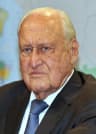
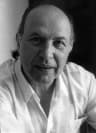
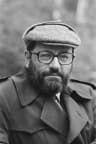
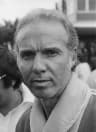
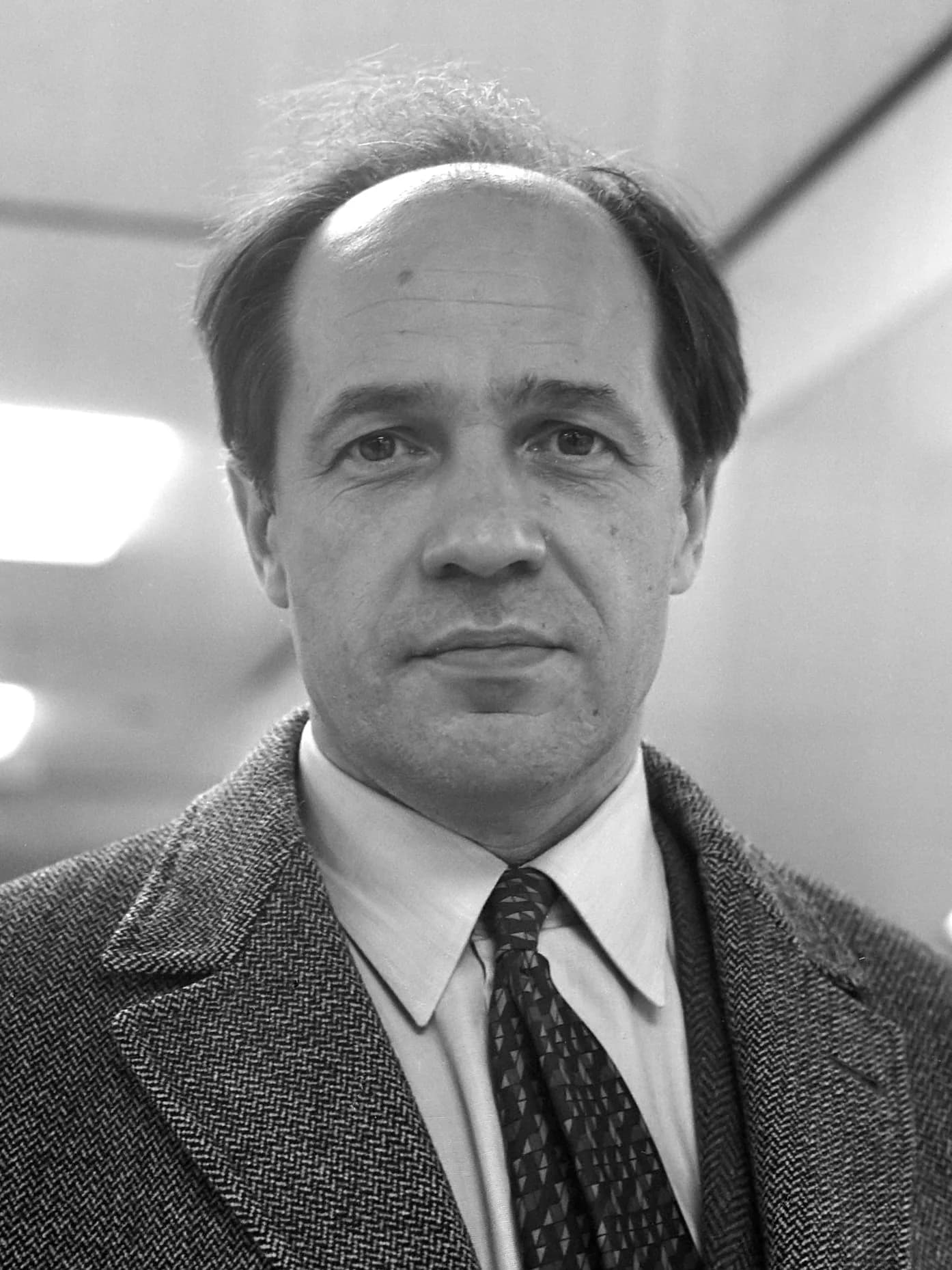
Pierre Boulez (1925–2016) was France best known for French composer, conductor and writer.
Pierre Louis Joseph Boulez (March 26, 1925 – January 5, 2016) was a French composer, conductor, and writer from Montbrison, France. He was a dominant figure in post-war contemporary classical music and founded several musical institutions. His innovative compositions and influential conducting shaped modern classical sound.
Kapitola
Životní kapitoly
Kapitola 1 · 1925· Kapitola 1 z 7
Opening
Pierre Louis Joseph Boulez, born on March 26, 1925, and who passed away on January 5, 2016, was a French composer, conductor, and writer of immense stature. He is widely recognized as one of the dominant figures in post-war contemporary classical music. Boulez's influence extended across the musical world through his groundbreaking compositions, his meticulous conducting, and the several musical institutions he founded.
Kapitola 2 · 1925· Kapitola 2 z 7
Early Life and Origins
Pierre Boulez began his life in Montbrison, France, where he was born on March 26, 1925. His upbringing in France laid the foundation for a career that would profoundly shape the trajectory of classical music. While detailed early education specifics are not provided, his eventual mastery as a musician, pianist, and musicologist attests to rigorous musical development.
Kapitola 3· Kapitola 3 z 7
Career Beginnings
Boulez quickly established himself as a dynamic force in the musical arena, making his mark as a composer, conductor, and writer. His initial contributions to the musical world positioned him as an innovative and forward-thinking artist. He gained recognition not only for his performances but also for his significant theoretical contributions to music.
Throughout his professional life, Boulez embraced diverse roles, including composer, conductor, musician, pianist, university teacher, musicologist, and music theorist. This wide array of professions highlights his comprehensive engagement with various facets of classical music. From his early career, he actively sought to define and evolve the contemporary classical sound.
Kapitola 4· Kapitola 4 z 7
Major Achievements and Career Highlights
A testament to his visionary leadership, Pierre Boulez was the founder of several crucial musical institutions. These endeavors solidified his position as both an organizer and a progressive thinker within the contemporary classical scene. His extensive work as a conductor led to the creation of a substantial and highly influential discography.
Among his most notable conducting achievements are recordings of works by himself and others, such as his 1962 rendition of *Pierrot lunaire* and his 1964 recording of *Le Marteau sans maître*. He also brought his interpretive genius to pieces by other composers, including Schoenberg's *Transfigured Night* in 1967 and Beethoven's Symphony No. 5 in 1970. His 1969 recording of *Le Sacre du Printemps* stands out as another significant highlight of his conducting career.
Boulez's impact reached beyond the conductor's podium and the composer's desk. He dedicated time as a university teacher, sharing his vast knowledge and artistic vision with emerging generations of musicians. His career was characterized by an unyielding pursuit of innovation and excellence within the classical music genre.
Kapitola 5 · 1964· Kapitola 5 z 7
Notable Works or Contributions
As a composer, Boulez crafted works that boldly pushed and expanded the boundaries of musical expression. His influential piece *Le Marteau sans maître*, recorded in 1964, remains a foundational work of 20th-century classical music. He also contributed other significant compositions, notably the 1962 recording of *Pierrot lunaire*.
Beyond his compositional output, Pierre Boulez was an active writer and a significant music theorist. His published works include compelling discussions like *Entretiens avec Pierre Boulez* and the insightful *Boulez on music today*. He further articulated his musical philosophies in his book *Penser la musique aujourd'hui*, offering deep perspectives on the art form.
Other important writings include *A música hoje*, *Europäische Musik zwischen Nationalismus und Exotik*, and *Wille und Zufall*. Collections such as *Pierre Boulez in Bayreuth: 1966 - 1968, 1970, 1976 - 1980, 2004 - 2005; Essays, Gespräche, Dokumente, Werkstatt-Texte* provide further insight into his artistic and intellectual journey. His musical focus consistently remained within the classical and contemporary classical genres, reflecting his dedication to evolving musical traditions.
Kapitola 6 · 2016· Kapitola 6 z 7
Later Years
Pierre Boulez passed away on January 5, 2016, in Baden-Baden, Germany. Even in his later years, he continued to exert considerable influence on the global music scene through his performances, writings, and institutional leadership. His passing marked the end of an era for contemporary classical music, leaving a void felt across the arts community.
Kapitola 7· Kapitola 7 z 7
Legacy and Impact
Pierre Boulez left an enduring legacy as a pivotal figure in post-war contemporary classical music. His multifaceted work as a composer, conductor, and writer fundamentally reshaped both the perceptions and practices within the genre. The musical institutions he established continue to serve as vital centers for innovation, performance, and education.
His extensive discography, featuring an impressive range of composers from Debussy to Mahler, ensures his interpretive brilliance is forever preserved. Through his profound theoretical writings and his practical musicianship, Pierre Boulez deeply influenced generations of musicians and captivated countless listeners. His distinct vision for music continues to resonate throughout the world.
Život v okamžicích
Okamžiky, které utvářely život




Časté otázky
Často kladené otázky
Kdy zemřel(a) Pierre Boulez?
Pierre Boulez zemřel(a) 5. ledna 2016 v Baden-Baden, Germany ve věku 90 let.
Kde se narodil(a) Pierre Boulez?
Pierre Boulez se narodil(a) v Montbrison, France dne 26. března 1925.
Čím je Pierre Boulez nejznámější?
Pierre Boulez je nejznámější díky French composer, conductor and writer.
Kolik bylo Pierre Boulez v době smrti?
Pierre Boulez bylo v době smrti 90 let.
Jakou národnost měl(a) Pierre Boulez?
Pierre Boulez pocházel(a) z France.
Časová osa
Život v kostce
Fotogalerie
Život v obrazech
Klikněte na jakýkoli polaroid pro zvětšení · 50 fotografií
QR kód
Sdílet tento životopis
Tisk a sdílení
Naskenujte pro návštěvu této životopisné stránky. Vytiskněte pro akce, výstavy nebo vzdělávací materiály.