Narozen
December 30, 1935
Bongoville, Gabon
Zemřel
June 8, 2009
Barcelona, Spain
Známý díky
Gabonese politician
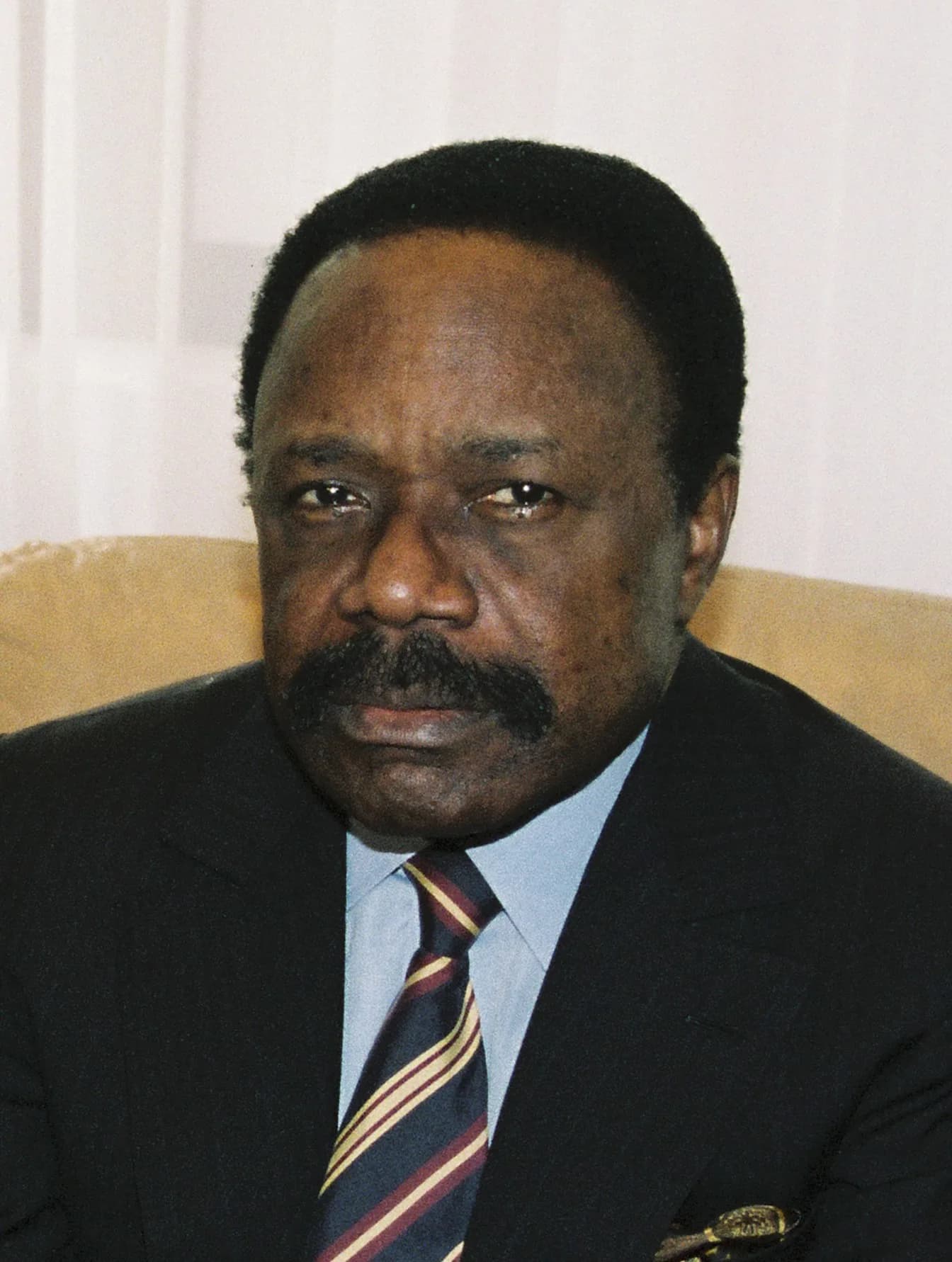
Omar Bongo (1935–2009) was Gabon best known for Gabonese politician.
Omar Bongo Ondimba (1935-2009) was a Gabonese politician who served as president of Gabon for 42 years. Rising from military service to become vice president under Léon M'ba, he assumed the presidency in 1967 and led the nation until his death. His extended tenure made him one of Africa's longest-serving leaders.
Kapitola
Životní kapitoly
Kapitola 1 · 1935· Kapitola 1 z 7
Early Life and Origins
Omar Bongo was born on December 30, 1935, in the town that would later bear his family name - Bongoville, located in southeastern Gabon. His birthplace reflected the deep roots his family had in the region, though details about his early childhood and family background remain limited in available records. Growing up during the colonial period, Bongo would have witnessed firsthand the transition of his homeland from French colonial rule toward independence.
His early education and formative experiences prepared him for a career in public service during a time when Gabon was establishing its identity as an independent nation. The young Bongo showed early promise in leadership and administration, qualities that would serve him throughout his extensive political career.
Kapitola 2· Kapitola 2 z 7
Career Beginnings
Bongo began his professional life as military personnel before transitioning into politics and government service. His entry into political life came during the crucial early years of Gabonese independence in the 1960s. He quickly caught the attention of Gabon's first president, Léon M'ba, who recognized the young man's potential for leadership and administrative skill.
Under President M'ba's mentorship, Bongo was promoted to several key positions within the government structure. He served as a minister, gaining valuable experience in various aspects of governance and policy implementation. This period allowed him to understand the complexities of running a newly independent African nation while building the political networks that would support his future rise to power.
Kapitola 3 · 1966· Kapitola 3 z 7
Rise to the Presidency
In 1966, Bongo achieved a significant milestone when he was elected as the second vice president of Gabon, positioning himself as M'ba's heir apparent. This role gave him additional responsibilities and visibility within the government, further preparing him for executive leadership. His time as vice president was brief but crucial, as it established his legitimacy as a successor to the founding president.
The pivotal moment in Bongo's career came in 1967 following the death of President Léon M'ba. At the age of 32, Bongo assumed the presidency of Gabon, beginning what would become one of the longest presidential tenures in African history. His transition to power marked the beginning of a new chapter for Gabon, as the young leader brought his own vision and style to the highest office in the land.
Kapitola 4· Kapitola 4 z 7
Political Leadership and Party Affiliation
As a member of the Gabonese Democratic Party (PDG), Bongo built his political career within the framework of the party that had led Gabon since independence. His leadership of the PDG helped consolidate the party's dominance in Gabonese politics throughout his presidency. Under his guidance, the party became the primary vehicle for political organization and governance in the country.
Bongo's approach to leadership evolved over his decades in power, adapting to changing domestic and international circumstances. His presidency spanned the Cold War period, the transition to multi-party democracy in many African nations, and the early years of the 21st century, requiring constant adaptation to new challenges and opportunities.
Kapitola 5 · 1967· Kapitola 5 z 7
Presidential Tenure and Governance
From 1967 until his death in 2009, Bongo maintained his position as president of Gabon for an impressive 42 years. This extended tenure made him one of the world's longest-serving heads of state and allowed him to implement long-term policies and development strategies. His presidency witnessed significant changes in Gabon's economy, infrastructure, and international relations.
Throughout his time in office, Bongo navigated the challenges of governing a resource-rich nation while managing relationships with former colonial powers, regional neighbors, and global partners. His leadership style and policies left an enduring mark on Gabonese society, politics, and economic development.
Kapitola 6· Kapitola 6 z 7
Later Years and Final Chapter
In his later years as president, Bongo continued to actively lead Gabon while dealing with health challenges that would eventually prove fatal. Despite these difficulties, he remained engaged in governance and maintained his role as head of state until the end of his life. His commitment to his presidential duties continued even as his health declined.
On June 8, 2009, Omar Bongo Ondimba died in Barcelona, Spain, where he had been receiving medical treatment. His death marked the end of an era in Gabonese politics and created a significant transition moment for the nation he had led for over four decades. The location of his death, far from his homeland, reflected the international scope of his later medical care.
Kapitola 7· Kapitola 7 z 7
Legacy and Historical Impact
Omar Bongo's death created a major transition in Gabonese politics, as the nation had known only two presidents since independence - Léon M'ba and Bongo himself. His extended presidency had provided stability and continuity, though it also raised questions about democratic transitions and political succession in post-colonial Africa. The length of his tenure made him a dominant figure in Gabonese history.
His political career, spanning from the early days of independence through the first decade of the 21st century, coincided with major changes in African politics, international relations, and global economics. The town of Bongoville, his birthplace, serves as a permanent reminder of his connection to Gabonese soil and his rise from provincial origins to national leadership. His legacy continues to influence Gabonese politics and serves as a case study in long-term African leadership during the post-independence era.
Život v okamžicích
Okamžiky, které utvářely život
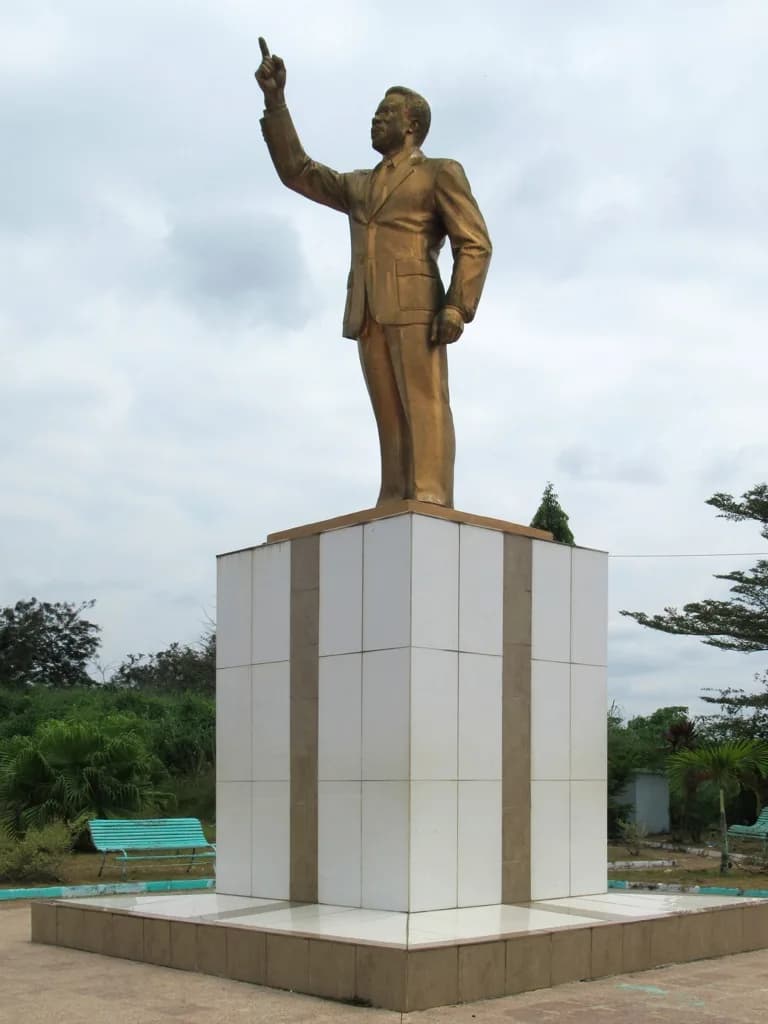
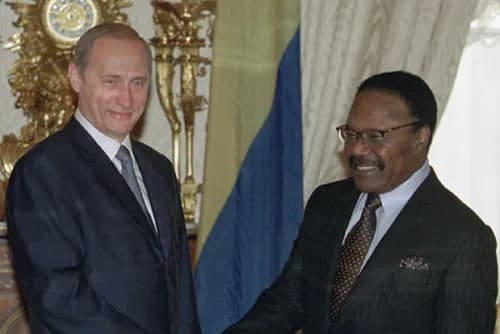
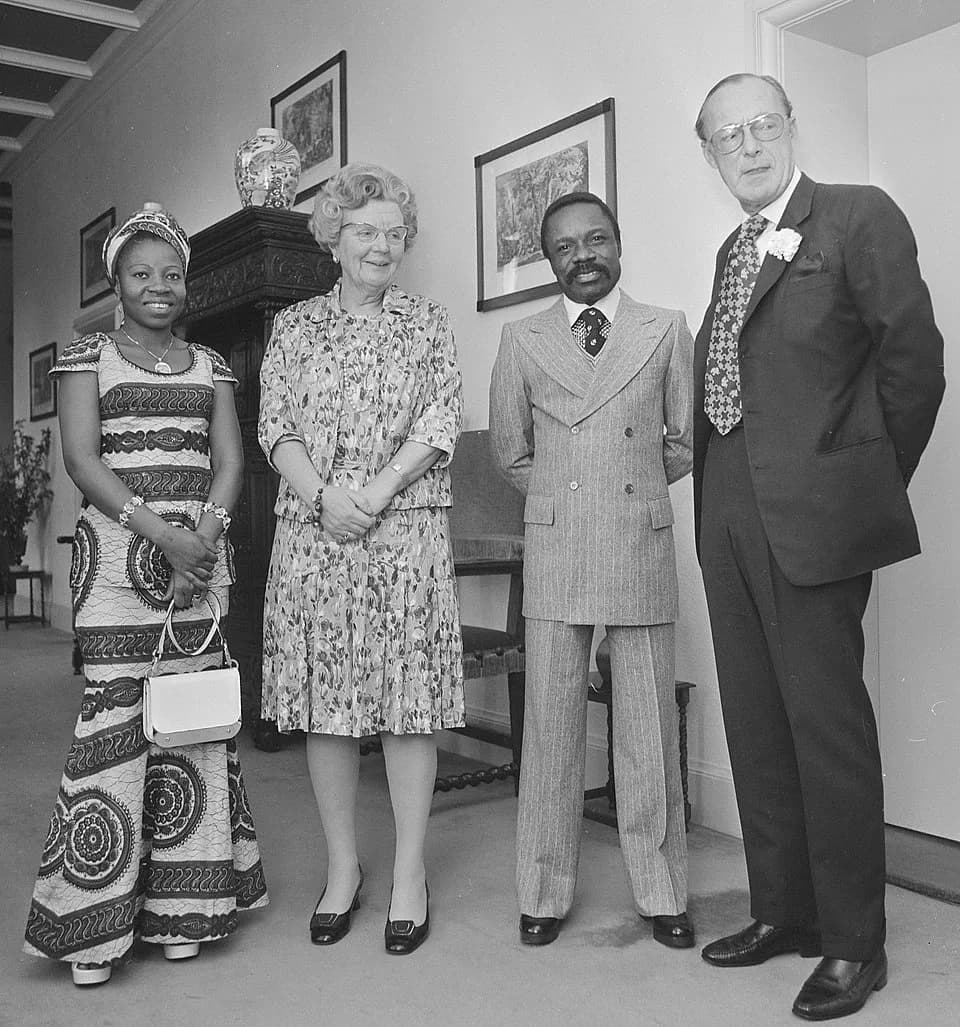
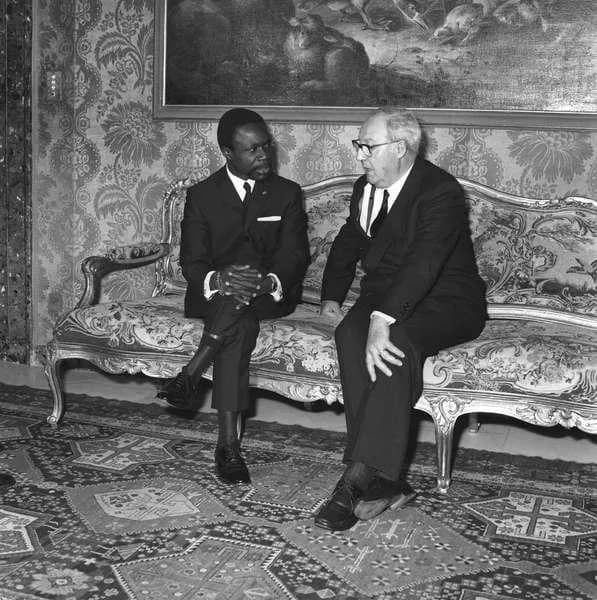
Časté otázky
Často kladené otázky
Kdy zemřel(a) Omar Bongo?
Omar Bongo zemřel(a) 8. června 2009 v Barcelona, Spain ve věku 73 let.
Kde se narodil(a) Omar Bongo?
Omar Bongo se narodil(a) v Bongoville, Gabon dne 30. prosince 1935.
Čím je Omar Bongo nejznámější?
Omar Bongo je nejznámější díky Gabonese politician.
Kolik bylo Omar Bongo v době smrti?
Omar Bongo bylo v době smrti 73 let.
Jakou národnost měl(a) Omar Bongo?
Omar Bongo pocházel(a) z Gabon.
Časová osa
Život v kostce
Fotogalerie
Život v obrazech
Klikněte na jakýkoli polaroid pro zvětšení · 36 fotografií
QR kód
Sdílet tento životopis
Tisk a sdílení
Naskenujte pro návštěvu této životopisné stránky. Vytiskněte pro akce, výstavy nebo vzdělávací materiály.