Narozen
April 8, 1911
Saint Paul, United States
Zemřel
January 8, 1997
Berkeley, United States
Známý díky
American biochemist
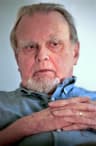
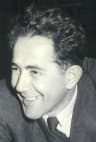
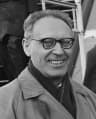
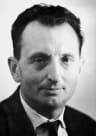
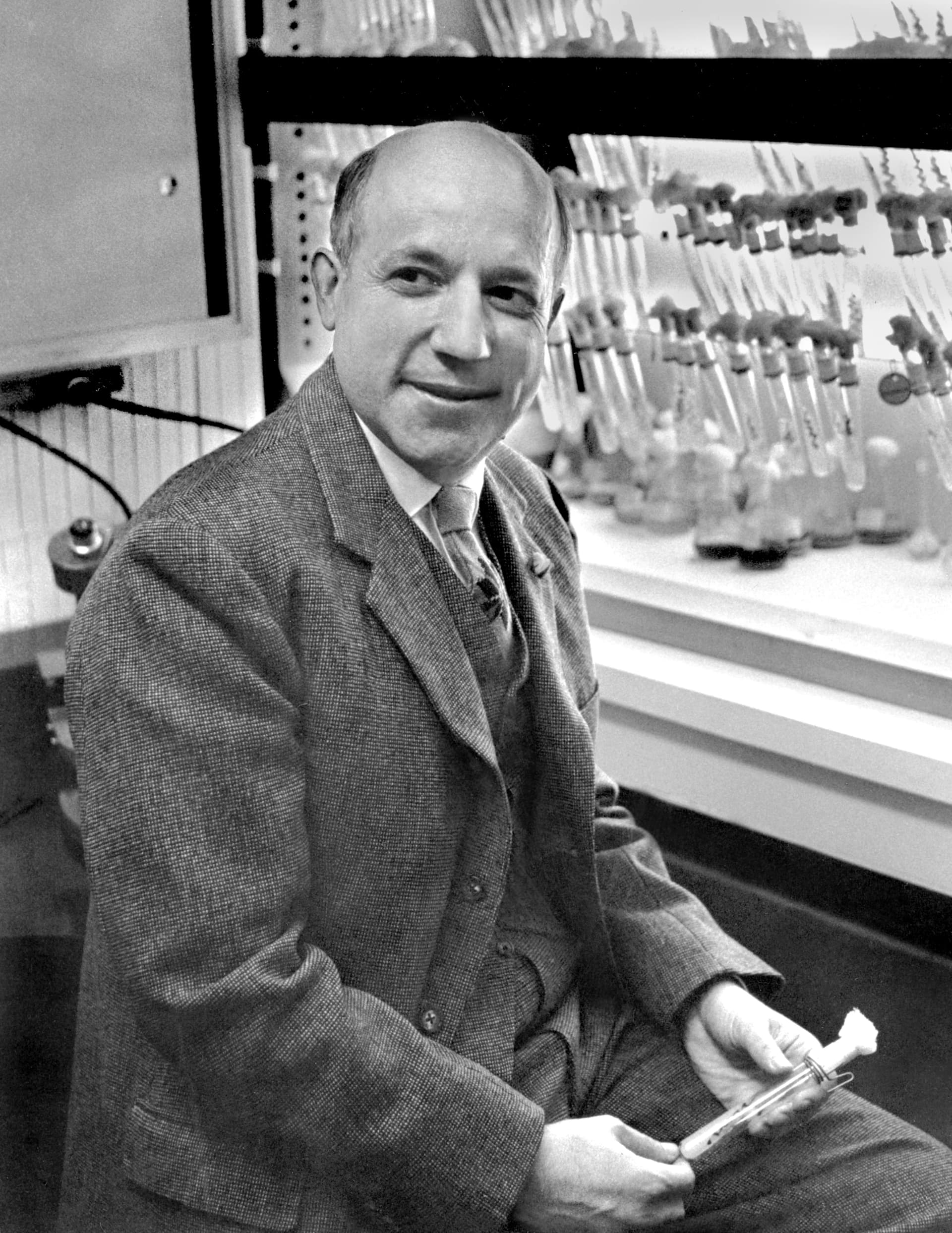
Melvin Calvin (1911–1997) was United States best known for American biochemist.
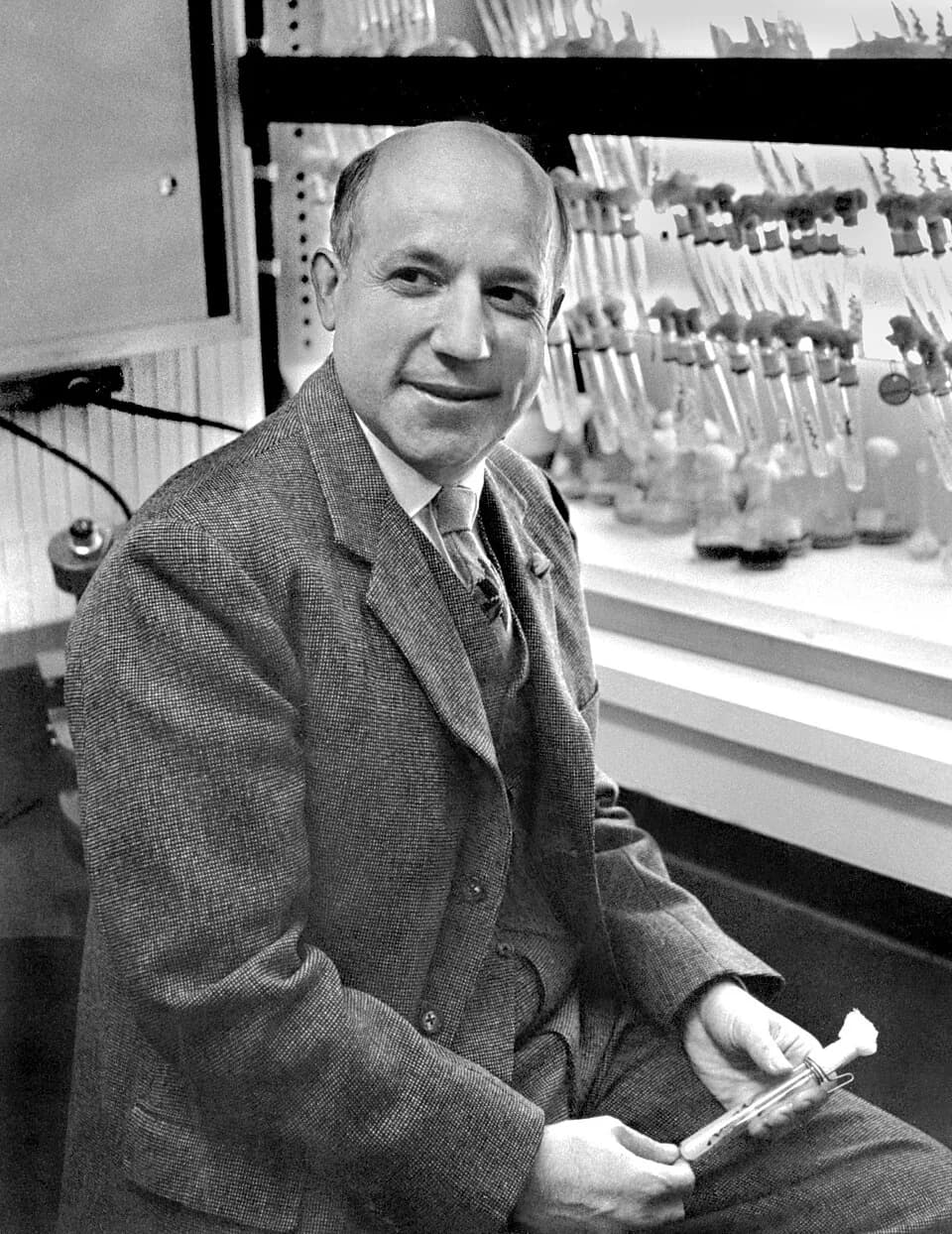
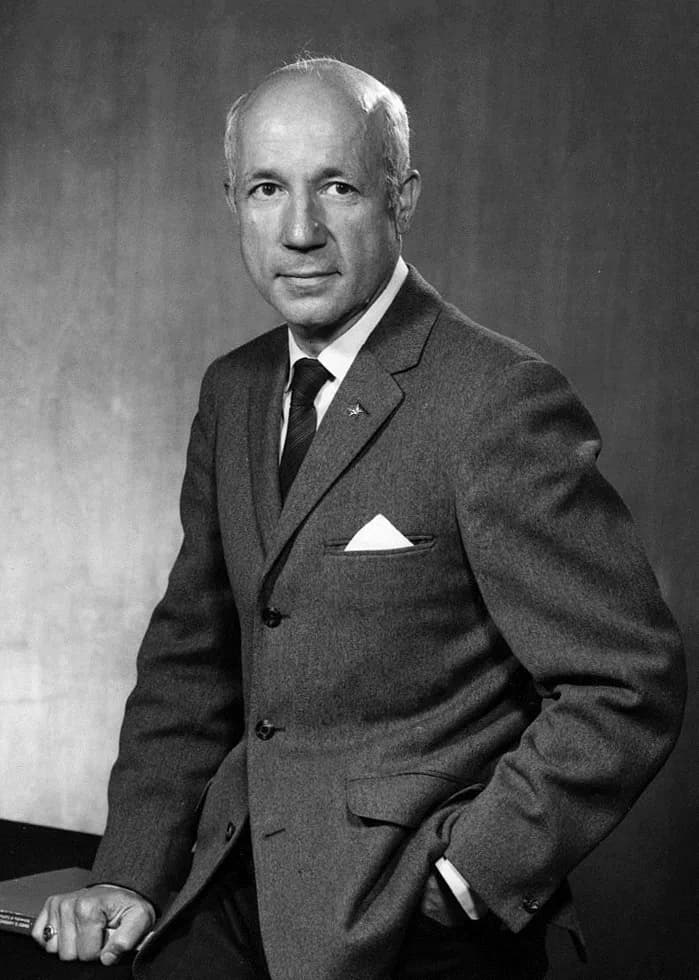
Melvin Calvin (April 8, 1911 – January 8, 1997) was an American biochemist from Saint Paul, United States. He discovered the Calvin cycle, explaining carbon dioxide assimilation in plants, and received the 1961 Nobel Prize in Chemistry. His work significantly advanced understanding of photosynthesis.
Kapitola
Životní kapitoly
Kapitola 1 · 1911· Kapitola 1 z 7
Opening
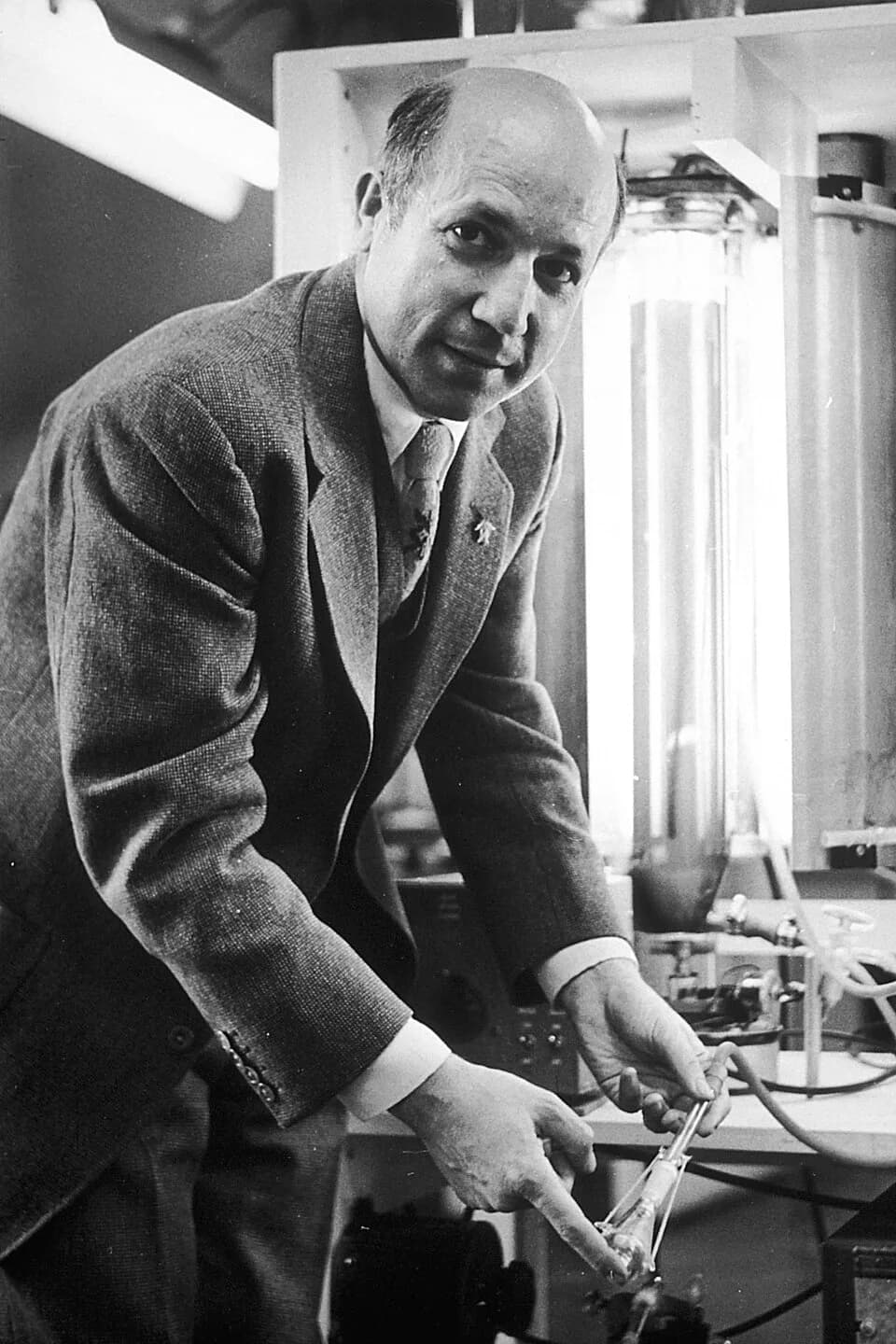
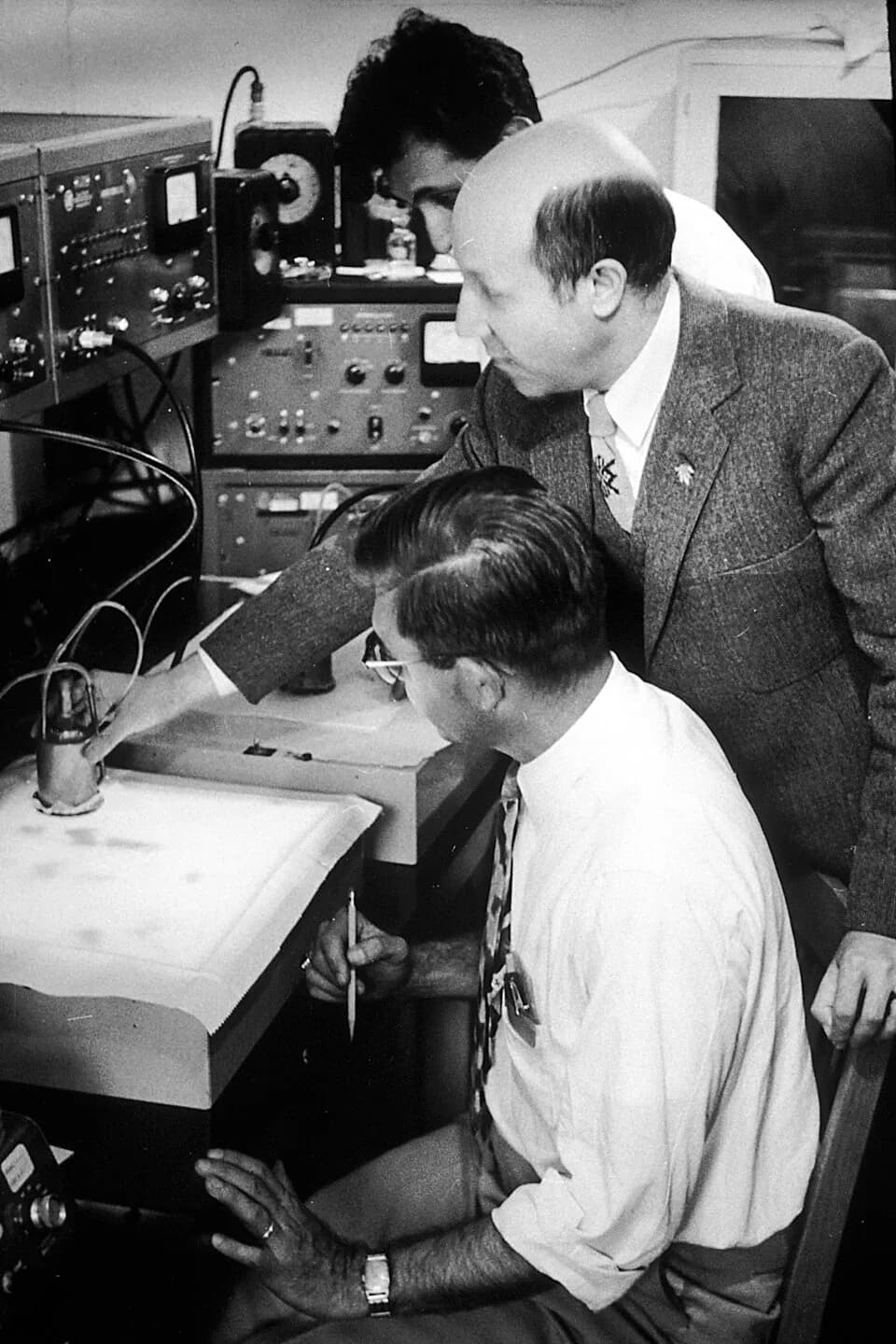
Melvin Calvin (April 8, 1911 – January 8, 1997) was an American biochemist whose five-decade career at the University of California, Berkeley, significantly advanced our understanding of photosynthesis. He is renowned for co-discovering the Calvin cycle, a fundamental process explaining carbon dioxide assimilation in plants. His pioneering work earned him the Nobel Prize in Chemistry in 1961.
Kapitola 2 · 1911· Kapitola 2 z 7
Early Life and Origins
Melvin Ellis Calvin was born on April 8, 1911, in Saint Paul, United States. His early life set the stage for a distinguished scientific career. He pursued a diverse education, leading him through various scientific disciplines.
This multidisciplinary background provided him with a broad perspective. It was crucial for his later specialized work in biochemistry. His foundational years prepared him for complex scientific inquiry.
Kapitola 3· Kapitola 3 z 7
Career Beginnings
Calvin began his professional journey with a strong academic foundation across multiple scientific fields. He trained as an engineer, chemist, and biologist before focusing on biochemistry. This interdisciplinary approach was a hallmark of his research.
He dedicated the majority of his professional life to the University of California, Berkeley. His long tenure there allowed him to build a substantial body of work. It established him as a leading figure in the scientific community.
Kapitola 4 · 1961· Kapitola 4 z 7
Major Achievements and Career Highlights
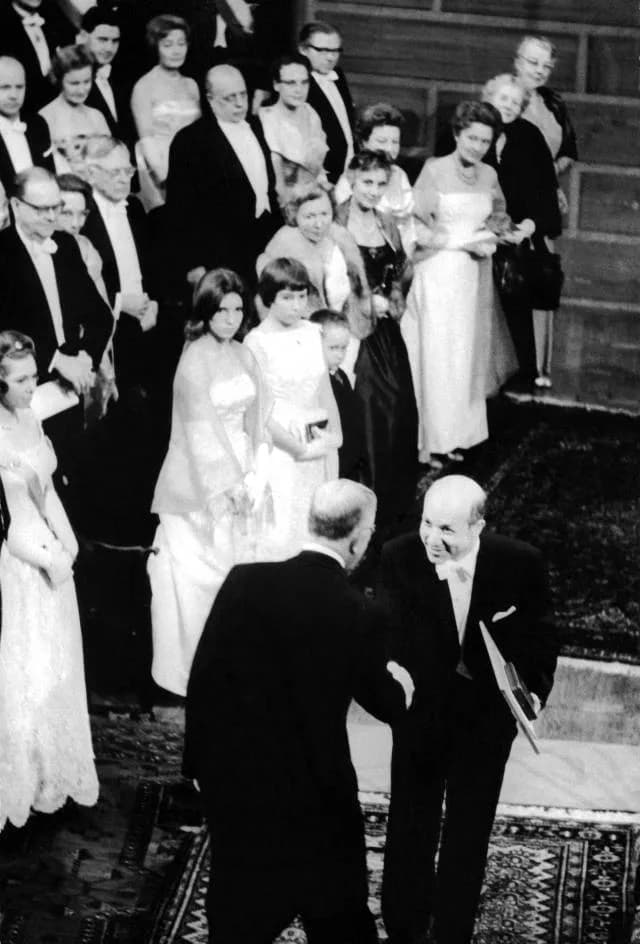
Calvin's most celebrated achievement was the discovery of the Calvin cycle, a process elucidated with Andrew Benson and James Bassham. This work detailed how plants convert carbon dioxide into organic compounds. For this research on carbon dioxide assimilation in plants, he was awarded the 1961 Nobel Prize in Chemistry.
The Nobel Prize recognized the profound significance of his findings. It cemented his place among the most influential scientists of his era. His five-decade career at Berkeley was marked by continuous dedication to scientific discovery.
Kapitola 5 · 2015· Kapitola 5 z 7
Notable Works or Contributions
Melvin Calvin was a remarkably prolific academic, evidenced by an h-index of 73 across 651 papers. His influence extended through numerous publications spanning decades of research. Among his top cited works are "Evolution of Photosynthetic Mechanisms," published in 2015 with 20 citations, and "Plants as a direct source of fuel," which appeared in 2018 and garnered 17 citations.
Another significant contribution was "BIOSYNTHESIS AND," published in 2013, accumulating 14 citations. Even works like "Polanyi’s Physical Adsorption: One of the Early Theories of Quantum Chemistry" (2016, 0 citations) and "Evidence for Free-Radical Production in Photosynthesizing" (2016, 0 citations) highlight his diverse intellectual pursuits and continuous academic presence, even when published posthumously.
Kapitola 6· Kapitola 6 z 7
Later Years
Melvin Calvin spent the vast majority of his professional life, a span of five decades, at the University of California, Berkeley. He remained an active presence in the scientific community until his passing. His dedication to scientific inquiry remained strong throughout his career.
Kapitola 7· Kapitola 7 z 7
Legacy and Impact
Melvin Calvin's contributions profoundly reshaped our understanding of plant biology and energy conversion. The Calvin cycle remains a cornerstone of biochemistry and botany education worldwide, illustrating his lasting scientific influence. His extensive academic output, marked by 651 papers and an h-index of 73, cemented his place as a leading figure in his field. His legacy continues to inspire new generations of chemists and biologists exploring the fundamental processes of life.
Život v okamžicích
Okamžiky, které utvářely život
Časté otázky
Často kladené otázky
Kdy zemřel(a) Melvin Calvin?
Melvin Calvin zemřel(a) 8. ledna 1997 v Berkeley, United States ve věku 85 let.
Kde se narodil(a) Melvin Calvin?
Melvin Calvin se narodil(a) v Saint Paul, United States dne 8. dubna 1911.
Čím je Melvin Calvin nejznámější?
Melvin Calvin je nejznámější díky American biochemist.
Kolik bylo Melvin Calvin v době smrti?
Melvin Calvin bylo v době smrti 85 let.
Jakou národnost měl(a) Melvin Calvin?
Melvin Calvin pocházel(a) z United States.
Časová osa
Život v kostce
Fotogalerie
Život v obrazech
Klikněte na jakýkoli polaroid pro zvětšení · 25 fotografií
QR kód
Sdílet tento životopis
Tisk a sdílení
Naskenujte pro návštěvu této životopisné stránky. Vytiskněte pro akce, výstavy nebo vzdělávací materiály.