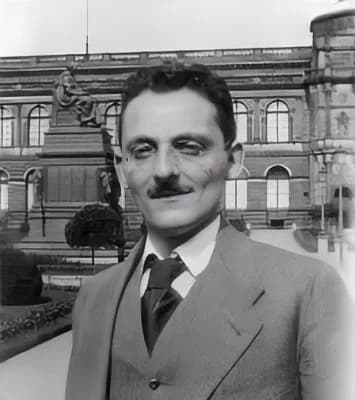
Narozen
May 27, 1884
Prague, Czech Republic
Zemřel
December 20, 1968
Tel Aviv, Israel
Známý díky
Bohemian-Israeli author, composer, and journalist
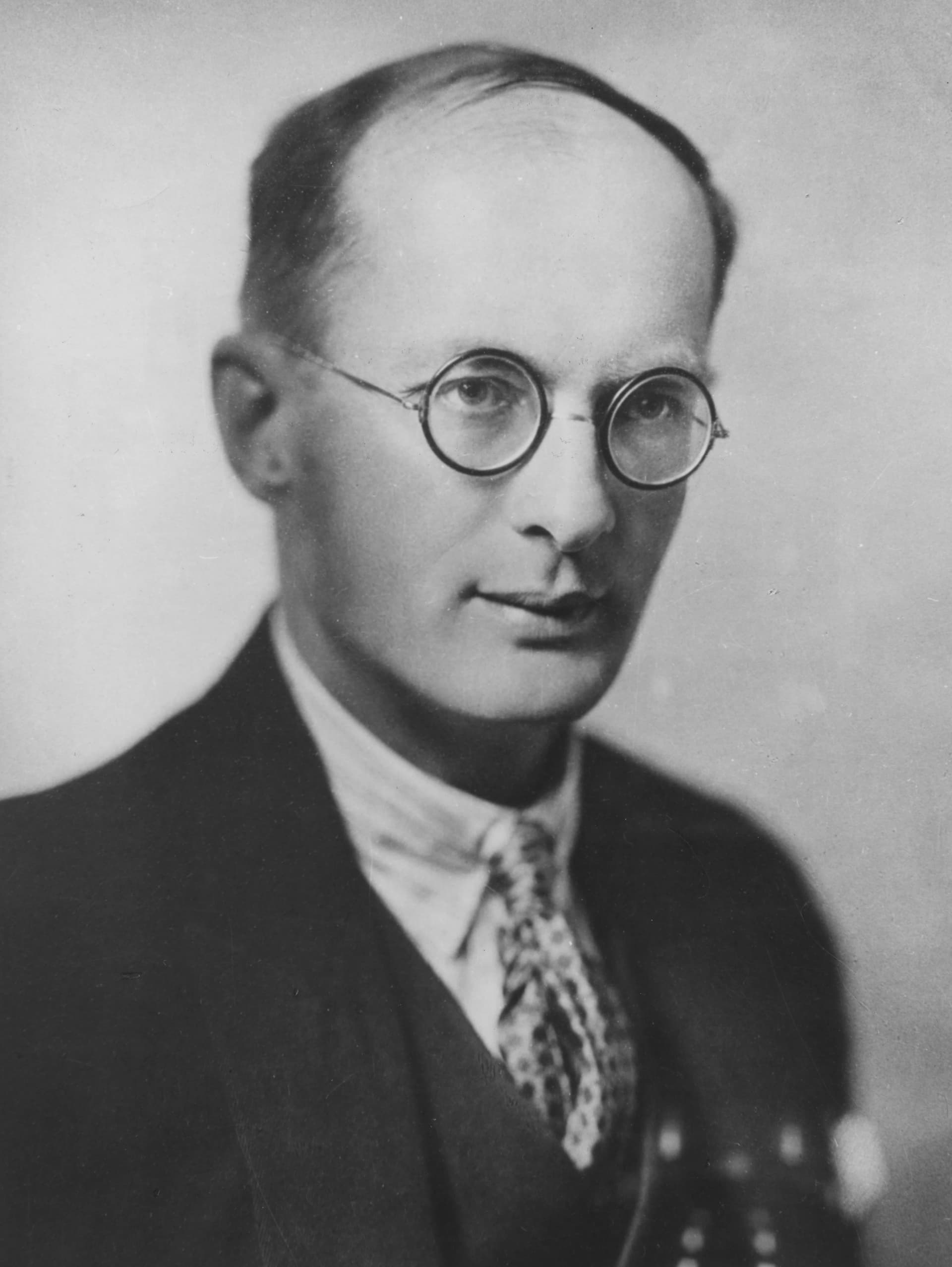
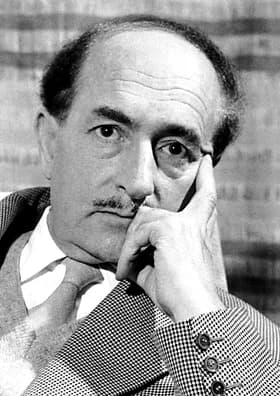
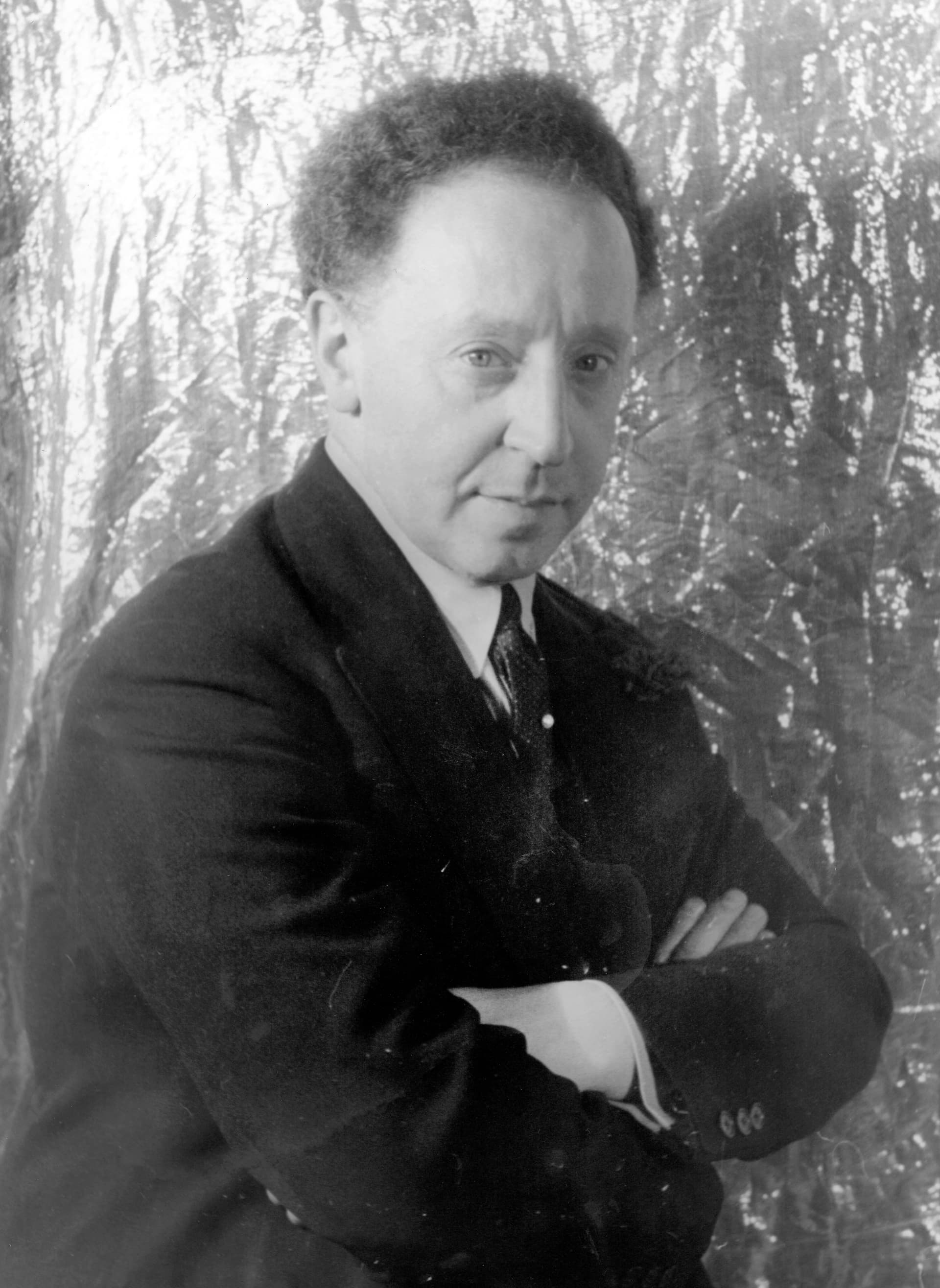
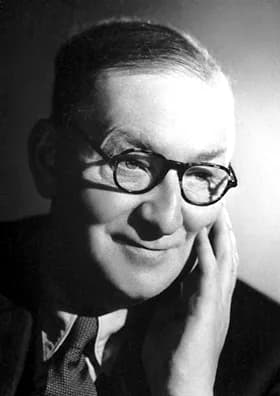
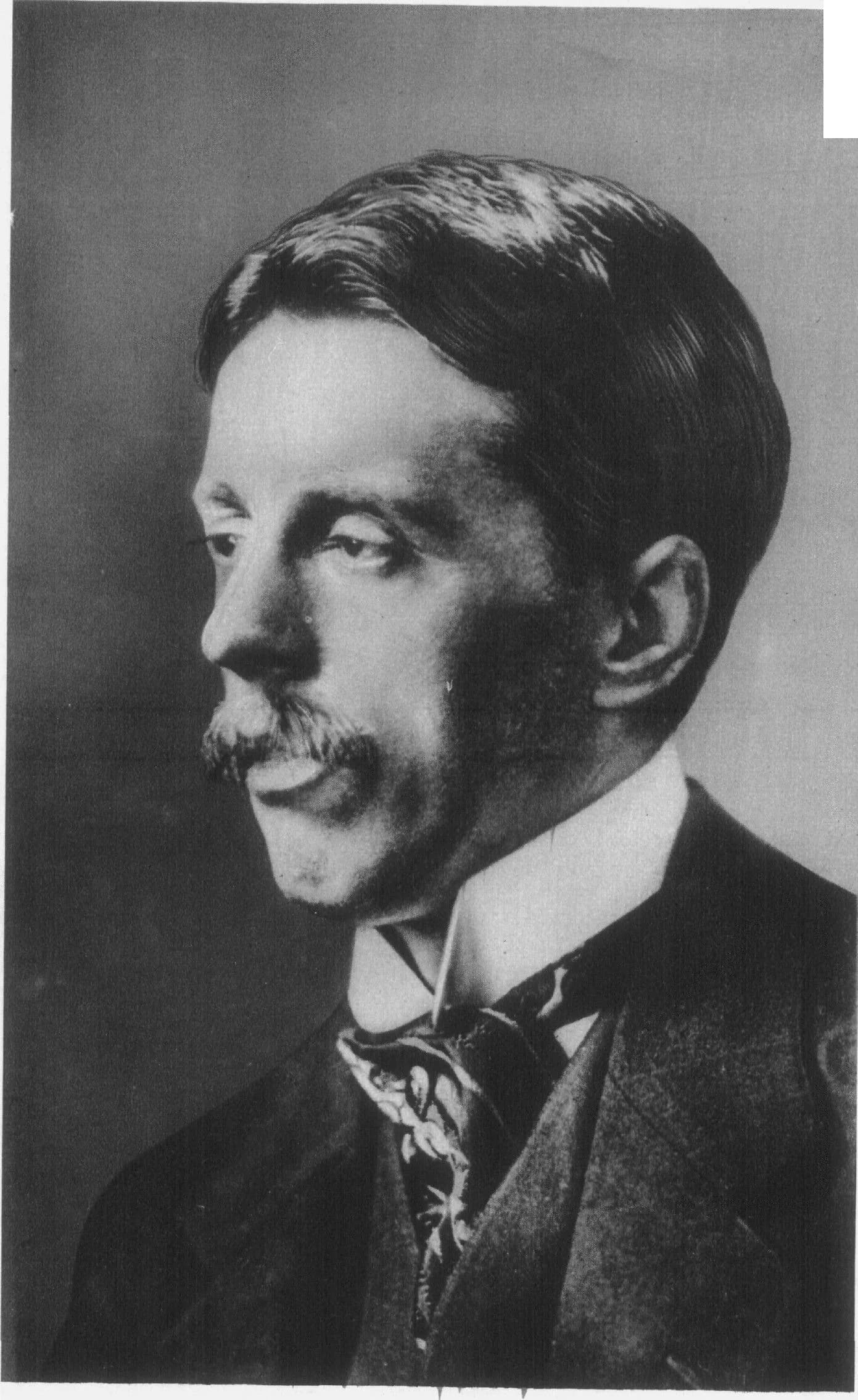
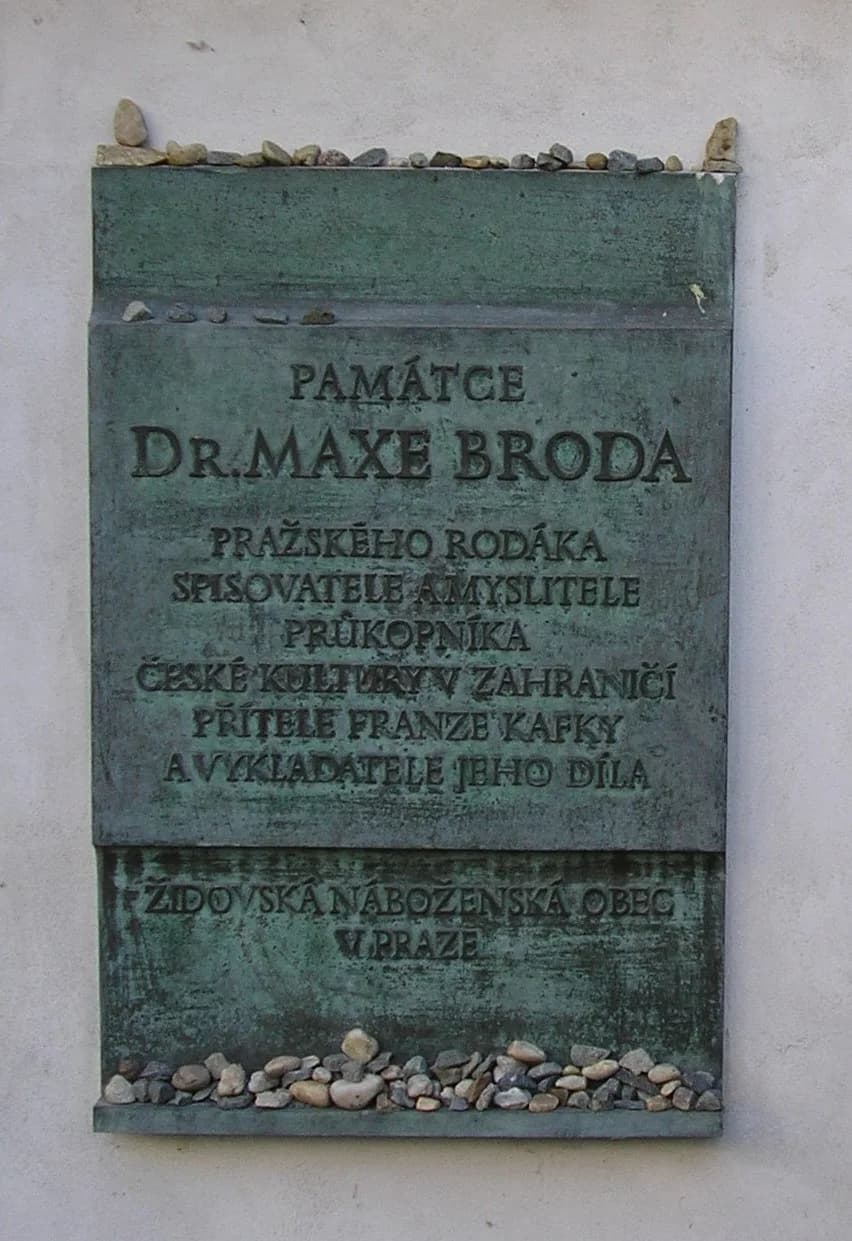
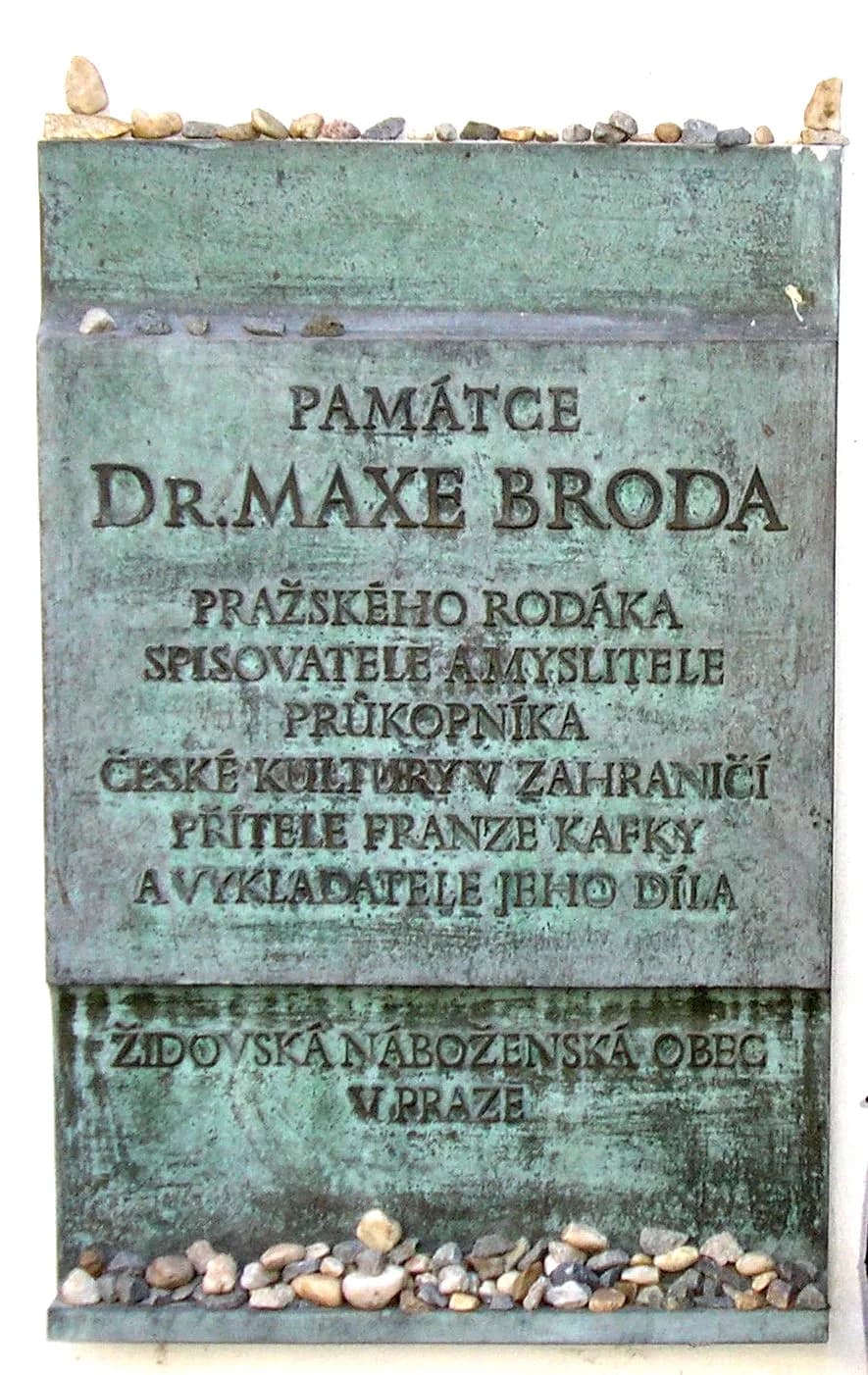
Max Brod (1884–1968) was Czech Republic best known for Bohemian-Israeli author, composer, and journalist.
Max Brod (May 27, 1884 – December 20, 1968) was a Bohemian-Israeli author, composer, and journalist from Prague, Czech Republic. He is renowned for preserving and promoting the works of Franz Kafka, defying Kafka's wishes to burn his manuscripts. Brod's advocacy significantly shaped 20th-century literature and culture.
Život v okamžicích
Okamžiky, které utvářely život
Kapitola
Životní kapitoly
Kapitola 1 · 1884· Kapitola 1 z 7
Early Life and Origins
Born in the historically and culturally rich city of Prague, Czech Republic, on May 27, 1884, Max Brod spent his formative years immersed within the vibrant German-speaking Jewish community of the Austro-Hungarian Empire, an environment teeming with intellectual and artistic ferment. This unique setting, situated at the confluence of various cultural and linguistic traditions, provided exceptionally fertile ground for the burgeoning interests that would define his life, particularly in literature, music, and law. His comprehensive upbringing in Prague, characterized by rigorous education and exposure to diverse perspectives, undeniably instilled in him the broad intellectual curiosity and expansive professional versatility that allowed him to excel as a jurist, poet, and musician, thus laying a robust foundation for his extensive career.
Kapitola 2· Kapitola 2 z 7
Career Beginnings
Max Brod initially embarked upon a legal career after completing his studies, commencing work as a jurist and official, a profession that offered both stability and a structured environment while simultaneously allowing him precious time to cultivate his true passions in the literary and musical realms. Despite his formal and rigorous training in law, his intrinsic calling to literature and music progressively became more undeniable, leading him to dedicate substantial time to writing, composing, and critical analysis, marking a significant transition from a conventional profession to a life deeply engaged with cultural expression. His early forays into the dynamic literary world quickly established him as an insightful journalist and opinion journalist, contributing incisive commentary to various publications, concurrently with his creative work as a poet and playwright that began to garner attention.
Kapitola 3· Kapitola 3 z 7
Major Achievements and Career Highlights
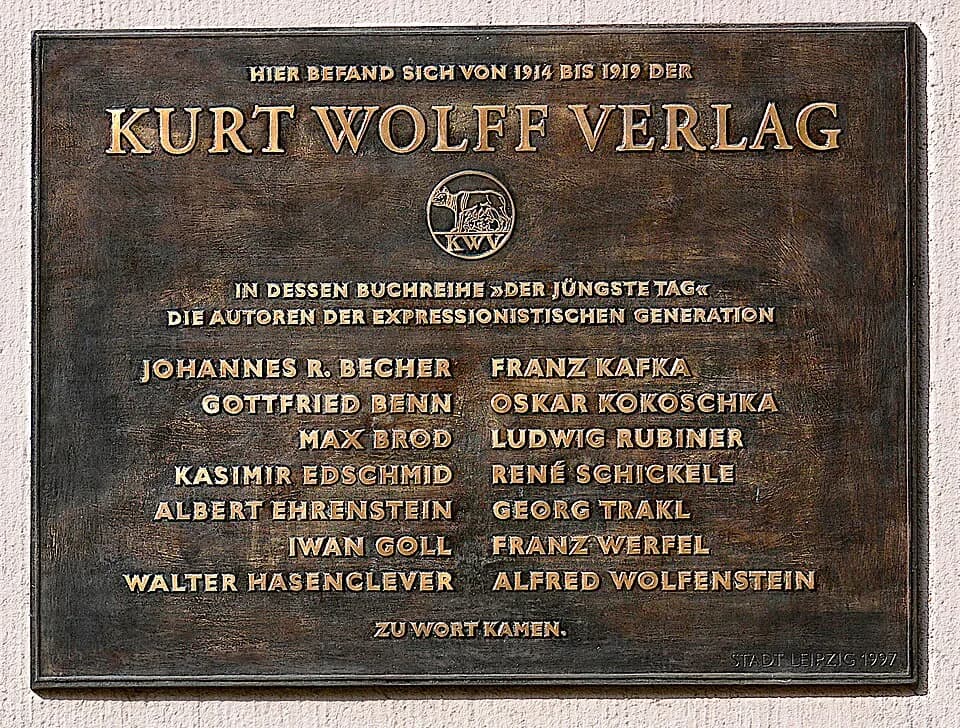
Max Brod is undeniably most widely recognized for his extraordinary and courageous act of preserving and tirelessly promoting the works of his close friend, Franz Kafka, bravely defying Kafka's explicit posthumous instructions to burn his invaluable manuscripts. This singular and resolute decision single-handedly rescued some of the 20th century's most significant and influential literary works from permanent oblivion, thereby solidifying Kafka's immortal legacy and profoundly transforming Brod into one of history's most pivotal and influential literary executors, ensuring masterpieces reached a global audience. Beyond his monumental and selfless efforts on behalf of Kafka, Brod further distinguished himself as a fervent and dedicated advocate for other significant artists, most notably the pioneering Czech composer Leoš Janáček, playing a truly crucial role in introducing Janáček's innovative operas and complex compositions to a much broader international audience, thereby significantly contributing to the composer's eventual worldwide recognition beyond his native land.
His unwavering commitment to artistic excellence and intellectual rigor extended considerably to his own prolific and diverse literary output, which encompassed acclaimed novels, incisive critical essays, and detailed biographies, collectively establishing him as a vitally important voice in German-language literature throughout the early to mid-20th century. Brod diligently cultivated enduring relationships with many prominent intellectual and artistic figures of his era, effectively acting as a central cultural nexus within Prague's vibrant intellectual circles, demonstrating a truly rare breadth of skill ranging from a gifted classical pianist to a nuanced lyricist. His extensive career highlights encompass not only his considerable creative achievements but also his profound and lasting influence as a dedicated mentor and unwavering supporter of other artists, consistently shaping the cultural discourse of his era through his diverse roles as a novelist, linguist, and discerning theatre critic.
Kapitola 4 · 1939· Kapitola 4 z 7
Personal Life
While specific intimate details regarding Max Brod's immediate family life are not extensively documented within the provided information, his profoundly significant personal narrative is intrinsically and inextricably linked to his deep and enduring friendship with the enigmatic Franz Kafka. Their intellectual and emotional bond was exceptionally close and reciprocal, characterized by regular and extensive correspondence, shared literary discussions that explored philosophical depths, and mutual personal and artistic support that profoundly influenced both men's individual artistic and personal paths throughout their lives. Brod's momentous and ideologically driven decision to emigrate from Prague to Tel Aviv, Israel, in 1939, just preceding the devastating outbreak of World War II, constituted a highly significant personal and ideological turning point, compelled by his strong Zionist convictions, thereby marking a dramatic and irreversible shift from the established European cultural center of his birth to the dynamically burgeoning cultural setting of the nascent State of Israel.
Kapitola 5· Kapitola 5 z 7
Notable Works or Contributions
Max Brod's literary career was remarkably prolific and exceptionally diverse, encompassing a wide and impressive array of genres ranging from compelling novels to scholarly biographies and engaging plays, showcasing his expansive creative range and intellectual depth. Among his particularly significant original works are the historical novels "Reubeni, Furst der Juden" and "Proceso," which vividly showcased his imaginative storytelling abilities and profound historical insight, alongside other notable fictional works such as "beinahe ein vorzugs schuler" and "Arnold Beer," further demonstrating his versatile skill as a novelist capable of meticulously exploring various complex themes and richly drawn characters. His profound contributions to literary scholarship and definitive biography are especially noteworthy, particularly his seminal and authoritative work, "Franz Kafka a biology," which remains an absolutely essential and indispensable resource for comprehensively understanding Kafka's complex life and profound artistic motivations, providing unparalleled insights into the legendary writer's world.
He meticulously and painstakingly edited and subsequently published the monumental "The Diaries of Franz Kafka 1914-1923" and "The diaries of Franz Kafka 1910-23," thereby providing the global literary world with unparalleled and intimate access to Kafka’s innermost thoughts, private reflections, and intricate creative process, an invaluable contribution to literary history. Additionally, his intriguing work "Die Erste Stunde Nach Dem Tode eine Gespenstergeschichte" further highlights his impressive versatility as a writer, venturing successfully into different narrative forms and thematic territories. As a talented composer, Brod made valuable, though perhaps less widely recognized, contributions to the musical world, while his exceptional talents as a translator enabled numerous important literary works to successfully cross linguistic barriers, and his efforts as a prolific playwright and lyricist significantly enriched the vibrant theatrical scene. The sheer breadth and profound depth of his contributions across multiple disciplines as an author, biographer, editor, and cultural advocate undeniably underscore his immense and lasting impact on 20th-century culture.
Kapitola 6 · 1939· Kapitola 6 z 7
Later Years
Following his significant emigration to Tel Aviv, Israel, in 1939, Max Brod seamlessly continued his distinguished and prolific career as an author, composer, and journalist, adeptly adapting his extensive body of work and critical perspective to a new and rapidly evolving cultural environment within the Middle East. His later years, extending until his peaceful passing on December 20, 1968, were consistently characterized by sustained and vigorous literary activity, including the continued publication of compelling new works and his active, dedicated engagement with the vibrant and dynamically developing Israeli cultural scene. He emerged as a profoundly prominent and respected figure in Israeli intellectual life, contributing significantly to its burgeoning literary and journalistic discourse, ultimately integrating his rich European heritage with his deeply held Zionist ideals and aspirations for the future.
Kapitola 7· Kapitola 7 z 7
Legacy and Impact
Max Brod's enduring legacy is profoundly significant and uniquely defined by his dual and equally important roles: as an accomplished and celebrated creator in his own right, contributing a substantial body of literary and musical works, and as the absolutely instrumental and unwavering preserver of Franz Kafka's irreplaceable literary heritage. His audacious and morally complex decision to publish Kafka's works against his dear friend's explicit dying wishes irrevocably reshaped the fundamental nature of 20th-century literature and literary criticism, permanently securing Kafka's eternal place in the global literary canon and consequently solidifying Brod's own reputation as a figure of immense historical and intellectual importance. Beyond his central role in the Kafka legacy, Brod's steadfast dedication to promoting other significant artists, such as the innovative composer Leoš Janáček, further exemplifies his lasting and profound influence as a discerning cultural advocate and influential tastemaker, consistently ensuring the flourishing and wider appreciation of artistic talent.
Max Brod’s enduring impact is also tangibly manifested in his own extensive and diverse literary and musical contributions, which collectively offer invaluable insights into the complex intellectual and cultural movements of his dynamic era, providing a unique window into the Central European and early Israeli intellectual thought. As a quintessential Bohemian-Israeli intellectual, his remarkable personal and professional journey from the cosmopolitan streets of Prague to the burgeoning city of Tel Aviv represents a broader and compelling narrative of cultural transition, intellectual migration, and the intricate formation of national and personal identity in the tumultuous 20th century. His profound influence continues to resonate powerfully through the numerous compelling works he authored, the exceptional artists he passionately championed and brought to wider attention, and, most importantly, the priceless literary treasures he diligently safeguarded for the enrichment and inspiration of future generations of readers and scholars.
Časté otázky
Často kladené otázky
Kdy zemřel(a) Max Brod?
Max Brod zemřel(a) 20. prosince 1968 v Tel Aviv, Israel ve věku 84 let.
Kde se narodil(a) Max Brod?
Max Brod se narodil(a) v Prague, Czech Republic dne 27. května 1884.
Čím je Max Brod nejznámější?
Max Brod je nejznámější díky Bohemian-Israeli author, composer, and journalist.
Kolik bylo Max Brod v době smrti?
Max Brod bylo v době smrti 84 let.
Jakou národnost měl(a) Max Brod?
Max Brod pocházel(a) z Czech Republic.
Časová osa
Život v kostce
- 1884
Early Life and Origins
- 1939
Personal Life
- 1939
Later Years
Fotogalerie
Život v obrazech
Klikněte na jakýkoli polaroid pro zvětšení · 23 fotografií
QR kód
Sdílet tento životopis
Tisk a sdílení
Naskenujte pro návštěvu této životopisné stránky. Vytiskněte pro akce, výstavy nebo vzdělávací materiály.