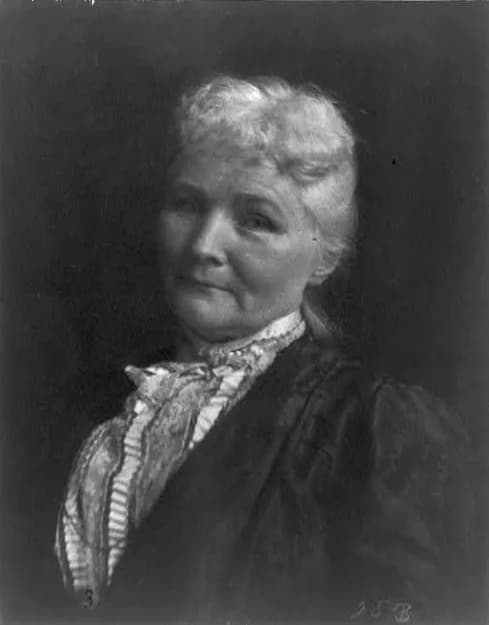
Narozen
May 1, 1830
Cork, Ireland
Zemřel
November 30, 1930
Silver Spring, United States
Známý díky
Irish-born American labor and community organizer
Mary Harris Jones (1830–1930) was Ireland best known for Irish-born American labor and community organizer.
Mary Harris Jones (May 1, 1830 – November 30, 1930) was an Irish-born American labor and community organizer. Known as "Mother Jones," she coordinated major strikes, helped secure bans on child labor, and co-founded the Industrial Workers of the World (IWW). Her relentless advocacy greatly influenced the American labor movement.
Život v okamžicích
Okamžiky, které utvářely život
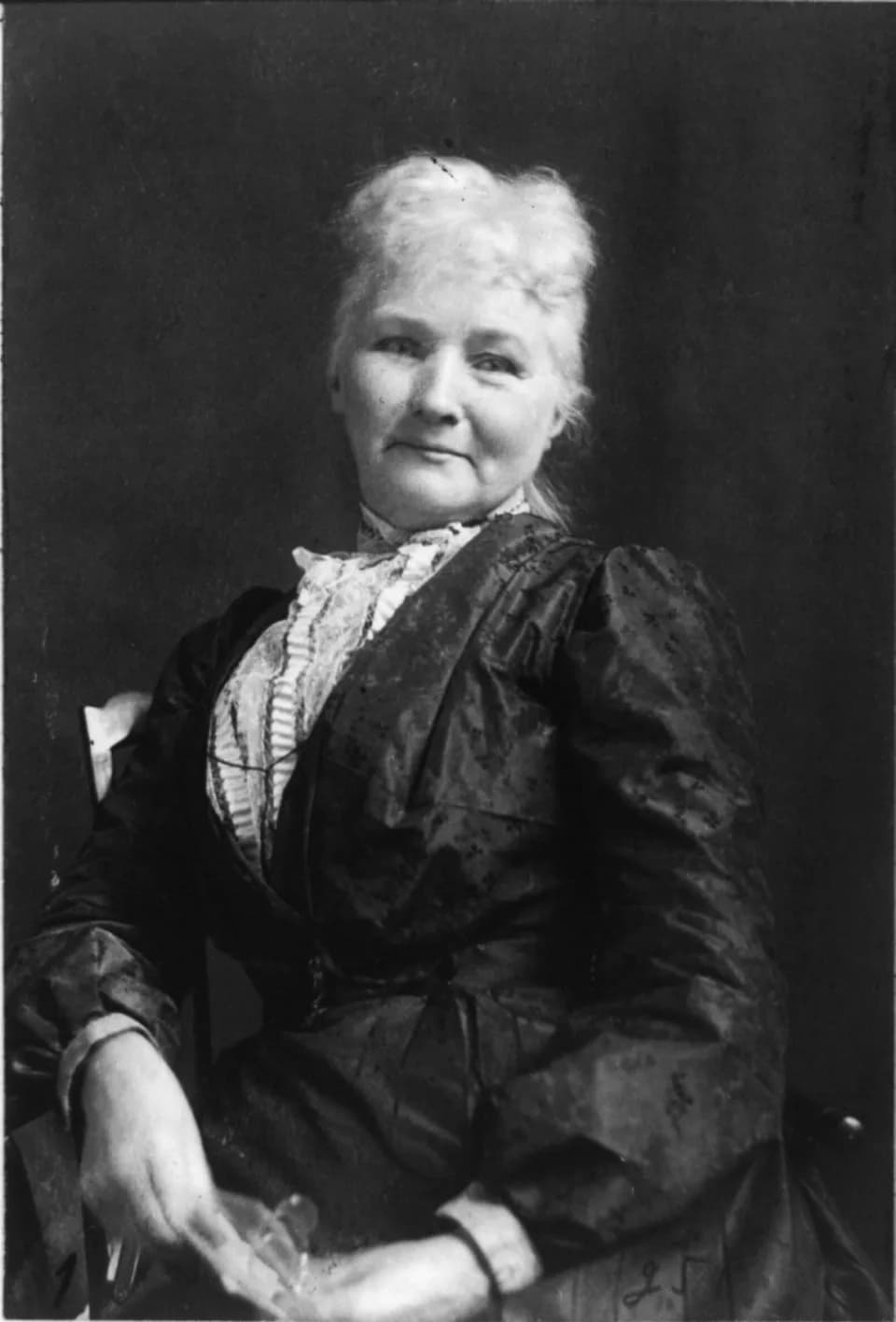
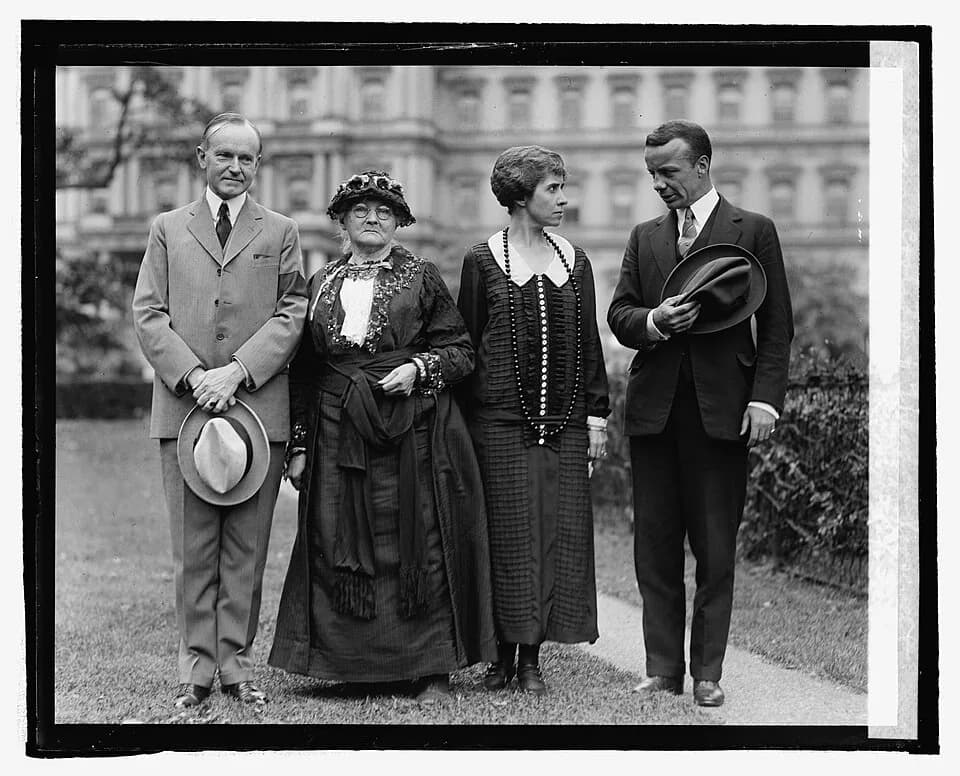
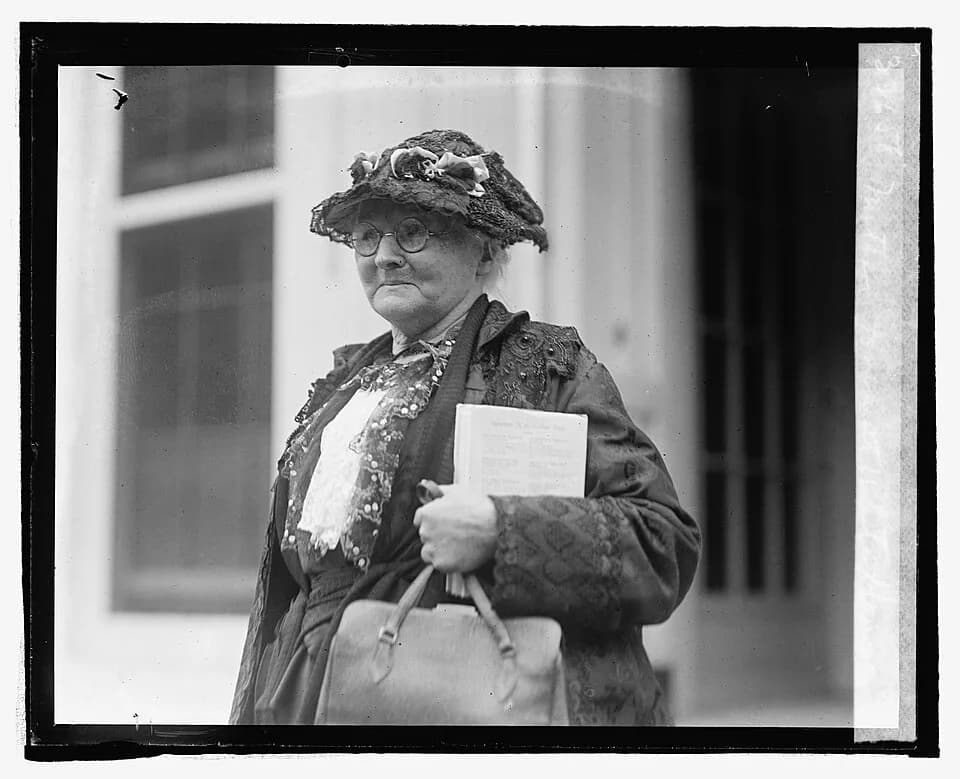
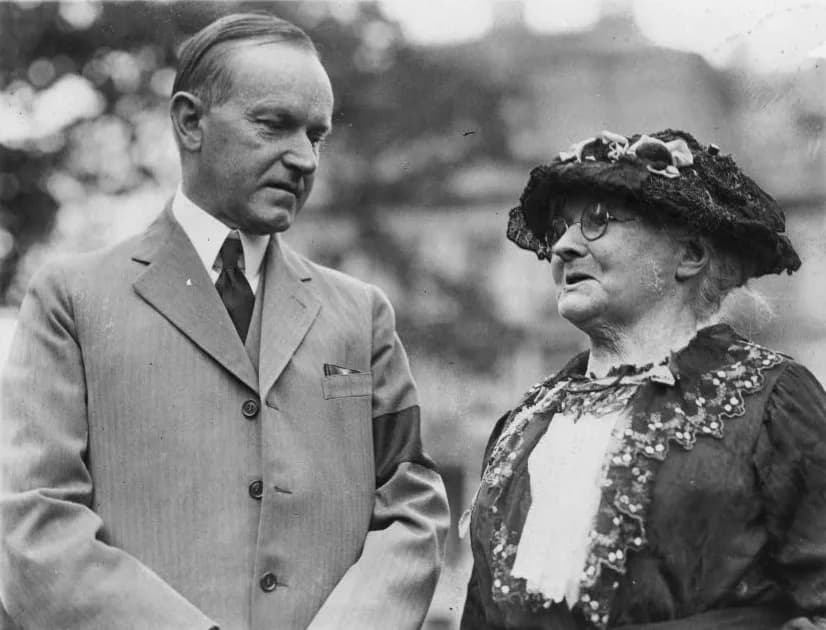
![Mary Harris Jones - Mother Jones, [at desk facing left].](/_next/image?url=https%3A%2F%2Fcdn.whowasthisguy.com%2Fgallery_wikimedia_commons_1784821032894_1_b93ee03913.webp&w=1920&q=75)
Kapitola
Životní kapitoly
Kapitola 1 · 1830· Kapitola 1 z 7
Early Life and Origins
Born on May 1, 1830, in Cork, Ireland, Mary Harris Jones experienced significant hardship and displacement from an early age, as her family immigrated to North America, likely fleeing the devastating conditions of the Great Famine. This profound experience of forced emigration and the struggles encountered by her family in their new home laid a crucial foundation for her lifelong empathy with the disadvantaged and her eventual commitment to social activism.
While specific details regarding her early education are not extensively documented, her later professional pursuits as a schoolteacher, writer, and human rights defender strongly indicate a keen intellect and a deep-seated commitment to learning and advocacy. Growing up amidst the challenges faced by working-class and immigrant communities, she observed firsthand the systemic injustices and economic pressures that would later become the focus of her relentless organizing efforts.
Kapitola 2· Kapitola 2 z 7
Career Beginnings
Before she adopted the iconic identity of "Mother Jones" and became a renowned labor organizer, Mary Harris Jones pursued more conventional professions, working diligently as a schoolteacher and later as a dressmaker. These early experiences provided her with intimate insights into the daily lives, economic vulnerabilities, and often harsh realities faced by ordinary families and workers, which would later prove invaluable in her advocacy work.
A series of devastating personal tragedies significantly reshaped her life's trajectory, ultimately propelling her toward radical public activism and a singular purpose. After tragically losing her husband and four young children to a yellow fever epidemic in 1867, followed by the destruction of her dressmaking business during the Great Chicago Fire of 1871, she redirected her immense sorrow and energy into the burgeoning labor movement, finding a new collective "family" among the struggling working class.
Kapitola 3 · 1897· Kapitola 3 z 7
Major Achievements and Career Highlights
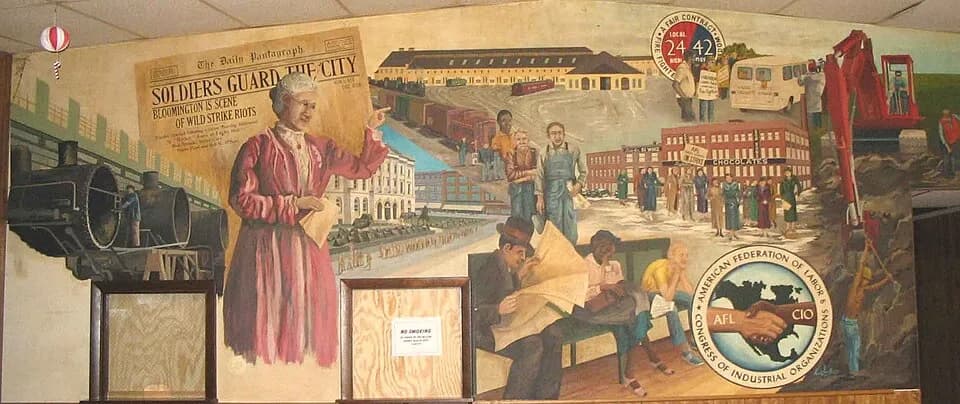
Adopting the affectionate and powerful moniker "Mother Jones" from 1897 onward, she quickly became a highly influential, respected, and feared figure in the American labor movement, traveling tirelessly across the country. She expertly coordinated major strikes in numerous industries, including the dangerous coal mines and exploitative textile mills, skillfully galvanizing thousands of disenfranchised workers to demand improved working conditions, fair wages, and essential human dignity.
A central and deeply personal focus of her activism was the relentless campaign against the pervasive and cruel practice of child labor, which was rampant in factories and mines during the late 19th and early 20th centuries. In a powerful demonstration of her commitment, she famously organized the "Children's Crusade" in 1903, leading a poignant march of young mill workers from Kensington, Pennsylvania, all the way to President Theodore Roosevelt's home in Oyster Bay, New York, effectively forcing national attention onto the severe exploitation of child laborers.
Mary Harris Jones also played a central and instrumental role as a co-founder of the Industrial Workers of the World (IWW) in 1905, often referred to as the "Wobblies," a radical international labor union established to unite all workers regardless of skill, gender, or race into one powerful "Big Union." Her deep involvement solidified her reputation as a leading and unwavering voice for revolutionary industrial unionism, and she frequently faced arrest and imprisonment for her courageous and relentless organizing efforts, embodying unwavering defiance against corporate power.
Kapitola 4· Kapitola 4 z 7
Personal Life
While explicit details about her immediate family life are not extensively provided after her profound personal losses, Mary Harris Jones effectively crafted a new identity and purpose, adopting a powerful maternal role for the countless workers she championed, becoming "Mother Jones." She extended a fierce, protective, and compassionate sense of care to the struggling working class, viewing them metaphorically as her own children, which earned her widespread adoration and respect.
Her life became entirely consumed by the demanding requirements of the labor movement, which involved constant travel, endless organizing, and frequent confrontation, leaving little space for a conventional domestic existence. She chose a path of singular dedication to social justice, finding her deepest fulfillment and a profound sense of belonging within the collective struggles and solidarity of the workers she tirelessly served.
Kapitola 5 · 1925· Kapitola 5 z 7
Notable Works or Contributions
Beyond her direct, confrontational organizing and her celebrated, fiery speeches that stirred countless workers to action, Mary Harris Jones left a significant literary legacy with her "Autobiography of Mother Jones," published in 1925. This invaluable work provides a firsthand, powerful, and deeply personal narrative of her extraordinary life and the numerous momentous labor struggles she personally led and witnessed throughout her extensive and impactful career.
The autobiography serves not merely as a personal memoir but also as an indispensable historical document, offering unparalleled insights into the strategies of early 20th-century labor organizing, her deeply held philosophy regarding workers' fundamental rights, and the immense sacrifices made by ordinary individuals in their relentless pursuit of dignity and equitable treatment. Through her compelling written account, she continues to inspire subsequent generations of activists and advocates for human and labor rights across the globe, ensuring her experiences and lessons are preserved.
Kapitola 6· Kapitola 6 z 7
Later Years
Notably, Mary Harris Jones maintained an intensely active and resolute presence within the labor movement well into her nineties, demonstrating extraordinary physical and mental resilience and an unwavering, lifelong dedication to her cause. She continued to travel, deliver powerful, inspiring speeches, and lend her invaluable support to various worker campaigns, often defying expectations for someone of her advanced age, maintaining her fiery spirit.
She passed away peacefully on November 30, 1930, in Silver Spring, United States, just six months after celebrating her 100th birthday, marking the conclusion of a century-long life intimately intertwined with America's industrial and social evolution. Her century-long journey witnessed the dramatic transformation of American industry and society, and she remained a constant, defiant, and compelling voice for change, revered as a moral authority in her final years.
Kapitola 7· Kapitola 7 z 7
Legacy and Impact
The enduring legacy of Mary Harris Jones stands as a powerful demonstration of the significant impact of unwavering courage, relentless advocacy, and profound commitment to social justice. She is rightfully remembered and celebrated as a pioneering human rights defender, a fearless union organizer, and a dedicated community organizer whose unwavering efforts profoundly shaped the environment of American labor relations and worker protections.
Her tireless, decades-long campaigns against the barbarity of child labor and her instrumental role in co-founding the Industrial Workers of the World powerfully emphasize her deep commitment to fundamental worker dignity, collective solidarity, and economic justice. "Mother Jones" remains an iconic and inspirational figure, embodying the spirit of resistance against exploitation and the perpetual fight for equitable treatment and human rights across the globe, inspiring new generations to challenge injustice.
Časté otázky
Často kladené otázky
Kdy zemřel(a) Mary Harris Jones?
Mary Harris Jones zemřel(a) 30. listopadu 1930 v Silver Spring, United States ve věku 100 let.
Kde se narodil(a) Mary Harris Jones?
Mary Harris Jones se narodil(a) v Cork, Ireland dne 1. května 1830.
Čím je Mary Harris Jones nejznámější?
Mary Harris Jones je nejznámější díky Irish-born American labor and community organizer.
Kolik bylo Mary Harris Jones v době smrti?
Mary Harris Jones bylo v době smrti 100 let.
Jakou národnost měl(a) Mary Harris Jones?
Mary Harris Jones pocházel(a) z Ireland.
Časová osa
Život v kostce
Fotogalerie
Život v obrazech
Klikněte na jakýkoli polaroid pro zvětšení · 22 fotografií
QR kód
Sdílet tento životopis
Tisk a sdílení
Naskenujte pro návštěvu této životopisné stránky. Vytiskněte pro akce, výstavy nebo vzdělávací materiály.