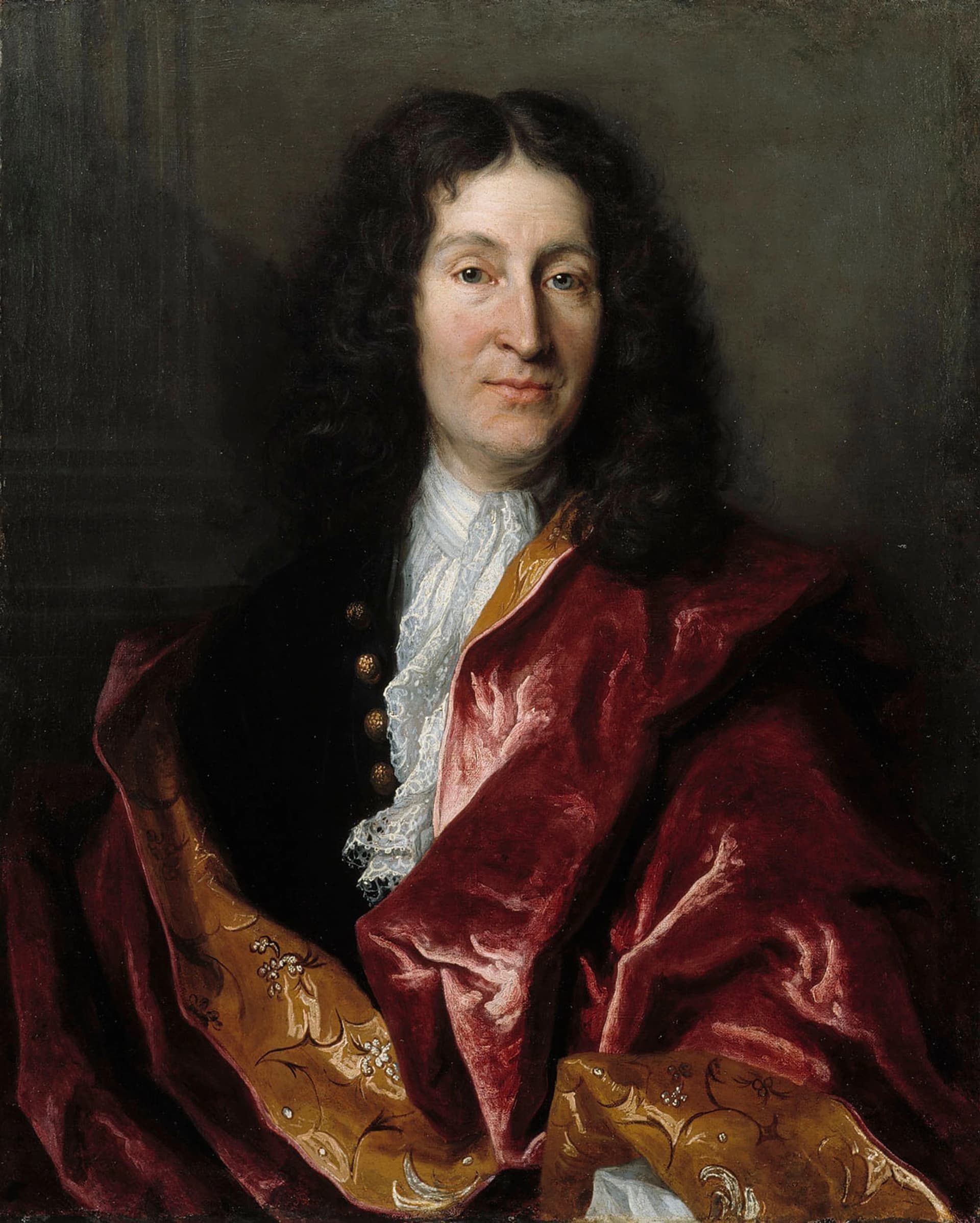
Narozen
July 8, 1621
Château-Thierry, France
Zemřel
April 13, 1695
Paris, France
Známý díky
French poet, fabulist and writer
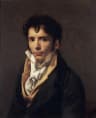
Jean de La Fontaine (1621–1695) was France best known for French poet, fabulist and writer.
Jean de La Fontaine (July 8, 1621 – April 13, 1695) was a French fabulist and poet from Château-Thierry. He is renowned for his Fables, which set a literary standard across Europe and inspired countless adaptations. His timeless narratives continue to shape literary traditions.
Kapitola
Životní kapitoly
Kapitola 1 · 1621· Kapitola 1 z 6
Early Life and Origins
Jean de La Fontaine first drew breath on July 8, 1621, in the picturesque town of Château-Thierry, located in France. This tranquil setting provided the early backdrop for a mind that would later explore the complexities of human nature through allegorical storytelling. Growing up in 17th-century France meant being part of a nation with a vibrant intellectual atmosphere, poised on the cusp of significant artistic and philosophical developments, which undoubtedly influenced his perceptive insights. His formative years in Château-Thierry instilled a deep connection to the natural world and the rhythms of provincial life, elements that frequently emerge in the vivid imagery and characterizations found within his extensive literary works. These foundational experiences laid the groundwork for his future as a keen observer and masterful storyteller.
Kapitola 2· Kapitola 2 z 6
Career Beginnings
Jean de La Fontaine pursued a diverse array of professions throughout his distinguished career, reflecting the breadth of his intellectual curiosity and creative talent. He was known to have practiced as a lawyer, a profession that would have honed his analytical skills and understanding of societal structures, which he later subtly incorporated into his moralistic tales. Beyond legal pursuits, he dedicated himself to the demanding craft of writing, embracing roles as a poet and a playwright, contributing to the rich theatrical and poetic traditions of his era. This period of artistic exploration allowed him to experiment with various literary forms, preparing him for the unique style that would define his most celebrated works.
Transitioning into the specialized field of a fabulist, Jean de La Fontaine found his true calling, developing a distinct voice that captivated audiences of all ages, including children. His early efforts in storytelling and verse composition helped refine his unique approach to narrative, blending wit, observation, and moral instruction. The foundation of his literary career, built upon these varied professional experiences, provided him with a comprehensive understanding of language and human psychology, essential tools for a writer whose work would ultimately transcend national borders. His dedication to these diverse literary roles solidified his presence in the French literary scene, setting the stage for his lasting impact.
Kapitola 3· Kapitola 3 z 6
Major Achievements and Career Highlights
Among Jean de La Fontaine's most significant achievements is his unparalleled contribution to the genre of the fable, a body of work that established him as one of the most widely read French poets of the 17th century. His Fables, characterized by their elegant verse and pointed moral lessons, swiftly became a literary benchmark, providing an influential model for subsequent fabulists across Europe. This wide acclaim underscored his exceptional ability to craft narratives that were both entertaining and deeply reflective of universal human experiences, ensuring his stories resonated broadly across different cultures and intellectual traditions. The pervasive influence of his Fables demonstrated a remarkable literary success that few of his contemporaries could match.
The widespread popularity of Jean de La Fontaine's work extended beyond mere admiration, inspiring numerous alternative versions in France itself, as well as in various French regional languages. This extensive adaptation and reinterpretation of his Fables stands as a powerful testament to their cultural significance and their adaptability across diverse linguistic and local contexts. The sheer volume of these inspired works highlights his enduring literary appeal and the profound impact his unique storytelling style had on the collective imagination. His creations became a shared cultural heritage, continually reinterpreted and celebrated through generations.
Kapitola 4· Kapitola 4 z 6
Notable Works or Contributions
Jean de La Fontaine’s bibliography showcases a breadth of literary endeavors, with his Fables standing as the undisputed centerpiece of his artistic output. Among these, Le premier livre des Fables de la Fontaine represents a foundational collection, introducing the world to the distinctive style and moral compass that would define his most celebrated literary efforts. These initial fables immediately distinguished him as a master storyteller, transforming ancient literary traditions into vibrant, contemporary works. His capacity to infuse these tales with both timeless wisdom and a fresh, accessible narrative voice was instantly recognized and lauded by his contemporaries.
Beyond his renowned Fables, Jean de La Fontaine explored various other literary forms, demonstrating his versatile genius. His Discours à Madame de la Sablière (sur l'âme des animaux) exemplifies his engagement with philosophical discourse, delving into complex questions regarding animal consciousness and the nature of the soul. This work revealed his intellectual depth and his willingness to tackle profound subjects outside the realm of simple allegories. Furthermore, works such as La clochette and La folie et l'amour showcase his skill in crafting narratives with different thematic focuses, expanding his artistic reach beyond solely animal fables.
His influence permeated various literary circles, with works like Novvelles en vers tirée de Bocace et de l'Arioste illustrating his engagement with classical and Renaissance sources, adapting them with his unique poetic sensibility. This practice of drawing from established literary traditions while injecting his distinct voice underscored his place within a larger continuum of European literature. Additionally, the existence of titles such as Fables en vers provençaux highlights his contribution to regional linguistic traditions within France, demonstrating the profound cultural integration and localized adaptation of his universal themes. These variations underscore the organic growth of his literary legacy.
The enduring appeal of Jean de La Fontaine's work is further evidenced by its inclusion in significant international anthologies, such as Prentice Hall Literature--World Masterpieces, cementing his global literary standing. This inclusion signifies his recognition as an essential voice in the global literary canon, studied and appreciated by students and scholars across continents. Furthermore, the presence of translated works like רוח הצפון והשמש and עוד משלי לה־פונטין in languages such as Hebrew illustrates the widespread international reach and continued relevance of his fables. These translations ensure his stories continue to enlighten and entertain new generations in diverse linguistic contexts.
Kapitola 5 · 1695· Kapitola 5 z 6
Later Years
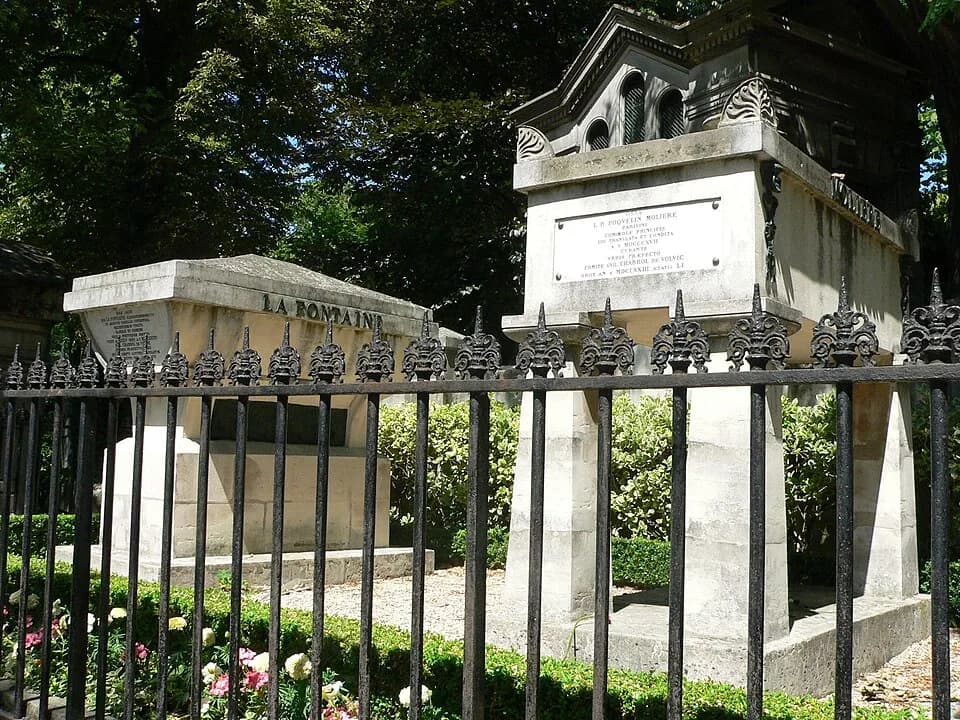
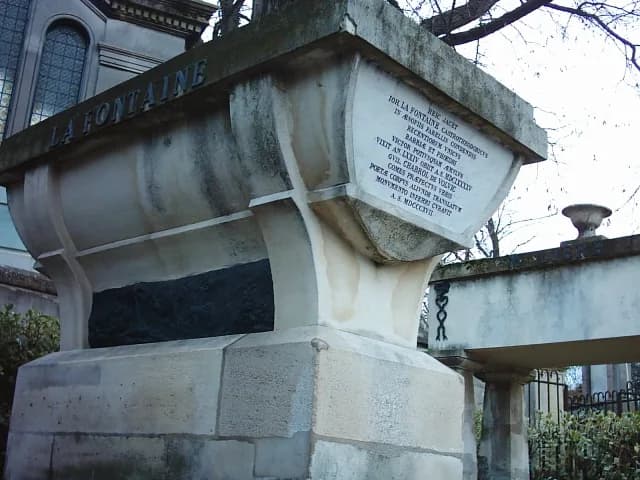
Jean de La Fontaine spent his final years in the vibrant cultural hub of Paris, France, where he ultimately passed away on April 13, 1695. His presence in the capital city throughout his later life indicates his continued engagement with the intellectual and artistic currents of his time. Paris, a nexus of literary activity, provided a fitting setting for a writer of his stature to spend his culminating period. Here, surrounded by fellow artists and thinkers, he solidified his reputation as an indispensable figure in French letters, his influence continuing to grow.
At the time of his passing, Jean de La Fontaine left behind a colossal body of work that had already begun to shape the literary landscape of France and beyond. His final contributions and continued presence in the Parisian literary scene ensured that his work remained at the forefront of contemporary discourse. The legacy he crafted during his lifetime, culminating in these later years, would only continue to expand and deepen in the centuries that followed his death, confirming his lasting prominence as a master fabulist and poet.
Kapitola 6· Kapitola 6 z 6
Legacy and Impact
Jean de La Fontaine’s enduring legacy is overwhelmingly defined by his Fables, which served not merely as popular tales but as a structural blueprint for succeeding fabulists throughout Europe. His masterful approach to the genre established a high literary standard, demonstrating how moral allegories could be crafted with both elegance and profound insight. This influential model ensured that his style and thematic concerns were studied, imitated, and reinterpreted by countless writers, firmly embedding his work within the broader European literary tradition. His impact transformed the fable from a simple teaching tool into a sophisticated art form.
As one of the most widely read French poets of the 17th century, Jean de La Fontaine's influence extends far beyond the confines of his specific genre, shaping the broader trajectory of French literature. His innovative use of language, his keen observation of human nature, and his timeless moralizing continue to feature prominently in educational curricula and cultural discussions worldwide. The narratives he crafted remain beloved not only in their original French but also through their numerous adaptations and translations, ensuring that Jean de La Fontaine's voice resonates with new audiences across generations and geographical boundaries. His contributions are a permanent fixture in the literary heritage of France and the world.
Život v okamžicích
Okamžiky, které utvářely život

Časté otázky
Často kladené otázky
Kdy zemřel(a) Jean de La Fontaine?
Jean de La Fontaine zemřel(a) 13. dubna 1695 v Paris, France ve věku 73 let.
Kde se narodil(a) Jean de La Fontaine?
Jean de La Fontaine se narodil(a) v Château-Thierry, France dne 8. července 1621.
Čím je Jean de La Fontaine nejznámější?
Jean de La Fontaine je nejznámější díky French poet, fabulist and writer.
Kolik bylo Jean de La Fontaine v době smrti?
Jean de La Fontaine bylo v době smrti 73 let.
Jakou národnost měl(a) Jean de La Fontaine?
Jean de La Fontaine pocházel(a) z France.
Časová osa
Život v kostce
Fotogalerie
Život v obrazech
Klikněte na jakýkoli polaroid pro zvětšení · 49 fotografií
QR kód
Sdílet tento životopis
Tisk a sdílení
Naskenujte pro návštěvu této životopisné stránky. Vytiskněte pro akce, výstavy nebo vzdělávací materiály.