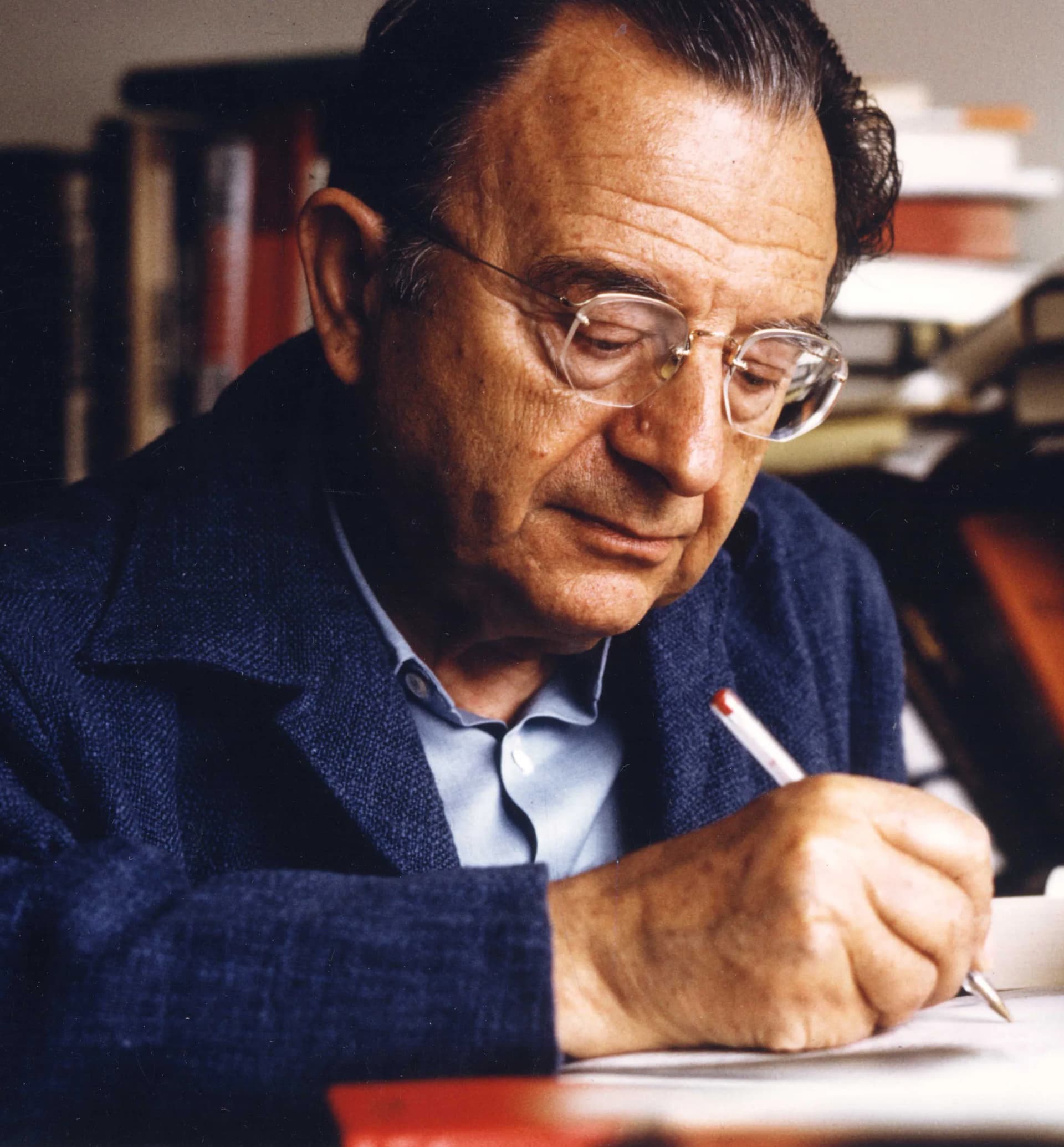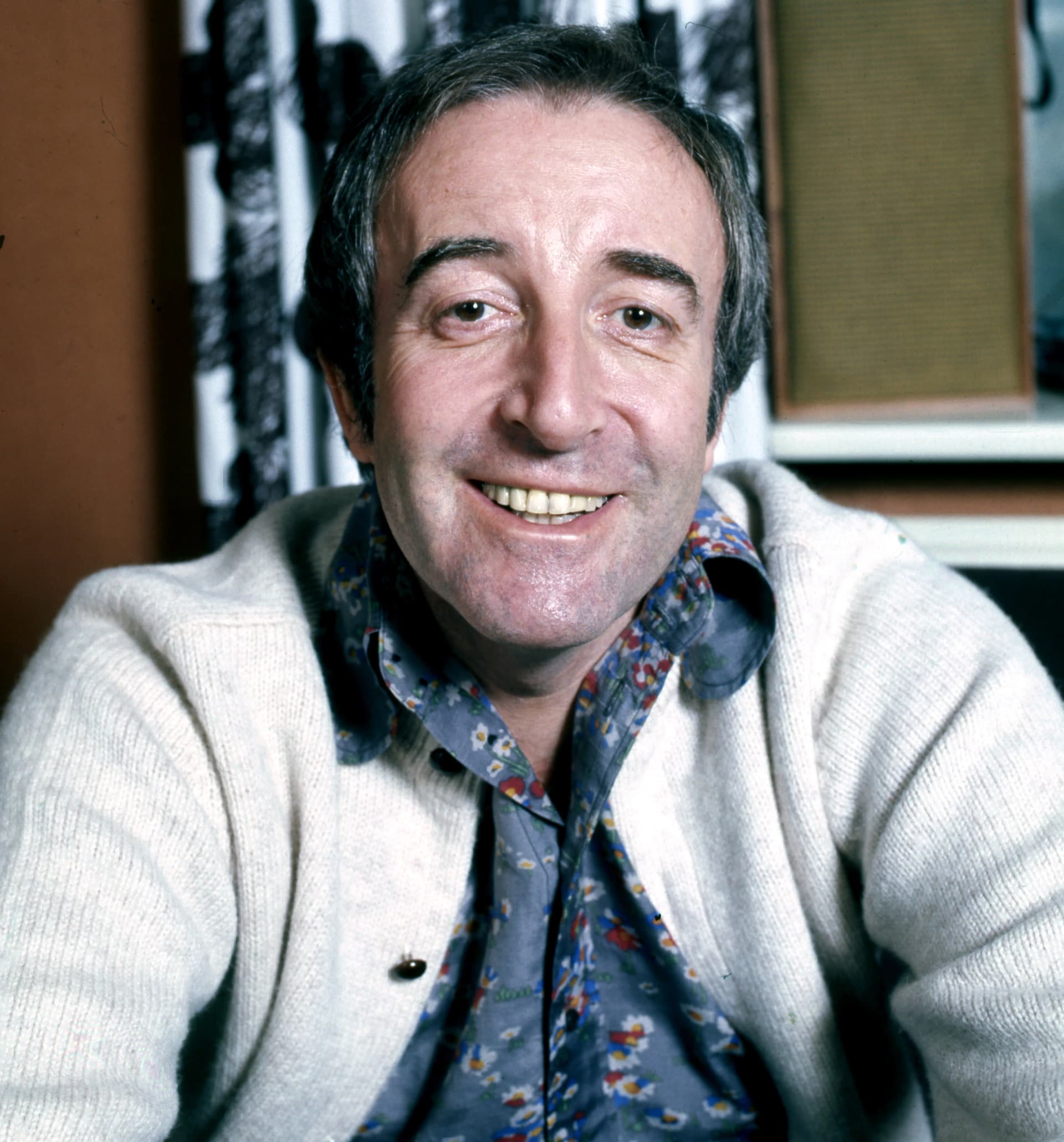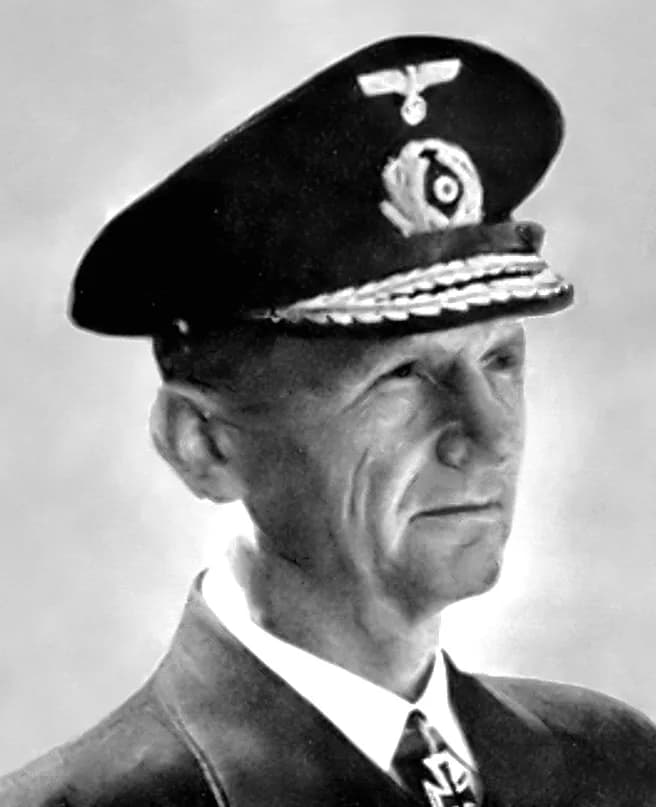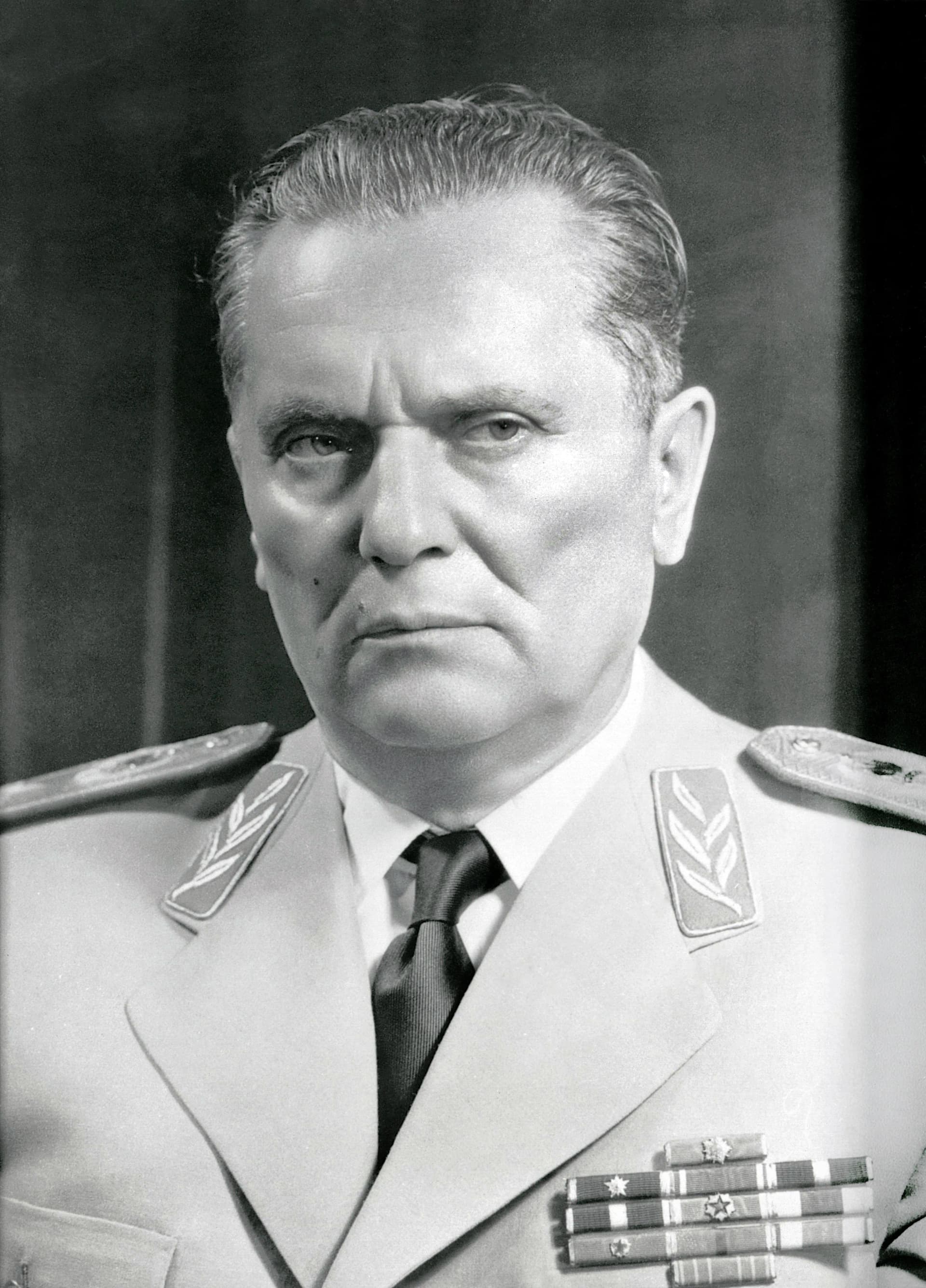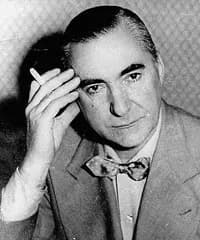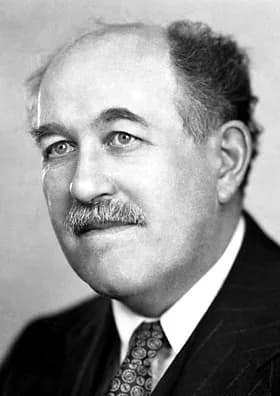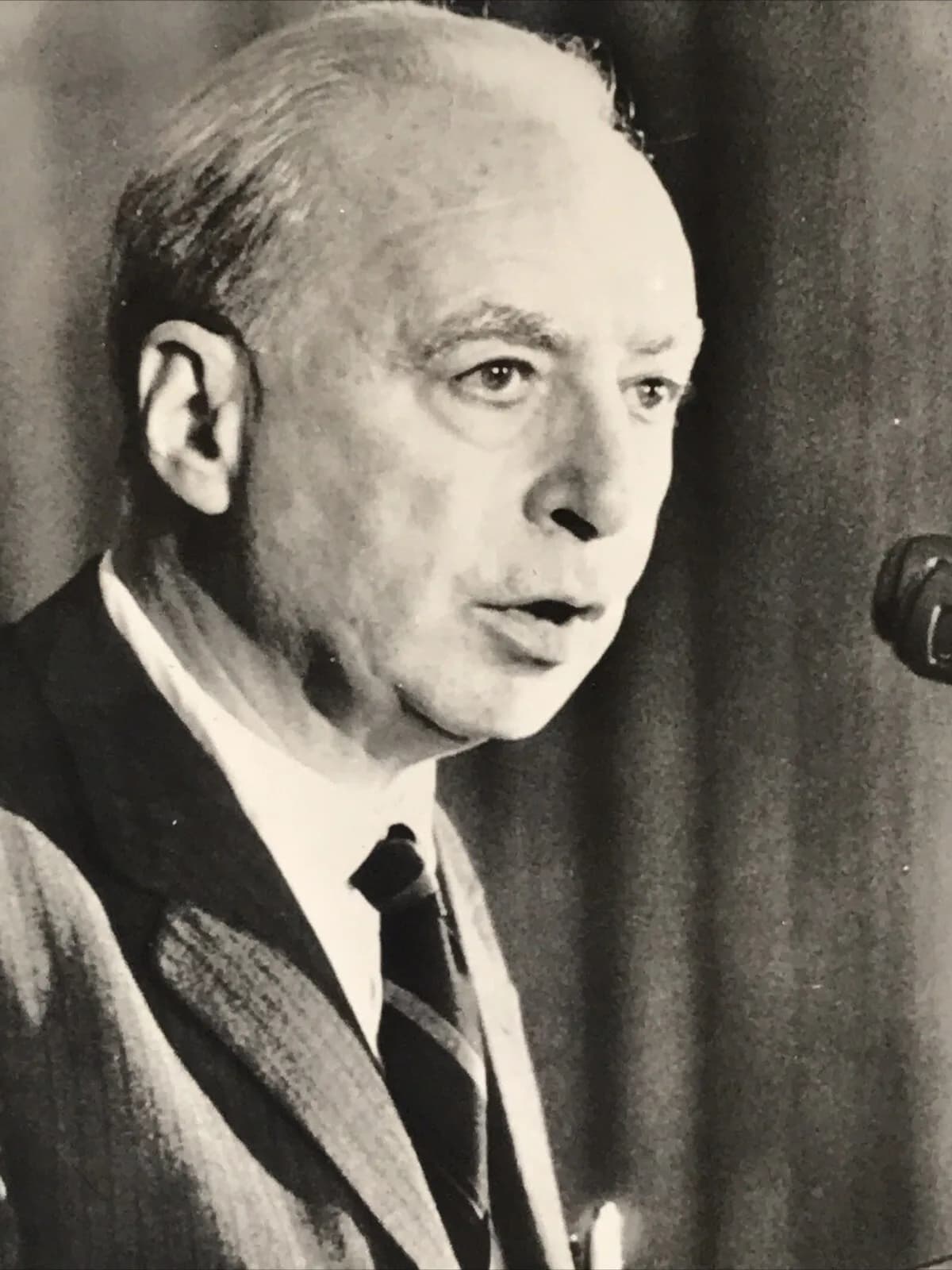
Narozen
February 17, 1904
Coburg, Germany
Zemřel
July 19, 1980
New York City, United States
Známý díky
American political scientist
Hans Morgenthau (1904–1980) was Germany best known for American political scientist.
Hans Morgenthau (February 17, 1904 – July 19, 1980) was an American political scientist and German-American jurist. He was a major figure in 20th-century international relations, known for his realism theory and the influential textbook Politics Among Nations. His work shaped the study of international law and power dynamics.
Život v okamžicích
Okamžiky, které utvářely život
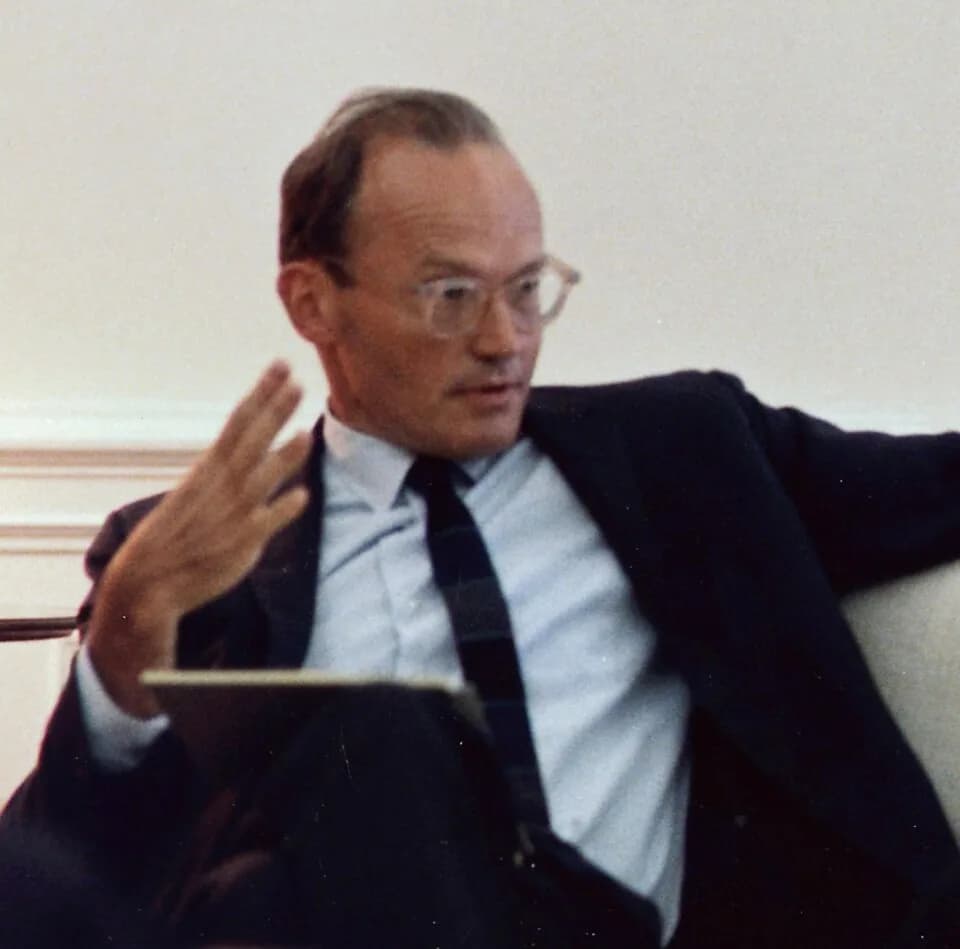
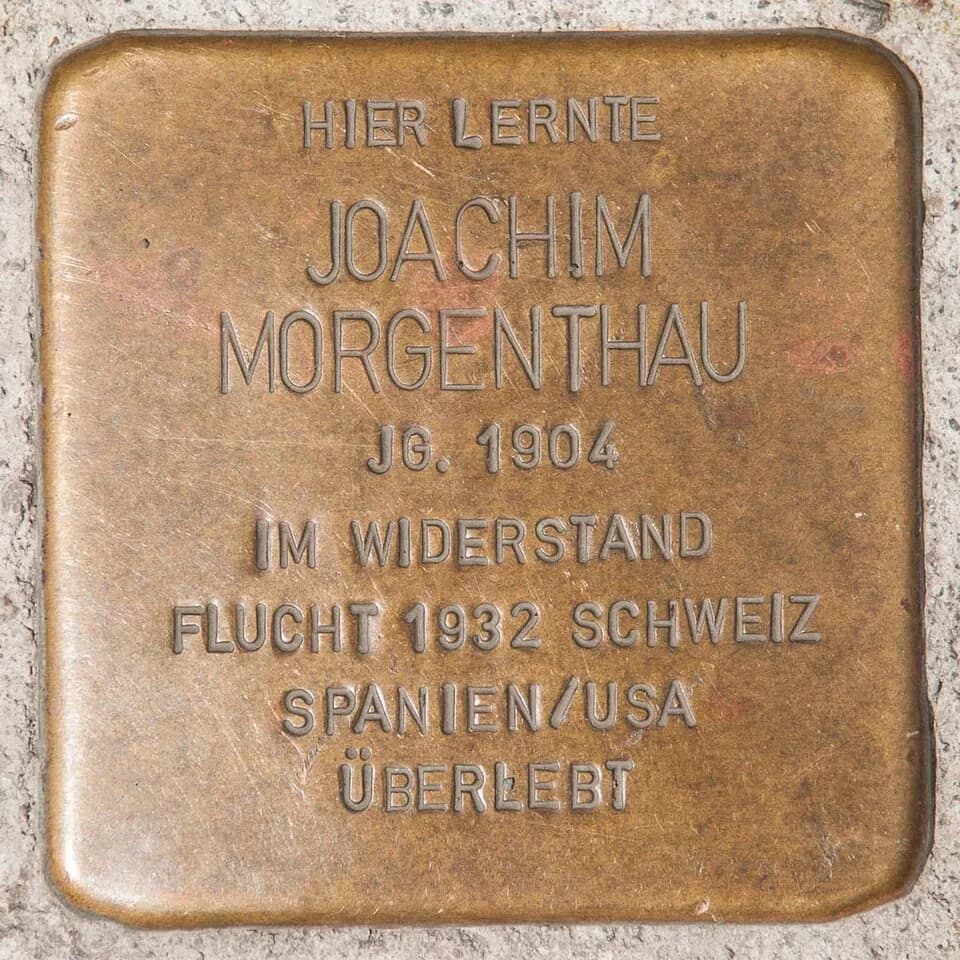
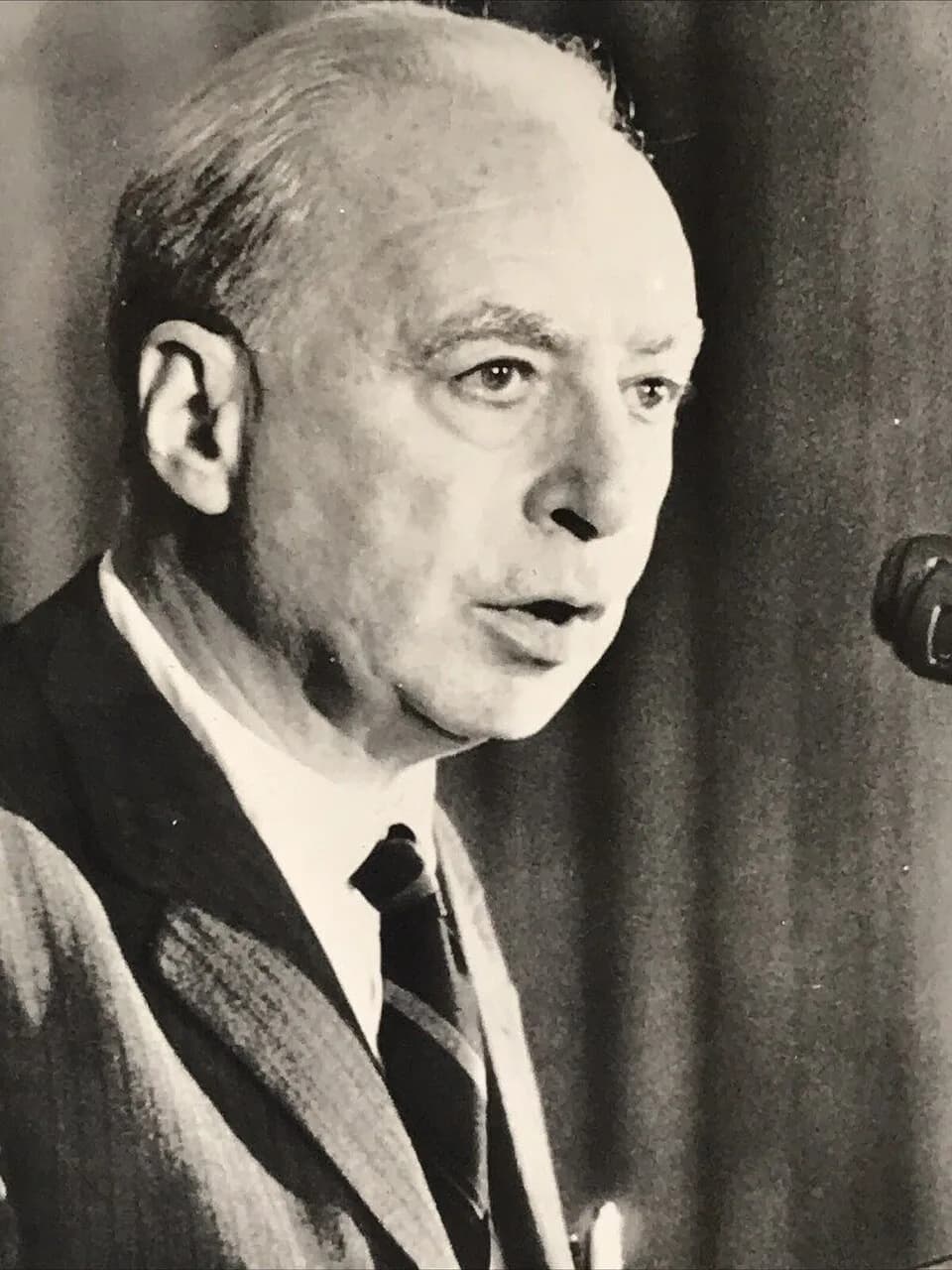



Kapitola
Životní kapitoly
Kapitola 1· Kapitola 1 z 7
Early Life and Origins
Hans Morgenthau began his life in Coburg, Germany. Born into a changing world, his early years were spent in an environment that would later inform his astute observations of international politics. While specific details of his upbringing are not extensively documented, his German roots and subsequent immigration profoundly influenced his academic perspectives.
Kapitola 2· Kapitola 2 z 7
Career Beginnings
Morgenthau began a distinguished career, initially trained as a jurist. This background provided a strong foundation for his later specialization in international law and political science. He cultivated his intellectual talents as a writer, judge, and university teacher, professions that allowed him to refine his analytical skills and contribute to public discourse from a young age.
Kapitola 3· Kapitola 3 z 7
Major Achievements and Career Highlights
Morgenthau made landmark contributions to the fields of international relations theory and international law. He is widely considered among the most influential realists of the post-World War II period, a time when understanding global power struggles was paramount. His work helped define the tradition of realism in international relations, providing a framework for analyzing the behavior of states.
His most celebrated achievement is undoubtedly Politics Among Nations, first published in 1948. This seminal textbook became a standard in U.S. universities, undergoing five editions during his lifetime, demonstrating its enduring relevance and widespread adoption. Through this work, Morgenthau emphasized the centrality of power and "the national interest" in global affairs, while also exploring how these forces are constrained by ethical and legal norms.
Kapitola 4· Kapitola 4 z 7
Personal Life
Details regarding Hans Morgenthau's personal life, beyond his professional achievements, are not provided in the available information. His dedication appears to have been predominantly focused on his academic pursuits and the development of his influential theories within international relations.
Kapitola 5· Kapitola 5 z 7
Notable Works or Contributions
Hans Morgenthau authored numerous influential books and articles that cemented his position as a leading political theorist. His work, Politics Among Nations, is a foundational text for anyone studying international relations. Its subtitle, "the struggle for power and peace," captures the essence of his balanced perspective on statecraft.
Other significant works include Truth and Tragedy, Principles & Problems of International Politics, and The Concept of the Political. He also wrote on contemporary issues, as seen in The Impasse of American Foreign Policy. His extensive bibliography reflects a deep engagement with political philosophy and foreign policy, making lasting contributions to academic discourse.
His academic publications are robust, with an h-index of 30 across 195 papers. Some highly cited works, published posthumously as collections of his writings, include Truth and Power (2020, 324 citations), The Primacy of the National Interest (2016, 32 citations), and The Fallacy of Thinking Conventionally about Nuclear Weapons (2018, 9 citations). These demonstrate his continuous influence and the lasting relevance of his ideas.
Kapitola 6 · 1980· Kapitola 6 z 7
Later Years
Morgenthau's influence continued throughout his later years, with Politics Among Nations seeing multiple revised editions during his lifetime. He remained an active voice in political science, contributing to debates on international relations until his passing. He died in New York City, United States, on July 19, 1980, leaving behind a significant intellectual legacy.
Kapitola 7· Kapitola 7 z 7
Legacy and Impact
The intellectual legacy of Hans Morgenthau is immense and enduring. He redefined the study of international relations, providing a rigorous framework for understanding the pursuit of power among nations. His realism tradition continues to be a dominant paradigm, offering critical tools for analyzing global events and foreign policy decisions.
Morgenthau's emphasis on national interest and power, coupled with his recognition of ethical and legal limitations, provided a comprehensive lens through which to view international affairs. His work remains essential for students and scholars alike, ensuring his ideas continue to shape discussions on war, peace, and diplomacy in the contemporary world.
Časté otázky
Často kladené otázky
Kdy zemřel(a) Hans Morgenthau?
Hans Morgenthau zemřel(a) 19. července 1980 v New York City, United States ve věku 76 let.
Kde se narodil(a) Hans Morgenthau?
Hans Morgenthau se narodil(a) v Coburg, Germany dne 17. února 1904.
Čím je Hans Morgenthau nejznámější?
Hans Morgenthau je nejznámější díky American political scientist.
Kolik bylo Hans Morgenthau v době smrti?
Hans Morgenthau bylo v době smrti 76 let.
Jakou národnost měl(a) Hans Morgenthau?
Hans Morgenthau pocházel(a) z Germany.
Časová osa
Život v kostce
- 1980
Later Years
Fotogalerie
Život v obrazech
Klikněte na jakýkoli polaroid pro zvětšení · 15 fotografií
QR kód
Sdílet tento životopis
Tisk a sdílení
Naskenujte pro návštěvu této životopisné stránky. Vytiskněte pro akce, výstavy nebo vzdělávací materiály.