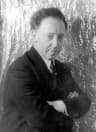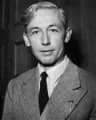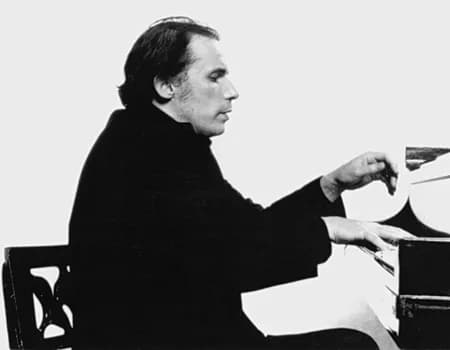
Narozen
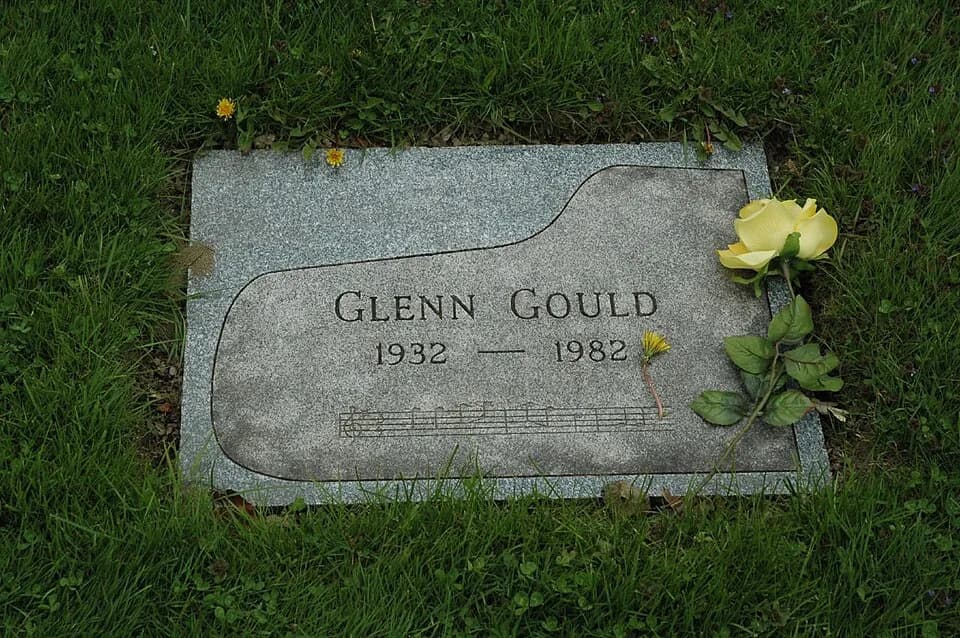
September 25, 1932
Toronto, Canada
Zemřel
October 4, 1982
Toronto, Canada
Známý díky
Canadian composer and pianist
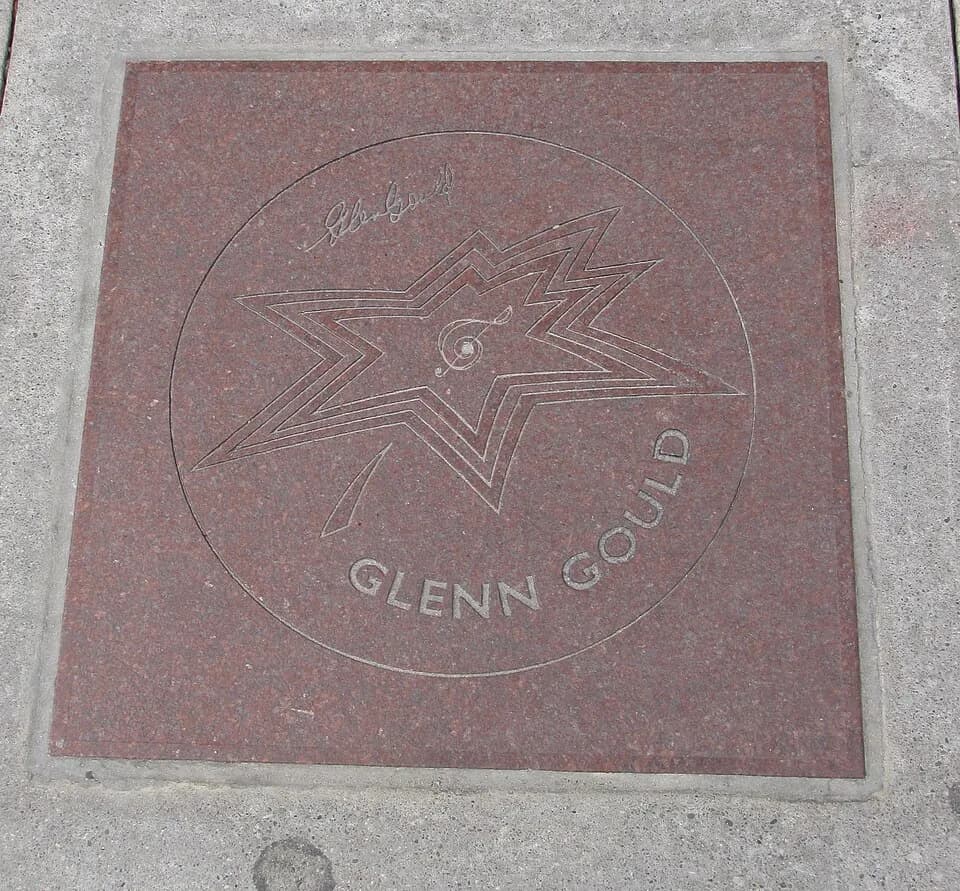
Glenn Gould (1932–1982) was Canada best known for Canadian composer and pianist.
Glenn Gould (September 25, 1932 – October 4, 1982) was a Canadian composer and pianist renowned for his interpretations of Bach. Regarded as one of the greatest pianists of the 20th century, his playing was marked by remarkable technical proficiency. Gould's extensive discography and unique artistic vision left a lasting impact on classical music.
Kapitola
Životní kapitoly
Kapitola 1 · 1932· Kapitola 1 z 6
Early Life and Origins
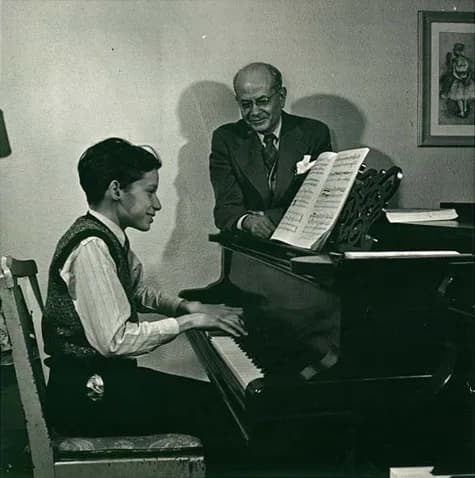
Glenn Herbert Gould was born in Toronto, Canada, on September 25, 1932, the city where he would also spend his final years. His upbringing in this vibrant Canadian city provided the initial environment for his prodigious musical development. This early life in Toronto laid the crucial foundation for his extraordinary musical journey and his later academic pursuits in music theory and performance.
Kapitola 2· Kapitola 2 z 6
Career Beginnings
Gould embarked on his professional journey as a pianist, very quickly gaining significant recognition for his distinctive style and formidable technique. His early public performances demonstrated a remarkable technical proficiency and intellectual depth that would define his interpretations throughout his career. From the outset, he rapidly established himself as a uniquely compelling and important voice in the world of classical music.
Kapitola 3 · 1956· Kapitola 3 z 6
Major Achievements and Career Highlights
Gould achieved widespread fame as an interpreter of Johann Sebastian Bach's keyboard works, with his seminal 1956 recording of "The Goldberg Variations" becoming a landmark achievement critically acclaimed for its fresh perspective. This iconic album solidified his status as a leading figure in classical music performance, showcasing his innovative approach to baroque compositions. Gould's playing was consistently distinguished by his extraordinary technical skill and a profound capacity to articulate the complex contrapuntal texture inherent in Bach’s music.
Throughout his illustrious career, he released numerous other notable recordings that further cemented his revered reputation. These included precise interpretations of Bach's "Partita no. 5 in G major" and "Partita no. 6 in E minor" in 1957, continuously demonstrating his profound dedication to the baroque master's oeuvre. He also extensively explored works by other eminent composers, such as Haydn's "Piano Sonata in E-flat major, Hob. XVI: 49" and Mozart's "Piano Sonata no. 10 in C major, K 330," both featured in his significant 1958 album. Gould’s contributions also extended beyond performance into composition, notably with his "String Quartet, op. 1" which was released in 1960.
His comprehensive discography also featured significant works by Ludwig van Beethoven, including a powerful rendition of "Piano Concerto no. 1 in C major, op. 15" recorded in 1958, alongside Bach's "Keyboard Concerto no. 5 in F minor." Gould's singular ability to bring clarity and intellectual rigor to the complexities of these pieces made his performances truly distinctive and highly influential among his peers and audiences globally. He was widely regarded as one of the greatest pianists of the 20th century, a testament to his consistent artistic quality, innovative interpretive approach, and profound musical intellect.
Kapitola 4 · 1956· Kapitola 4 z 6
Notable Works or Contributions
Among his most celebrated recordings, "The Goldberg Variations" from 1956 stands out as an iconic and groundbreaking interpretation that dramatically redefined the piece. This album profoundly showcased his distinct and often unconventional approach to Bach's intricate compositions. He later revisited this monumental work, releasing "Bach:Goldberg Variations Vol 2," which offered a new perspective on his understanding.
His discography also encompasses crucial interpretations of Beethoven's "Sonata no. 30 in E major, op. 109," "Sonata no. 31 in A-flat major, op. 110," and "Sonata no. 32 in C minor, op. 111," all recorded in 1956. Gould ventured boldly into 20th-century repertoire with recordings like Berg's "Sonata for Piano, op. 1," Schoenberg's "Three Piano Pieces, op. 11," and Křenek's "Sonata no. 3 for Piano, op. 92, no. 4" in 1959. Beyond his masterful piano playing, Gould significantly contributed to music through his insightful writings, including collected works such as "Non, je ne suis pas du tout un excentrique" and "Écrits."
Kapitola 5 · 1964· Kapitola 5 z 6
Later Years
Glenn Gould famously ceased public concert performances in 1964, a pivotal decision that allowed him to focus exclusively on studio recordings and other creative projects. This deliberate choice enabled him to pursue his unique artistic vision without the logistical and personal pressures of live performance. His later career involved extensive and impactful work as a broadcaster and a music publicist, thereby expanding his influence far beyond the traditional concert hall. He also dedicated time to sharing his perspectives as an opinion journalist, offering his thoughts on music, culture, and society.
Gould continued to record and compose with unwavering dedication until his passing in Toronto, Canada, on October 4, 1982. His final years were spent immersed in artistic creation within the very city where his remarkable life and career had begun. Even without the platform of live performances, his meticulously crafted studio recordings maintained and solidified his international renown, continuing to reach audiences globally.
Kapitola 6· Kapitola 6 z 6
Legacy and Impact
Glenn Gould's legacy endures as one of the most influential and distinctive pianists of the 20th century, deeply reshaping classical music. His interpretations, particularly of the keyboard works by Johann Sebastian Bach, redefined how these masterpieces were approached, performed, and appreciated by both musicians and listeners. Gould's pioneering commitment to studio work and his innovative approach to recording technology also left a lasting and significant mark on the entire music industry.
His profound impact is still keenly felt through his vast and meticulously recorded discography, which continues to inspire, challenge, and provoke critical thought among musicians and listeners alike. The unique sound, intellectual rigor, and interpretive audacity of his performances continue to be studied and admired worldwide by scholars and enthusiasts. Glenn Gould remains an enduring symbol of Canadian artistic excellence and a truly profound voice in the history of classical music performance and interpretation.
Život v okamžicích
Okamžiky, které utvářely život


Časté otázky
Často kladené otázky
Kdy zemřel(a) Glenn Gould?
Glenn Gould zemřel(a) 4. října 1982 v Toronto, Canada ve věku 50 let.
Kde se narodil(a) Glenn Gould?
Glenn Gould se narodil(a) v Toronto, Canada dne 25. září 1932.
Čím je Glenn Gould nejznámější?
Glenn Gould je nejznámější díky Canadian composer and pianist.
Kolik bylo Glenn Gould v době smrti?
Glenn Gould bylo v době smrti 50 let.
Jakou národnost měl(a) Glenn Gould?
Glenn Gould pocházel(a) z Canada.
Časová osa
Život v kostce
Fotogalerie
Život v obrazech
Klikněte na jakýkoli polaroid pro zvětšení · 24 fotografií
QR kód
Sdílet tento životopis
Tisk a sdílení
Naskenujte pro návštěvu této životopisné stránky. Vytiskněte pro akce, výstavy nebo vzdělávací materiály.