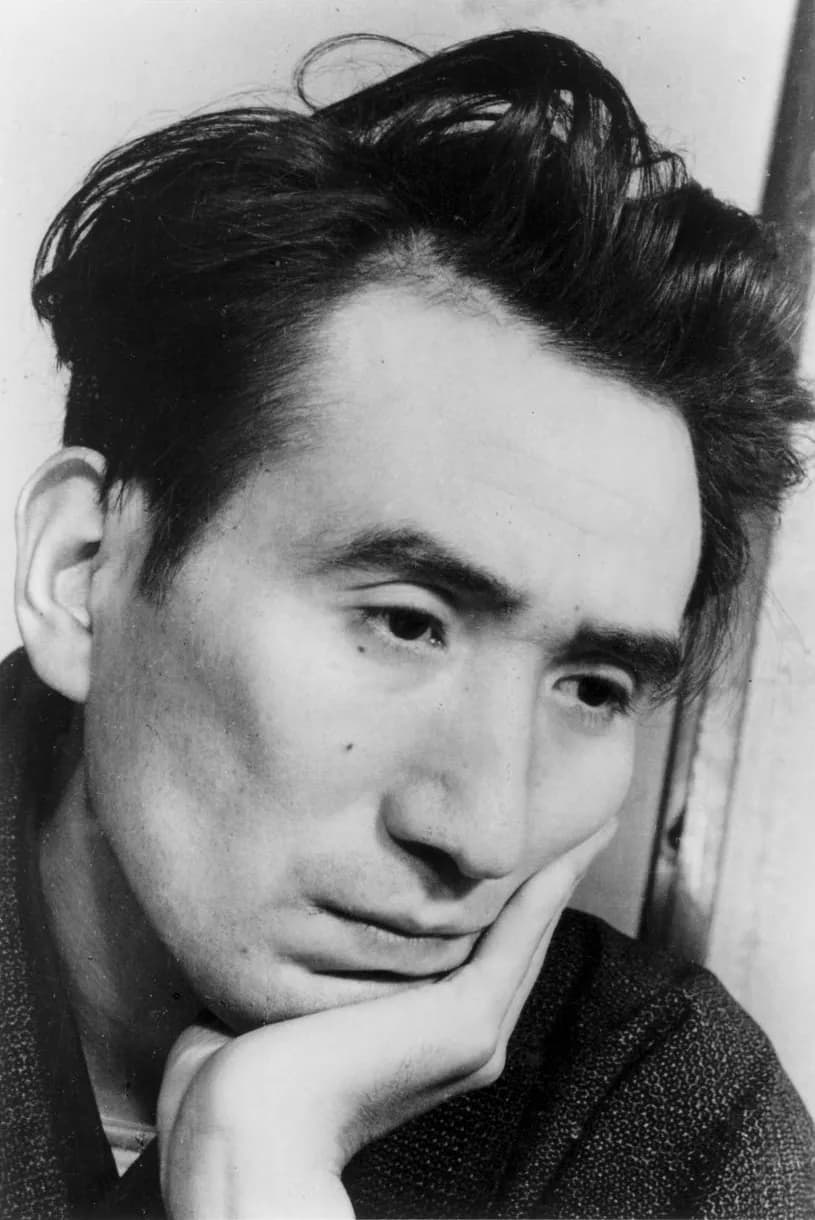
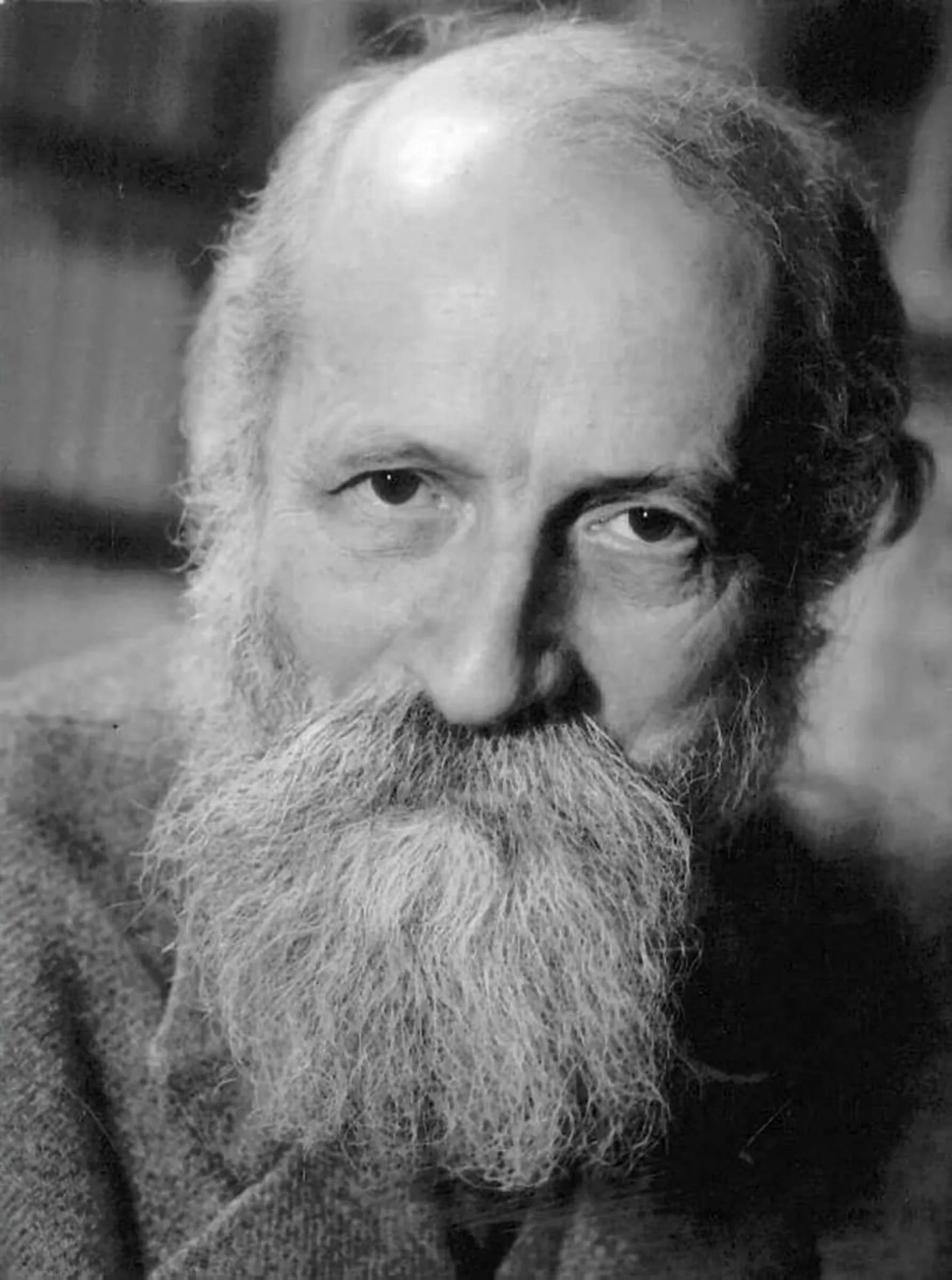
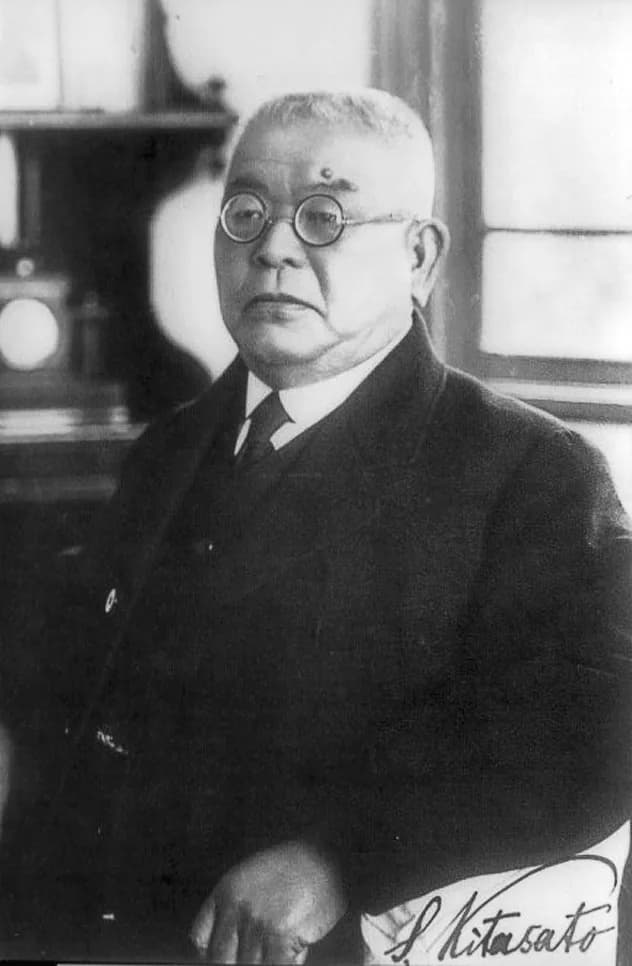
Narozen
June 3, 1899
Budapest, Hungary
Zemřel
June 13, 1972
Honolulu, United States
Známý díky
Hungarian physicist
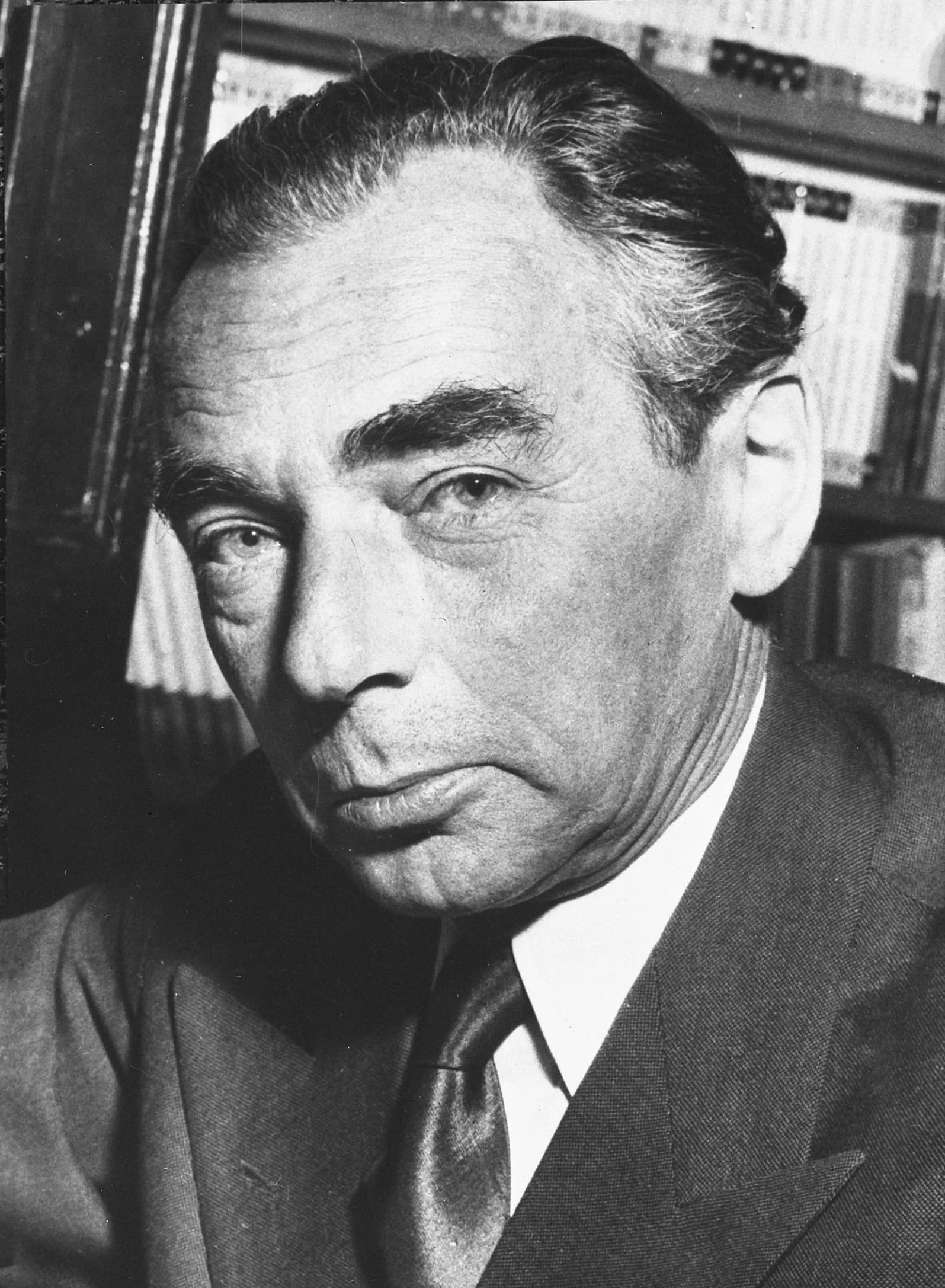
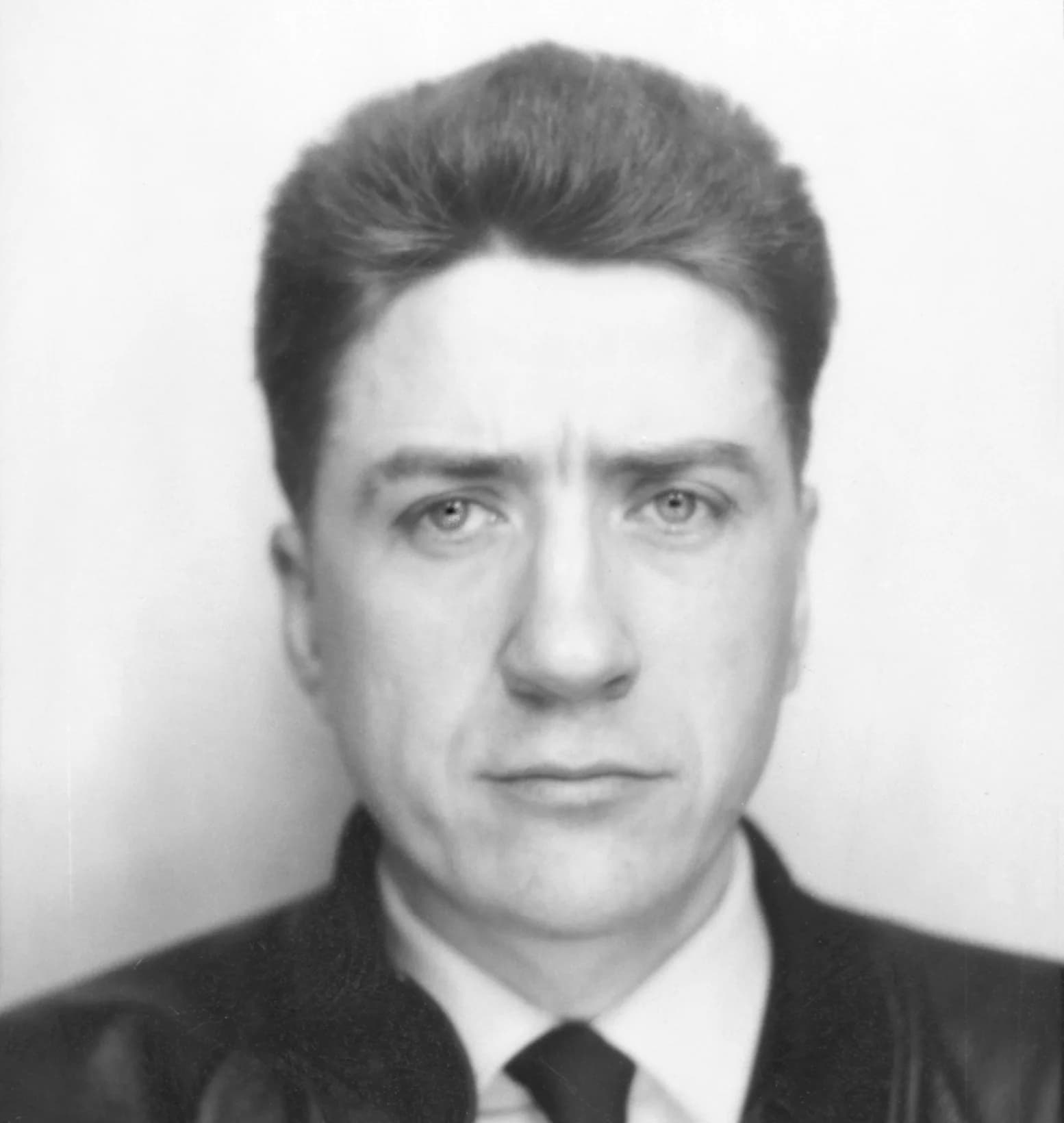
Georg von Békésy (1899–1972) was Hungary best known for Hungarian physicist.
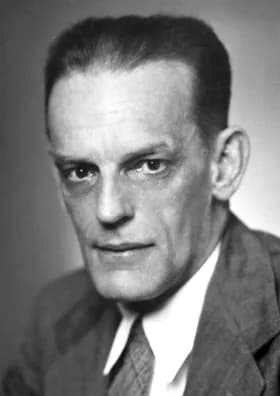
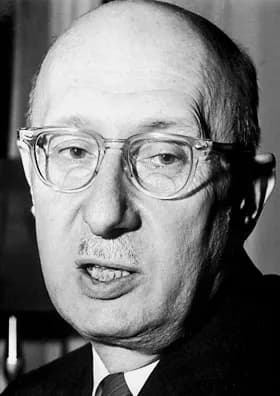
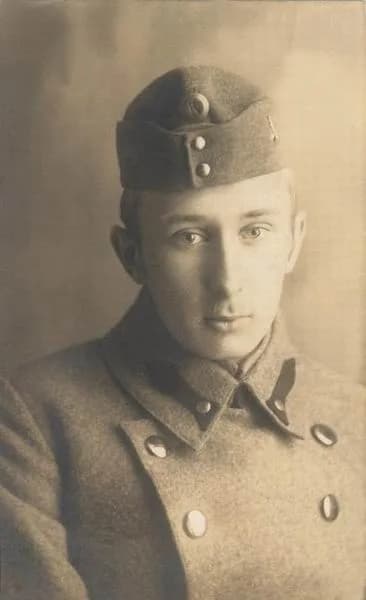
Georg von Békésy (June 3, 1899 – June 13, 1972) was a Hungarian physicist and biophysicist. He was awarded the Nobel Prize in Physiology or Medicine in 1961 for his discoveries of the physical mechanism of stimulation within the cochlea. His research provided fundamental insights into how humans hear.
Život v okamžicích
Okamžiky, které utvářely život
Kapitola
Životní kapitoly
Kapitola 1 · 1899· Kapitola 1 z 6
Early Life and Origins
Georg von Békésy was born on June 3, 1899, in Budapest, Hungary. His formative years in Hungary set the stage for a career that would span various scientific fields. While specific details of his early life and education are not extensively provided, his later accomplishments point to a rigorous intellectual foundation.
Kapitola 2· Kapitola 2 z 6
Career Beginnings
Initially trained as an engineer, Georg von Békésy embarked on a scientific path that quickly broadened to encompass physics and chemistry. His early work likely laid the groundwork for his later investigations into biophysics. This interdisciplinary approach was a hallmark of his distinguished career.
Kapitola 3 · 1961· Kapitola 3 z 6
Major Achievements and Career Highlights
Georg von Békésy's most significant achievement was his pioneering work on the physical mechanism of stimulation within the cochlea. This critical research earned him the Nobel Prize in Physiology or Medicine in 1961. His discoveries provided unprecedented insight into how the inner ear processes sound, and he was recognized globally for these contributions.
His professional life showcased remarkable breadth, as he was proficient as an engineer, physicist, chemist, and university teacher. Furthermore, his expertise extended into physiology, neuroscientist, and biophysics. This wide array of knowledge underscored his unique approach to scientific inquiry.
Kapitola 4 · 1928· Kapitola 4 z 6
Notable Works or Contributions
Throughout his career, Georg von Békésy authored numerous important scientific works. His bibliography includes "Miscellaneous acoustical papers, 1928-1972," a collection spanning decades of his research. Other significant publications include "Sensory inhibition" and "Experiments in hearing," which were so impactful they appear multiple times in his notable works list.
His academic output was substantial, with an h-index of 34 from 84 papers. Among his top cited works are "Some Biophysical Experiments from Fifty Years Ago" (1974, 24 citations) and "Auditory backward inhibition in concert halls" (1971, 21 citations). Other notable contributions include "The Missing Fundamental and Periodicity Detection in Hearing" (1972, 11 citations) and "Compensation Method to Measure the Contrast Produced by Contours" (1972, 5 citations). These diverse publications showcase his ongoing intellectual curiosity and commitment to understanding sensory processes.
Kapitola 5 · 1972· Kapitola 5 z 6
Later Years
Georg von Békésy continued his research and academic contributions into his later years. He passed away on June 13, 1972, in Honolulu, United States. Even after his death, his legacy continued to influence scientific discourse, as evidenced by posthumously recognized publications like "Some Biophysical Experiments from Fifty Years Ago" (1974) and "Adaptive threshold estimation with unforced-choice tasks" (2002).
Kapitola 6· Kapitola 6 z 6
Legacy and Impact
The lasting legacy of Georg von Békésy lies in his fundamental discoveries regarding the cochlea and the mechanics of hearing. His Nobel Prize-winning work provided the foundation for much of modern audiology and neuroscience. He advanced our comprehension of sensory perception, particularly how the ear translates mechanical vibrations into neural signals. His interdisciplinary approach and rigorous experimental methods continue to inspire researchers across various scientific fields. His detailed investigations illuminated complex biological processes, leaving a lasting mark on biophysics and sensory physiology.
Časté otázky
Často kladené otázky
Kdy zemřel(a) Georg von Békésy?
Georg von Békésy zemřel(a) 13. června 1972 v Honolulu, United States ve věku 73 let.
Kde se narodil(a) Georg von Békésy?
Georg von Békésy se narodil(a) v Budapest, Hungary dne 3. června 1899.
Čím je Georg von Békésy nejznámější?
Georg von Békésy je nejznámější díky Hungarian physicist.
Kolik bylo Georg von Békésy v době smrti?
Georg von Békésy bylo v době smrti 73 let.
Jakou národnost měl(a) Georg von Békésy?
Georg von Békésy pocházel(a) z Hungary.
Časová osa
Život v kostce
Fotogalerie
Život v obrazech
Klikněte na jakýkoli polaroid pro zvětšení · 21 fotografií
QR kód
Sdílet tento životopis
Tisk a sdílení
Naskenujte pro návštěvu této životopisné stránky. Vytiskněte pro akce, výstavy nebo vzdělávací materiály.