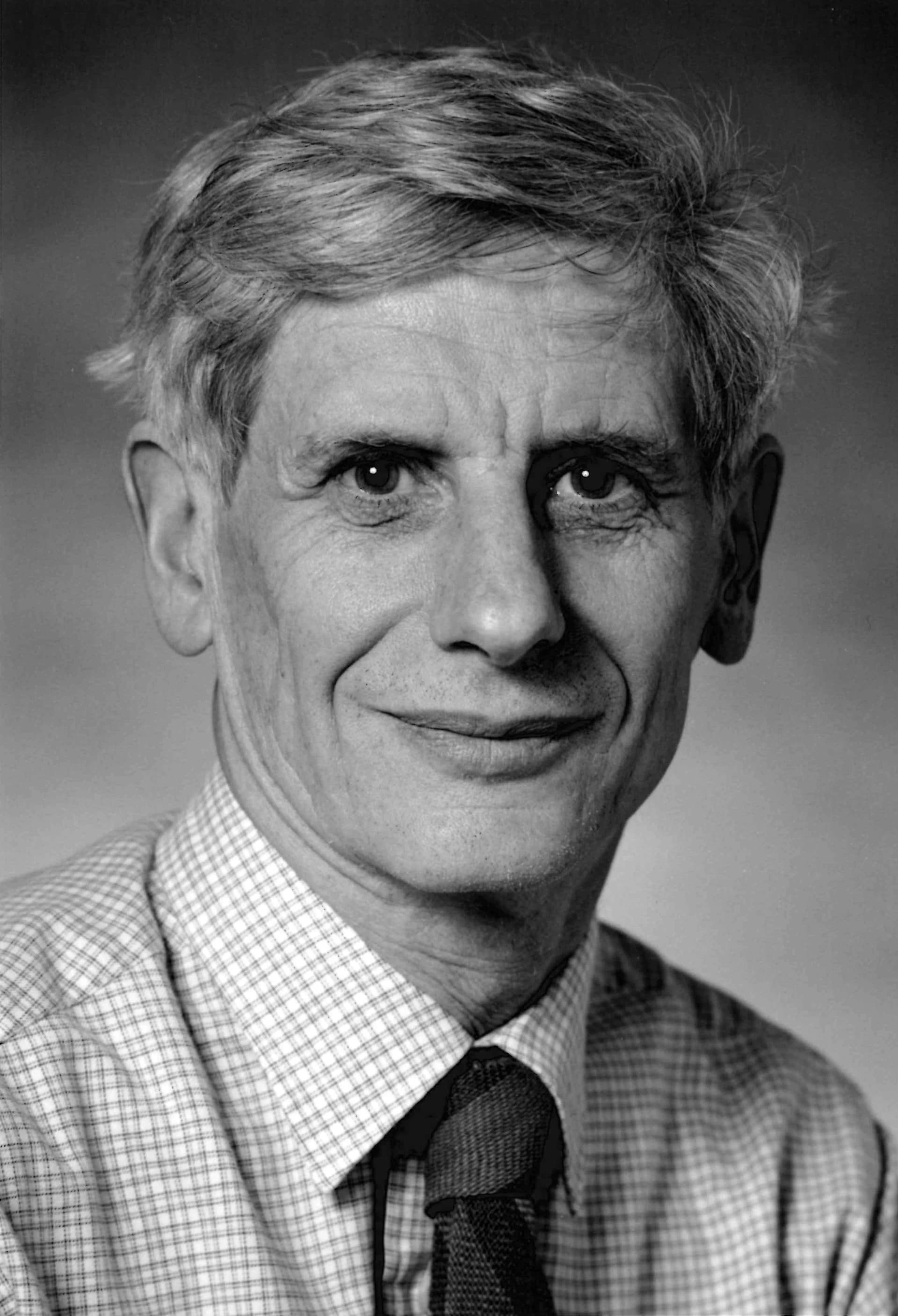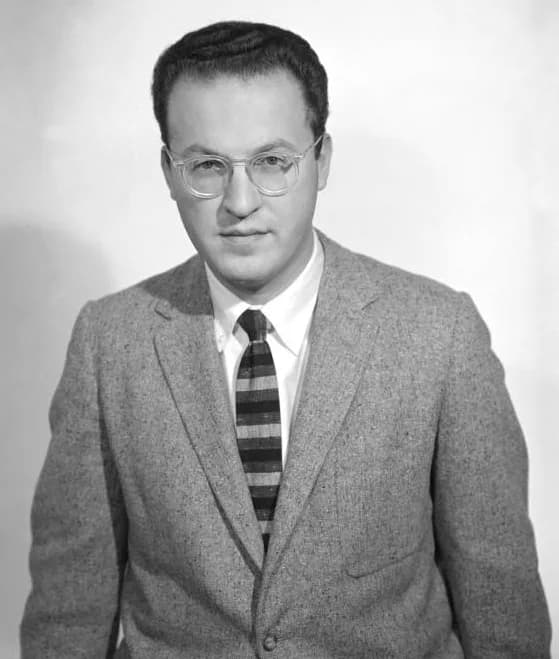
Narozen
September 21, 1926
Cleveland, United States
Zemřel
February 28, 2013
Berkeley, United States
Známý díky
American physicist and neurobiologist
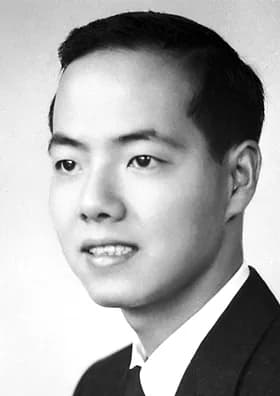
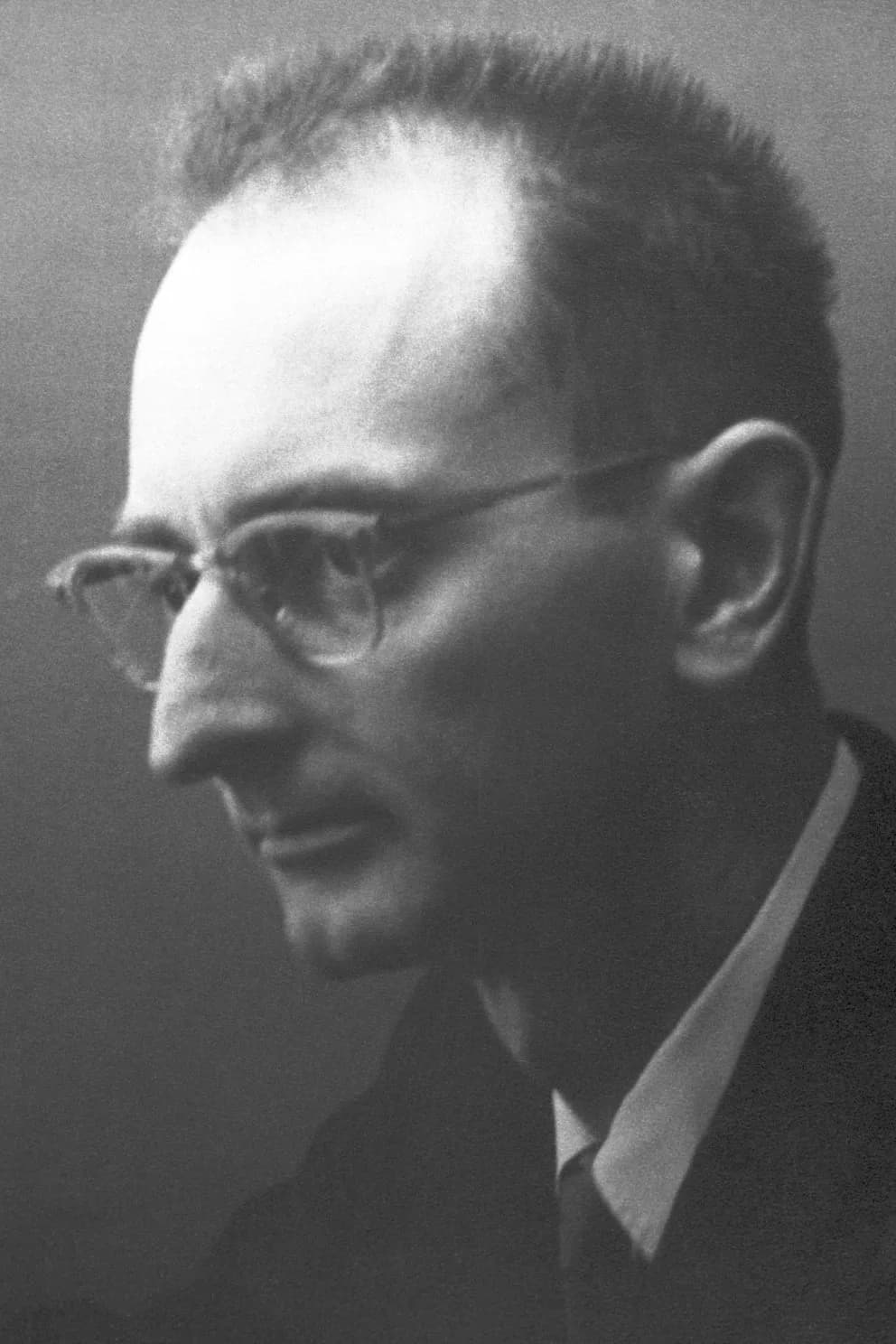
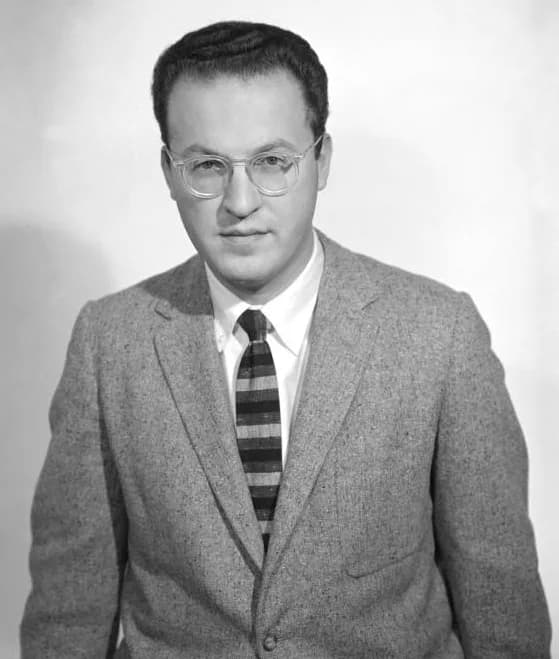
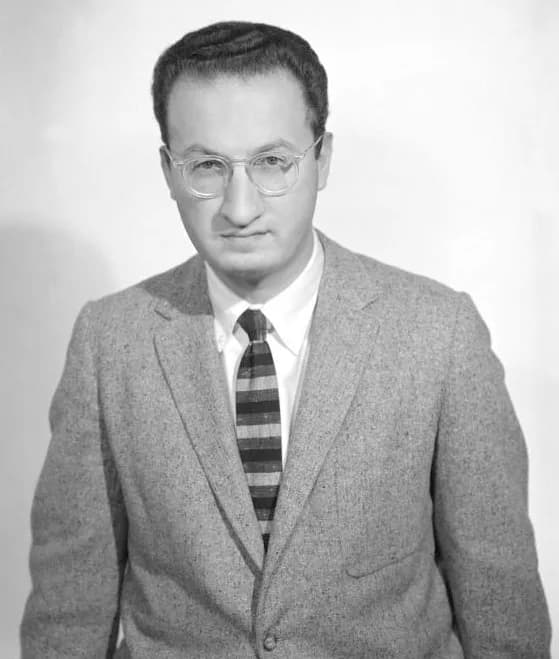
Donald Arthur Glaser (1926–2013) was United States best known for American physicist and neurobiologist.
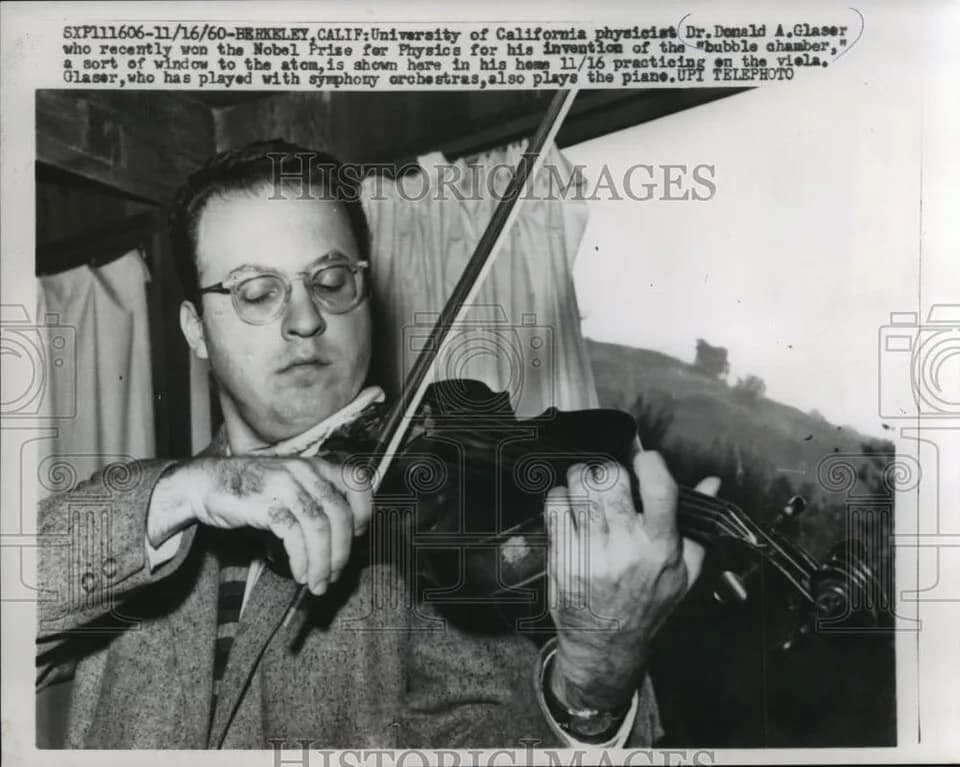
Donald Arthur Glaser (September 21, 1926 – February 28, 2013) was an American physicist and neurobiologist. He earned the Nobel Prize in Physics in 1960 for his invention of the bubble chamber, a vital tool for detecting subatomic particles. His innovative work advanced particle physics significantly.
Život v okamžicích
Okamžiky, které utvářely život

Kapitola
Životní kapitoly
Kapitola 1 · 1926· Kapitola 1 z 6
Early Life and Origins
Donald Arthur Glaser began his journey in Cleveland, United States, where he was born on September 21, 1926. While details of his early family life are not publicly extensive, his upbringing in Cleveland set the stage for a distinguished career in the sciences. His early education undoubtedly fostered the curiosity and intellectual rigor that would define his future.
Kapitola 2· Kapitola 2 z 6
Career Beginnings
Glaser's career commenced with a strong foundation in physics, eventually encompassing a wide array of scientific disciplines. He trained as a physicist, a path that led him to deep research into fundamental particles. This early dedication to scientific inquiry laid the groundwork for his most famous invention.
His work as a university teacher also began relatively early, shaping new generations of scientists. This role allowed him to blend his research pursuits with academic mentorship, contributing to the broader scientific community. He was not merely an inventor but also an educator, sharing his expertise and insights.
Kapitola 3· Kapitola 3 z 6
Major Achievements and Career Highlights
The defining moment of Donald Arthur Glaser's career was his invention of the bubble chamber. This device revolutionized the study of subatomic particles, providing a visual means to track their paths and interactions. It quickly became an indispensable tool in high-energy physics laboratories worldwide.
For this extraordinary contribution, Glaser was honored with the Nobel Prize in Physics in 1960. The Nobel Committee recognized the immense practical and theoretical significance of the bubble chamber in advancing particle physics research. This award solidified his reputation as a brilliant and inventive scientist.
His work on the bubble chamber demonstrated a profound understanding of physics and a remarkable ability to translate theoretical concepts into practical, working instruments. This invention opened new avenues for discovery, allowing physicists to gather unprecedented data about the fundamental building blocks of matter.
Kapitola 4· Kapitola 4 z 6
Notable Works or Contributions
Beyond the bubble chamber, Donald Arthur Glaser's intellectual curiosity extended into the biological sciences. He pursued professions as a neuroscientist, neurobiologist, and molecular biologist, demonstrating a rare versatility in scientific exploration. His diverse interests highlight a mind unafraid to tackle complex problems across different fields.
As an inventor, his primary contribution remains the bubble chamber, but his later career demonstrated a commitment to understanding life at its most fundamental levels. This transition or expansion into biology showcases his desire to contribute broadly to scientific knowledge. He applied his rigorous scientific approach to both physical and biological phenomena.
Kapitola 5 · 2013· Kapitola 5 z 6
Later Years
Donald Arthur Glaser continued his scientific pursuits and teaching until his passing on February 28, 2013, in Berkeley, United States. His later career reflected a continuous engagement with both physics and his expanding interests in neurobiology and molecular biology. Even after his Nobel recognition, his dedication to research and learning remained vibrant.
His later years were spent contributing to scientific discourse and mentoring new researchers, further solidifying his legacy as a committed academic. His presence in Berkeley, a hub of scientific innovation, allowed him to remain at the forefront of scientific thought. He continued to be a valued figure in the scientific community.
Kapitola 6· Kapitola 6 z 6
Legacy and Impact
Donald Arthur Glaser's legacy is primarily etched in the history of particle physics through his bubble chamber invention. This device enabled decades of research into elementary particles, leading to many discoveries and a deeper understanding of the universe. Its utility changed how experiments were conducted in high-energy physics.
Moreover, his career trajectory illustrates the potential for scientists to bridge seemingly disparate fields. His transition and contributions to neurobiology and molecular biology inspire future generations to pursue interdisciplinary research. He showed that a keen scientific mind can make significant contributions across various domains.
Glaser's life serves as an example of persistent inquiry and the spirit of invention that pushes the boundaries of human knowledge. His contributions continue to resonate in both physics and biology, a true demonstration of his intellectual breadth and lasting influence. He remains remembered for his ingenious invention and broad scientific reach.
Časté otázky
Často kladené otázky
Kdy zemřel(a) Donald Arthur Glaser?
Donald Arthur Glaser zemřel(a) 28. února 2013 v Berkeley, United States ve věku 86 let.
Kde se narodil(a) Donald Arthur Glaser?
Donald Arthur Glaser se narodil(a) v Cleveland, United States dne 21. září 1926.
Čím je Donald Arthur Glaser nejznámější?
Donald Arthur Glaser je nejznámější díky American physicist and neurobiologist.
Kolik bylo Donald Arthur Glaser v době smrti?
Donald Arthur Glaser bylo v době smrti 86 let.
Jakou národnost měl(a) Donald Arthur Glaser?
Donald Arthur Glaser pocházel(a) z United States.
Časová osa
Život v kostce
Fotogalerie
Život v obrazech
Klikněte na jakýkoli polaroid pro zvětšení · 16 fotografií
QR kód
Sdílet tento životopis
Tisk a sdílení
Naskenujte pro návštěvu této životopisné stránky. Vytiskněte pro akce, výstavy nebo vzdělávací materiály.