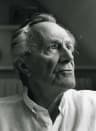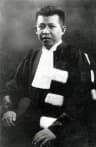
Narozen
May 11, 1924
Fowey, United Kingdom
Zemřel
September 13, 2021
Známý díky
English physicist and radio astronomer
Antony Hewish (1924–2021) was United Kingdom best known for English physicist and radio astronomer.
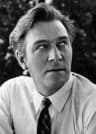
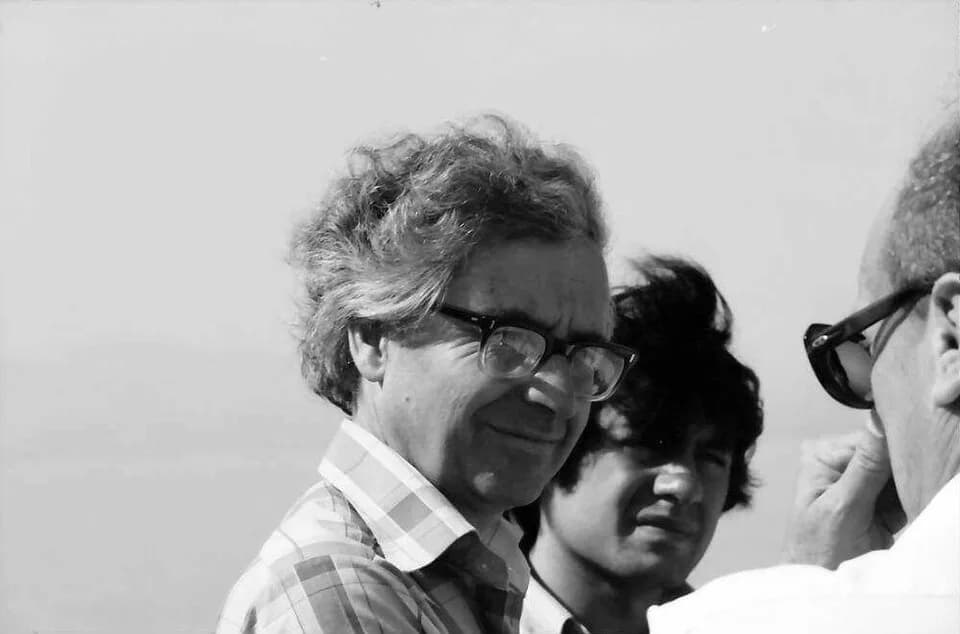
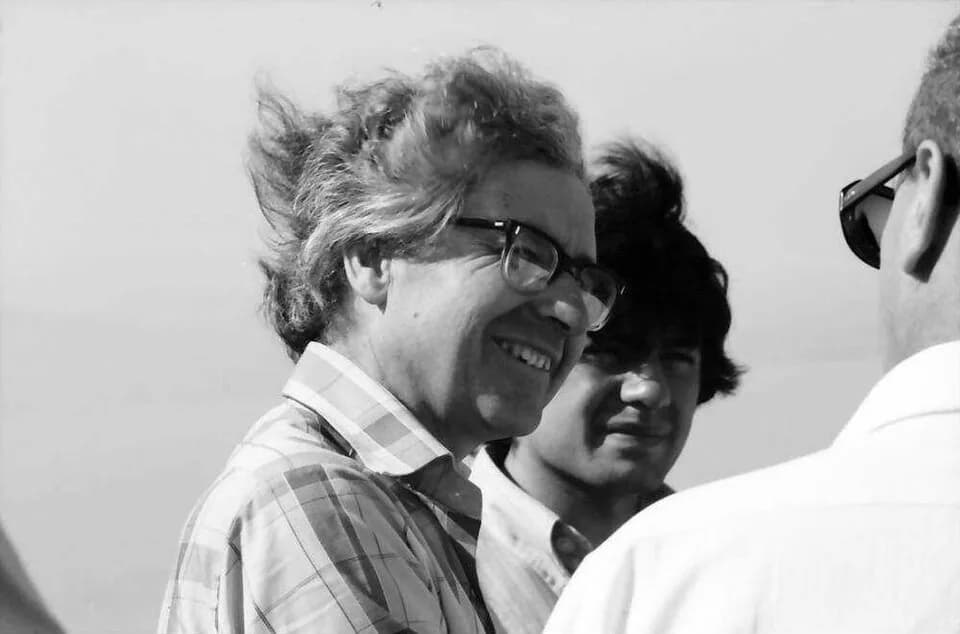
Antony Hewish (May 11, 1924 – September 13, 2021) was an English physicist and radio astronomer from Fowey, United Kingdom. He won the Nobel Prize for Physics in 1974 for his decisive role in the discovery of pulsars. His pioneering work profoundly advanced the field of radio astrophysics.
Kapitola
Životní kapitoly
Kapitola 1 · 1924· Kapitola 1 z 7
Remembering Antony Hewish: A Pioneer in Radio Astrophysics
Antony Hewish, born on May 11, 1924, and who passed away on September 13, 2021, was a distinguished English physicist and radio astronomer whose contributions fundamentally reshaped our understanding of the cosmos. He is widely celebrated for his pivotal role in the discovery of pulsars, an achievement that earned him the Nobel Prize in Physics in 1974. His work in radio astrophysics marked a significant advancement in observational astronomy and deepened humanity's insights into the universe's most enigmatic phenomena.
Kapitola 2 · 1924· Kapitola 2 z 7
Early Life and Origins
Antony Hewish began his life's journey in Fowey, a picturesque coastal town located in the United Kingdom, where he was born on May 11, 1924. His early years in this serene setting provided the backdrop for a life that would eventually lead to groundbreaking scientific exploration. This birthplace served as the initial stage for an individual who would later become instrumental in unraveling some of the universe's greatest mysteries through the lens of radio astronomy.
Kapitola 3· Kapitola 3 z 7
Career Beginnings
While specific details about the very start of Antony Hewish's professional journey are not provided, it is clear he established himself early as an astronomer and physicist, specializing in the nascent field of radio astronomy. His academic and professional path led him to become a university teacher, fostering new generations of scientists. This foundation in both teaching and research set the stage for the remarkable discoveries that would define his enduring scientific career.
Kapitola 4 · 1974· Kapitola 4 z 7
Major Achievements and Career Highlights
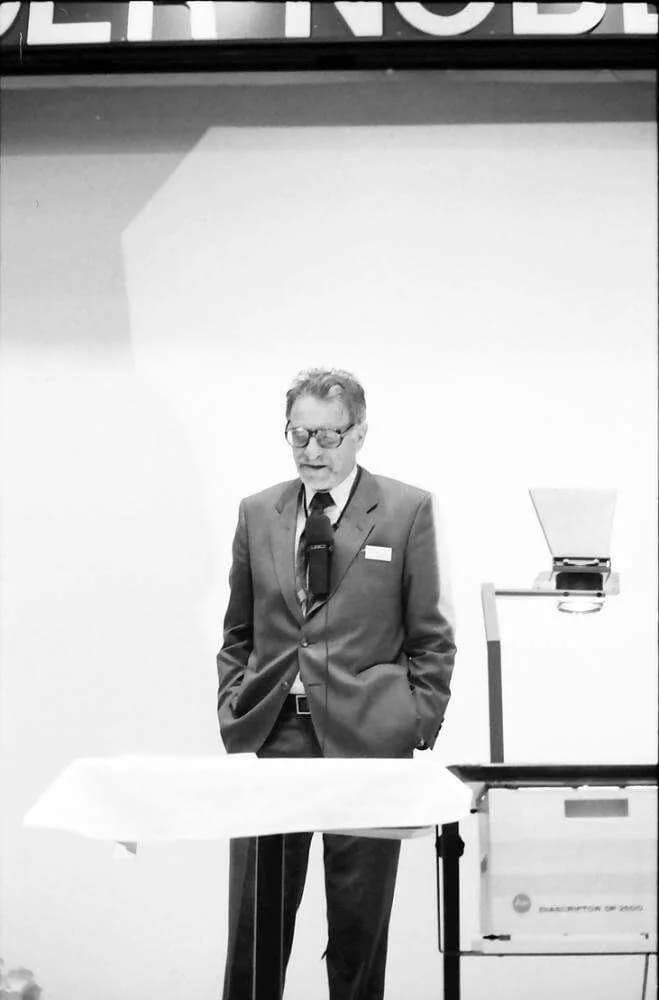
The crowning achievement in Antony Hewish's distinguished career was undoubtedly the Nobel Prize in Physics, which he was awarded in 1974. This prestigious recognition was bestowed upon him for his “decisive role in the discovery of pulsars,” an event that revolutionized astrophysics. He shared this honor with Martin Ryle, who was recognized for his own pioneering research in radio astrophysics, specifically for his observations and inventions, particularly the aperture synthesis technique.
Prior to receiving the Nobel Prize, Hewish's contributions had already garnered significant acclaim within the scientific community. In 1969, he was honored with the esteemed Eddington Medal by the Royal Astronomical Society. This earlier award underscored the growing recognition of his inventive research and profound impact on the field of radio astronomy, paving the way for further groundbreaking discoveries and accolades.
Kapitola 5· Kapitola 5 z 7
Notable Works or Contributions
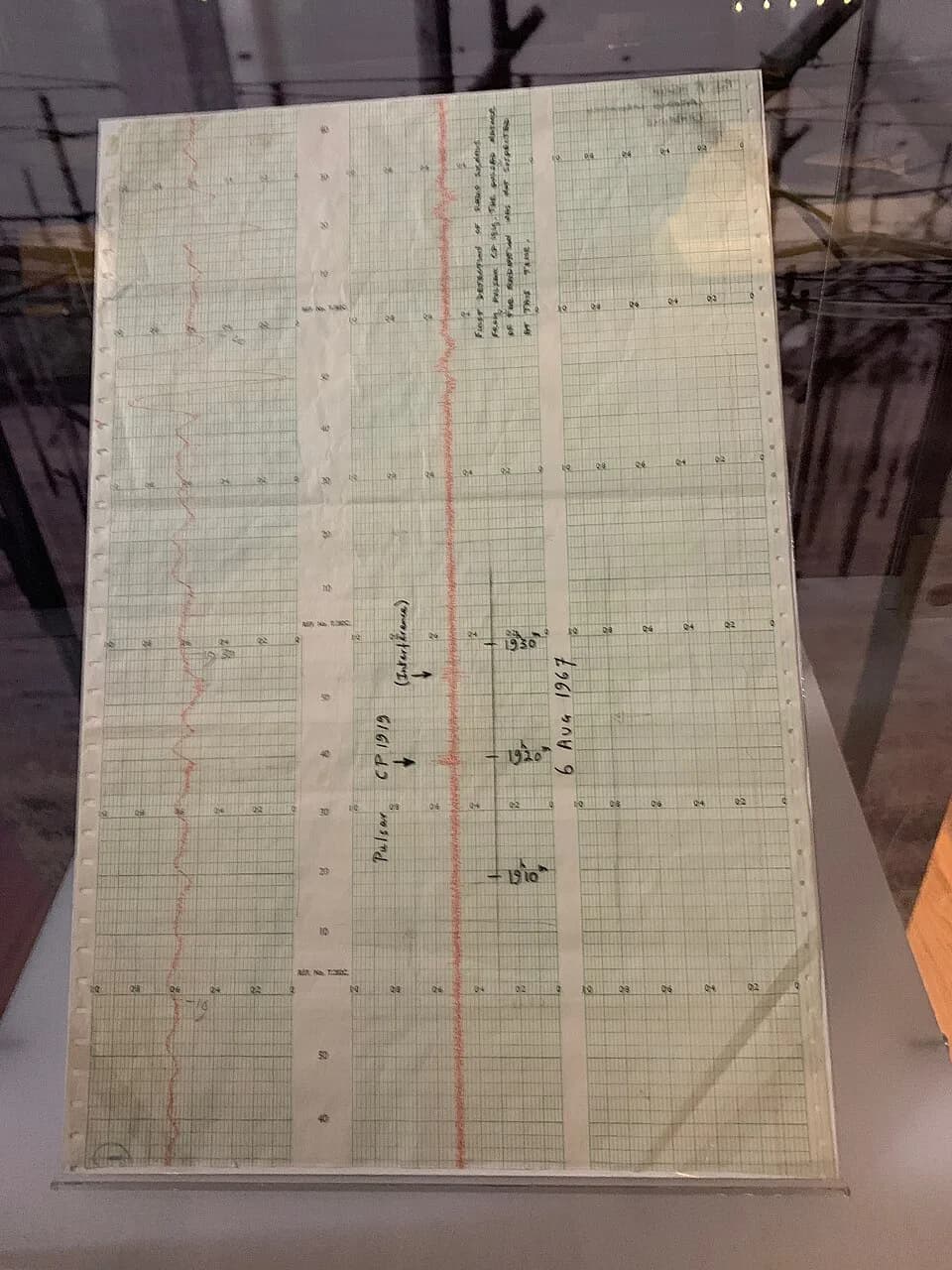
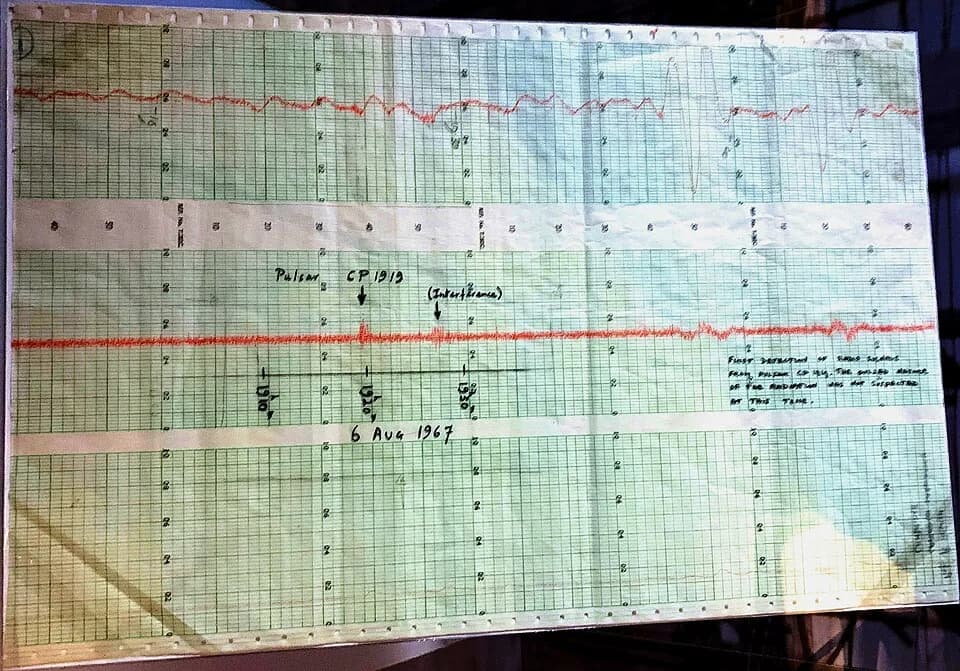
The discovery of pulsars stands as Antony Hewish's most celebrated and scientifically significant contribution. These rapidly rotating neutron stars, which emit beams of electromagnetic radiation that can only be observed when the beam points towards Earth, offered unprecedented insights into stellar evolution and the extreme physics of dense matter. Hewish's instrumental involvement in this discovery in the late 1960s opened up an entirely new observational window into the universe.
Throughout his extensive career, Antony Hewish maintained a prolific publishing record, reflected in his impressive h-index of 30 across 112 published papers. His commitment to sharing scientific knowledge spanned decades, contributing substantially to the collective understanding of astrophysics. Among his most cited works are “CIR Morphology, Turbulence, Discontinuities, and Energetic Particles,” published in 1999, which garnered 90 citations, and “The Solar Origin of Corotating Interaction Regions and Their Formation in the Inner Heliosphere,” also from 1999, accumulating 86 citations. These papers showcase his deep engagement with solar physics and space weather phenomena.
Hewish’s other notable publications include a commemorative piece, “James Stanley Hey, M.B.E. 3 May 1909 – 27 February 2000,” published in 2002, which received 3 citations, honoring a fellow scientist. He also contributed to ongoing scientific discussions with works such as “Comment on ``Simple analytical solutions for propagating diffusive barriers and application to the 1974 minicycle'' by G. Wibberenz and H. V. Cane” in 2001, also with 3 citations, demonstrating his engagement with specific research debates. Later in his career, he offered personal reflections on his monumental discovery in “Background to Discovery: Some Recollections,” published in 2008, a piece that has been cited once, providing valuable historical context to a scientific milestone.
Kapitola 6 · 2021· Kapitola 6 z 7
Later Years
Antony Hewish lived a long and impactful life, continuing to inspire and contribute to the scientific community for many decades. He passed away on September 13, 2021, at the age of 97. His passing marked the end of an era for a scientist whose work had such a lasting influence on the fields of physics and astronomy, leaving behind a profound intellectual legacy for future generations.
Kapitola 7· Kapitola 7 z 7
Legacy and Impact
Antony Hewish's legacy is firmly rooted in his discovery of pulsars, an event that profoundly altered the course of radio astronomy and astrophysics. This discovery not only provided direct evidence for the existence of neutron stars but also initiated a new branch of research dedicated to understanding these incredibly dense and fast-spinning celestial objects. His pioneering observations opened up entirely new avenues for exploring the universe, revealing previously unimagined cosmic phenomena.
His work continues to influence contemporary research, inspiring astronomers and physicists to explore the universe with innovative techniques and a deeper curiosity. Hewish's recognition with the Nobel Prize and the Eddington Medal solidifies his place as one of the most significant scientific figures of the 20th century. His contributions ensure that he will be remembered not only as a Nobel laureate but as a visionary who expanded the frontiers of human knowledge about the cosmos.
Život v okamžicích
Okamžiky, které utvářely život

Časté otázky
Často kladené otázky
Kdy zemřel(a) Antony Hewish?
Antony Hewish zemřel(a) 13. září 2021 ve věku 97 let.
Kde se narodil(a) Antony Hewish?
Antony Hewish se narodil(a) v Fowey, United Kingdom dne 11. května 1924.
Čím je Antony Hewish nejznámější?
Antony Hewish je nejznámější díky English physicist and radio astronomer.
Kolik bylo Antony Hewish v době smrti?
Antony Hewish bylo v době smrti 97 let.
Jakou národnost měl(a) Antony Hewish?
Antony Hewish pocházel(a) z United Kingdom.
Časová osa
Život v kostce
Fotogalerie
Život v obrazech
Klikněte na jakýkoli polaroid pro zvětšení · 50 fotografií
QR kód
Sdílet tento životopis
Tisk a sdílení
Naskenujte pro návštěvu této životopisné stránky. Vytiskněte pro akce, výstavy nebo vzdělávací materiály.