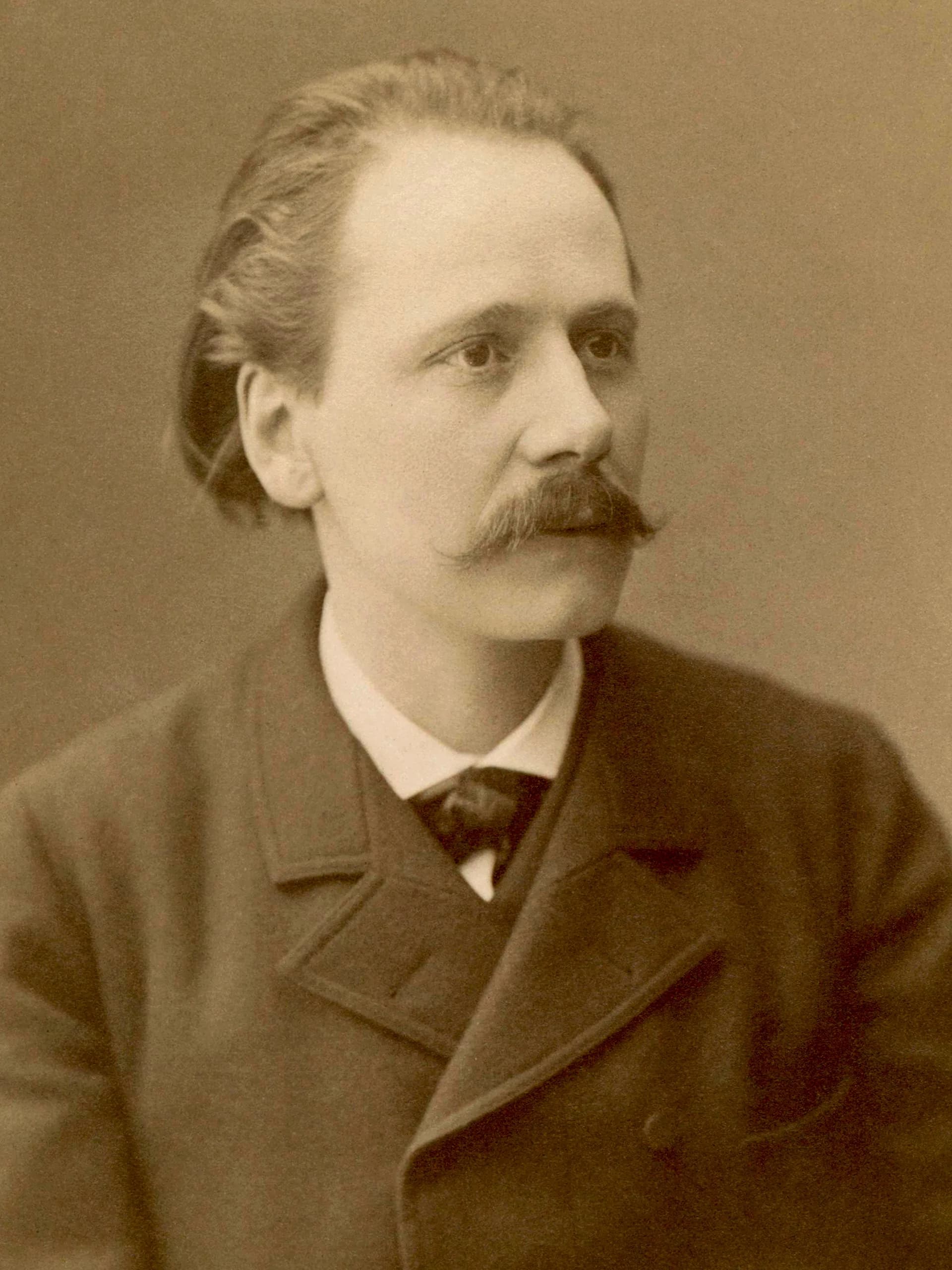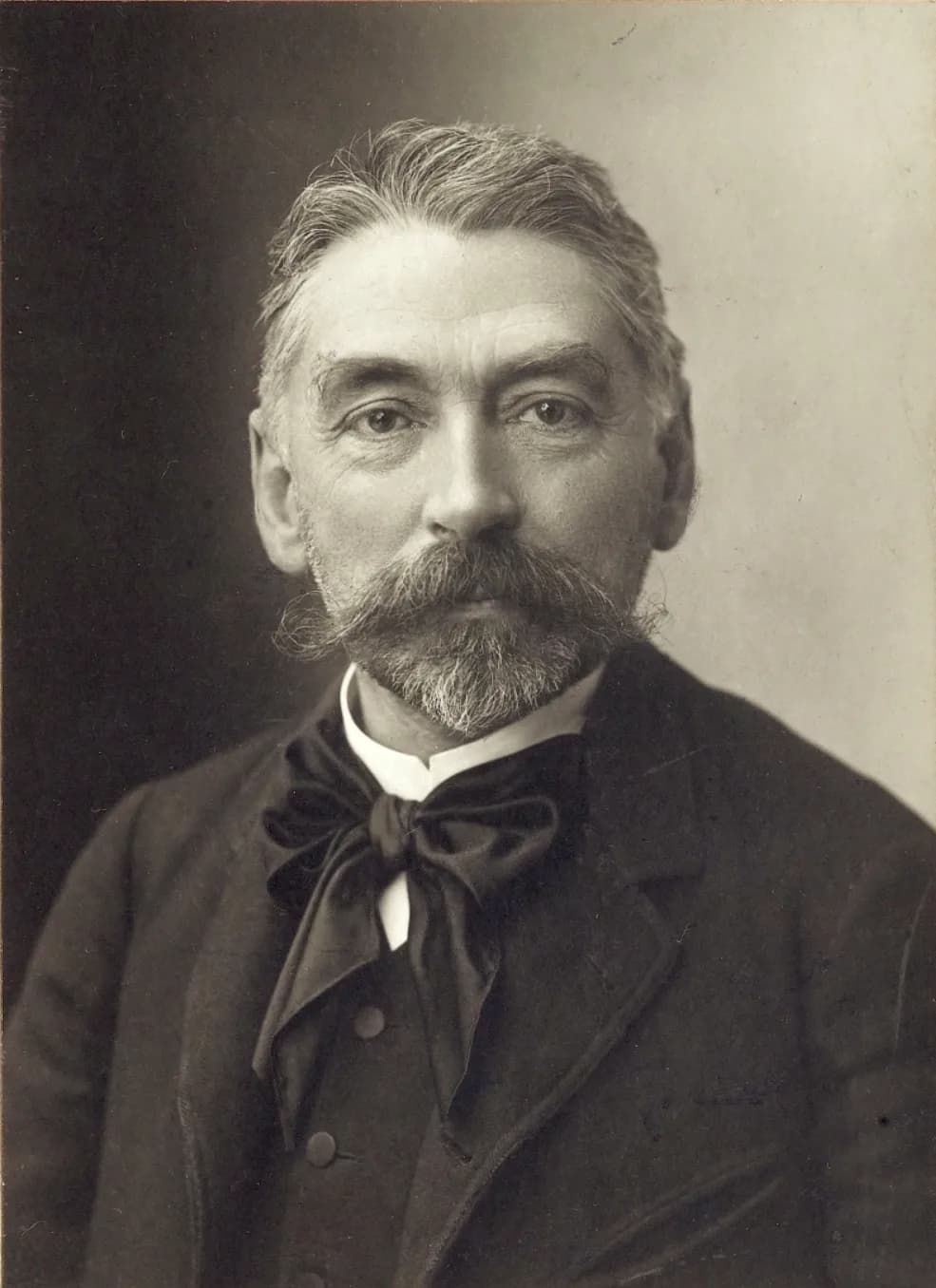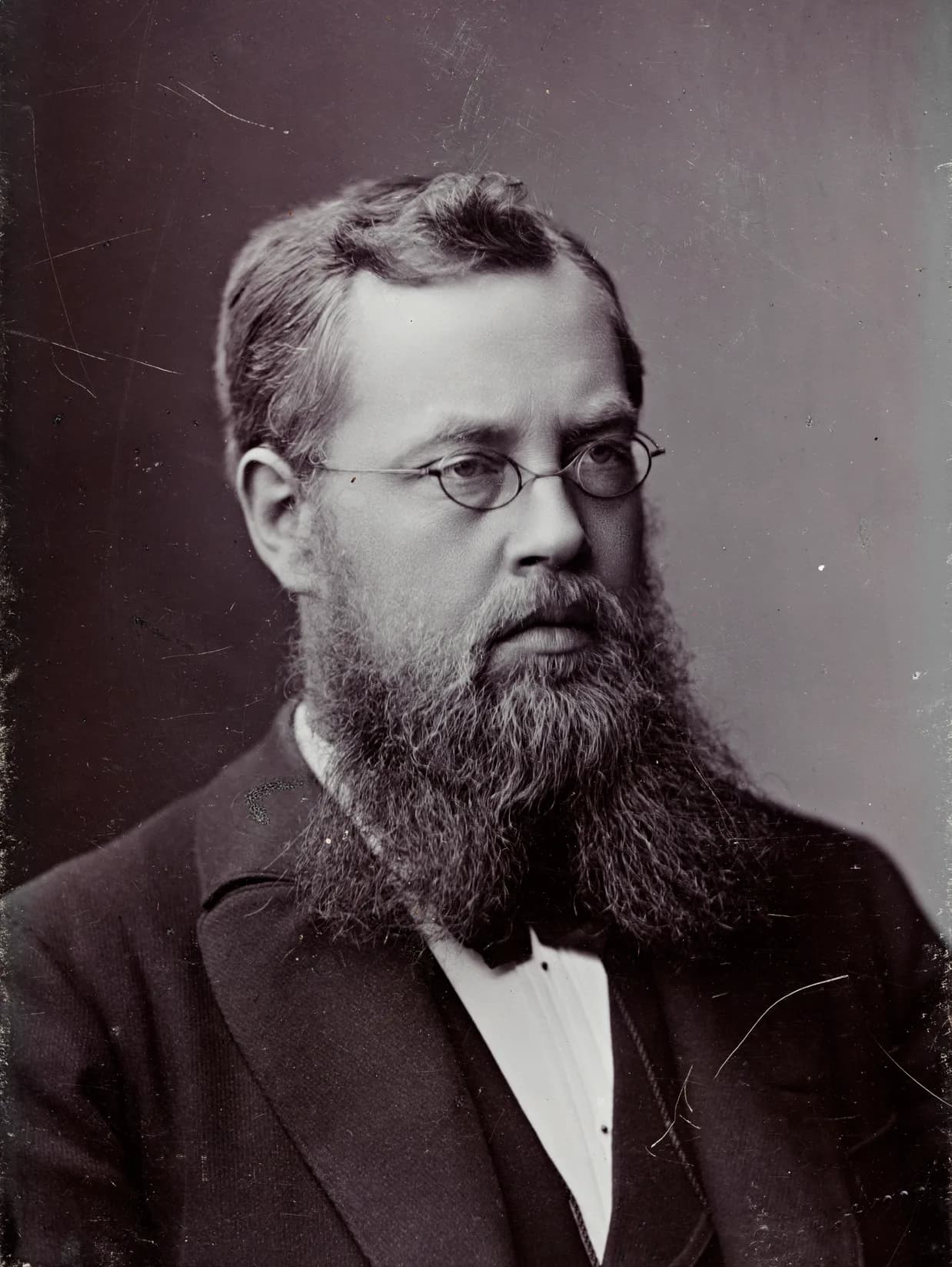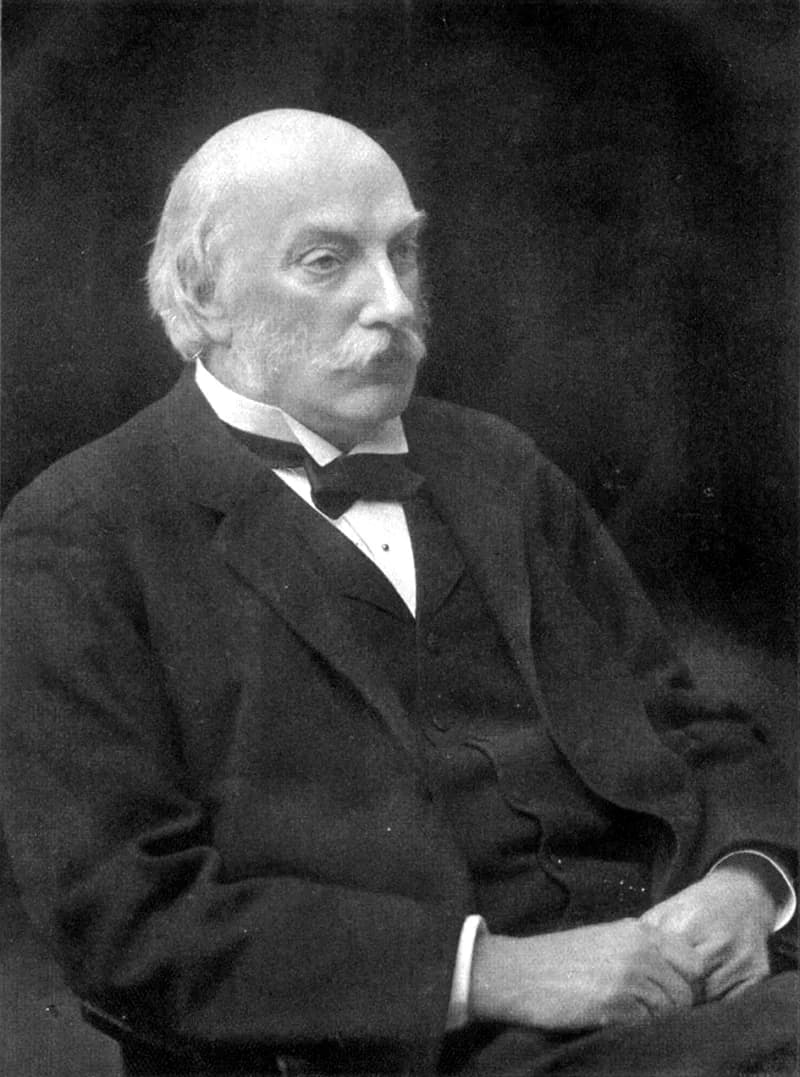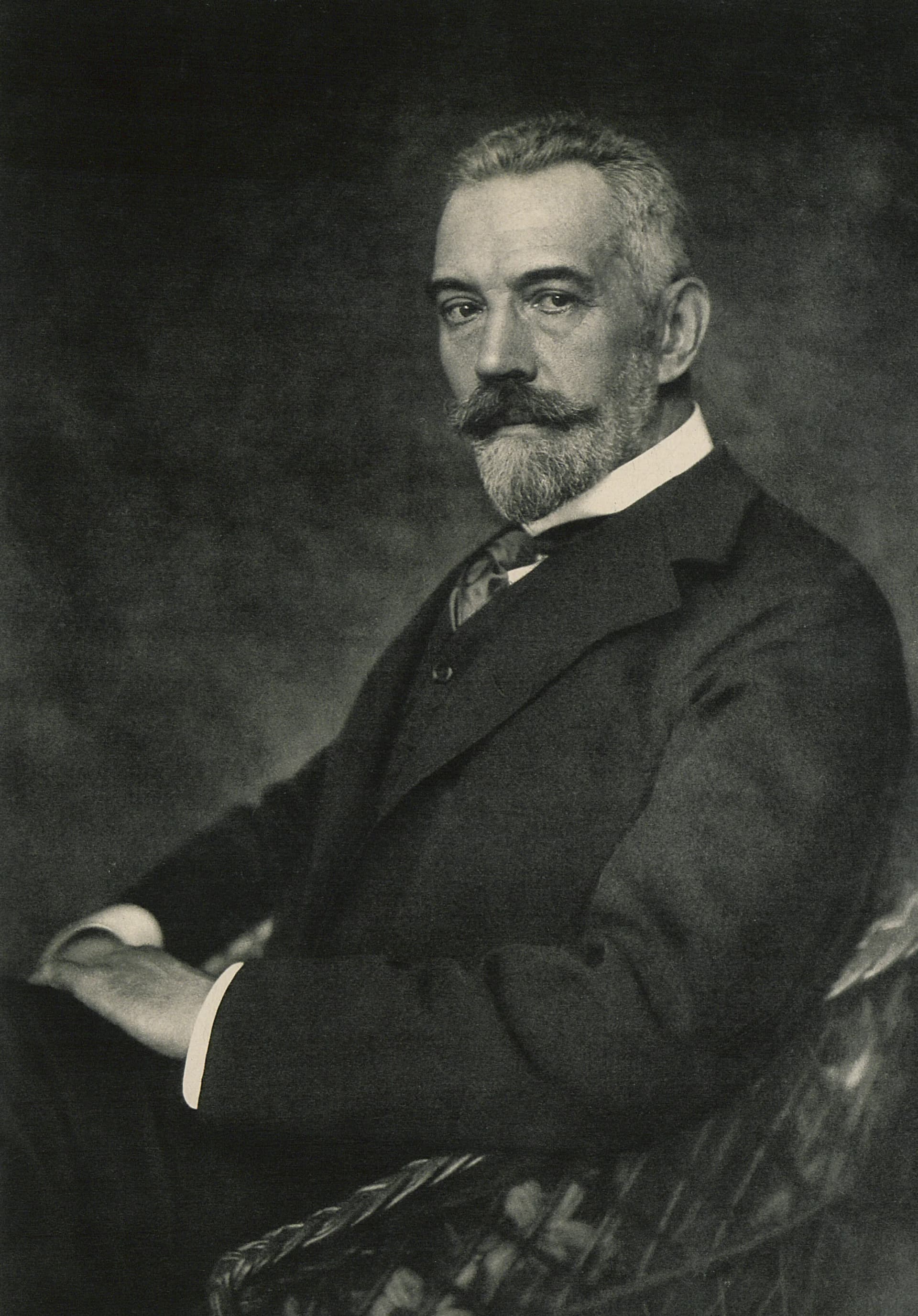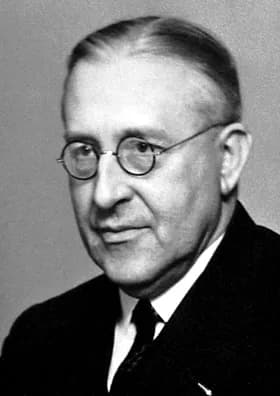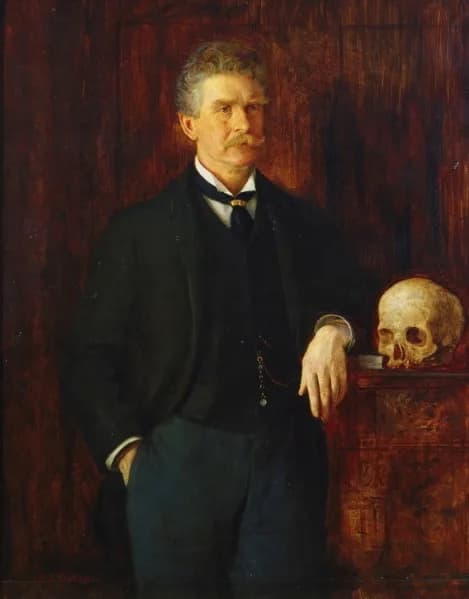
Narozen
June 24, 1842
Meigs County, United States
Zemřel
January 1, 1914
Chihuahua City, Mexico
Známý díky
American editorialist, journalist, short story writer, fabulist, and satirist
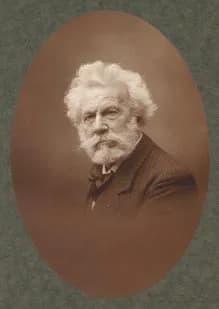
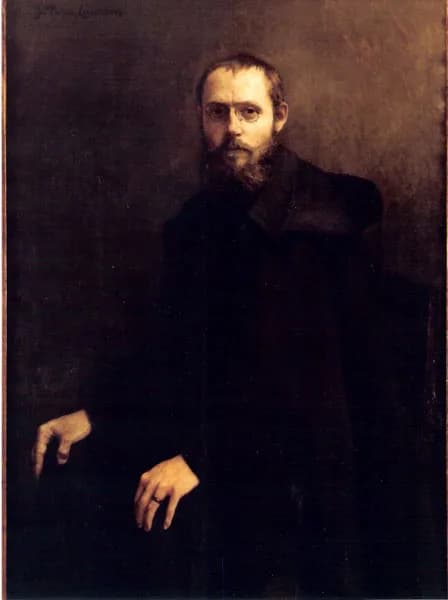
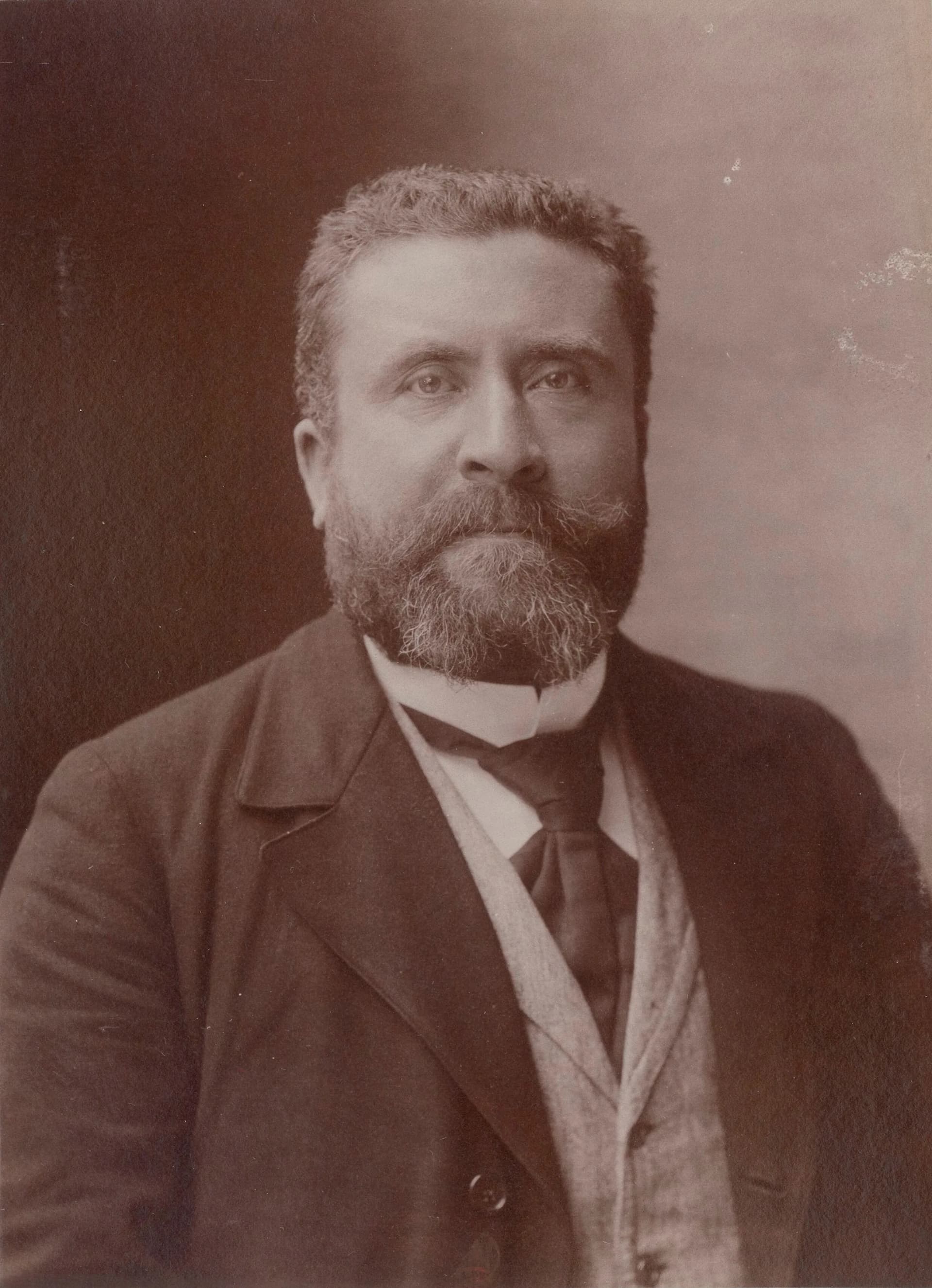
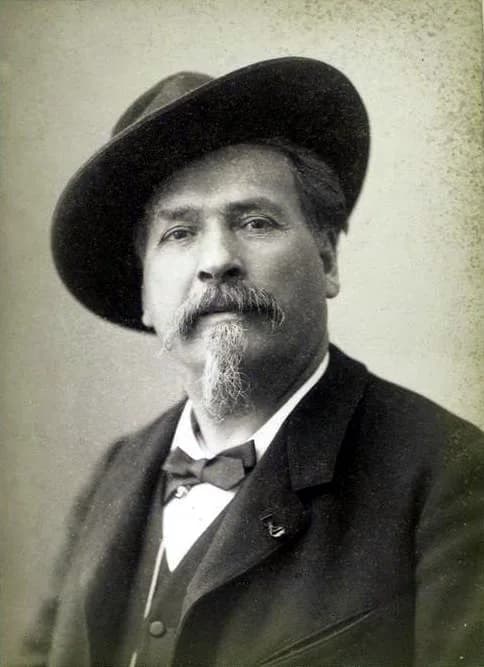
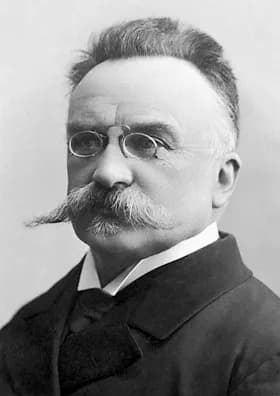
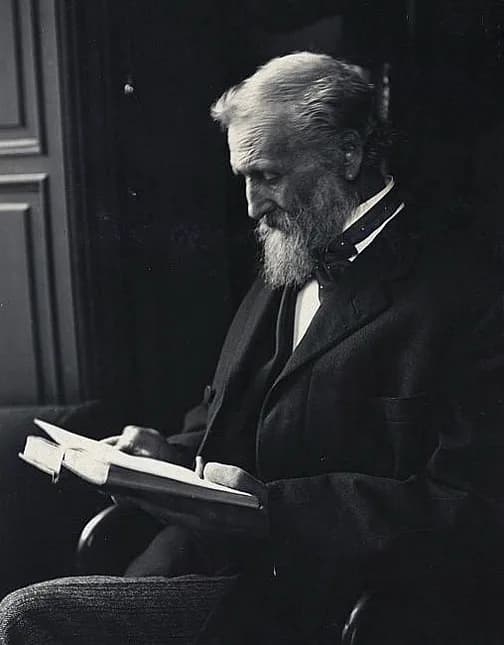
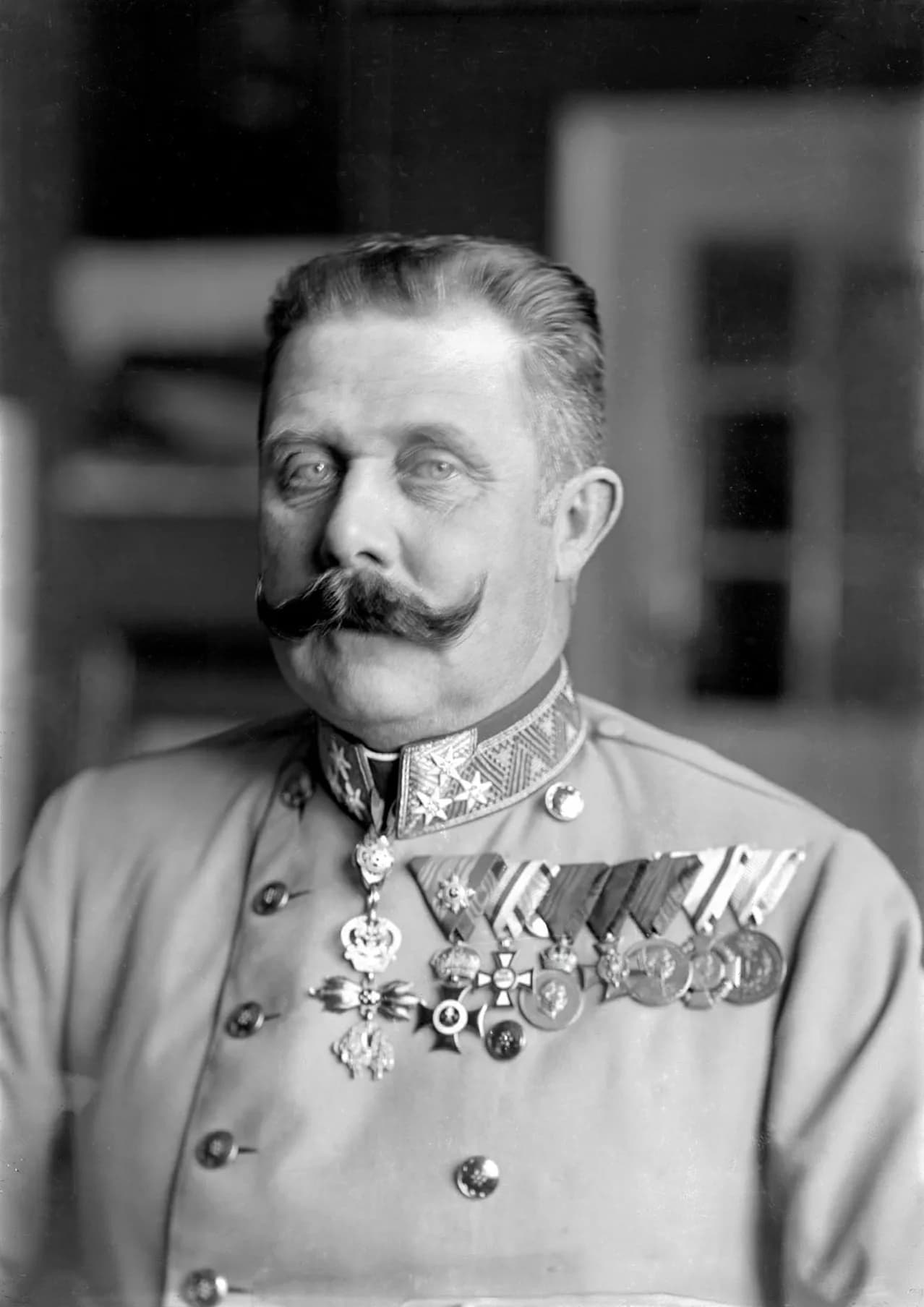
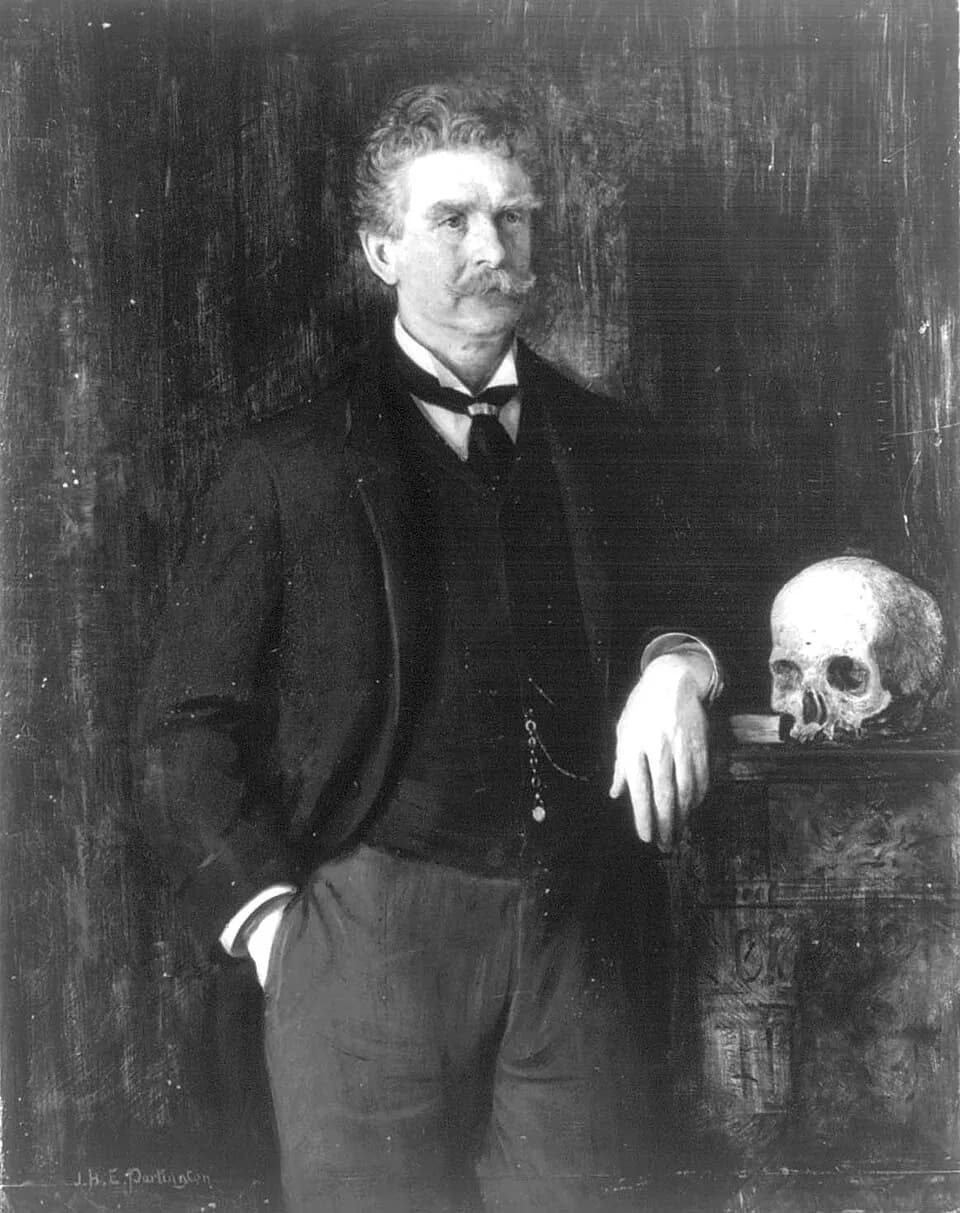
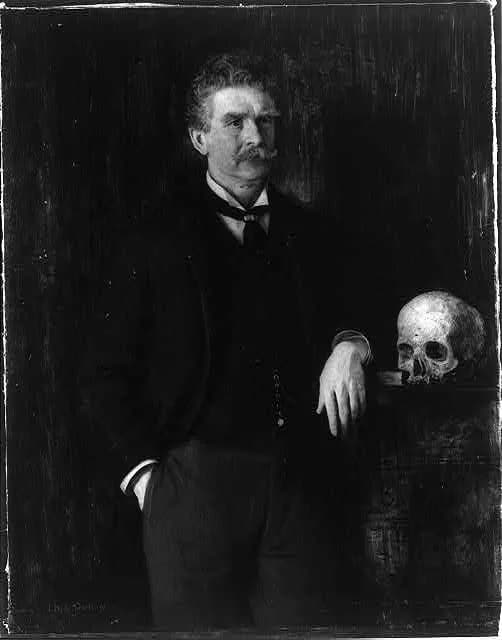
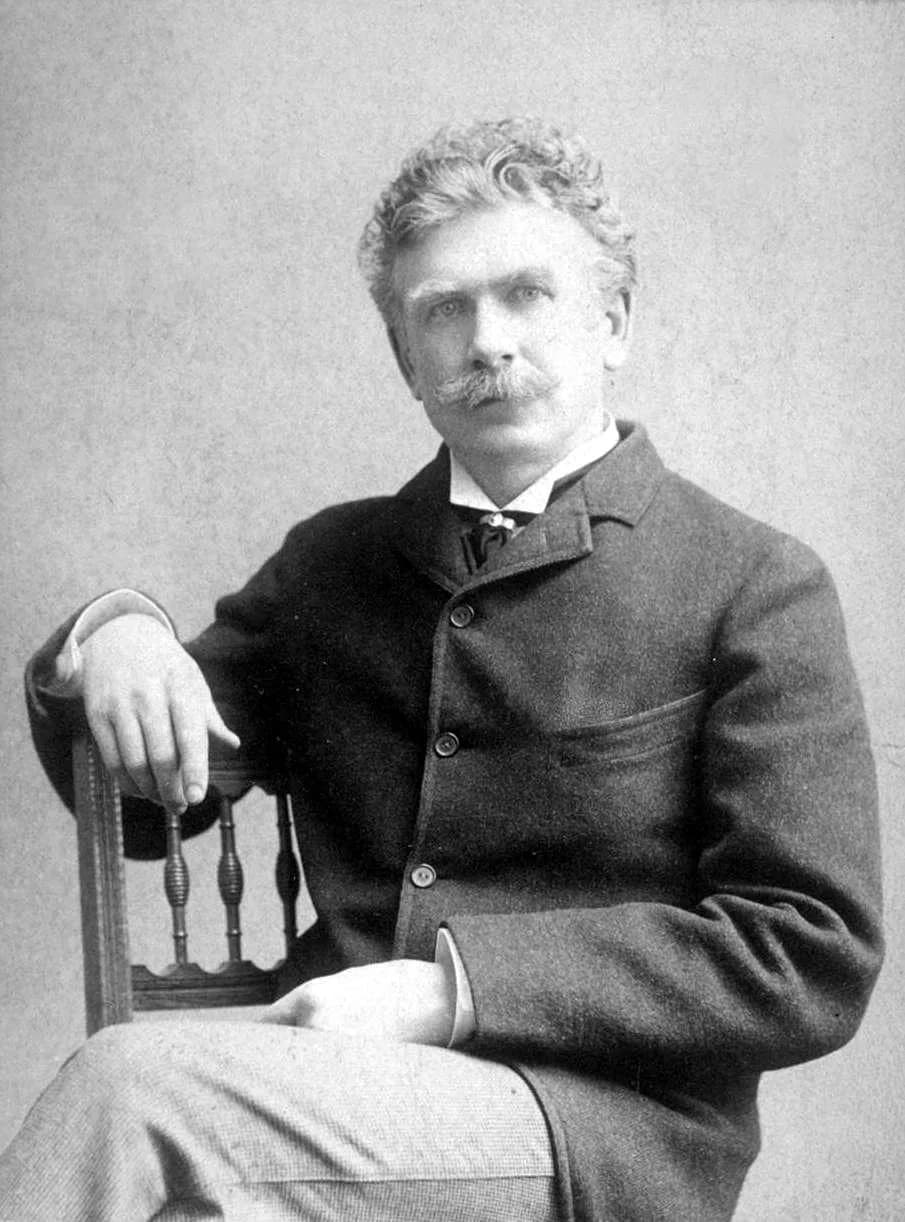
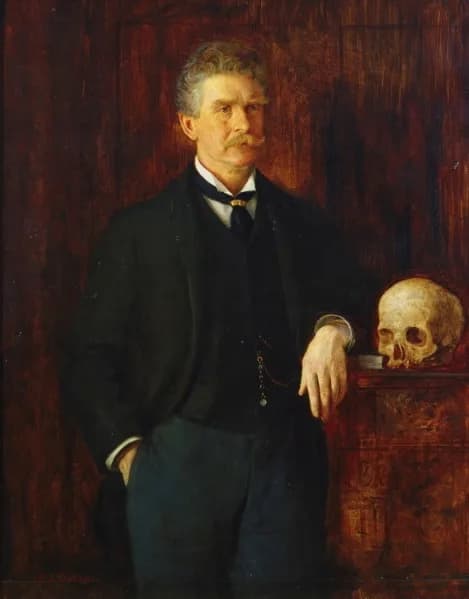
Ambrose Bierce (1842–1914) was United States best known for American editorialist, journalist, short story writer, fabulist, and satirist.
Ambrose Gwinnett Bierce (June 24, 1842 – January 1, 1914) was an American author, journalist, and poet from Meigs County. He was a pioneering writer of realist fiction and a masterful satirist whose war stories influenced literary figures like Stephen Crane. His horror writing is often compared to Edgar Allan Poe and H. P. Lovecraft.
Život v okamžicích
Okamžiky, které utvářely život


Kapitola
Životní kapitoly
Kapitola 1 · 1842· Kapitola 1 z 6
Early Life and Origins
Ambrose Bierce was born on June 24, 1842, in Meigs County, United States. His early life unfolded against the backdrop of a growing nation, and his experiences during this formative period would later deeply inform his unique perspective. While specific details of his family and upbringing are not extensively provided, his later career would demonstrate a profound understanding of human struggle and societal critique.
Kapitola 2· Kapitola 2 z 6
Career Beginnings
Bierce's literary journey truly began with his service in the American Civil War, an experience that profoundly shaped his writing. After the war, he transitioned into journalism, becoming a prolific and influential voice in American newspapers. This period allowed him to hone his skills as a satirist and social commentator, establishing the foundation for his distinct literary style.
Kapitola 3· Kapitola 3 z 6
Major Achievements and Career Highlights
Throughout his career, Ambrose Bierce was regarded as one of the most influential journalists in the United States. He was also a pioneering writer of realist fiction, known for his stark and often dark portrayals of life and conflict. Michael Dirda ranked his horror writing alongside the likes of Edgar Allan Poe and H. P. Lovecraft, highlighting his mastery of the genre. S. T. Joshi, a scholar, even speculates that Bierce "may well be the greatest satirist America has ever produced," placing him in the company of historical figures like Juvenal, Swift, and Voltaire.
His war stories, particularly, held considerable sway, influencing subsequent literary giants such as Stephen Crane and Ernest Hemingway. Beyond his fiction and journalism, Bierce was an influential and feared literary critic, known for his candid and rigorous assessments. In more recent decades, his contributions as a fabulist and poet have also garnered increased appreciation and respect, showcasing his versatile literary talent.
Kapitola 4· Kapitola 4 z 6
Notable Works or Contributions
Ambrose Bierce's bibliography includes a diverse array of compelling works that showcase his range as a writer. Among his celebrated collections are "The Fiend's Delight" and "Can Such Things Be?," which feature many of his characteristic short stories. His profound experience in the Civil War found expression in "Ambrose Bierce's Civil War," a compilation that remains a powerful testament to the realities of conflict. "Dāyirat al-maʻārif-i shayṭān," also known as The Devil's Dictionary, stands as a crowning achievement in satire, offering cynical yet often truthful definitions of common words.
He also contributed to collections such as "Spectral Tales" and "Ghost stories," cementing his reputation as a master of the macabre and supernatural. Bierce's poetic endeavors, while less widely known than his prose, also reveal his sharp observational skills and unique perspective. Excerpts like "Safety-Clutch," with its stark imagery of a "human ruin," and "Freedom," which wryly notes "On every wind, indeed, that blows / I hear her yell," demonstrate his ability to encapsulate profound ideas in concise verse.
Kapitola 5 · 1913· Kapitola 5 z 6
Later Years
Ambrose Bierce’s later career continued his prolific output in journalism and literature. His incisive critiques and unique fictional narratives maintained his prominent standing in the literary world. His life, however, concluded in a shroud of mystery, as he disappeared in Mexico in 1913, with his death officially recorded as January 1, 1914. This enigmatic end has only added to the legend surrounding the author.
Kapitola 6· Kapitola 6 z 6
Legacy and Impact
Ambrose Bierce's influence on American literature is undeniable and far-reaching. His pioneering approach to realist fiction helped to establish a new standard for honest and gritty storytelling. The psychological depth and chilling realism of his horror stories carved a distinct path for future authors in the genre.
His biting satire and critical perspective continue to offer valuable insights into human folly and societal structures, inspiring generations of writers and thinkers. Bierce's unique voice and courageous willingness to confront uncomfortable truths ensure his enduring place as a vital figure in the annals of American letters. He reshaped perceptions of war, morality, and the human condition through his timeless works.
Časté otázky
Často kladené otázky
Kdy zemřel(a) Ambrose Bierce?
Ambrose Bierce zemřel(a) 1. ledna 1914 v Chihuahua City, Mexico ve věku 71 let.
Kde se narodil(a) Ambrose Bierce?
Ambrose Bierce se narodil(a) v Meigs County, United States dne 24. června 1842.
Čím je Ambrose Bierce nejznámější?
Ambrose Bierce je nejznámější díky American editorialist, journalist, short story writer, fabulist, and satirist.
Kolik bylo Ambrose Bierce v době smrti?
Ambrose Bierce bylo v době smrti 71 let.
Jakou národnost měl(a) Ambrose Bierce?
Ambrose Bierce pocházel(a) z United States.
Časová osa
Život v kostce
Fotogalerie
Život v obrazech
Klikněte na jakýkoli polaroid pro zvětšení · 23 fotografií
QR kód
Sdílet tento životopis
Tisk a sdílení
Naskenujte pro návštěvu této životopisné stránky. Vytiskněte pro akce, výstavy nebo vzdělávací materiály.