Nascut
March 12, 1927
Chascomús, Argentina
Mort
March 31, 2009
Buenos Aires, Argentina
Conegut per
Argentine politician
Raúl Alfonsín (1927–2009) was Argentina best known for Argentine politician.
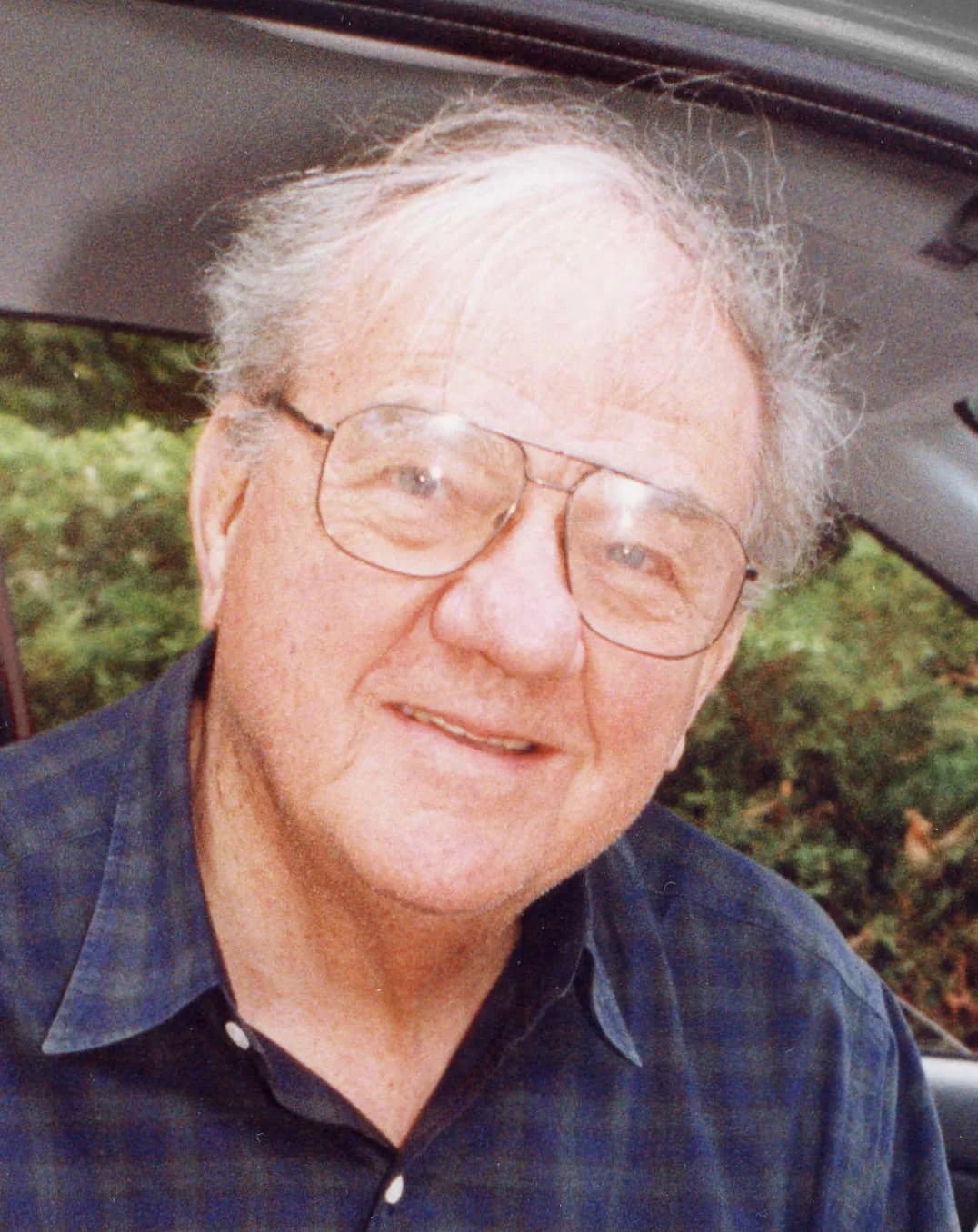
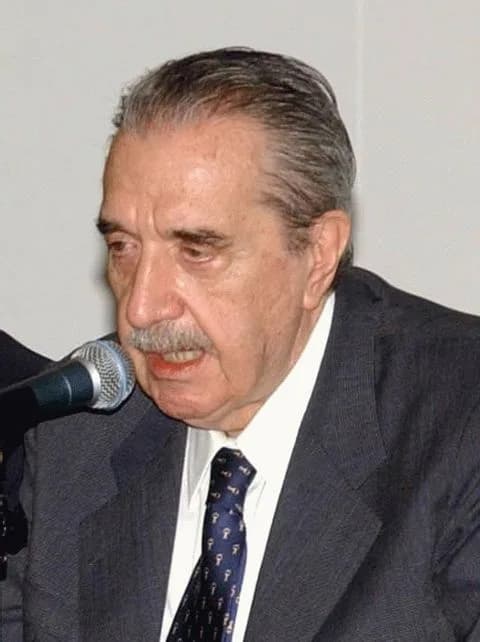
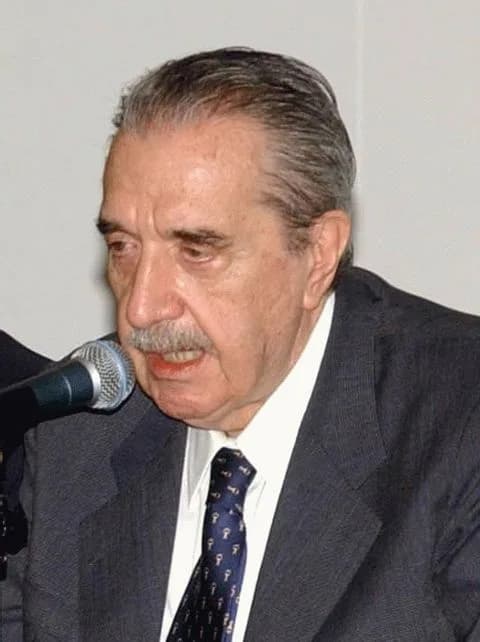
Raúl Ricardo Alfonsín (March 12, 1927 – March 31, 2009) was an Argentine lawyer and statesman. He served as the first democratically elected president of Argentina after the National Reorganization Process, from 1983 to 1989. His leadership was critical in restoring democracy and human rights to the nation.
Una vida en moments
Els moments que van marcar una vida
Capítol
Capítols de la vida
Capítol 1 · 1927· Capítol 1 de 5
Early Life and Origins
Raúl Alfonsín was born on March 12, 1927, in Chascomús, a city in the province of Buenos Aires, Argentina. His formative years in Chascomús laid the groundwork for his deep commitment to public service and democratic ideals. He pursued higher education and trained as a lawyer, a profession that would provide him with the analytical skills and legal framework crucial for his future political career.
Capítol 2· Capítol 2 de 5
Career Beginnings
After establishing himself as a lawyer, Alfonsín transitioned into the political arena, driven by a strong sense of civic duty. He identified ideologically as both a radical and a social democrat, principles that would guide his entire public life. His early political engagement led him to become a prominent member of the Radical Civic Union, a party with a long history in Argentine politics.
From these early beginnings, Alfonsín steadily built a reputation as a principled and vocal advocate for democratic values. He consistently challenged authoritarian tendencies within the country. His dedication to democratic principles prepared him for the monumental role he would later play in Argentina's political landscape.
Capítol 3 · 1983· Capítol 3 de 5
Major Achievements and Career Highlights
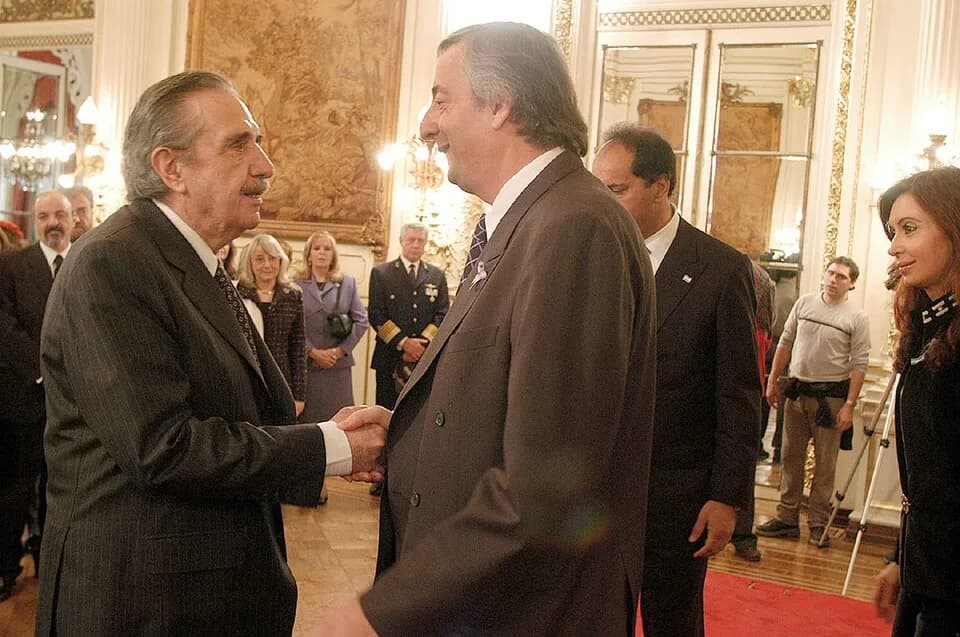
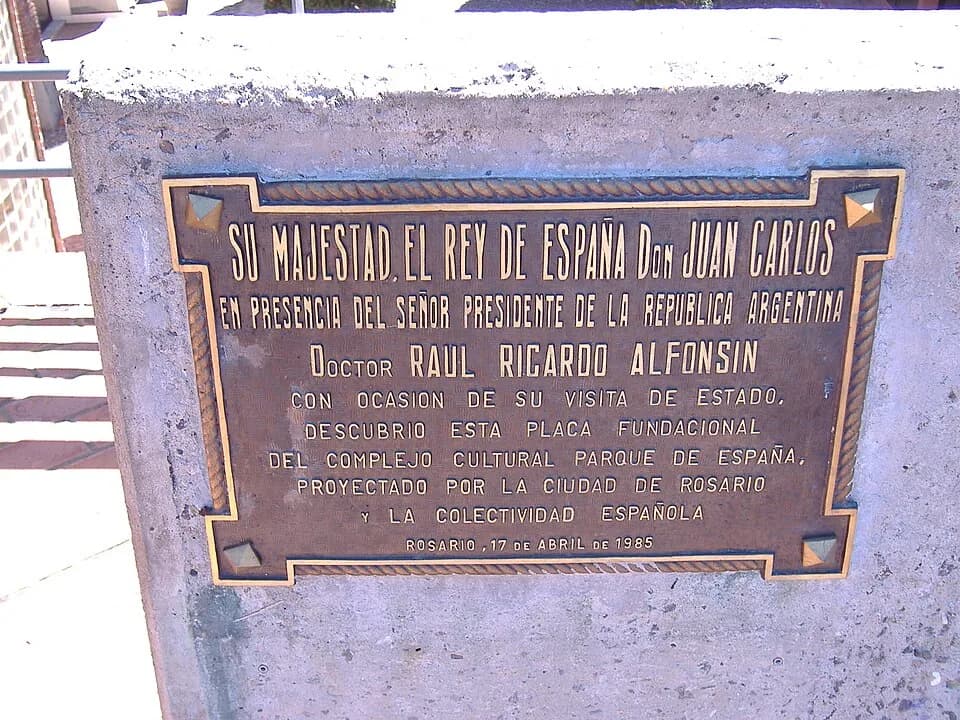
Raúl Alfonsín's most defining achievement was his presidency of Argentina, serving from December 10, 1983, to July 8, 1989. This period marked a monumental transition for the nation. He was the first democratically elected president after the National Reorganization Process, courageously leading the country back to civilian rule.
His election signaled the end of a dark chapter of military dictatorship and ushered in an era of renewed hope and democratic institution-building. Alfonsín's leadership during these challenging years was instrumental in consolidating the nascent democracy. He bravely confronted the legacy of human rights abuses and economic instability left by the previous regime.
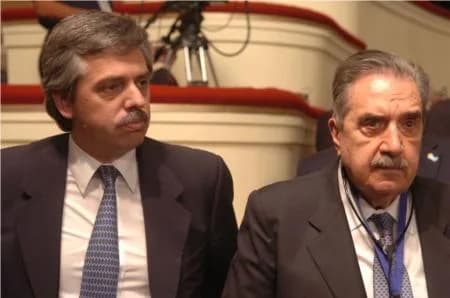
Beyond his presidential tenure, Alfonsín also held significant influence within his political party, the Radical Civic Union. He served as its esteemed leader for multiple terms: from 1983 to 1991, again from 1993 to 1995, and finally from 1999 to 2001. His consistent leadership underscored his enduring commitment to the party's principles and its role in Argentine politics.
Alfonsín's distinct political philosophy and approach became widely recognized as "Alfonsinism." This ideology blended his radical and social democratic convictions, emphasizing civic participation, human rights, and the rule of law. "Alfonsinism" shaped his policies and continued to influence political discourse in Argentina for many years.
Capítol 4 · 2001· Capítol 4 de 5
Later Years
Even after his presidency, Raúl Alfonsín remained an active and respected figure in Argentine public life. He continued to serve as the leader of the Radical Civic Union for periods, including his final term ending in 2001. His ongoing involvement demonstrated his unwavering dedication to the democratic process and his party's future.
Raúl Alfonsín passed away on March 31, 2009, in Buenos Aires, Argentina, at the age of 82. His death marked the end of an era for many Argentines, prompting widespread mourning across the nation. He was remembered for his courage, integrity, and his lasting contributions to the restoration of democracy.
Capítol 5· Capítol 5 de 5
Legacy and Impact
The legacy of Raúl Alfonsín is fundamentally tied to Argentina's return to democracy. As the first democratically elected president after military rule, he symbolized a new beginning for a nation scarred by authoritarianism. His efforts to establish accountability and strengthen democratic institutions laid a crucial foundation for subsequent governments.
His political ideology, known as "Alfonsinism," championed radical and social democratic principles, advocating for human rights and social justice. This approach influenced a generation of Argentine politicians and citizens, embedding a deeper commitment to democratic values within the national consciousness. Alfonsín's unwavering belief in peaceful transitions and civilian government remains a cornerstone of his enduring impact.
Raúl Alfonsín is remembered as a courageous leader who steered Argentina through one of its most challenging periods, securing its path towards sustained democracy. His life's work continues to inspire those who believe in the power of democratic ideals and the importance of civic leadership. He remains a national hero in Argentina, celebrated for his strong commitment to freedom and justice.
FAQ
Preguntes freqüents
Quan va morir Raúl Alfonsín?
Raúl Alfonsín va morir el 31 de març del 2009 a Buenos Aires, Argentina, als 82 anys.
On va néixer Raúl Alfonsín?
Raúl Alfonsín va néixer a Chascomús, Argentina el 12 de març del 1927.
Per què és més conegut/da Raúl Alfonsín?
Raúl Alfonsín és conegut/da sobretot per Argentine politician.
Quants anys tenia Raúl Alfonsín quan va morir?
Raúl Alfonsín tenia 82 anys en el moment de la seva mort.
Quina nacionalitat tenia Raúl Alfonsín?
Raúl Alfonsín era de Argentina.
Cronologia
La vida en un cop d'ull
Galeria de fotos
Una vida en imatges
Feu clic a qualsevol polaroid per ampliar · 47 fotos
Codi QR
Comparteix aquesta biografia
Imprimeix i comparteix
Escaneja per visitar aquesta pàgina de biografia. Imprimeix per a esdeveniments, exposicions o materials educatius.