Nascut
May 28, 1900
Yesan County, South Korea
Mort
December 18, 1955
Pyongyang, North Korea
Conegut per
North Korean politician
Park Hon-young (1900–1955) was South Korea best known for North Korean politician.
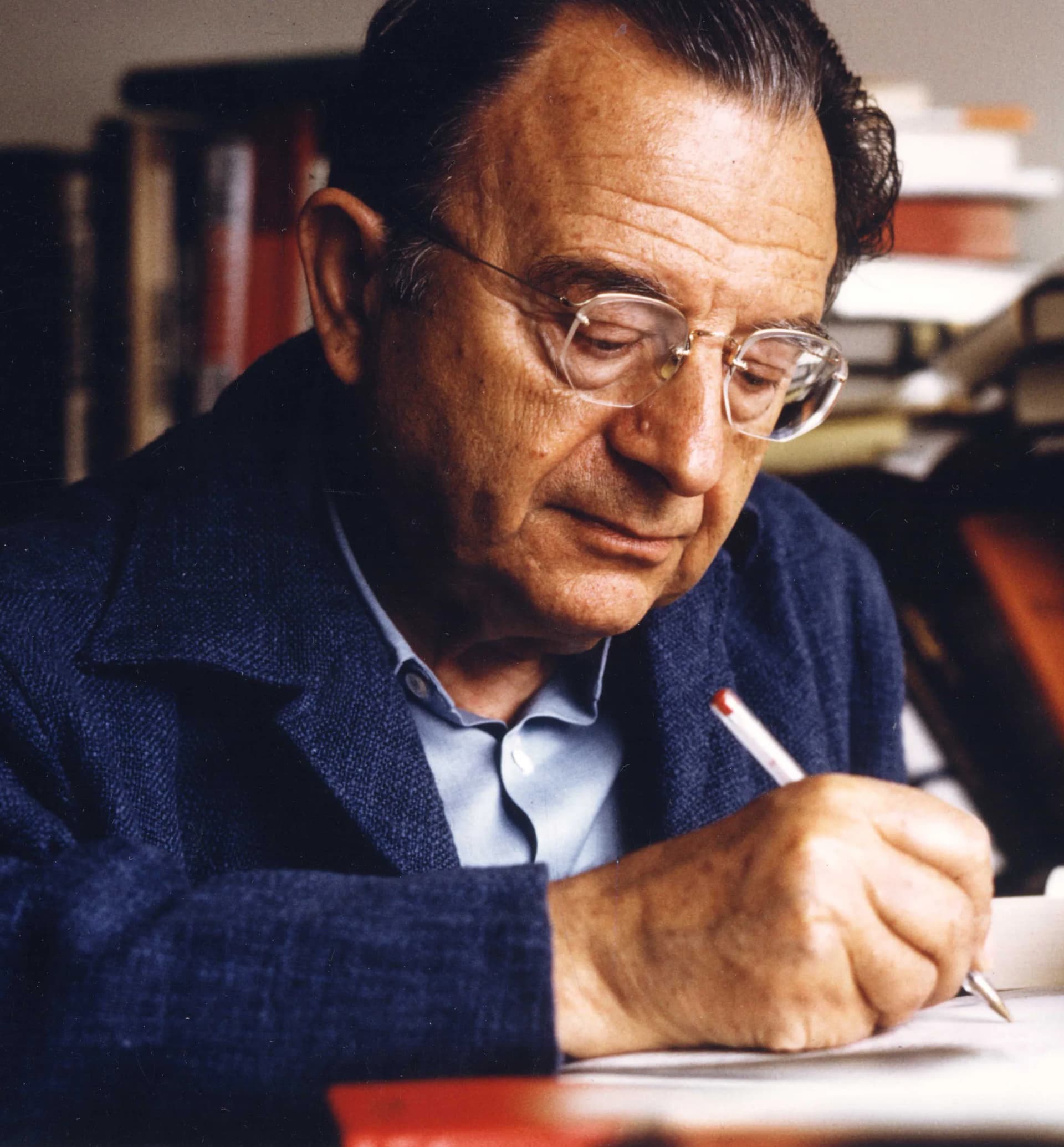
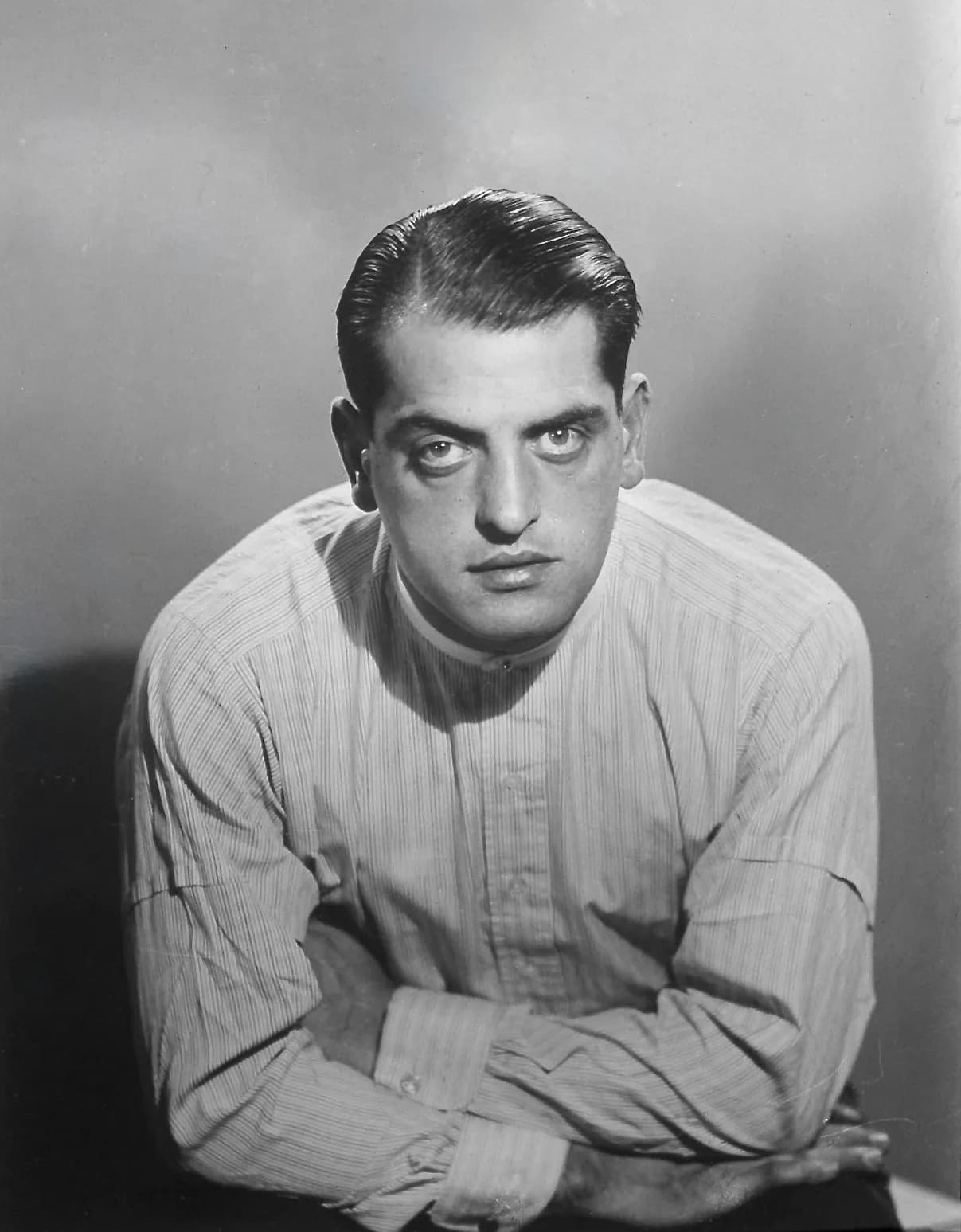
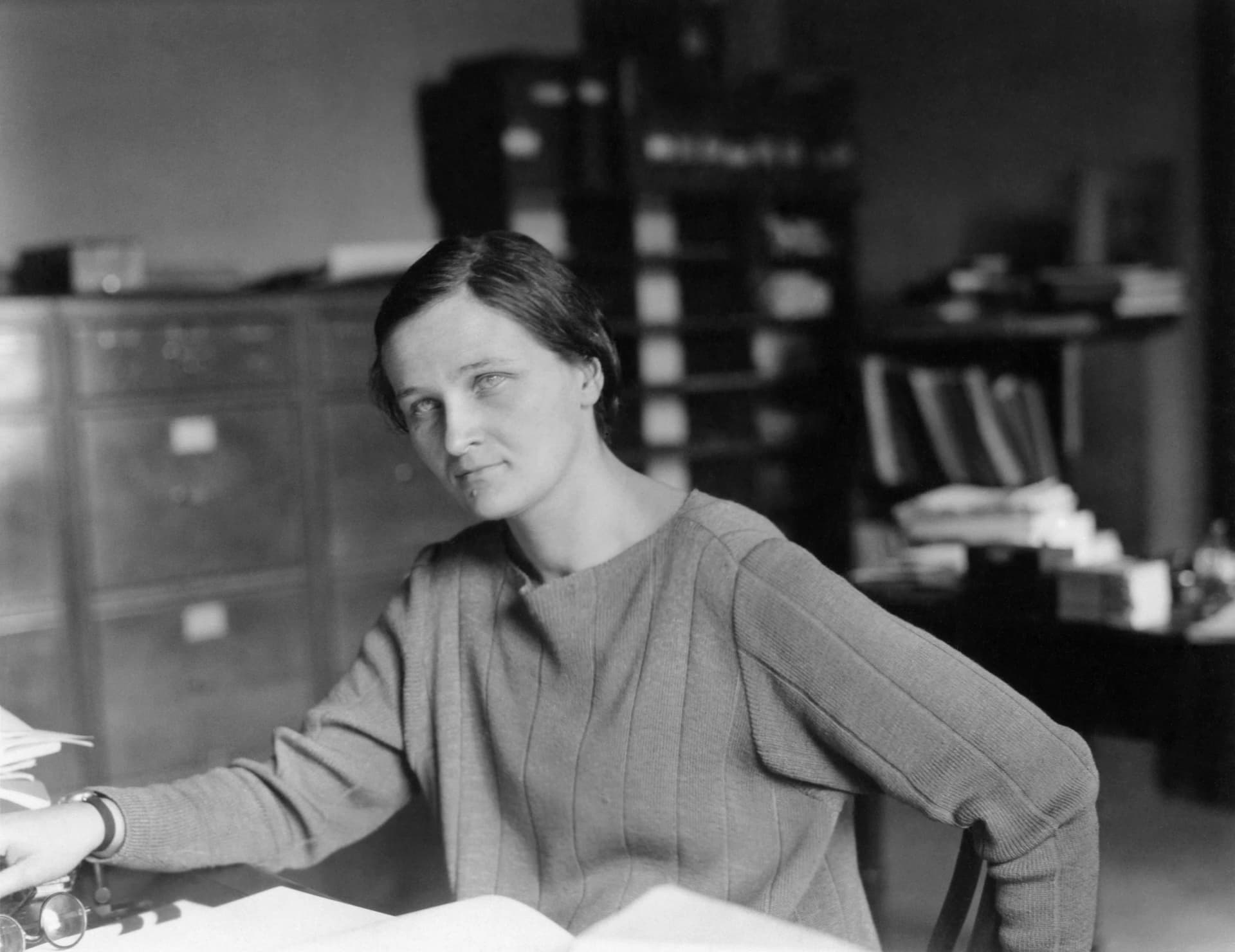
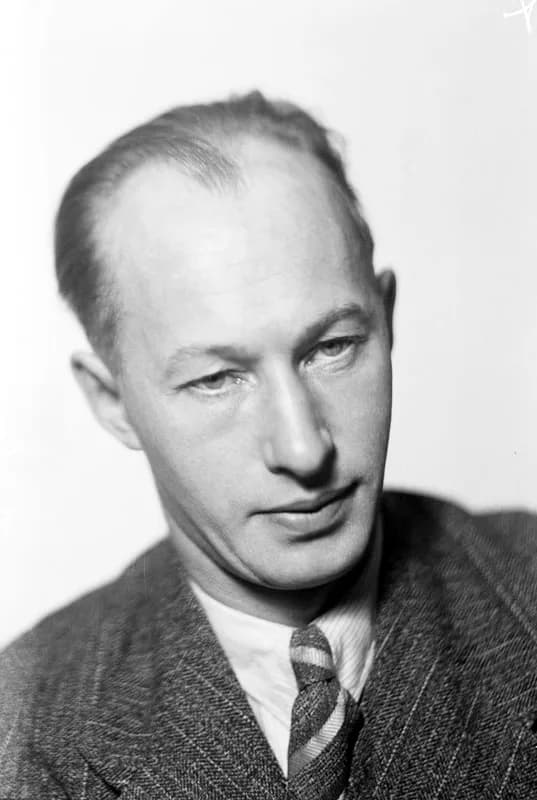
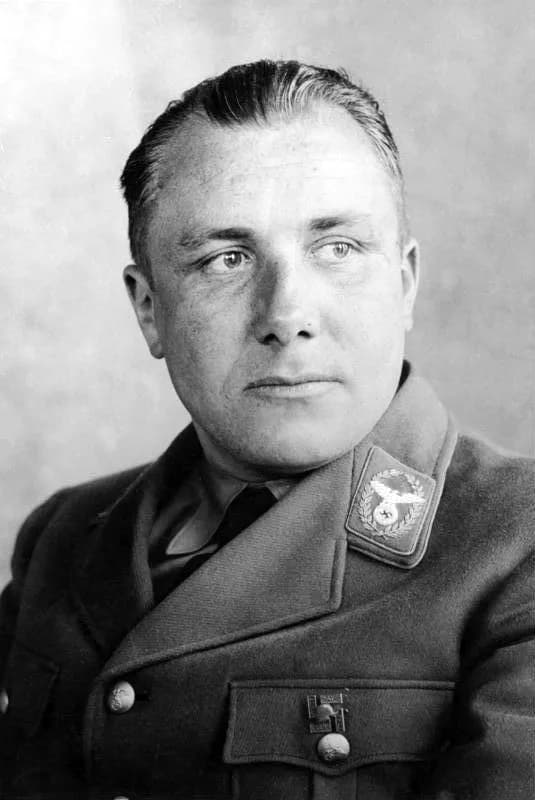
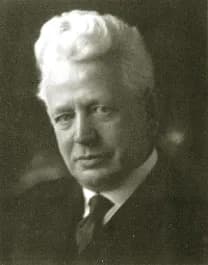
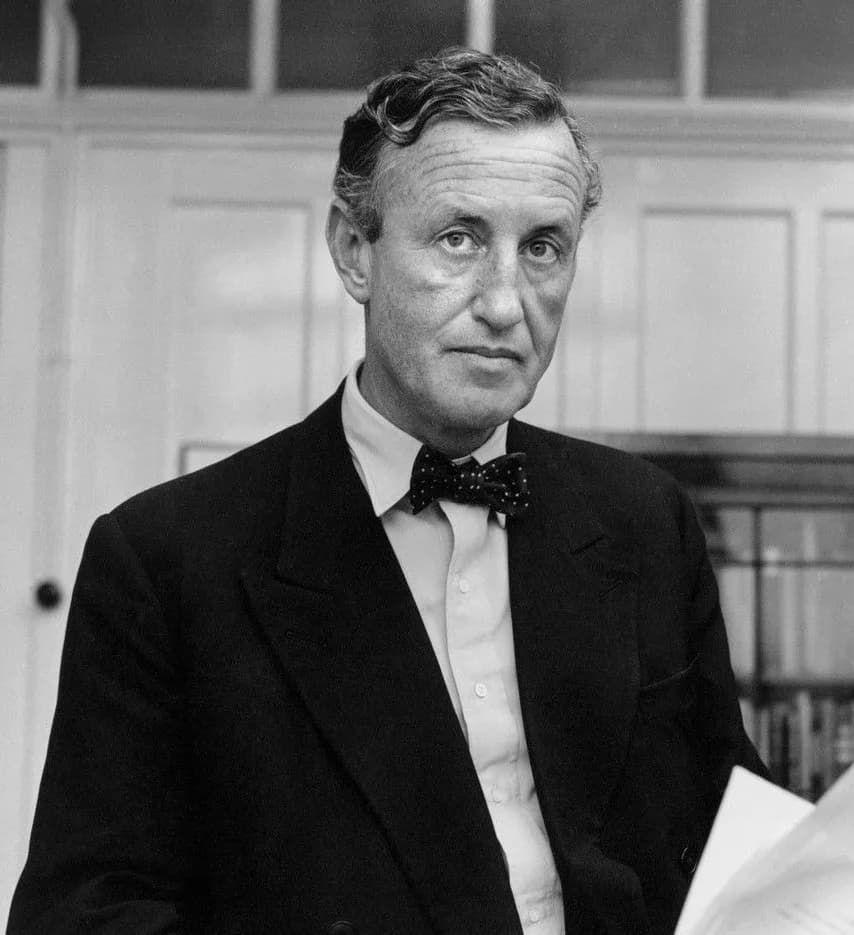
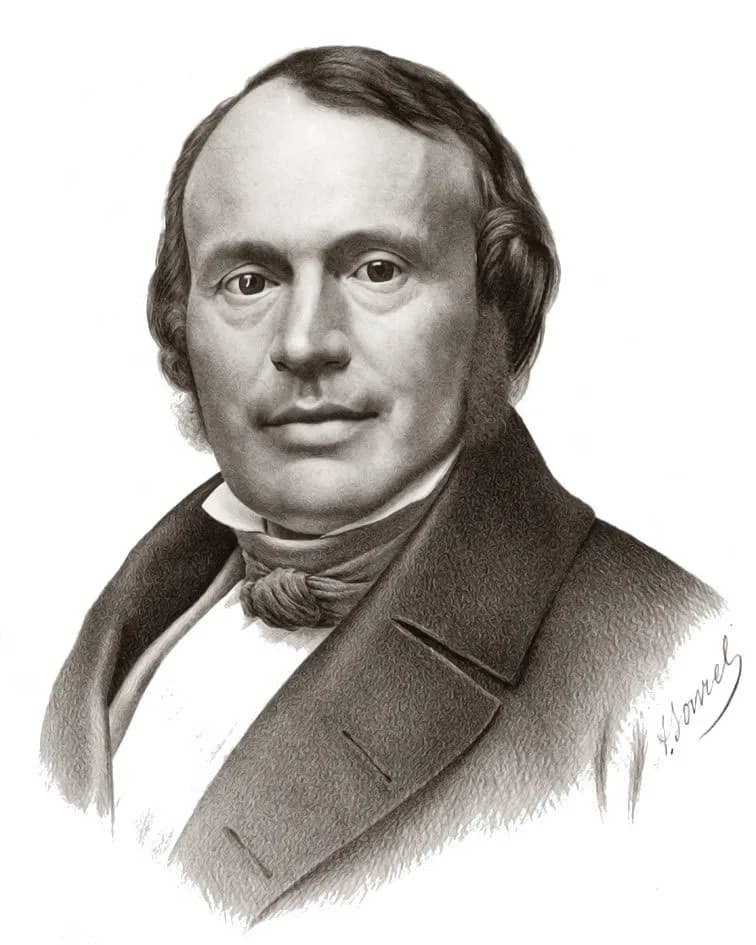
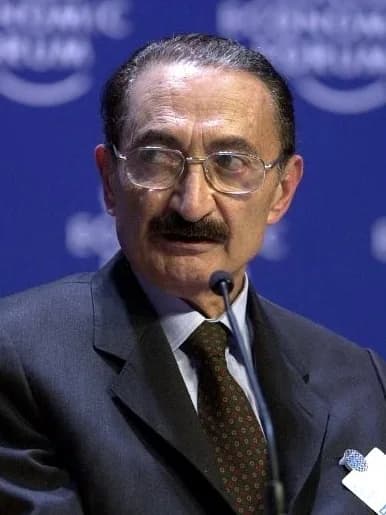
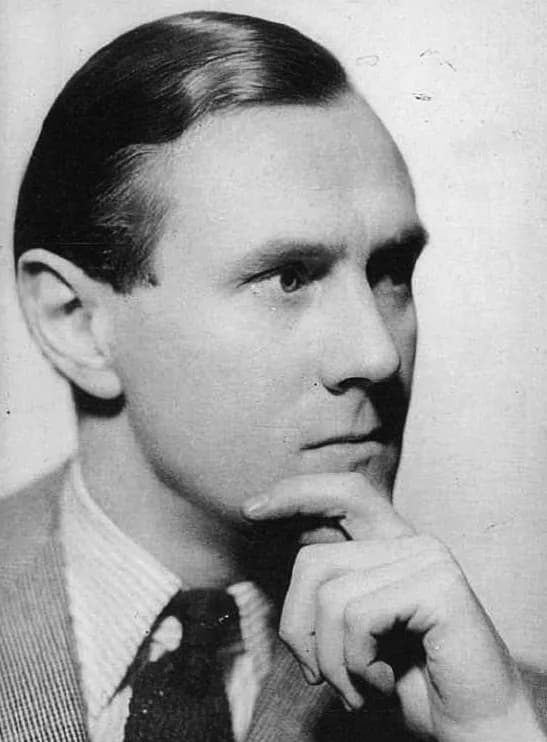
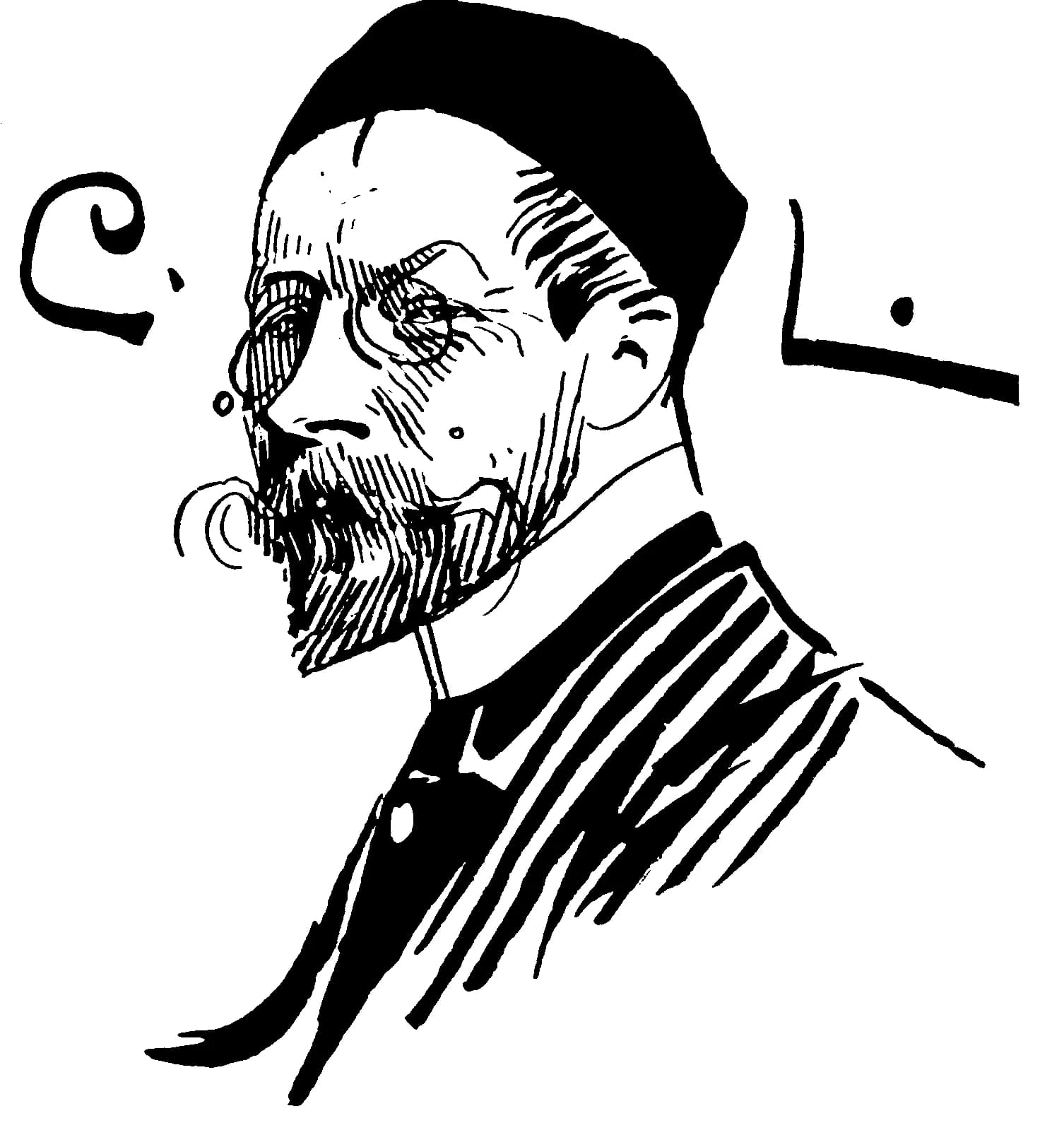
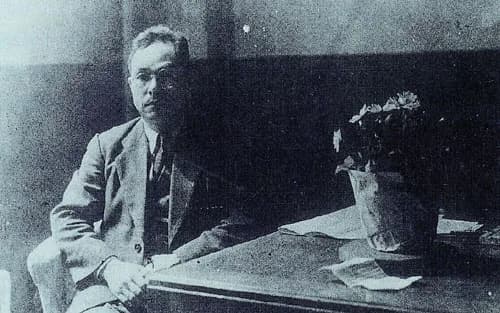
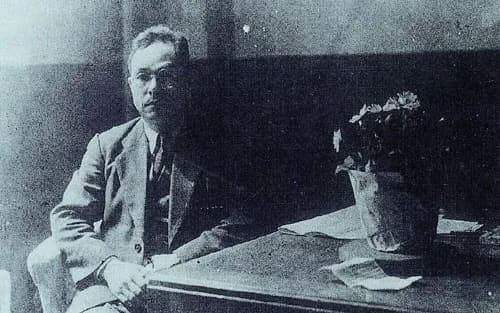
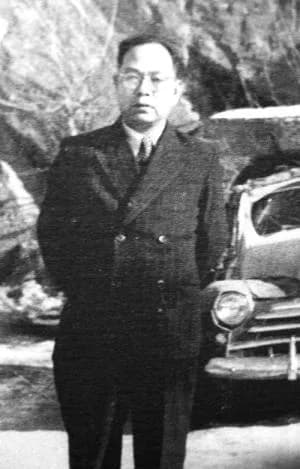
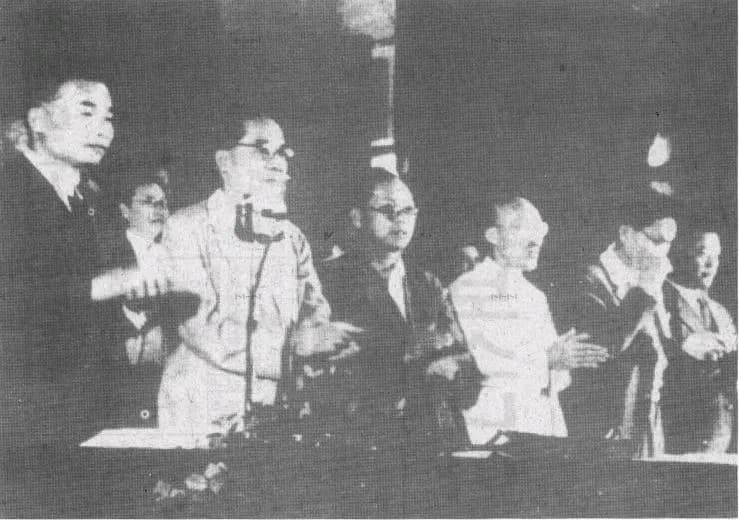
Park Hon-young (May 28, 1900 – December 18, 1955) was a North Korean politician from Yesan County, South Korea. He was a central figure in the Korean communist movement during Japanese colonial rule and an independence activist. His legacy as a writer, journalist, and spy continues to be examined for his role in Korean history.
Una vida en moments
Els moments que van marcar una vida
Capítol
Capítols de la vida
Capítol 1 · 1900· Capítol 1 de 7
Early Life and Origins
Park Hon-young was born on May 28, 1900, in Yesan County, located in what is now South Korea. His early life unfolded during a period of immense change and growing Japanese influence on the Korean peninsula. The exact details of his family and early upbringing are not widely documented, but this era undoubtedly shaped his burgeoning political consciousness.
He grew up witnessing the increasing suppression of Korean sovereignty, which likely fueled his later dedication to independence activism. This early exposure to colonial oppression laid the groundwork for his future commitment to revolutionary ideals and national liberation.
Capítol 2· Capítol 2 de 7
Career Beginnings
Park Hon-young began his career as a fervent Korean independence activist, dedicating himself to resisting Japanese colonial rule. He immersed himself in political philosophy, particularly communist ideologies, which he believed offered a path to liberation and a more equitable society for Korea. His early activities quickly established him as a significant figure within nascent political movements opposing foreign domination.
This foundational period saw him embrace the principles that would guide his lifelong political endeavors. He became a committed communist activist, working tirelessly to organize and mobilize against the colonial regime, setting the stage for his future leadership role.
Capítol 3 · 1910· Capítol 3 de 7
Major Achievements and Career Highlights
Park Hon-young became one of the main leaders of the Korean communist movement, a critical force during Japan's colonial rule from 1910 to 1945. His leadership was instrumental in organizing and guiding resistance efforts against the Japanese occupation. His strategic mind and organizational skills were key assets in the communist struggle for control in Korea.
As a prominent North Korean politician, he continued to exert influence in the post-liberation era following the end of World War II and the division of the peninsula. His political career transitioned from an underground activist to a visible state figure, reflecting his enduring commitment to his cause.
Capítol 4· Capítol 4 de 7
Personal Life
Details regarding Park Hon-young's personal life, family, and relationships are not extensively documented in the provided information. His public persona and political commitments appear to have been the dominant aspects of his recorded history. As with many figures deeply involved in clandestine political movements, aspects of his private world were often kept out of public view to protect his work and associates.
Capítol 5· Capítol 5 de 7
Notable Works or Contributions
Beyond his political leadership, Park Hon-young was also recognized for his intellectual contributions as a writer and journalist. He utilized these professions to articulate his political philosophies and communicate with a broader audience. Through his writings, he disseminated communist ideas and rallied support for the Korean independence cause.
His journalistic work provided a platform for expressing resistance against colonial policies and advocating for social change. He used the power of the pen to inform, persuade, and inspire, making his literary and media activities integral to his overall political strategy.
Capítol 6 · 1955· Capítol 6 de 7
Later Years
Park Hon-young's later years were spent as a politician in North Korea, following the division of the Korean peninsula. He died on December 18, 1955, in Pyongyang, the capital of North Korea. His passing marked the end of a life fully committed to political activism and the communist movement.
The circumstances of his final years, while occurring in a newly established state, reflect his unwavering commitment to his political ideals. His later career involved navigating the complex political landscape of the nascent North Korean state, where he continued to play a significant role.
Capítol 7· Capítol 7 de 7
Legacy and Impact
Park Hon-young's legacy is complex, shaped by his role as a main leader of the Korean communist movement and a North Korean politician. He is remembered as a pivotal figure in Korea's struggle for independence from Japan, dedicating his life to political activism and resistance. His influence as an independence activist, communist leader, writer, journalist, and even a spy speaks to the depth of his involvement in the political changes of his time.
His actions and beliefs continue to be analyzed for their lasting impact on Korean history and the ideological divisions that persist today. Park Hon-young remains a significant, albeit often debated, figure whose contributions to Korean political thought and action are undeniable.
FAQ
Preguntes freqüents
Quan va morir Park Hon-young?
Park Hon-young va morir el 18 de desembre del 1955 a Pyongyang, North Korea, als 55 anys.
On va néixer Park Hon-young?
Park Hon-young va néixer a Yesan County, South Korea el 28 de maig del 1900.
Per què és més conegut/da Park Hon-young?
Park Hon-young és conegut/da sobretot per North Korean politician.
Quants anys tenia Park Hon-young quan va morir?
Park Hon-young tenia 55 anys en el moment de la seva mort.
Quina nacionalitat tenia Park Hon-young?
Park Hon-young era de South Korea.
Cronologia
La vida en un cop d'ull
Galeria de fotos
Una vida en imatges
Feu clic a qualsevol polaroid per ampliar · 23 fotos
Codi QR
Comparteix aquesta biografia
Imprimeix i comparteix
Escaneja per visitar aquesta pàgina de biografia. Imprimeix per a esdeveniments, exposicions o materials educatius.