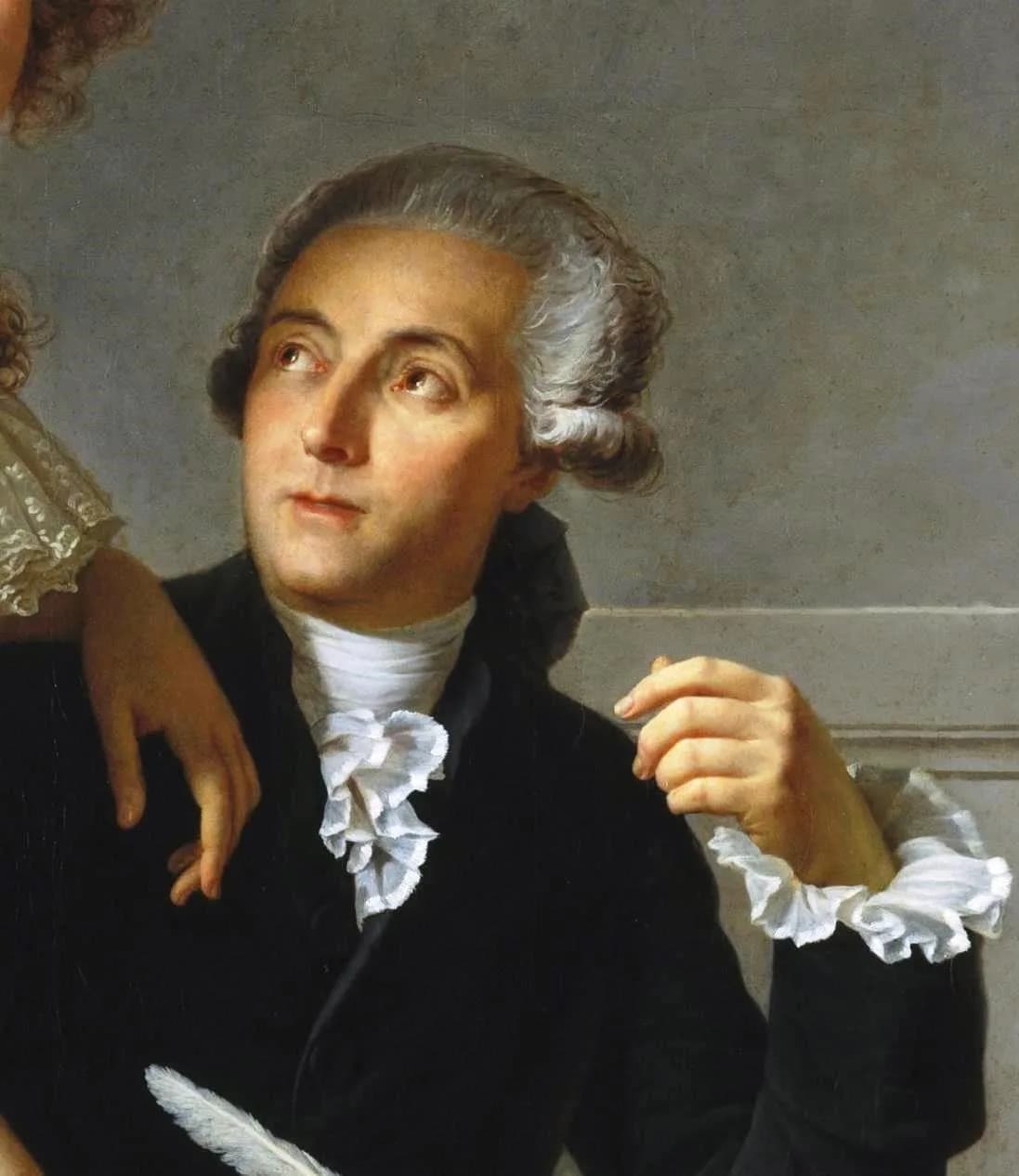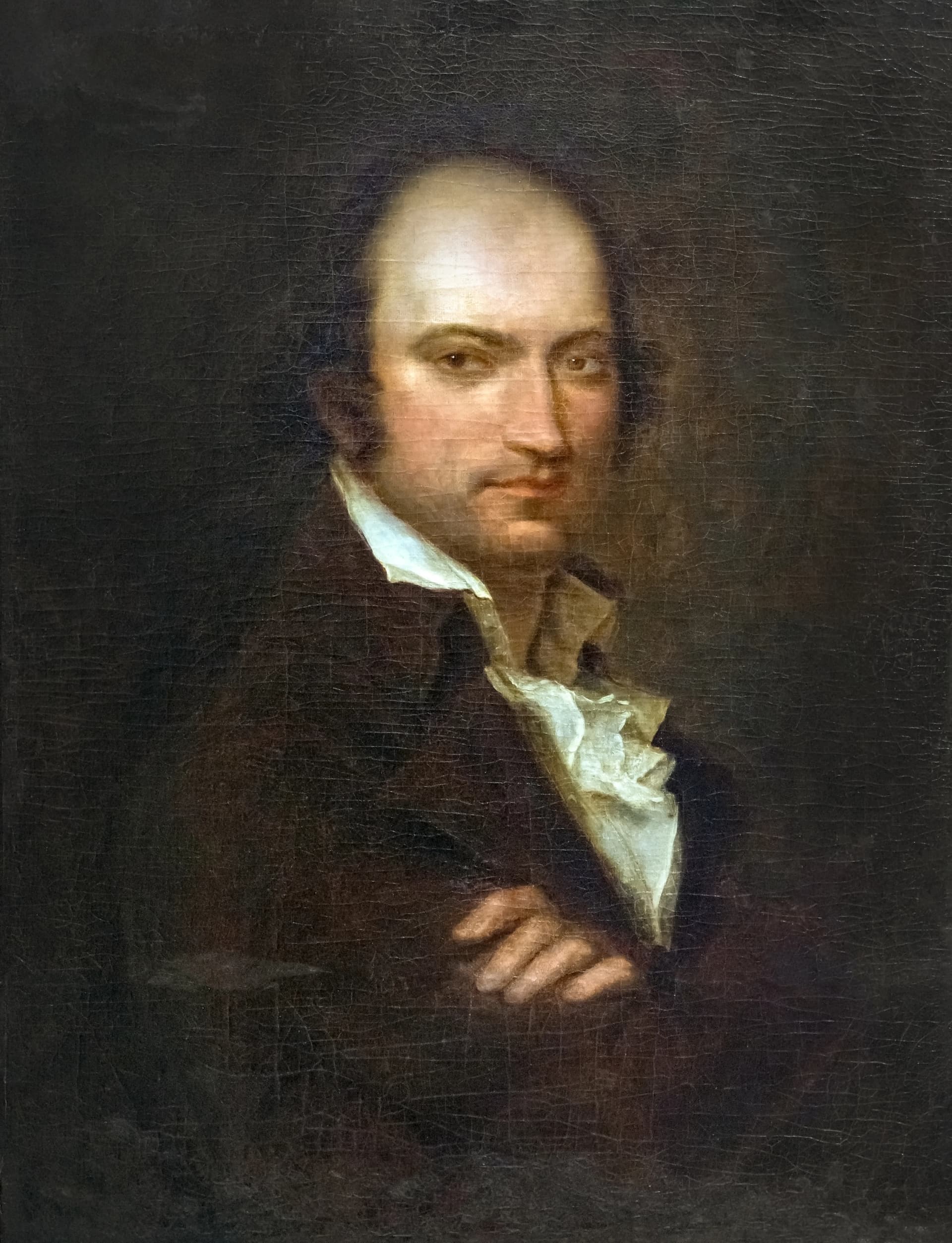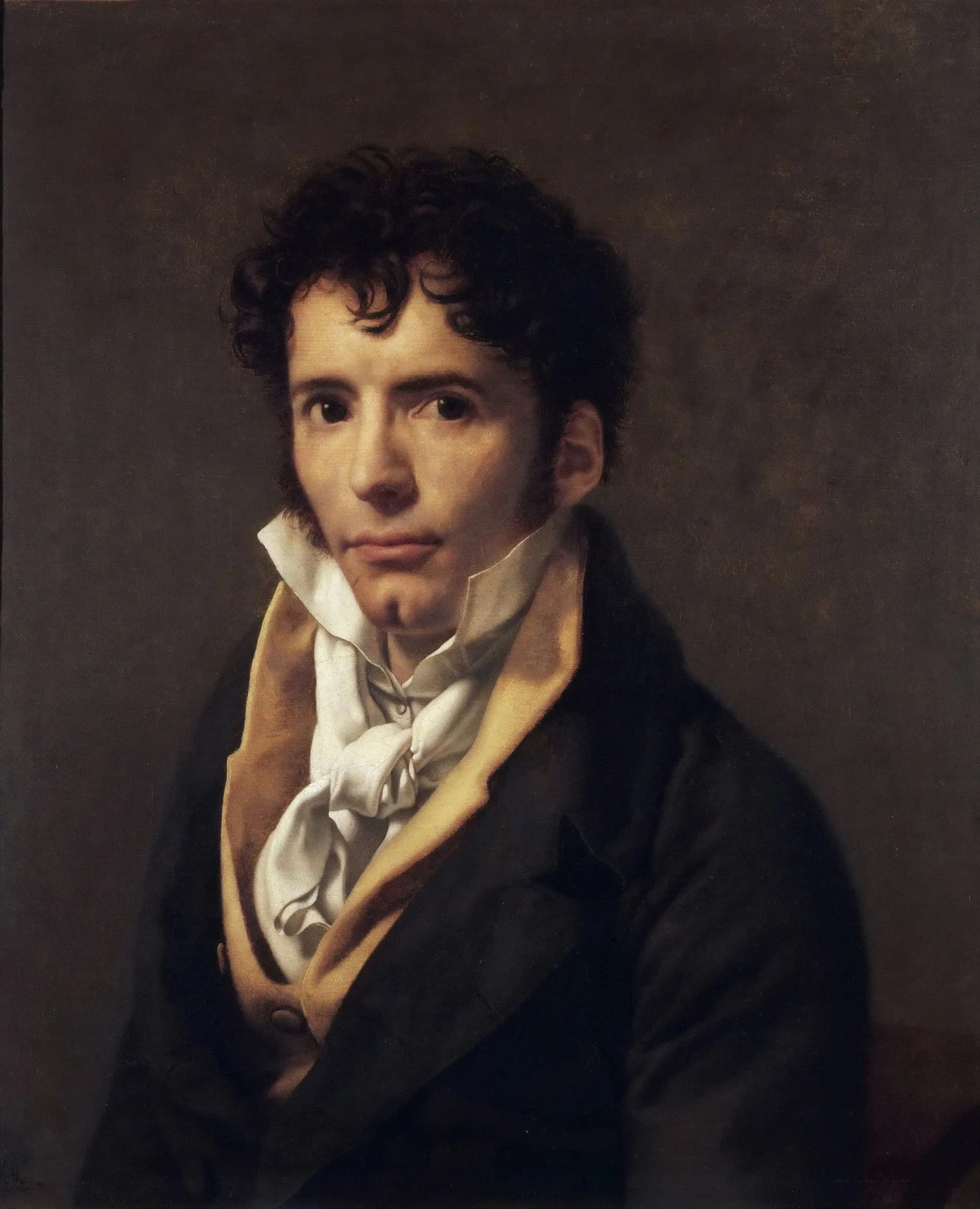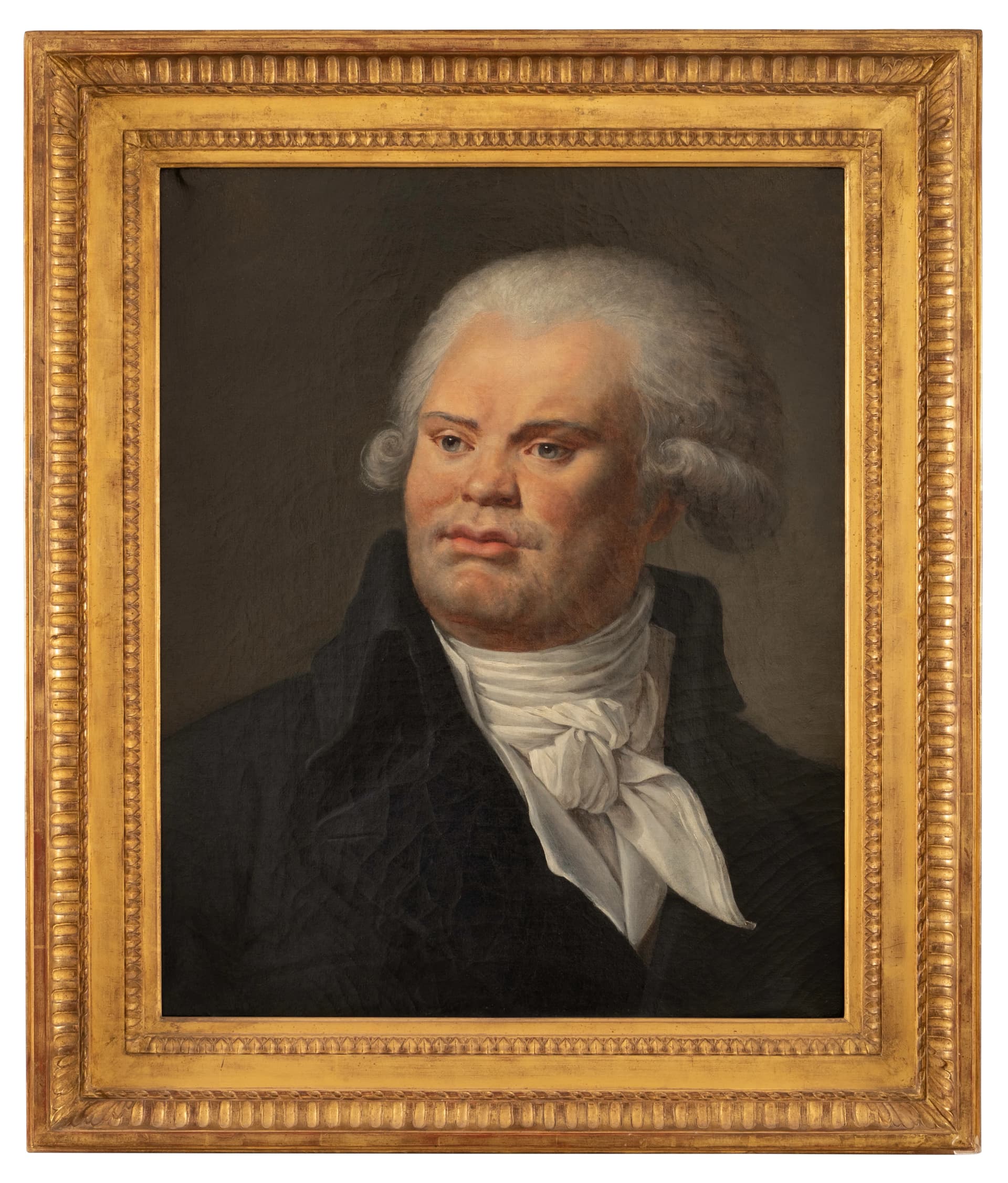
Nascut
May 6, 1758
Arras, France
Mort
July 28, 1794
Paris, France
Conegut per
French revolutionary lawyer and politician
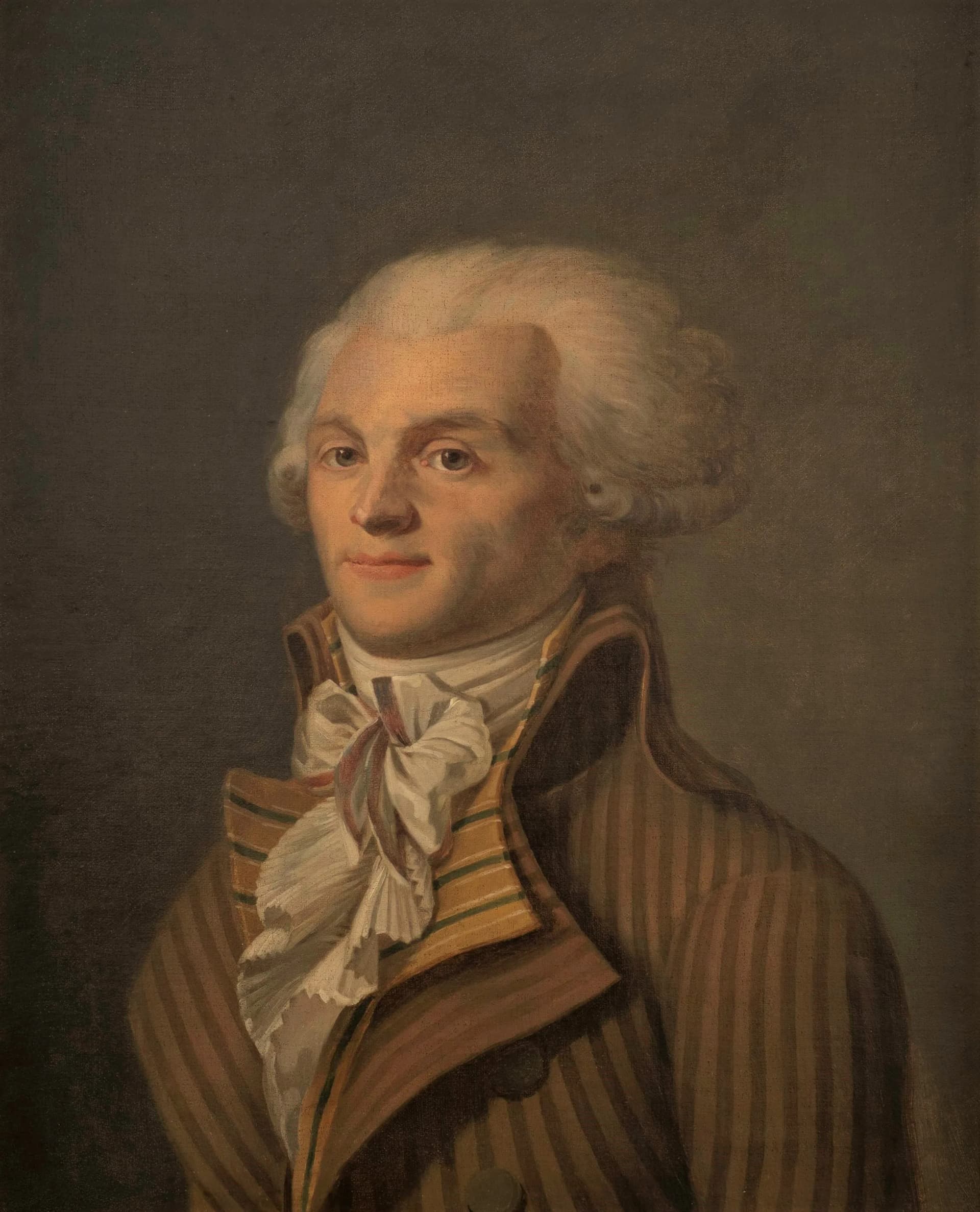
Maximilien Robespierre (1758–1794) was France best known for French revolutionary lawyer and politician.
Maximilien François Marie Isidore de Robespierre (May 6, 1758 – July 28, 1794) was a French revolutionary lawyer and politician from Arras, France. He was a leading figure of the French Revolution, advocating for voting rights for all men and the abolition of the Atlantic slave trade. His influence shaped the course of the revolution.
Una vida en moments
Els moments que van marcar una vida
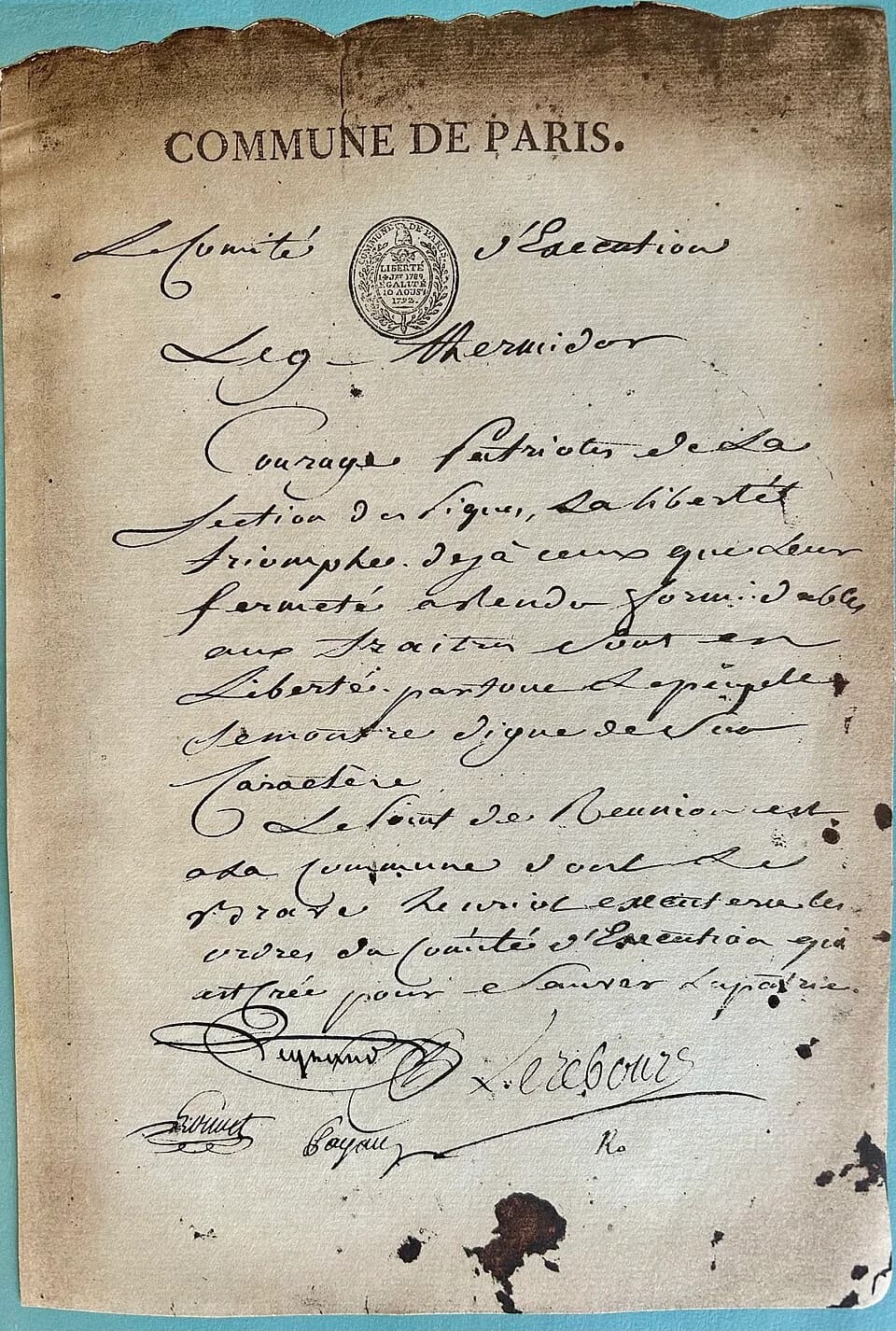
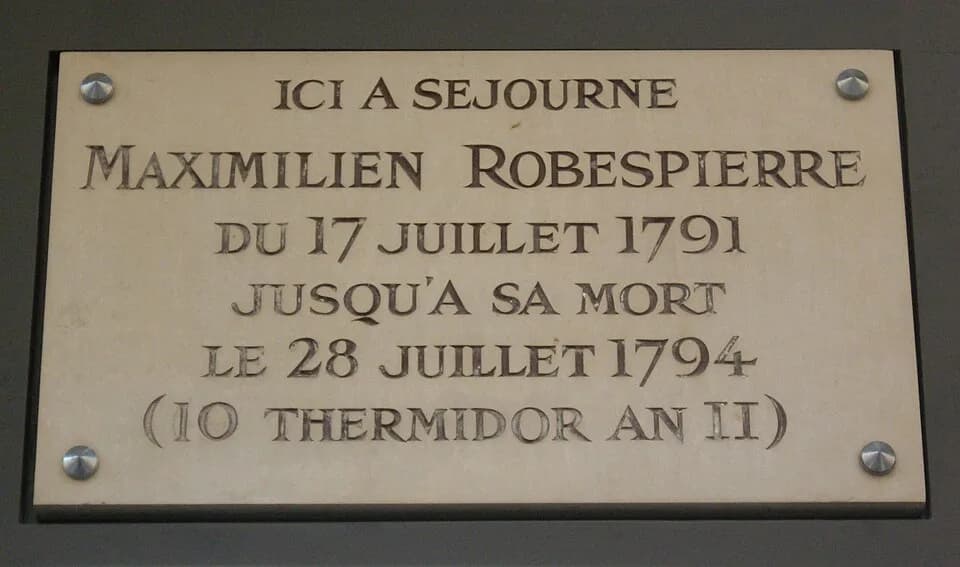
Capítol
Capítols de la vida
Capítol 1 · 1758· Capítol 1 de 6
Early Life and Origins
Born on May 6, 1758, in Arras, France, Maximilien Robespierre began his life in the northern French province of Artois. His early years in Arras laid the foundation for his later career.
Capítol 2· Capítol 2 de 6
Career Beginnings
Educated as a lawyer, Robespierre quickly established himself in the legal profession. His early work as a lawyer propelled him into public life. This background prepared him for the political struggles ahead.
Capítol 3· Capítol 3 de 6
Major Achievements and Career Highlights
Robespierre emerged as one of the most influential figures of the French Revolution. He passionately campaigned for the voting rights of all men, advocating for a truly representative government. He also pushed for their unimpeded admission to the National Guard.
His political activism extended to fundamental civil liberties. Robespierre championed the right to petition and the right to bear arms in self-defense for citizens. A significant part of his advocacy included the abolition of the Atlantic slave trade, demonstrating his commitment to broader human rights.
As a statesman, he contributed to significant revolutionary documents and reports. His "Report made to the National Convention of France in the name of the Committee of Public Safety on the political situation of France" highlights his administrative and legislative involvement during a tumultuous era.
Capítol 4· Capítol 4 de 6
Notable Works or Contributions
Maximilien Robespierre left behind a substantial body of political writings and speeches. Among his significant works are Le défenseur de la constitution, which articulated his constitutional views. He also authored The political testament of Maximil. Robertspierre, offering insights into his political thought.
His engagement with the National Convention is evident in collections like Discours et rapports à la convention. He used Lettres à ses commettans to communicate directly with his constituents. His journalistic efforts are represented by Les journaux. Robespierre’s contributions included participating in the creation of the Declaration of the rights of man and the citizen. He also publicly defended his actions, notably in Réponse de Maximilien Robespierre à l'accusation de M. Louvet, devant la Convention nationale. He even contributed to the spirit of the time with Recueil d'hymnes républicaines qui ont paru à l'occasion de la fête à l'être suprême.
Capítol 5 · 1794· Capítol 5 de 6
Later Years
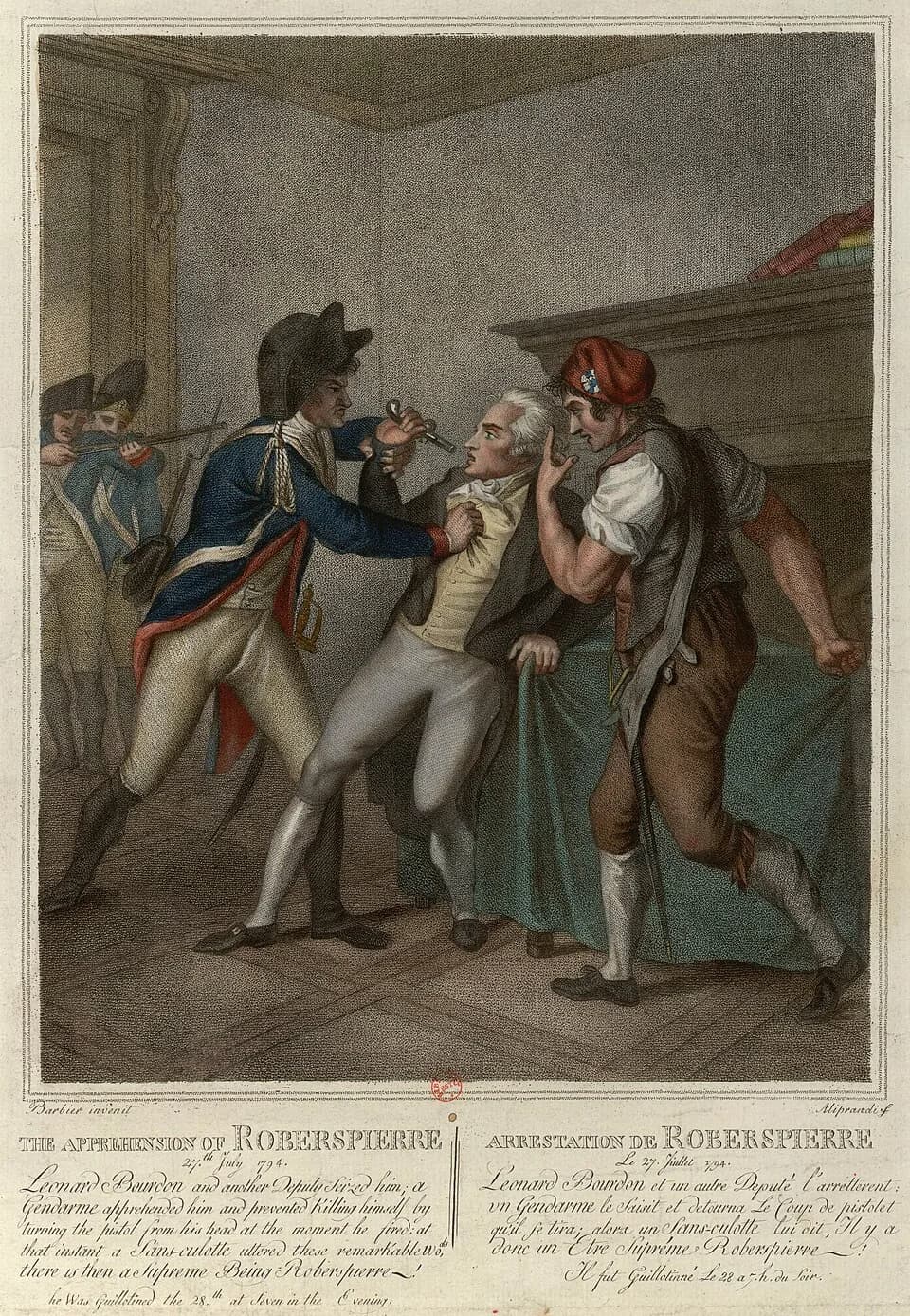
Maximilien Robespierre’s life concluded on July 28, 1794, in Paris, France. His final years were spent at the heart of revolutionary politics, marking the culmination of his impactful career.
Capítol 6· Capítol 6 de 6
Legacy and Impact
Robespierre remains widely recognized as a defining force of the French Revolution. His determined efforts for universal male suffrage, citizen rights, and the abolition of slavery left a lasting imprint on French society and beyond. He shaped the revolutionary period, influencing debates on liberty and equality for generations.
FAQ
Preguntes freqüents
Quan va morir Maximilien Robespierre?
Maximilien Robespierre va morir el 28 de juliol del 1794 a Paris, France, als 36 anys.
On va néixer Maximilien Robespierre?
Maximilien Robespierre va néixer a Arras, France el 6 de maig del 1758.
Per què és més conegut/da Maximilien Robespierre?
Maximilien Robespierre és conegut/da sobretot per French revolutionary lawyer and politician.
Quants anys tenia Maximilien Robespierre quan va morir?
Maximilien Robespierre tenia 36 anys en el moment de la seva mort.
Quina nacionalitat tenia Maximilien Robespierre?
Maximilien Robespierre era de France.
Cronologia
La vida en un cop d'ull
Galeria de fotos
Una vida en imatges
Feu clic a qualsevol polaroid per ampliar · 50 fotos
Codi QR
Comparteix aquesta biografia
Imprimeix i comparteix
Escaneja per visitar aquesta pàgina de biografia. Imprimeix per a esdeveniments, exposicions o materials educatius.