Nascut
June 21, 1863
Heidelberg, Germany
Mort
October 3, 1932
Heidelberg, Germany
Conegut per
German astrophotography pioneer
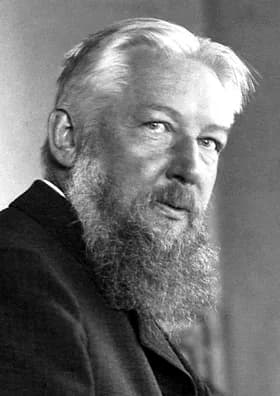
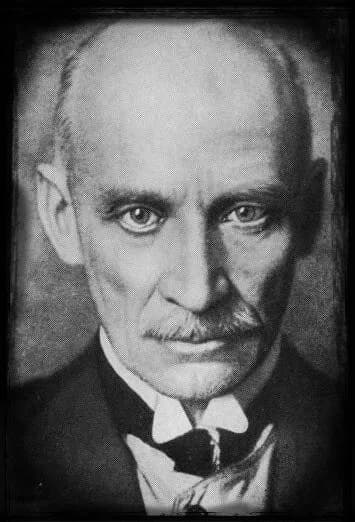
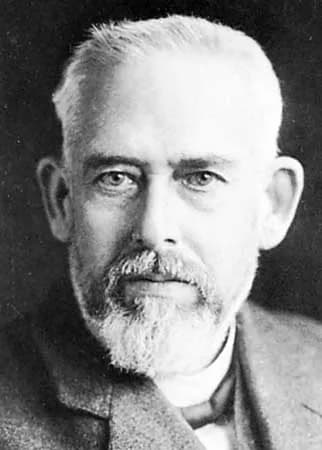
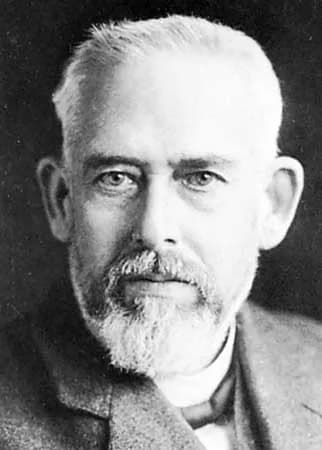
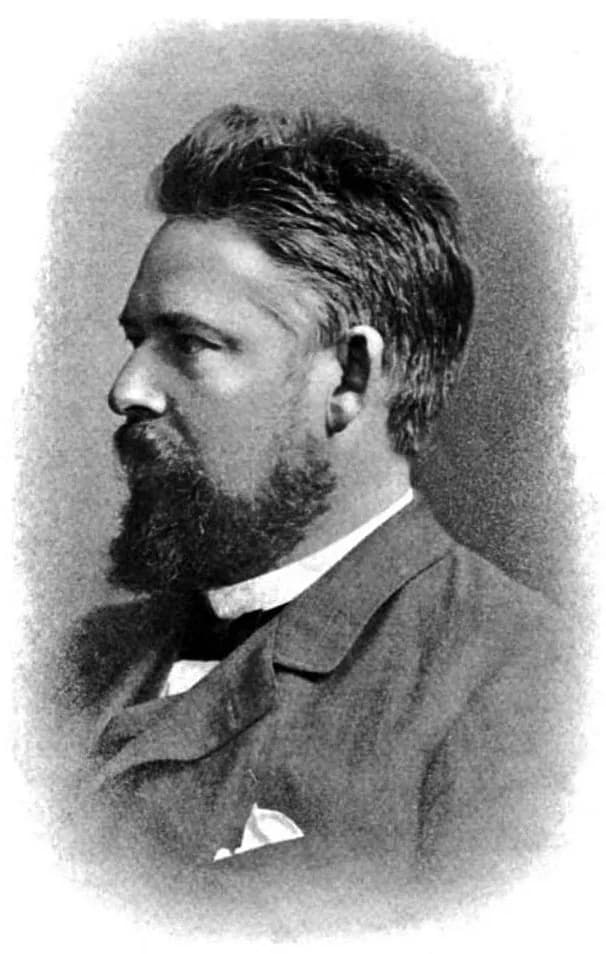
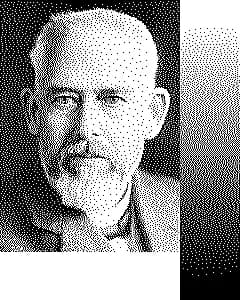
Max Wolf (1863–1932) was Germany best known for German astrophotography pioneer.
Max Wolf (June 21, 1863 – October 3, 1932) was a German astronomer and astrophotography pioneer from Heidelberg, Germany. He led the Heidelberg-Königstuhl State Observatory, revolutionizing astronomical observation. His work laid foundational techniques for capturing celestial objects, leaving a lasting impact on the field.
Una vida en moments
Els moments que van marcar una vida
Capítol
Capítols de la vida
Capítol 1 · 1863· Capítol 1 de 6
Early Life and Origins
Maximilian Franz Joseph Cornelius Wolf was born in the historic city of Heidelberg, Germany, on June 21, 1863. Growing up in Heidelberg, a city renowned for its rich academic tradition, undoubtedly influenced his early intellectual pursuits. This environment fostered a deep curiosity about the natural world and the sciences.
Details about his specific family and upbringing are not extensively documented in public records. However, it is clear that his early experiences cultivated a path toward scientific exploration. His educational journey prepared him for a distinguished career that would eventually place him at the forefront of astronomical innovation.
Capítol 2· Capítol 2 de 6
Career Beginnings
Max Wolf quickly established himself as a forward-thinking astronomer, moving beyond traditional visual observation methods. He recognized the immense potential of photography to capture faint celestial objects that were otherwise invisible to the human eye. This insight marked the beginning of his pioneering work in astrophotography.
His early efforts involved meticulously perfecting the techniques required to photograph the night sky with unprecedented detail. Through persistent experimentation, he developed methods that transformed astronomical observation. This commitment to photographic innovation set the stage for his significant contributions to the field.
Capítol 3· Capítol 3 de 6
Major Achievements and Career Highlights
Max Wolf's career was marked by a series of significant advancements that solidified his reputation as a leading figure in astronomy. He became a professor and, ultimately, the chairman of astronomy at the prestigious University of Heidelberg. This role allowed him to shape the next generation of astronomers.
From 1902 until his death in 1932, Wolf served as the director of the Heidelberg-Königstuhl State Observatory. Under his leadership, the observatory flourished, becoming a hub for astronomical research and discovery. His tenure there was instrumental in advancing both observational techniques and scientific understanding.
Capítol 4· Capítol 4 de 6
Notable Works or Contributions
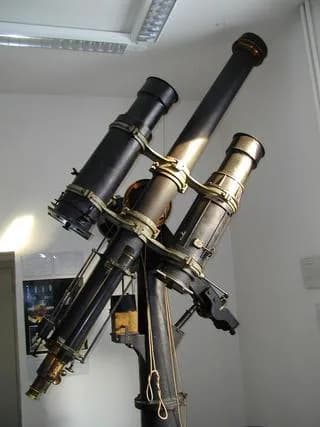
Max Wolf’s primary and most enduring contribution was his pioneering work in astrophotography. He developed innovative methods for using photography to detect and study asteroids, comets, and nebulae. His photographic plates captured objects too faint to be seen directly through telescopes, opening new avenues for discovery.
Through his astrophotographic techniques, Wolf was able to systematically discover numerous asteroids. He utilized long-exposure photography to reveal their trails against the background of fixed stars. This method revolutionized the search for and identification of minor planets within our solar system.
Capítol 5· Capítol 5 de 6
Later Years
Max Wolf remained an active and influential figure in astronomy throughout his later years. He continued his directorship of the Heidelberg-Königstuhl State Observatory until his passing. His dedication to research and education never wavered.
He continued to inspire colleagues and students, fostering an environment of scientific inquiry and discovery. His work during this period further cemented the importance of astrophotography as a critical tool in astronomical research. He maintained his scientific rigor and commitment to advancing the field until his final days.
Capítol 6· Capítol 6 de 6
Legacy and Impact
Max Wolf's legacy is immense, primarily for his revolutionary advancements in astrophotography. He fundamentally changed the methodology of astronomical observation, moving it from visual scrutiny to the objective and comprehensive record-keeping of photographic plates. His techniques became standard practice worldwide.
His pioneering spirit and dedication to innovation paved the way for future generations of astronomers. The astrophotographic methods he developed laid the groundwork for modern astronomical imaging, including the digital techniques used today. Max Wolf’s lasting influence can be seen in every image captured of the distant universe, reminding us of his profound contributions to our understanding of the cosmos.
FAQ
Preguntes freqüents
Quan va morir Max Wolf?
Max Wolf va morir el 3 d’octubre del 1932 a Heidelberg, Germany, als 69 anys.
On va néixer Max Wolf?
Max Wolf va néixer a Heidelberg, Germany el 21 de juny del 1863.
Per què és més conegut/da Max Wolf?
Max Wolf és conegut/da sobretot per German astrophotography pioneer.
Quants anys tenia Max Wolf quan va morir?
Max Wolf tenia 69 anys en el moment de la seva mort.
Quina nacionalitat tenia Max Wolf?
Max Wolf era de Germany.
Cronologia
La vida en un cop d'ull
Galeria de fotos
Una vida en imatges
Feu clic a qualsevol polaroid per ampliar · 21 fotos
Codi QR
Comparteix aquesta biografia
Imprimeix i comparteix
Escaneja per visitar aquesta pàgina de biografia. Imprimeix per a esdeveniments, exposicions o materials educatius.