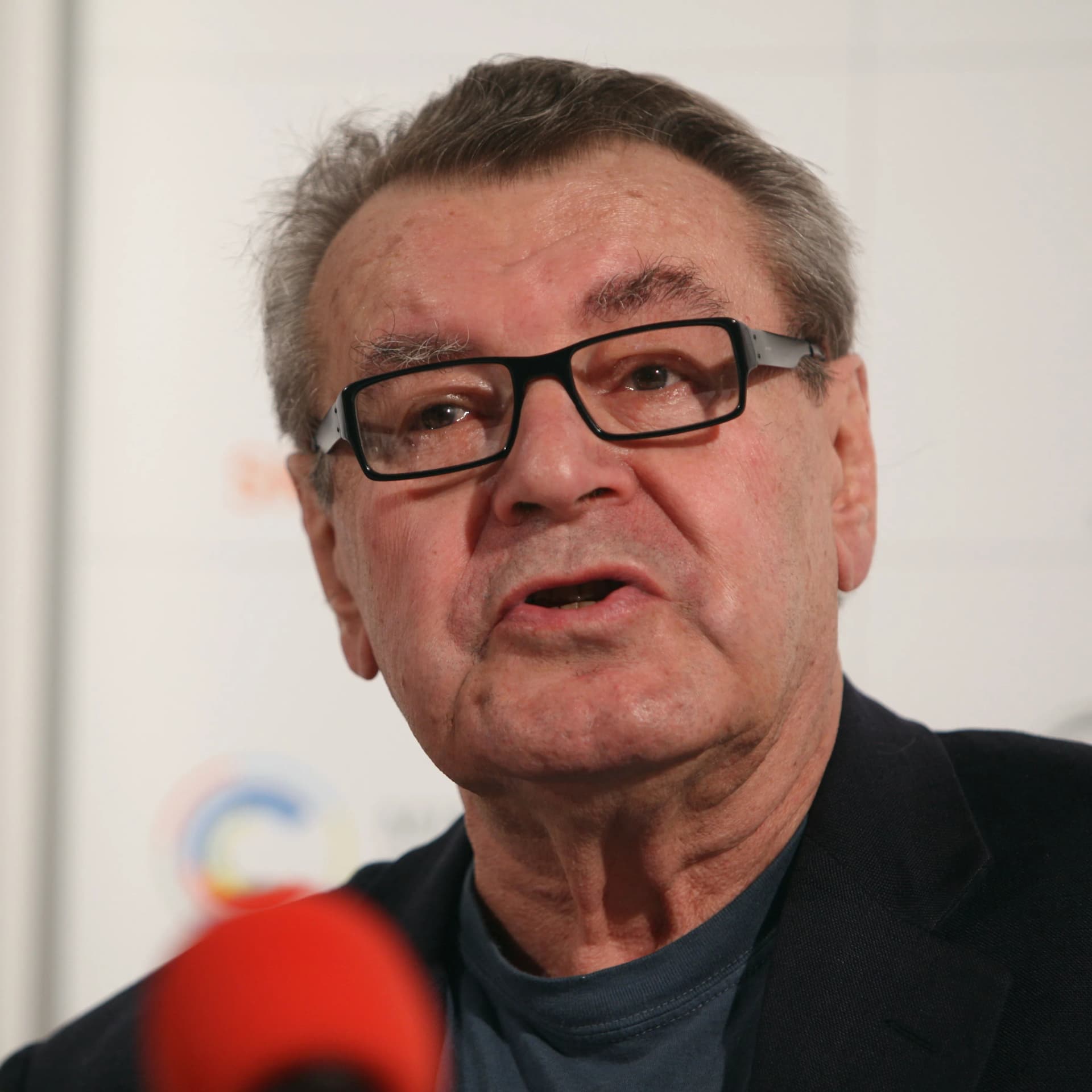
Nascut
March 28, 1936
Arequipa, Peru
Mort
April 13, 2025
Lima, Peru
Conegut per
Peruvian, Spanish and Dominican novelist and writer
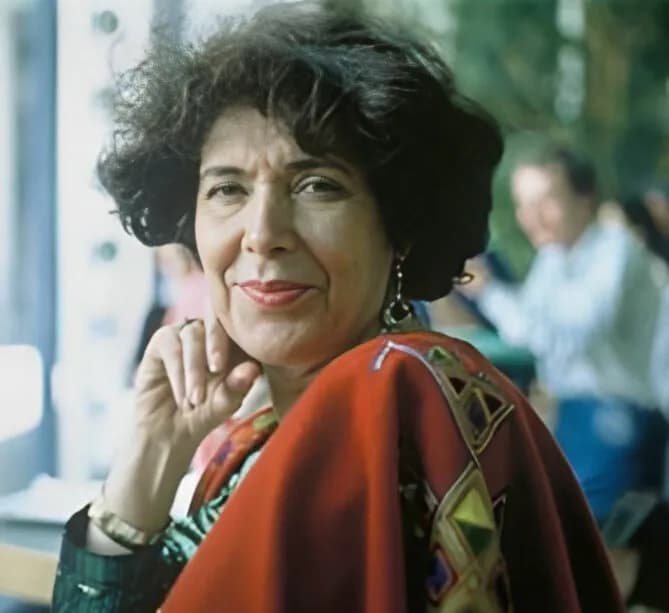
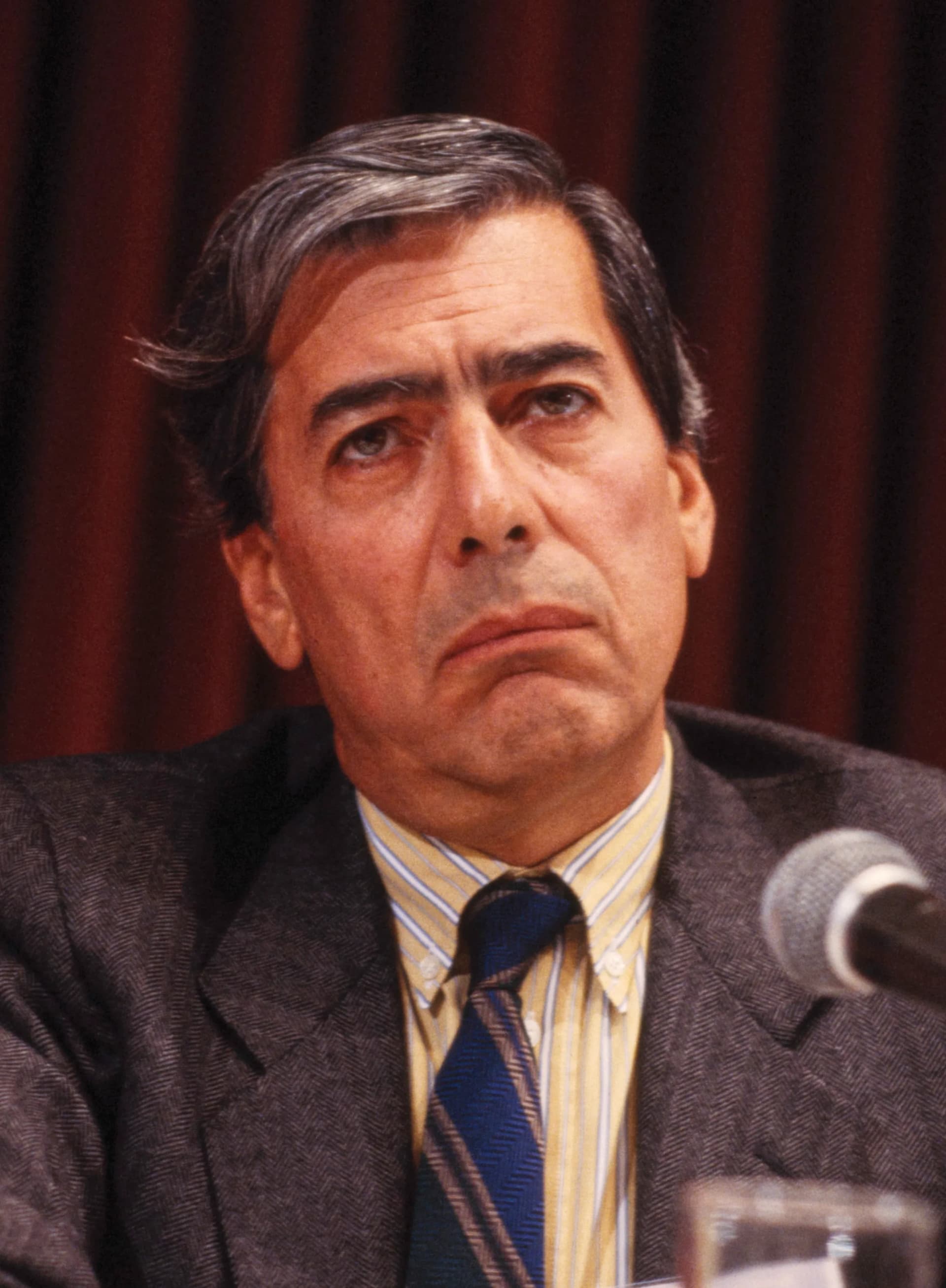
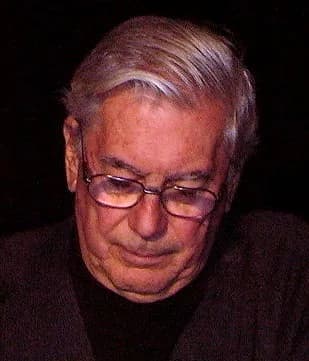
Mario Vargas Llosa (1936–2025) was Peru best known for Peruvian, Spanish and Dominican novelist and writer.
Jorge Mario Pedro Vargas Llosa (March 28, 1936 – April 13, 2025) was a Peruvian, Spanish, and Dominican novelist and writer. He won the Nobel Prize in Literature in 2010 for his powerful narratives on structures of power and human resistance. His works had a substantial international impact, making him a leading figure of the Latin American Boom.
Una vida en moments
Els moments que van marcar una vida
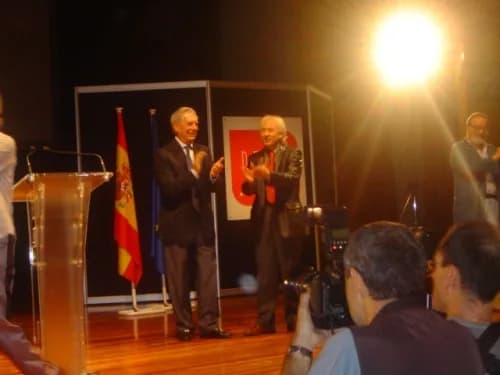
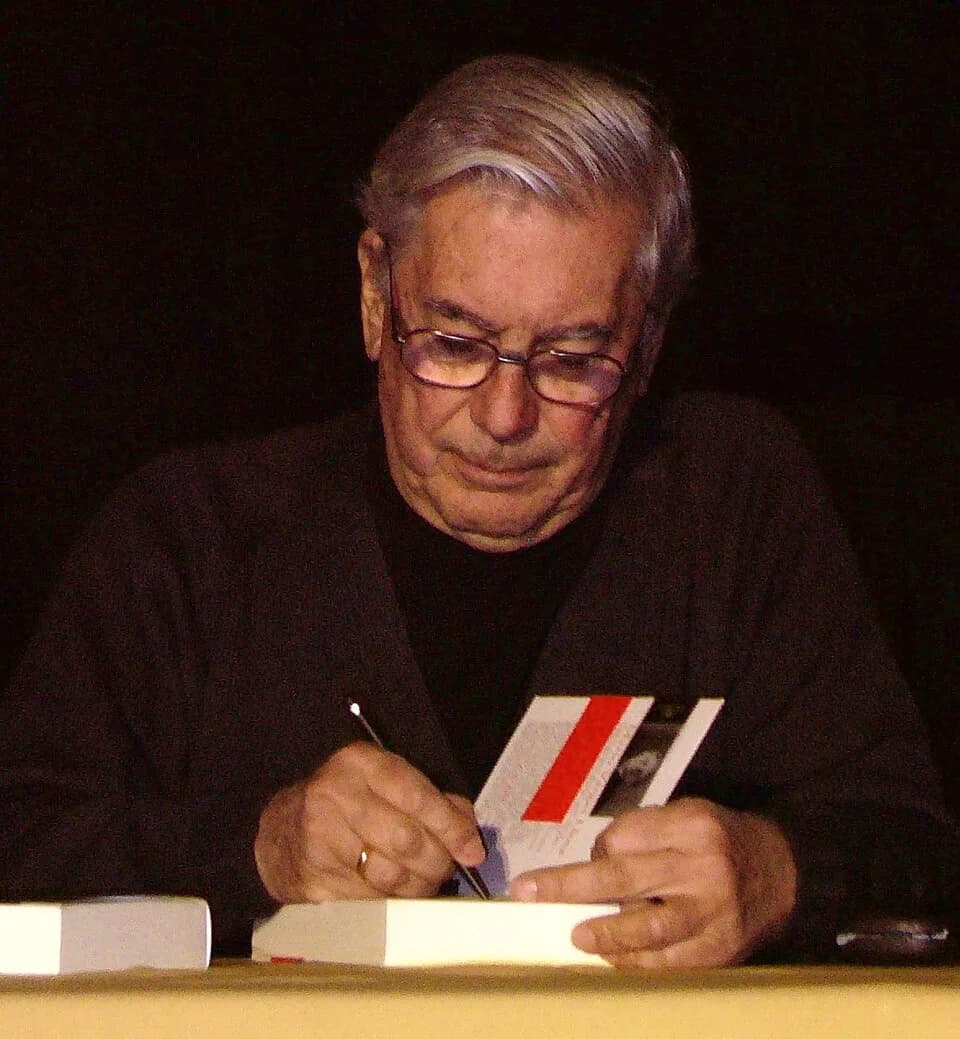
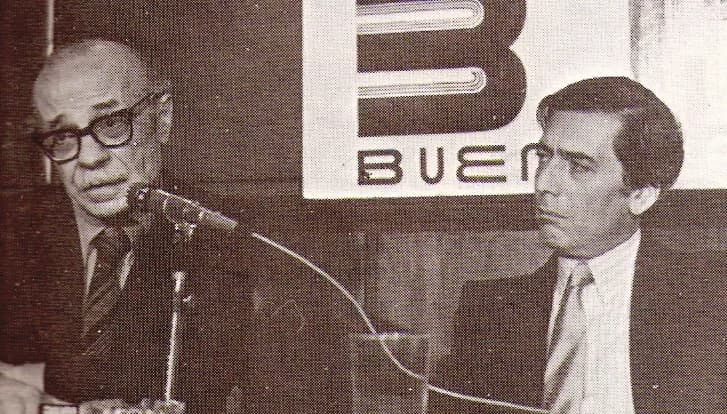
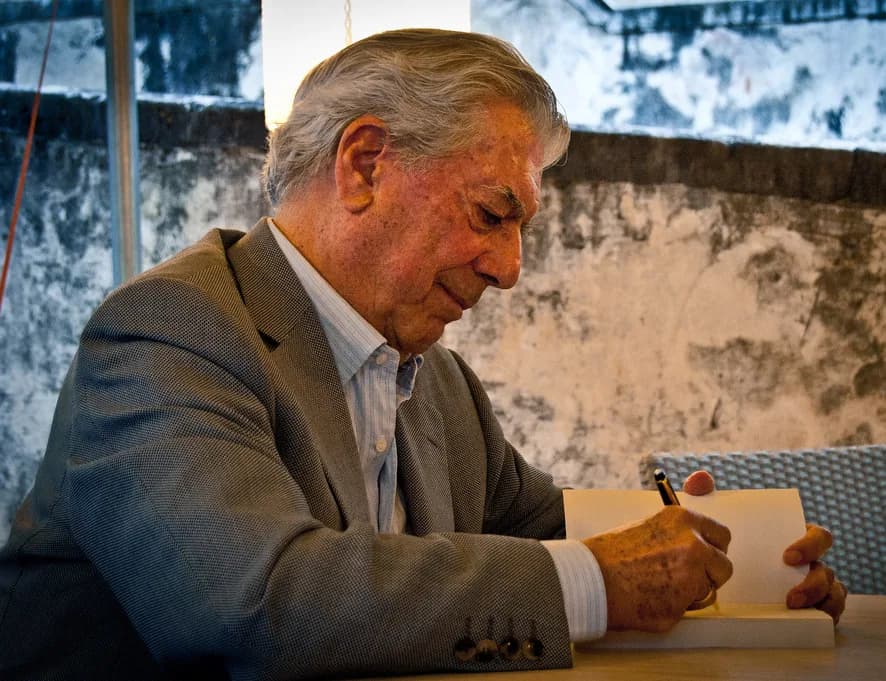
Capítol
Capítols de la vida
Capítol 1 · 1936· Capítol 1 de 6
Early Life and Origins
Mario Vargas Llosa was born in Arequipa, Peru, on March 28, 1936. His early years in Peru profoundly shaped his understanding of society and politics, themes that would become central to his later literary output. This Peruvian upbringing provided a rich backdrop for his explorations of identity, power, and human nature.
His formative experiences in his homeland instilled in him a deep familiarity with the cultural and social complexities of Latin America. These observations and insights would later find expression in his acclaimed novels, which often provided trenchant commentary on political structures and individual struggles within the region.
Capítol 2· Capítol 2 de 6
Career Beginnings
Vargas Llosa embarked on his extensive professional life as a journalist, literary critic, and university teacher. These early roles allowed him to hone his writing skills and develop the sharp analytical eye that would characterize his acclaimed works. His initial contributions to journalism laid a foundational groundwork for a career that would span various literary and political endeavors.
He swiftly established himself as a keen observer and incisive commentator on both literature and society. His work as a literary critic, in particular, demonstrated his deep engagement with the craft of writing and his ability to articulate complex ideas with clarity. These early professional pursuits set the stage for his subsequent rise as a major literary figure.
Capítol 3· Capítol 3 de 6
Major Achievements and Career Highlights
Mario Vargas Llosa quickly rose to prominence as one of the most influential Latin American novelists and essayists. Critics often highlighted his substantial international impact and worldwide audience, setting him apart among writers of the Latin American Boom. He played a crucial role in bringing Latin American literature to a global stage.
A crowning achievement in his illustrious career came in 2010 when he was awarded the Nobel Prize in Literature. The Nobel Committee recognized him for "his cartography of structures of power and his trenchant images of the individual's resistance, revolt, and defeat." This prestigious award solidified his place among the pantheon of global literary giants.
Capítol 4· Capítol 4 de 6
Notable Works or Contributions
Throughout his prolific career, Mario Vargas Llosa authored a wide array of influential literary works that captivated readers and critics globally. His celebrated bibliography includes powerful novels such as Historia de Mayta, which delves into political activism and memory, and the evocative Elogio de la madrasta. He also penned the acclaimed La casa verde, a sprawling narrative set in the Amazon jungle and a northern Peruvian city.
His diverse body of work also features the compelling mystery ¿Quién mató a Palomino Molero? and the collection of short stories Los jefes. Beyond fiction, Vargas Llosa demonstrated his intellectual breadth through non-fiction works like Demokratie heute and Cinco pensadores liberales. These writings showcased his deep engagement with political philosophy and contemporary issues.
Capítol 5 · 2010· Capítol 5 de 6
Later Years
Even after receiving the Nobel Prize in Literature in 2010, Mario Vargas Llosa maintained an active and prolific presence in the literary and intellectual world. He continued to write, contribute as an opinion journalist, and engage in philosophical discourse. His unwavering commitment to literature and ideas remained evident in his ongoing contributions.
Vargas Llosa's later years saw him continuing to publish and participate in public life, extending his influence across various platforms, including broadcasting and playwriting. He remained a vibrant voice, contributing to international conversations on politics, culture, and human rights until his peaceful passing in Lima, Peru, on April 13, 2025.
Capítol 6· Capítol 6 de 6
Legacy and Impact
Mario Vargas Llosa's legacy is vast, marked by his significant influence on Latin American and global literature. He is remembered for his distinctive ability to dissect and portray complex structures of power, individual resistance, revolt, and eventual defeat within his narratives. His literary style and intellectual rigor set a high standard for contemporary fiction.
His works continue to be studied, celebrated, and translated worldwide, solidifying his standing as a literary giant who expanded the thematic and stylistic boundaries of the novel. His sharp intellect, courage in addressing challenging social issues, and unwavering commitment to freedom of expression will continue to inspire future generations of writers, thinkers, and citizens globally.
FAQ
Preguntes freqüents
Quan va morir Mario Vargas Llosa?
Mario Vargas Llosa va morir el 13 d’abril del 2025 a Lima, Peru, als 89 anys.
On va néixer Mario Vargas Llosa?
Mario Vargas Llosa va néixer a Arequipa, Peru el 28 de març del 1936.
Per què és més conegut/da Mario Vargas Llosa?
Mario Vargas Llosa és conegut/da sobretot per Peruvian, Spanish and Dominican novelist and writer.
Quants anys tenia Mario Vargas Llosa quan va morir?
Mario Vargas Llosa tenia 89 anys en el moment de la seva mort.
Quina nacionalitat tenia Mario Vargas Llosa?
Mario Vargas Llosa era de Peru.
Cronologia
La vida en un cop d'ull
Galeria de fotos
Una vida en imatges
Feu clic a qualsevol polaroid per ampliar · 46 fotos
Codi QR
Comparteix aquesta biografia
Imprimeix i comparteix
Escaneja per visitar aquesta pàgina de biografia. Imprimeix per a esdeveniments, exposicions o materials educatius.